Ever feel like your stomach inflates like a balloon by afternoon? You’re not alone-and it’s not just about what you ate for lunch. That frustrating bloating, the unpredictable digestion… it can feel like your gut has a mind of its own. We totally get it.
But what if you could finally get your digestion on your side? In this guide, we're skipping the vague advice and diving straight into the practical, science-backed strategies you can use today to improve your gut health naturally. We'll show you how to feed the good guys in your gut, calm the chaos, and build simple habits that lead to less bloating, more energy, and a happier you. Let's do this together.
Why Is Everyone Suddenly Talking About Gut Health?
If it feels like the "gut microbiome" is everywhere, you're not wrong. This isn't just another wellness trend; it's a huge shift in how we understand our overall health. People are finally realizing that feeling amazing often starts with simple, natural choices-like eating more fiber-rich plants and fermented foods to nourish their inner ecosystem.
We're going to show you exactly how to do that, step by step. By the end of this guide, you’ll have a clear plan to feel lighter, more energized, and back in control. For more background on this, you can find other useful insights on how to improve digestive health naturally.
Quick Wins for Better Gut Health Today
Getting started can feel overwhelming, but it doesn't have to be. Sometimes, the smallest changes make the biggest difference. Here are the core pillars for improving your gut health naturally-an immediate action plan you can start with your very next meal.
| Action Area | Why It Matters for You | Simple First Step |
|---|---|---|
| Nourishing Diet | Feeds your good gut bacteria, calms inflammation, and helps you stay regular. | Add one serving of berries or a handful of leafy greens to your next meal. |
| Smart Lifestyle | Manages stress (a huge gut disruptor), improves sleep, and supports smooth digestion. | Take a 10-minute walk after dinner. It helps food move along and calms your mind. |
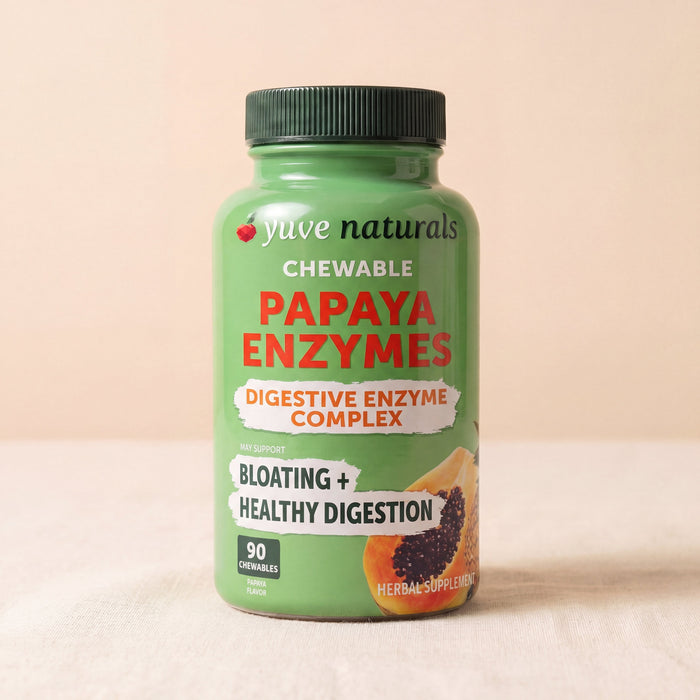
| Targeted Support | Fills nutritional gaps and provides a helping hand for common digestive issues. | Take Yuve Papaya Enzymes with meals to support the breakdown of food and ease digestion. |
| Hydration | Keeps things moving smoothly and supports a healthy gut lining. Simple but powerful. | Drink a big glass of water first thing in the morning, before coffee or tea. |
Focusing on these simple, consistent actions is key. They build the foundation for everything else we'll cover and can start making you feel better almost immediately.
Nourish Your Microbiome with Gut-Friendly Foods
Think of your gut as a garden. It’s home to trillions of tiny microbes that act like your personal clean-up crew, and they need the right fuel to keep you feeling your best. What you put on your plate directly feeds this inner ecosystem, either helping it flourish or creating chaos-dun, dun, dun-unwelcome gas. Yikes!
The good news? You don't need a crazy restrictive diet. Improving your gut health is really about adding powerful, nourishing foods to what you already eat. Let's dig into the "big three" of gut-friendly eating: fiber, prebiotics, and probiotics.
The Power of Fiber and Prebiotics
We’ve all heard that fiber is important, but it's about so much more than just "staying regular." Fiber is the main food source for your good gut bacteria. When these microbes feast on fiber, they create powerful compounds like short-chain fatty acids (SCFAs) that do amazing things, like reducing inflammation and strengthening your gut lining.
To do its job right, your gut needs two main types of fiber.
- Soluble Fiber: This type dissolves in water, creating a gel-like substance. It slows down digestion, which helps you feel full and keeps blood sugar stable. Think of it as the "calming" fiber. You’ll find it in oats, beans, apples, and carrots.
- Insoluble Fiber: This one doesn't dissolve. Instead, it adds bulk to your stool, helping everything move along smoothly. It’s the "get things moving" fiber, found in nuts, whole grains, and veggies like cauliflower and green beans.
Prebiotics are basically VIP-access fiber. They are a special type that specifically feeds the good guys, acting like a fertilizer for the most helpful members of your microbial community. Some of the best sources are wonderfully simple: garlic, onions, bananas, and asparagus.
What This Means for You: Aiming for a colorful variety of plant foods is your secret weapon. Each plant offers different types of fiber and nutrients, which encourages a diverse and resilient microbiome. A happy gut loves diversity!
Introduce Probiotics with Fermented Foods
While prebiotics feed the good bacteria you already have, probiotics introduce new beneficial soldiers to your gut army. One of the best-and tastiest-ways to do this is by eating fermented foods.
That tangy flavor you get from sauerkraut, kimchi, and kefir? That’s the magic of fermentation. Microorganisms break down sugars, creating a host of beneficial bacteria in the process. We love them because they don't just add flavor; they actively support your digestive health.
Feeling a bit unsure where to start? Check out our complete guide to delicious fermented foods for your gut health for more ideas.
Here are a few easy ways to sneak them into your diet:
- Toss a spoonful of sauerkraut into a salad or on top of a sandwich.
- Swap your usual afternoon soda for a refreshing kombucha.
- Use plain kefir or yogurt as a creamy base for your morning smoothie.
- Whisk some miso paste into dressings and soups for an umami kick.
Science Corner: The Mediterranean Diet Connection
This isn’t just about adding single foods; it's about shifting to a dietary pattern that supports your gut long-term. Take the Mediterranean diet-it's often praised for its gut-friendly benefits. A 2020 study in the journal Gut found that older adults who followed a Mediterranean-style diet for one year showed positive changes in their gut microbiome linked to healthier aging.
What this means for you: The diet works because a typical day can include 25 to 35 grams of fiber from a rich mix of fruits, veggies, and whole grains. This high-fiber approach nourishes the good bacteria that protect your gut barrier and can reduce the risk of chronic health issues.
Ultimately, the goal is plant diversity. Don't aim for perfection; just focus on progress. Start small by adding one new plant-based food to your plate each week. Your gut will thank you for it.
Your Daily Habits Are Just as Important as Your Diet
What you do outside of the kitchen matters just as much as what you put on your plate. If you’ve ever had a stressful week and found your stomach in knots, you've felt that powerful connection between your mind and your digestive system. A truly healthy gut comes from creating a supportive environment for your whole body, and that means taking a look at your daily routines.

This isn’t about adding more complicated tasks to your already packed schedule. It's about weaving in small, consistent habits that build on each other to create profound, lasting change. Let’s get into the simple lifestyle shifts that can make or break your digestive wellness.
Tame Stress to Soothe Your Gut
Ever feel "butterflies" before a big presentation? That’s your gut-brain axis in action. It's a two-way superhighway, meaning what’s happening in your head directly impacts your gut, and vice versa.
When you're under pressure, your body pumps out stress hormones like cortisol, which can wreak havoc on your digestive system. For some, this slows everything down, leading to bloating and constipation. For others, it speeds things up dramatically. It’s a very real, physical response.
So, how do you shield your gut from the daily grind?
- Mindful Moments: You don’t need an hour for meditation. Just five minutes of deep belly breathing can signal to your nervous system that it’s safe to relax, which in turn calms your gut.
- A Dose of Nature: Simply stepping outside for a quick walk can do wonders. Research consistently shows that spending time in green spaces lowers stress hormones and supports a healthier microbial balance.
- Gentle Movement: Activities like yoga or even some simple stretching help release the physical tension we tend to hold in our shoulders, back, and-you guessed it-our abdomen.
The key is finding what resonates with you. The goal is to build small pockets of calm into your day to give your digestive system a break.
Prioritize Sleep for a Happy Microbiome
Sleep is perhaps the most underrated hero in the gut health story. When you don't get enough quality rest, it can seriously disrupt the diversity and balance of your gut microbiome. Think of it like this: when you pull an all-nighter, your gut bacteria get just as frazzled as you do.
Poor sleep can fuel an increase in inflammatory bacteria while dialing back the beneficial ones. This imbalance doesn’t just cause digestive issues; it can also mess with your food cravings the next day, making you reach for sugar and processed carbs.
A Little Science: Studies have found that just two nights of poor sleep can alter your gut microbiome in ways linked to inflammation and insulin resistance. Your gut needs that downtime to repair and reset, just like the rest of your body.
Nailing your sleep hygiene is a non-negotiable for a happy gut. Small tweaks-like setting a consistent bedtime, avoiding screens an hour before you turn in, and creating a dark, cool room-can make a massive difference.
The Power of Water and Movement
Finally, let’s talk about two of the simplest yet most effective habits out there: drinking enough water and moving your body.
Hydration is absolutely essential for keeping things moving along smoothly. Water helps break down food, allows your body to absorb all those great nutrients you're eating, and prevents constipation by softening stool. Aim for around four to six cups of water a day, and more if you're active.
As for movement, you don't need to run a marathon. Gentle, consistent activity is what you’re after. Taking a brisk 20-minute walk after a meal can significantly aid digestion by stimulating how food moves through your stomach and intestines. This one simple habit can be a game-changer for reducing that uncomfortable post-meal bloat.
Using Smart Supplements for Gut Support
Even when you’re doing everything right with your diet-plenty of fiber, fermented foods, the whole nine yards-modern life can sometimes get in the way. It’s best to think of food and lifestyle as your foundation. Smart, targeted supplements? They’re the support beams that keep everything strong, helping you stay consistent and feel your best.
This is where digestive enzymes can be a total game-changer, especially for those all-too-familiar moments after a meal. We’ve all been there: you wrap up a fantastic dinner, and an hour later, that uncomfortable, heavy bloating sets in. It’s more than just annoying; it can make you second-guess eating the foods you love.
Why Digestive Enzymes Are Your Best Friend
So, what are they? Digestive enzymes are simply proteins your body already makes to break down food into nutrients it can actually absorb. The problem is, sometimes our bodies don't produce enough of a specific enzyme, and that’s when digestive chaos happens.
For example, if a slice of cheesy pizza or a scoop of ice cream sends you running for the hills, you might be low on lactase. That's the specific enzyme needed to break down lactose, the sugar in dairy. Instead of giving up dairy for good, a supplement is a smart, proactive step to handle the job your body is struggling with.
Our Founder’s Story: This is a personal one for us. Our founder, Sam, spent years dealing with this exact problem. He loved dairy but couldn't stand the bloating and discomfort that came with it. That frustration was a huge part of why he started Yuve-to help people enjoy food without fear. It’s why Yuve Lactase Enzymes became a core product. It’s a simple, go-to for dairy nights so you can focus on the good times, not the after-effects.
Choosing the Right Enzyme for Your Needs
Digestive issues aren't one-size-fits-all, and neither are enzyme supplements. The trick is matching the right supplement to your specific challenge.
Here’s a quick guide to pinpoint what you might need:
- For Dairy Troubles: If you know dairy is the main culprit, a straightforward lactase supplement is your best bet. It delivers precisely what’s missing.
- For General Meal Support: Feeling a bit sluggish or bloated after well-rounded meals? A broad-spectrum enzyme can provide across-the-board support.
- For Plant-Heavy Diets: If you pack your diet with beans, legumes, and broccoli, you may benefit from an enzyme containing alpha-galactosidase. This one is a specialist, breaking down the complex sugars in these foods that often cause gas.
Think of it like having the right tool for the job. Using a targeted enzyme gives your body the precise help it needs, right when it needs it.
A Proactive Approach to Daily Digestion
While specific enzymes are fantastic for known trigger foods, a broad-spectrum enzyme can be an incredibly powerful part of your daily routine. It's not just for "problem" meals; it’s about making all your meals easier to digest.
This is where a gentle, plant-based option like Yuve Papaya Enzymes shines. Papaya naturally contains an enzyme called papain, which is brilliant at helping break down proteins. Our formula supports the daily breakdown of proteins, fats, and carbs, making balanced eating easier and every meal gentler on your system.
When you view supplements as a proactive tool, the whole dynamic shifts. You’re no longer just reacting to discomfort. You're giving your digestive system a helping hand to work at its best, every single day. For more insights, check out our guide to the best natural supplements for gut health.
Troubleshooting Persistent Gut Issues
Let's be real-it’s incredibly frustrating when you’re doing all the right things, but your stomach still isn’t cooperating. We get it. Sometimes, despite adding more fiber and managing stress, that stubborn bloating just hangs around. This is when we need to become gut detectives and dig a little deeper.
From our founder Sam’s own journey with digestive challenges, we know how isolating it can feel when the standard advice doesn't work. This is where you move from general wellness to a personalized strategy.
Become a Gut Detective with a Food Journal
The first and most powerful tool in your kit is a food and symptom journal. This isn't about calorie counting; it’s about gathering data to spot patterns you’d otherwise miss.
For a week or two, simply jot down a few key things:
- What you ate and when: Be specific! "Whole wheat toast with avocado" is much more helpful than just "breakfast."
- How you felt afterward: Note any bloating, gas, stomach cramps, or even changes in your energy or mood. Did you feel great? Write that down, too!
- Other factors: Did you have a stressful meeting? A poor night's sleep? These details matter.
After a week, you might notice a clear pattern, like, "Every time I have a creamy soup for lunch, I feel bloated by 3 p.m." This is valuable information that empowers you. If you suspect an underlying issue, you might be interested in learning how to support and heal a leaky gut as part of your investigation.
When to See a Professional
If your journal points to a consistent problem or if your symptoms are severe, it’s time to bring in a professional. Don’t hesitate to book an appointment with your doctor or a registered dietitian. They are your partners in this process.
Go to your appointment prepared. Bring your food and symptom journal-it provides them with concrete evidence to work with. Be ready to discuss your symptoms, your lifestyle, and everything you’ve already tried.
Our Takeaway: You are the expert on your own body. A healthcare professional provides the clinical expertise, but your detailed insights are what make a diagnosis possible. Your notes can help them decide if further testing for things like food sensitivities or other conditions is necessary.
This decision tree shows a simple starting point for tackling common digestive discomfort after eating.

For a specific issue like dairy intolerance, a targeted lactase enzyme can be a direct solution. For more general discomfort, broader digestive enzyme support might be a better first step.
Got Questions About Gut Health? We've Got Answers.
Let's be honest: starting a gut health journey can feel a bit overwhelming. If you have questions, you're not alone. Let's clear up some of the most common ones with straightforward answers.
How Long Does It Take to Naturally Improve Gut Health?
There’s no magic timeline, but the good news is you can often feel positive changes, like less bloating, within just a few weeks of consistent effort. Your gut microbiome is incredibly dynamic-it can start to shift in as little as 24 to 72 hours in response to what you eat!
But for deep, lasting rebalancing, it’s a longer game. I encourage people to think in phases:
- Short-Term Relief (1-4 weeks): As you increase fiber and hydration, you’ll likely notice less bloating and more predictable digestion. This is the "Aha, it's working!" phase.
- Noticeable Improvement (1-3 months): This is when your new habits really start to pay off. You might experience better energy, clearer skin, and fewer random digestive upsets.
- Sustained Health (6+ months): By this point, you’ve established a new normal. Your gut is more resilient, and your good habits feel second nature.
The key is consistency. You're rebuilding an entire ecosystem inside you, and that simply takes time and patience.
Can I Improve My Gut Health Without Supplements?
Absolutely. In fact, you should. The foundation of a happy gut will always be a whole-foods diet and healthy lifestyle habits. We do NOT think you should rely on supplements alone.
However, supplements are a smart, proactive step to feel great and enjoy food without discomfort. For many, a daily digestive enzyme like Yuve Papaya Enzymes provides that extra bit of support that makes healthy eating more comfortable, especially when you're adding more fiber. It’s about making sure your body gets the most out of every nutrient-dense meal you eat. And for specific sensitivities, like dairy, a product such as Yuve Lactase Enzymes can be a total lifesaver, giving you food freedom without the painful consequences.
What Are the Worst Foods for Gut Health?
While everyone's trigger foods can be a little different, there are some common culprits that tend to disrupt gut balance. Highly processed foods, artificial sweeteners, and excessive sugar are at the top of the list. These can feed the "unfriendly" bacteria in your gut, leading to inflammation and that dreaded bloating. Fried foods and unhealthy trans fats can also be incredibly hard on your system.
My Pro Tip: The best approach is to focus on addition, not subtraction. Instead of obsessing over what to cut out, concentrate on crowding out the less-helpful foods by adding more vibrant, nutrient-dense, whole foods to every plate.
Your Quick-Wins Checklist
Ready to start feeling better today? Here are your key takeaways:
- Add one new plant food to your diet this week. Diversity is your gut's best friend.
- Take a 10-minute walk after your biggest meal of the day to aid digestion.
- Drink a large glass of water first thing in the morning to hydrate your system.
- Support your meals with a targeted digestive enzyme, like Yuve Papaya Enzymes, to make digestion smoother and more comfortable.
At Yuve, we believe that feeling good should be simple and delicious. We're here to support you on your journey-we've been there, and we get it. We'd love to hear about your own gut-health wins in the comments below!
Ready to give your digestion the helping hand it deserves? Explore our full range of gut health solutions today!