Ever feel like your stomach inflates like a balloon by afternoon? You’re not alone-and it’s not just what you ate. It's incredibly frustrating when your digestive system feels unpredictable, staging a protest with bloating, gas, or just general discomfort after a meal. It can feel like you've tried everything, from avoiding your favorite foods to rearranging your entire day around potential tummy troubles. We get it.
The good news is that gentle, effective support is closer than you think. In this guide, we're skipping the temporary fixes and diving straight into 10 powerful, science-backed natural remedies for digestive issues. We'll explore everything from soothing ancient herbs like ginger and peppermint to gut-healing powerhouses like probiotics and fermented foods. We're in this together, and our goal is to give you actionable steps to help your gut finally find its happy place. Let's get started.
1. Ginger Root
When your stomach feels off - whether it's that tell-tale queasy feeling or uncomfortable bloating - reaching for ginger is a practice steeped in centuries of wisdom. This powerful root is one of the most effective natural remedies for digestive issues because of its active compounds, gingerols and shogaols.
These compounds work by stimulating digestive juices like saliva and bile, which helps your body break down food more efficiently. Think of it as giving your digestive system a gentle, warming nudge to get things moving. This action can significantly reduce nausea, soothe cramping, and ease that frustrating, sluggish feeling after a meal.
How to Use Ginger for Your Gut
Incorporating ginger is simple and can be done daily. Here’s how:
- Sip on Ginger Tea: A warm cup of ginger tea 15-30 minutes before a meal can prime your digestive system, preventing discomfort before it starts. Simply steep a few thin slices of fresh ginger in hot water.
- Add it to Meals: Finely chop or grate fresh ginger into soups, stir-fries, or smoothies. You only need about 1-2 grams daily to feel the benefits.
- Start Small: If you're new to fresh ginger, begin with a small amount and see how your body responds. Its potent flavor and effects are powerful.
2. Probiotics (Live Beneficial Bacteria)
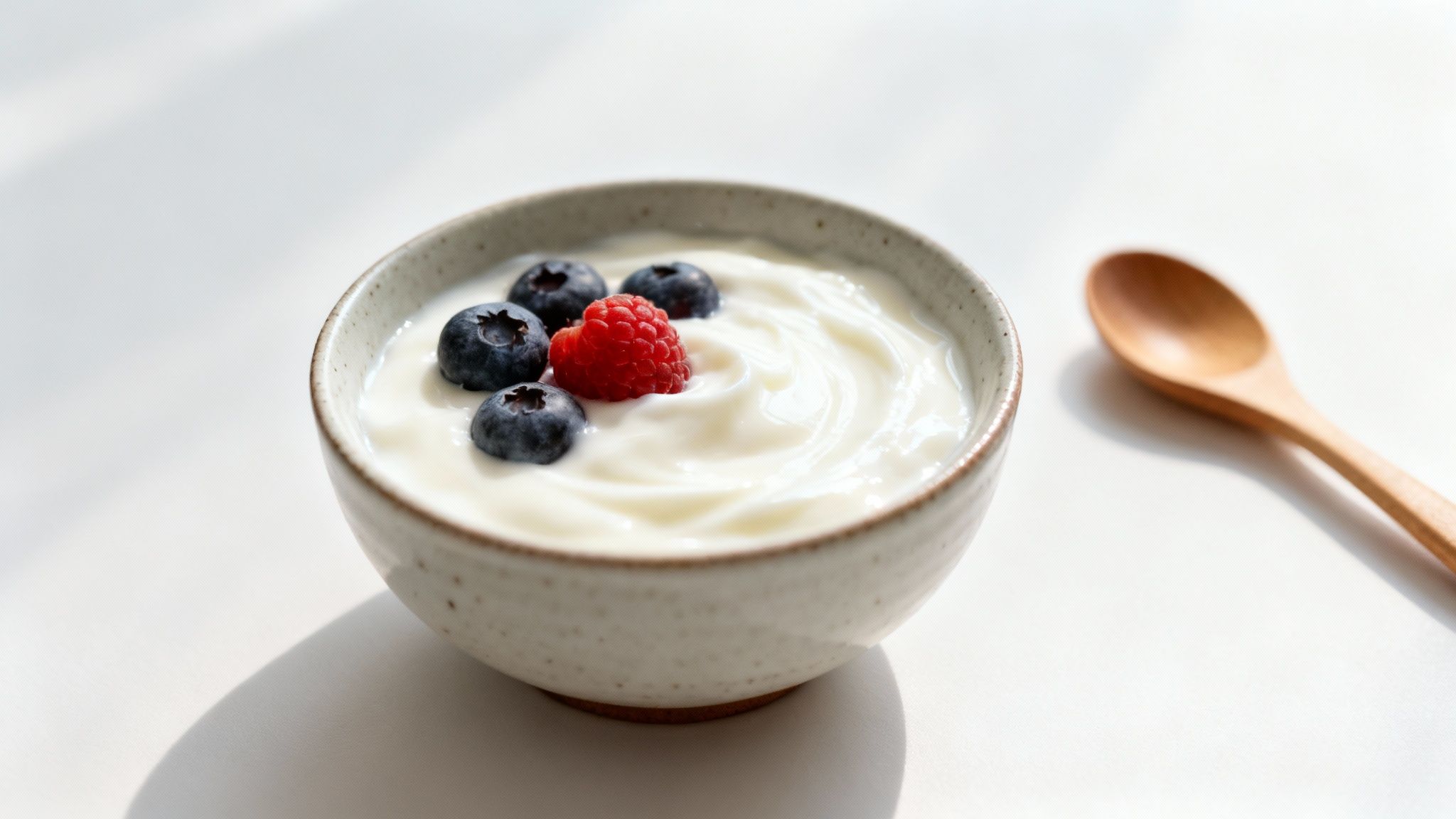
Okay, let's talk about the microscopic superstars living in your gut. When your gut's microbial community gets out of balance, it can lead to dun, dun, dun-unwelcome gas, bloating, and irregularity. Yikes! Probiotics, the "good" live bacteria found in fermented foods and supplements, are powerful natural remedies for digestive issues because they help restore this crucial balance. Think of them as reinforcements for your gut's defense team.
These beneficial microorganisms strengthen the intestinal barrier and help regulate your immune response, all of which contribute to smoother, more comfortable digestion. For anyone feeling the effects of an unbalanced microbiome, reintroducing these allies is a fundamental step toward long-term gut wellness.
How to Use Probiotics for Your Gut
Harnessing the power of probiotics can be as simple as changing what's on your plate or adding a targeted supplement. Here’s how to get started:
- Eat Fermented Foods: Incorporate probiotic-rich foods like yogurt, kefir, kimchi, or sauerkraut into your diet.
- Choose a Quality Supplement: For a more concentrated dose, a multi-strain supplement can provide broader benefits. You can find more details on how to select the best probiotics for digestive health on getyuve.com.
- Be Consistent: Whether from food or supplements, take your probiotics daily. It often takes at least 4-8 weeks to re-establish microbial balance and notice significant improvements.
3. Fermented Foods
Harnessing the ancient art of fermentation is a fantastic way to introduce gut-friendly bacteria into your system. Fermented foods like kimchi, sauerkraut, yogurt, and kefir are rich in probiotics, which are live microorganisms that support a healthy gut microbiome. These foods are a key component of natural remedies for digestive issues because they help restore the balance of good bacteria in your intestines.
This process essentially pre-digests the food, making its nutrients easier for your body to absorb while also producing beneficial enzymes. A thriving gut microbiome is crucial for smooth digestion, reducing gas and bloating, and even supporting a strong immune system.
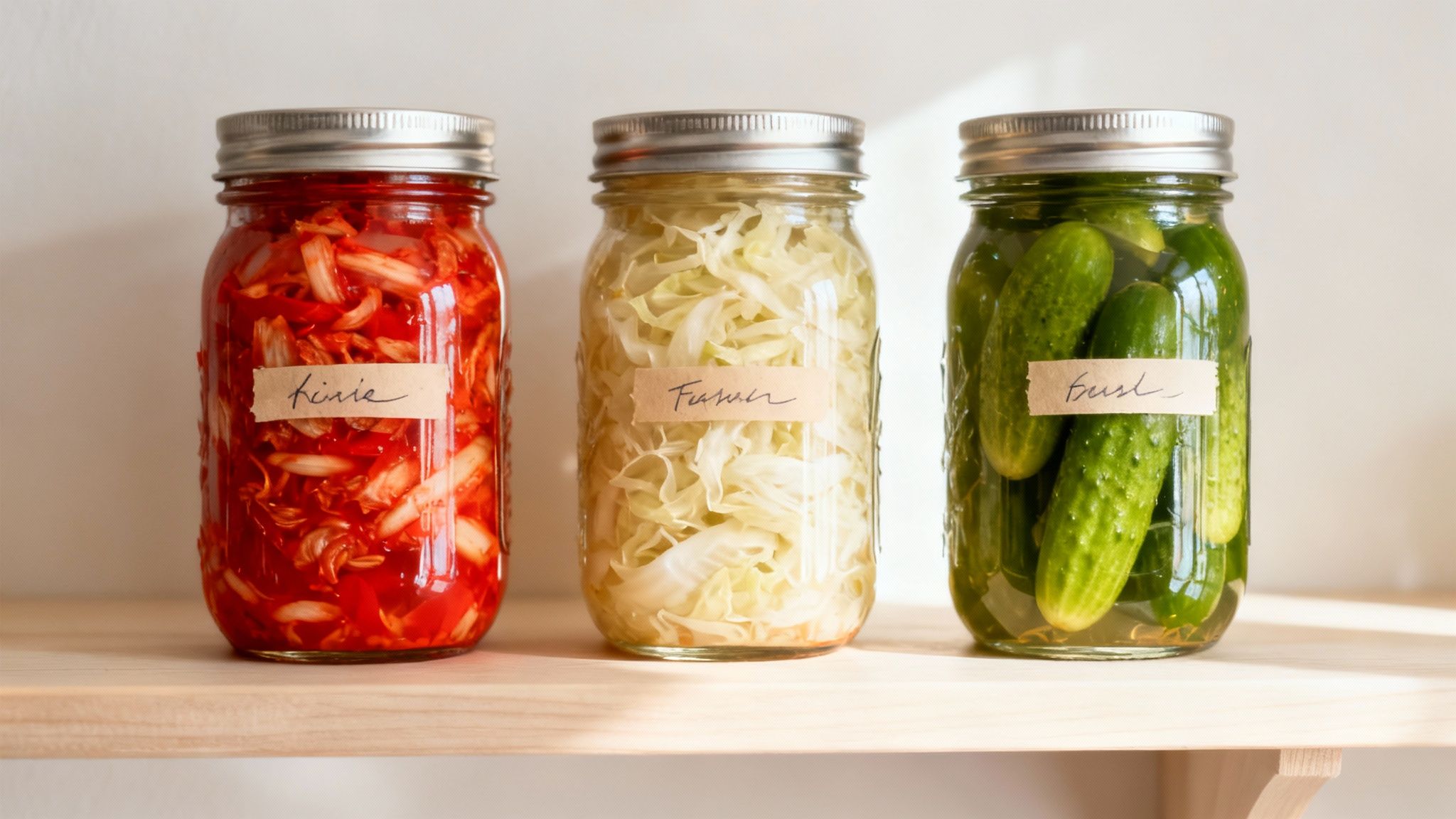
How to Use Fermented Foods for Your Gut
Adding fermented foods to your diet is a delicious way to boost your digestive health. Here’s how to get started:
- Start Small and Go Slow: If you're new to fermented foods, begin with a small portion, like one or two tablespoons daily, to allow your system to adjust.
- Choose Unpasteurized: For the maximum probiotic benefit, look for products labeled "raw" or "live cultures" in the refrigerated section of your grocery store. Pasteurization kills the beneficial bacteria.
- Rotate Your Sources: Different fermented foods contain different strains of probiotics. Try rotating between kimchi, kefir, miso, and sauerkraut to cultivate a diverse gut ecosystem. You can learn more about how to improve your gut health on getyuve.com.
4. Peppermint Leaf Tea
That refreshing, cool sensation from peppermint is more than just a pleasant taste-it's a powerful signal to your digestive system to relax. Peppermint is one of the most well-researched natural remedies for digestive issues, particularly for soothing an irritated gut.
The magic comes from its active compounds, primarily menthol. These ingredients have an antispasmodic effect, meaning they help relax the muscles of your digestive tract. This can significantly reduce painful cramping and ease bloating. In fact, clinical trials have shown peppermint can improve IBS symptoms by promoting smooth muscle contractions in the colon.
How to Use Peppermint for Your Gut
Harnessing the benefits of peppermint is as simple as brewing a comforting cup of tea. Here are the best ways to do it:
- Brew a Soothing Tea: Steep one to two teaspoons of dried peppermint leaves in hot water for 5-10 minutes. Drinking a cup 30 minutes before a meal can help prevent discomfort.
- Time it Right: Enjoy one to three cups daily, especially between meals or when you feel bloating or cramping start to build.
- A Gentle Caution: If you have GERD or acid reflux, peppermint might not be for you, as it can relax the sphincter that keeps stomach acid down.
5. Dietary Fiber (Soluble and Insoluble)
If your digestive system feels sluggish or unpredictable, think of dietary fiber as its personal trainer. This plant-based carbohydrate is one of the most fundamental natural remedies for digestive issues. It works in two key ways: soluble fiber (in oats, beans, and apples) forms a gel-like substance that slows digestion, while insoluble fiber (in vegetables and whole grains) adds bulk to stool, helping it move smoothly through your system.
This dynamic duo doesn't just promote regularity; it actively feeds the good bacteria in your gut, creating a healthy microbiome that reduces inflammation and supports overall wellness.
How to Use Fiber for Your Gut
The key is to increase your intake slowly to avoid gas and bloating. Here’s how:
- Gradually Increase: Add fiber-rich foods to your diet over two to four weeks. Aim for the recommended 25-38 grams daily for adults.
- Hydrate, Hydrate, Hydrate: Fiber needs water to work its magic. Drink at least eight glasses of water throughout the day.
- Balance Your Sources: Combine both soluble and insoluble fiber at meals. A great example is a bowl of oatmeal (soluble) topped with fresh berries (insoluble).
6. Bone Broth
When your digestive system feels irritated or inflamed, sipping on a warm, nourishing cup of bone broth can feel incredibly soothing. This nutrient-dense liquid is revered as one of the best natural remedies for digestive issues because it directly supports gut lining integrity.
Bone broth is rich in collagen, gelatin, and amino acids like glycine and proline. These components help to strengthen and repair the intestinal wall, which can be crucial for conditions like increased intestinal permeability or "leaky gut". By calming inflammation, it gives your digestive system a gentle reset.
How to Use Bone Broth for Your Gut
Making bone broth a regular part of your routine is simple and comforting. Here’s how:
- Sip it Solo: Drink a warm cup of bone broth on an empty stomach first thing in the morning or between meals.
- Use it as a Base: Swap out water for bone broth when making soups, stews, or even cooking grains like rice and quinoa.
- Get the Good Stuff: For the most potent benefits, use bones from grass-fed, pasture-raised animals and simmer them for a minimum of 12-24 hours.
7. Aloe Vera Gel (Internal Use)
While often associated with soothing sunburns, the inner gel of the aloe vera plant is a powerful, yet gentle, ally for internal digestive health. Aloe vera is one of the most effective natural remedies for digestive issues due to its rich content of polysaccharides and anti-inflammatory compounds.
These components work together to coat and soothe the sensitive mucous membranes of your digestive tract. Think of it as applying a healing balm directly to an irritated gut lining. This action helps reduce inflammation and can provide mild laxative effects to encourage regularity.
How to Use Aloe Vera for Your Gut
Properly incorporating aloe vera gel or juice is key to harnessing its benefits safely. Here’s how:
- Choose the Right Product: Only use products made from the inner clear gel. Avoid the outer leaf, which contains harsh laxative compounds.
- Start with a Small Dose: Begin with just 1 ounce of aloe vera juice diluted in a glass of water once a day, preferably on an empty stomach.
- Time it Right: For best results, consume it in the morning or before bed, separate from meals. For those considering cultivating Aloe Vera at home to prepare fresh gel, you can find a comprehensive guide to Aloe Vera plant care.
8. Licorice Root (DGL - Deglycyrrhizinated)
When you're dealing with issues like acid reflux or an irritated stomach lining, licorice root can feel like a soothing balm. Specifically, we're talking about Deglycyrrhizinated Licorice (DGL), which has had a compound called glycyrrhizin removed to avoid potential side effects.
DGL works by boosting your body's natural protective mechanisms. It increases mucus production, creating a stronger barrier against stomach acid, and improves blood flow to the gut lining, which speeds up repair. This makes it particularly effective for soothing discomfort from ulcers, gastritis, and GERD.
How to Use DGL for Your Gut
Using DGL is straightforward and can provide targeted relief. Here’s how to do it effectively:
- Chew Your Tablets: DGL works best when it mixes with saliva, which activates its gut-healing compounds. Chew one or two 500mg tablets thoroughly 20-30 minutes before your meals.
- Time it Right: Taking DGL before eating helps prepare and protect your stomach lining from food and acid.
- Choose the Right Form: Always ensure you are using the DGL (Deglycyrrhizinated Licorice) form, not whole licorice root, for internal use to avoid any impact on blood pressure.
9. Slippery Elm Bark
When your digestive tract feels raw and irritated, think of slippery elm bark as a natural, soothing balm. This remedy is one of the most gentle yet effective natural remedies for digestive issues, particularly for conditions involving inflammation like IBS or acid reflux. Its power comes from a substance called mucilage.
When mixed with water, the inner bark of the slippery elm tree creates a gel-like substance. This mucilage coats the entire lining of your digestive system, from your esophagus down to your intestines. This protective layer soothes inflamed tissues and reduces irritation from stomach acid.
How to Use Slippery Elm Bark for Your Gut
You can easily add this gentle herb to your routine for targeted relief. Here’s how:
- Make a Soothing Gruel: Mix one to two tablespoons of slippery elm powder with a cup of warm water to create a mucilaginous drink. Consume this on an empty stomach 30-60 minutes before a meal.
- Opt for Capsules: If you prefer convenience, take 1-2 capsules (around 500-1000mg total) two to three times daily with a full glass of water.
- Time it Right: Because it coats the digestive tract, be sure to take it at least an hour apart from any other medications or supplements.
10. Stress Reduction and Mind-Body Practices
That tight, knotted feeling in your stomach when you’re stressed isn't just in your head-it's a real physiological response. The gut-brain axis is a direct line of communication between your mind and your digestive system. When you're in a "fight-or-flight" state, your body diverts energy away from digestion. This is why natural remedies for digestive issues must also address your mental state.

Mind-body practices like meditation and deep breathing activate your parasympathetic nervous system, also known as the "rest-and-digest" mode. This shift calms your gut, reduces inflammation, and allows your digestive system to function optimally. A 2020 review in the American Journal of Gastroenterology found that mindfulness-based therapies significantly improved symptoms and quality of life for IBS patients. What this means for you is that calming your mind can directly calm your gut.
How to Use Mind-Body Practices for Your Gut
Integrating stress reduction is a daily practice that can transform your digestive wellness. Here’s where to start:
- Practice 4-7-8 Breathing: Before meals, take five minutes to reset your nervous system. Inhale through your nose for 4 seconds, hold your breath for 7 seconds, and exhale slowly through your mouth for 8 seconds. This tells your body it’s safe to digest.
- Eat Mindfully: Turn off the TV, put your phone away, and focus on your food. Chew each bite thoroughly to improve nutrient breakdown.
- Try Gentle Yoga: Hatha or yin yoga poses can gently massage digestive organs, relieving gas and bloating. Fueling your body with the right foods can enhance these benefits; explore these plant-based foods that complement a yoga practice.
Your Quick Wins Checklist for a Happier Gut
Navigating digestive wellness can feel overwhelming, but building small, sustainable habits creates lasting change. You don't need to do everything at once!
- Start with One Thing: Pick one remedy that resonates with you-maybe sipping ginger tea before meals or practicing mindful breathing for 5 minutes a day.
- Listen to Your Body: Pay close attention to how you feel. Your body provides constant feedback-our job is to learn its language.
- Consistency is Crucial: A single cup of tea is nice, but consistent daily action is what builds a resilient gut over time.
- Tackle Stress Head-On: Don’t forget the gut-brain connection. Chronic stress can sabotage even the best diet, making mind-body practices non-negotiable.
Sam's Story: From Frustration to Freedom
Our founder, Sam, knows this struggle firsthand. For years, he battled with bloating and discomfort, especially after eating dairy. It wasn't just physical-it was the social anxiety of wondering if a meal out with friends would end in a race home. This personal journey is what fueled the creation of Yuve. Sam found that combining dietary changes with targeted support like enzymes made all the difference, allowing him to enjoy food again without fear.
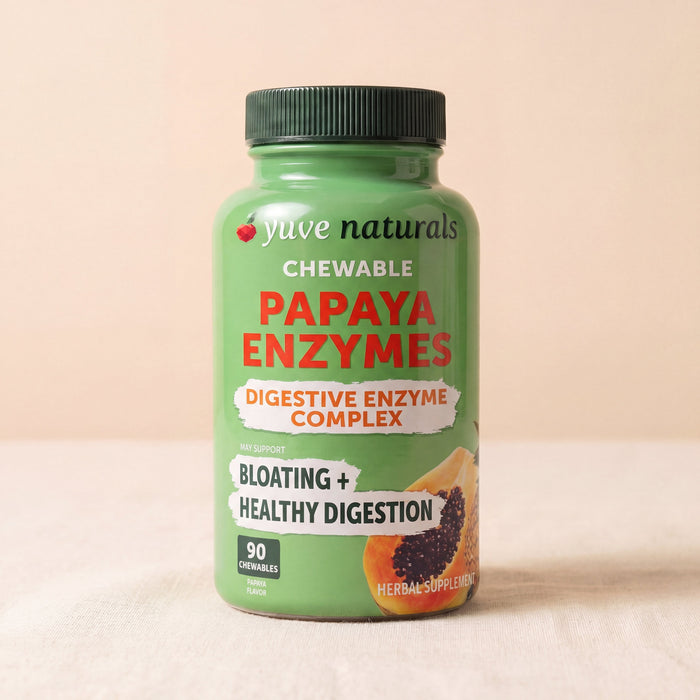
That’s why we believe supplements aren't an optional extra; they're a smart, proactive step to feel great and enjoy food without discomfort. For example, before enjoying pizza night, a high-quality enzyme supplement can be a complete game-changer. That's exactly why we created Yuve's Papaya Enzymes-to support daily digestion and help your body break down food more effectively. Taking this step isn't just about managing symptoms-it's about empowering yourself to enjoy life.
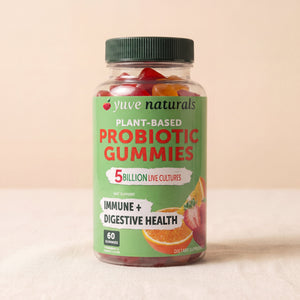
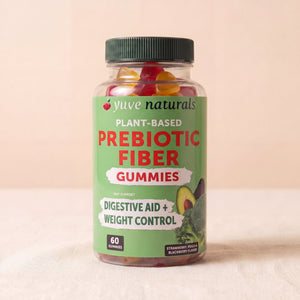
Ready to give your gut the comprehensive support it deserves? Explore Yuve’s plant-based digestive wellness solutions and discover how our targeted formulas can help you feel your best from the inside out. Take the next step on your path to digestive freedom today. We’d also love to hear from you-share your own gut-health journey in the comments below