Ever feel like your stomach inflates like a balloon by afternoon? Or maybe it's the achy joints and that general feeling of being... off. You’re not alone-and it’s not just in your head. That stubborn, low-grade inflammation can be a real drag, and it’s often tied to the foods we eat every day. But here's the empowering news: you can fight back, starting right in your kitchen.
This isn't just another generic list. We're giving you a comprehensive, yet simple, guide to the best anti-inflammatory foods. We’ll dive into a categorized anti inflammatory foods list covering everything from vibrant fruits and leafy greens to powerful herbs and healthy fats. You'll learn exactly why these foods work, thanks to easy-to-understand science, and get practical tips on how to incorporate them into your daily routine.
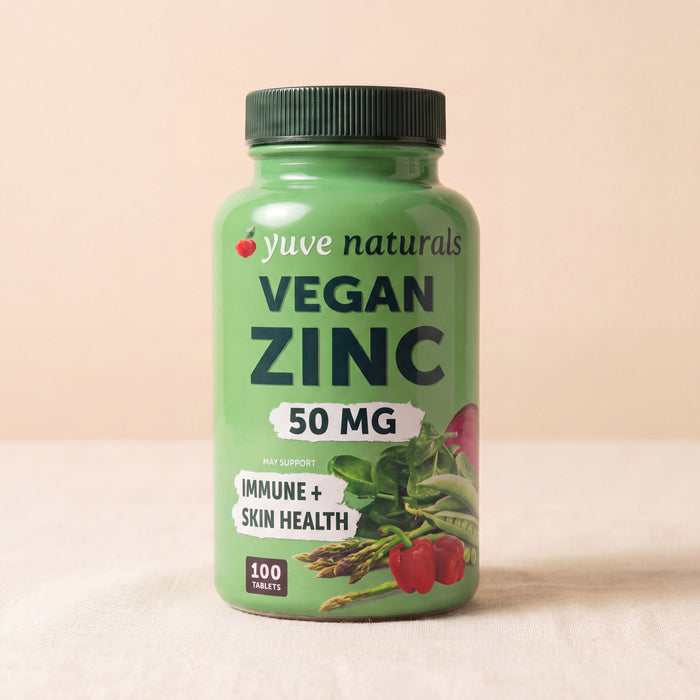
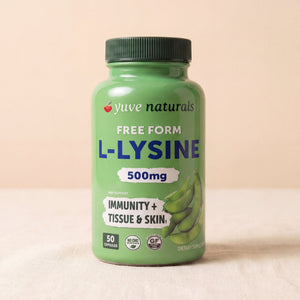
We get how frustrating it can be to navigate digestive discomfort. I’ve personally struggled with bloating that made me want to hide, so I know how crucial it is to find solutions that actually work. Our promise is simple: by the end of this article, you will have a clear, actionable plan to reduce inflammation and feel more comfortable in your own skin. We'll also show you how simple, targeted support-like adding Yuve's vegan supplements to your daily routine-can make this journey even more effective. Let's start building a diet that helps you feel vibrant, energized, and finally at ease.
1. Fatty Fish (Salmon, Mackerel, Sardines)
When it comes to building an anti inflammatory foods list, fatty fish are true powerhouses. Their benefits come from their high concentration of long-chain omega-3 fatty acids, specifically eicosapentaenoic acid (EPA) and docosahexaenoic acid (DHA). Your body can convert these potent fats into compounds called resolvins and protectins, which are instrumental in actively resolving inflammation. Unlike some remedies that just mask symptoms, omega-3s work at a cellular level to calm the body’s inflammatory response.

This isn't just theory- it's backed by strong evidence. For instance, studies on individuals with metabolic syndrome who consumed salmon regularly showed significant reductions in key inflammatory markers like C-reactive protein (CRP). Similarly, populations in regions like the Mediterranean and Japan, known for their high intake of sardines and mackerel, consistently exhibit lower rates of inflammatory conditions, including heart disease and arthritis.
How to Add Fatty Fish to Your Diet
Incorporating fatty fish is simple and delicious. Here’s how to get the most out of every serving:
- Aim for Consistency: Target two to three 4-ounce servings per week to consistently supply your body with EPA and DHA.
- Choose Wisely: Opt for wild-caught salmon when possible, as it typically has a better fatty acid profile. Smaller fish like sardines are not only cost-effective but also lower in mercury.
- Cook for Health: Preserve the delicate omega-3s by baking, grilling, or steaming your fish. High-heat frying can damage these beneficial fats.
- Look for Sustainability: Choose products with the Marine Stewardship Council (MSC) blue fish label to support healthy oceans.
- Boost with Flavor: Pair fish with other anti-inflammatory ingredients like a squeeze of lemon juice, fresh dill, or a side of steamed leafy greens for a synergistic effect.
2. Berries (Blueberries, Strawberries, Raspberries)
When you're searching for an anti inflammatory foods list, berries are vibrant, delicious, and incredibly effective. Their power lies in a class of antioxidants called anthocyanins, the compounds responsible for their rich red, blue, and purple hues. These potent polyphenols help your body neutralize free radicals and directly signal pathways to reduce inflammation, making them a crucial part of a health-focused diet. They don't just add flavor- they actively protect your cells from stress.

This cellular-level benefit is well-documented. A Boston University study, for example, highlighted that regular blueberry consumption can improve vascular function and reduce stiffness in arteries, a key marker of underlying inflammation. Other clinical trials have shown that daily berry intake can lead to a significant decrease in inflammatory markers like C-reactive protein (CRP). Longevity researchers like Dr. David Sinclair and nutrition experts from Harvard often emphasize the role of these polyphenol-rich foods in combating age-related chronic diseases.
How to Add Berries to Your Diet
Making berries a daily habit is easy and rewarding. Here’s how to maximize their anti-inflammatory benefits:
- Aim for a Daily Dose: Try to incorporate one to two cups of mixed berries into your diet each day for an optimal supply of anthocyanins.
- Embrace Frozen Options: Frozen berries are an excellent choice, especially out of season. They are flash-frozen at peak ripeness, locking in their nutrients and making them a convenient, year-round option.
- Consider Organic: Berries, particularly strawberries, often appear on the "Dirty Dozen" list for pesticide residue. Choosing organic can help minimize your exposure.
- Mix It Up: Different berries offer a unique profile of polyphenols. Combine blueberries, raspberries, strawberries, and blackberries to get the widest range of benefits.
- Gentle Preparation is Key: Enjoy berries fresh to preserve their delicate compounds. If you cook them, use low heat for a short time, as excessive heat can degrade their valuable antioxidants. Add them to oatmeal, yogurt, or smoothies at the end of the process.
3. Extra Virgin Olive Oil
A cornerstone of the Mediterranean diet, extra virgin olive oil (EVOO) is a fundamental part of any serious anti inflammatory foods list. Its power lies in a unique compound called oleocanthal, which has a remarkable ability to block the same inflammatory pathways as non-steroidal anti-inflammatory drugs (NSAIDs) like ibuprofen. This natural phenolic compound, along with other potent antioxidants like oleuropein, works to reduce inflammation at a systemic level, protecting cells from oxidative stress and calming the body's inflammatory signaling.

The scientific backing for olive oil is extensive. The landmark PREDIMED study, a large-scale clinical trial, showed that a Mediterranean diet supplemented with extra virgin olive oil reduced the risk of major cardiovascular events by about 30%. This is largely attributed to its ability to lower inflammation markers associated with heart disease. Furthermore, research has consistently shown that populations with high EVOO consumption exhibit lower rates of chronic inflammatory diseases, reinforcing its role as a key dietary component for long-term health.
How to Add Extra Virgin Olive Oil to Your Diet
Maximizing the benefits of EVOO is about choosing the right product and using it correctly. Here’s how to make it a daily habit:
- Aim for Consistency: Incorporate two to three tablespoons (30-45 ml) daily. This amount has been linked to significant anti-inflammatory benefits in clinical studies.
- Choose Wisely: Always opt for 'extra virgin' olive oil. Look for a harvest date on the bottle and choose one harvested within the last year for the highest polyphenol content. Early harvest oils, often from autumn production, are typically richest in oleocanthal.
- Store for Potency: Protect your oil from its enemies: light, heat, and air. Store it in a dark glass bottle in a cool, dark pantry- not next to the stove.
- Use for Flavor and Health: EVOO is perfect for salad dressings, drizzling over roasted vegetables, or as a finishing oil for soups and pasta. It's also safe for low-to-medium heat cooking.
- Source with Confidence: Look for reputable producers from regions like Italy, Spain, and Greece. Certifications like PDO (Protected Designation of Origin) can indicate high quality.
4. Leafy Green Vegetables (Spinach, Kale, Swiss Chard)
No credible anti inflammatory foods list would be complete without a major focus on leafy green vegetables. These nutritional giants, including spinach, kale, and Swiss chard, are loaded with antioxidants, vitamins, and minerals that directly combat inflammation. Their power comes from a rich supply of compounds like vitamin K, magnesium, and various phytochemicals such as carotenoids and flavonoids. These components work together to protect cells from oxidative stress, a key driver of chronic inflammation throughout the body.
The science supporting leafy greens is compelling and consistent. For example, research has demonstrated that higher vitamin K intake, abundant in greens, is linked to lower levels of inflammatory markers in the blood. Moreover, population studies often show that individuals who consume greens daily have better cardiovascular health outcomes and reduced risk for inflammatory-related conditions. This isn't just about one magic nutrient; it's the synergistic effect of the entire plant that provides a powerful, calming effect on your system.
How to Add Leafy Green Vegetables to Your Diet
Making leafy greens a daily habit is one of the easiest and most impactful dietary changes you can make. Here’s how to do it effectively:
- Aim for Daily Intake: Try to include one to two cups of leafy greens in your diet every day. This can be one large salad or a cup of cooked greens.
- Boost Nutrient Absorption: Many vitamins in greens (like K and A) are fat-soluble. Always pair them with a healthy fat source like olive oil dressing, avocado, or a handful of nuts to maximize absorption.
- Cook Smart: Lightly steaming or sautéing greens like spinach can make their nutrients more available and reduce oxalates. For kale, massaging it with a bit of lemon juice and olive oil can soften its texture and reduce bitterness for raw salads.
- Incorporate Creatively: Blend a handful of spinach into your morning smoothie (you won’t taste it!), wilt it into soups and stews, or use large Swiss chard leaves as a wrap instead of a tortilla.
- Store for Freshness: Keep your greens fresh longer by storing them in a plastic bag with a damp paper towel in the crisper drawer of your refrigerator.
5. Turmeric and Ginger (Curcumin & Gingerol)
In the world of functional spices, turmeric and ginger are royalty on any anti inflammatory foods list. These vibrant roots, staples in Ayurvedic and Traditional Chinese Medicine for centuries, owe their power to unique bioactive compounds. Turmeric contains curcumin, while ginger is rich in gingerol and shogaol. These potent substances work by inhibiting key inflammatory pathways in the body, such as NF-κB and COX enzymes, which are central to the body's inflammatory signaling process.
The evidence supporting their benefits is compelling. A landmark study published in the Journal of Medicinal Food found that curcumin was as effective as ibuprofen in managing pain for patients with knee osteoarthritis. Similarly, research shows ginger can significantly reduce exercise-induced muscle soreness and joint pain. This is why populations that traditionally consume high amounts of these spices, such as in India, have historically lower rates of chronic inflammatory conditions like arthritis.
How to Add Turmeric and Ginger to Your Diet
Unlocking the benefits of these spices is all about consistent use and smart preparation. Here’s how to make them a daily habit:
- Aim for a Daily Dose: Target about 0.5 to 1 teaspoon of ground turmeric and 1 to 2 grams of fresh ginger (roughly a 1-inch piece, grated) per day.
- Boost Absorption: Curcumin isn't easily absorbed on its own. Always pair turmeric with a pinch of black pepper, which contains piperine, and a source of healthy fat (like coconut oil or avocado) to dramatically increase its bioavailability.
- Combine for Synergy: Use turmeric and ginger together in dishes like curries, soups, and stir-fries. They also make a fantastic, soothing tea when steeped in hot water with a squeeze of lemon.
- Smart Storage: Keep fresh ginger in the freezer. It stays fresh longer and is much easier to grate directly into your meals while frozen.
- Create "Golden Milk": A popular and delicious way to get your daily dose is by making a "golden latte"- simply warm your favorite milk (dairy or plant-based) and whisk in turmeric, ginger, a pinch of black pepper, and a touch of cinnamon.
6. Nuts and Seeds (Almonds, Walnuts, Flaxseeds, Chia Seeds)
Often viewed as simple snacks, nuts and seeds are actually nutritional titans in the battle against inflammation. They are packed with a unique combination of anti-inflammatory compounds, including monounsaturated and polyunsaturated fats like alpha-linolenic acid (ALA), a plant-based omega-3. Their power is amplified by antioxidants, fiber, and essential minerals like magnesium, all of which work together to reduce systemic inflammation.
The evidence supporting their inclusion in an anti inflammatory foods list is compelling. For example, the landmark PREDIMED study showed that individuals who regularly consumed nuts had a significantly lower risk of cardiovascular disease, an outcome closely tied to reduced inflammation. Other studies have highlighted specific benefits- walnut consumption, for instance, has been shown to increase beneficial gut bacteria like Roseburia, which helps fortify the gut lining. Furthermore, research on flaxseeds demonstrates that their regular consumption can lower inflammatory markers like CRP by an impressive 20-30%.
How to Add Nuts and Seeds to Your Diet
Making nuts and seeds a regular part of your routine is an easy way to boost your anti-inflammatory intake. Here are some practical tips:
- Aim for a Handful: A daily serving of about one ounce is a great target. This looks like roughly 23 almonds, 14 walnut halves, or two tablespoons of chia or ground flaxseed.
- Boost Bioavailability: Grinding flaxseeds before use makes their omega-3s much more accessible to your body than eating them whole. Soaking raw nuts and seeds can also help improve their digestibility.
- Store for Freshness: The healthy fats in nuts and seeds are delicate. Keep them in a cool, dark place or in the refrigerator to prevent them from going rancid.
- Sprinkle Liberally: Add them to oatmeal, smoothie bowls, salads, and yogurt for an easy crunch and nutritional boost.
- Make Your Own: Create homemade nut butters to control ingredients and avoid added sugars or unhealthy oils commonly found in store-bought versions.
- Combine and Conquer: Pair walnuts or almonds with other anti-inflammatory powerhouses like berries and leafy greens in a salad for a synergistic effect.
7. Cruciferous Vegetables (Broccoli, Cauliflower, Brussels Sprouts, Cabbage)
The cruciferous family of vegetables- including broccoli, cauliflower, and Brussels sprouts- holds a well-deserved spot on any anti inflammatory foods list. Their unique power comes from compounds called glucosinolates. When you chop or chew these vegetables, glucosinolates convert into a highly potent compound called sulforaphane, which fights inflammation at a deep, cellular level. Sulforaphane activates the body's own antioxidant pathways (like Nrf2), helping to neutralize free radicals and calm systemic inflammation before it can cause widespread damage.
Scientific evidence strongly supports these benefits. Research published in the Journal of Nutrition found that a diet rich in cruciferous vegetables significantly lowered key inflammatory markers like interleukin-6 (IL-6). Furthermore, studies focusing on sulforaphane, particularly from broccoli sprouts, have shown it can reduce the expression of inflammatory genes, offering a powerful dietary tool for managing conditions rooted in chronic inflammation. This biochemical action is why populations with high intakes of these vegetables often show lower rates of certain inflammatory-driven diseases.
How to Add Cruciferous Vegetables to Your Diet
Unlocking the anti-inflammatory potential of these vegetables is easy. Here are some simple, effective tips:
- Chop and Wait: To maximize sulforaphane production, chop or mince your broccoli, cabbage, or cauliflower and let it sit for about 10-15 minutes before cooking. This gives the enzyme myrosinase time to work its magic.
- Cook Gently: Preserve the delicate compounds by steaming for just 3-5 minutes or stir-frying lightly. Boiling can destroy a significant portion of the beneficial glucosinolates.
- Eat Raw and Paired: Enjoying raw broccoli or cauliflower in salads is great. To boost sulforaphane conversion, pair them with a food rich in myrosinase, such as a sprinkle of mustard seed or a dab of wasabi.
- Grow Your Own Sprouts: Broccoli sprouts contain up to 100 times more sulforaphane than mature broccoli. Growing them at home is simple and ensures you have a potent anti-inflammatory garnish for salads and sandwiches.
- Aim for Regular Intake: Incorporate at least one cup of cruciferous vegetables into your meals three to four times a week to consistently support your body's anti-inflammatory defenses.
8. Tomatoes and Lycopene-Rich Foods
Often celebrated for their vibrant color and culinary versatility, tomatoes earn a prominent spot on any anti inflammatory foods list. Their primary anti-inflammatory compound is lycopene, a powerful carotenoid antioxidant responsible for their red hue. Lycopene works by neutralizing free radicals and reducing oxidative stress, which in turn helps lower the production of pro-inflammatory cytokines in the body. It essentially helps calm the inflammatory pathways that can contribute to chronic disease.
The benefits of tomato consumption are well-documented. For example, large-scale population studies, particularly those examining the Mediterranean diet, consistently link high tomato intake to lower rates of inflammatory-driven conditions. One notable review suggested that regular consumption of tomatoes and tomato products could reduce the risk of cardiovascular disease by nearly 30%. Interestingly, research has also shown that processed tomato products like paste and sauce can reduce key inflammatory markers, as the heating process breaks down cell walls, making the lycopene more bioavailable for your body to absorb.
How to Add Tomatoes to Your Diet
Maximizing the benefits of tomatoes is easy and can be done in many delicious ways. Here’s how to make them a staple in your routine:
- Embrace Both Fresh and Cooked: Aim for 1-2 servings daily. Use fresh tomatoes in salads and sandwiches, and cooked versions in sauces and stews to get a full spectrum of nutrients.
- Heat for Health: To boost lycopene absorption, choose processed tomato products like sauce, paste, or canned tomatoes. The cooking process makes the antioxidant more accessible.
- Pair with Healthy Fats: Lycopene is fat-soluble. Drizzling tomatoes with olive oil or pairing them with avocado significantly enhances your body's ability to absorb this key nutrient.
- Choose Packaging Wisely: When buying canned tomatoes, opt for those in glass jars or BPA-free cans to avoid potential exposure to chemicals.
- Create a Synergistic Plate: Combine tomatoes with other anti-inflammatory powerhouses like leafy greens, cruciferous vegetables (like broccoli), and herbs for a compounded benefit.
9. Green Tea and Polyphenol-Rich Beverages
Few beverages offer the profound anti-inflammatory benefits found in a simple cup of green tea. This ancient drink is a cornerstone of any comprehensive anti inflammatory foods list, primarily due to its high concentration of powerful polyphenols called catechins. The most celebrated of these is epigallocatechin-3-gallate (EGCG), a potent antioxidant that directly intervenes in the body's inflammatory pathways, helping to quiet the signals that lead to chronic inflammation.
The evidence supporting green tea is extensive and compelling. For example, studies have consistently shown that regular consumption of EGCG can significantly reduce key inflammatory markers like TNF-alpha and IL-6. This cellular-level action translates into real-world benefits, as seen in populations with high green tea intake, such as in Japan, who exhibit lower rates of cardiovascular disease and certain cancers. Research has even linked drinking three or more cups daily with a nearly 20% reduction in cardiovascular risk, underscoring its role in long-term health.
How to Add Green Tea to Your Diet
Making green tea a part of your daily ritual is simple and can be a calming moment in your day. Here’s how to maximize its benefits:
- Aim for Consistency: Drink two to three cups daily to maintain a steady supply of anti-inflammatory catechins in your system.
- Brew it Right: To preserve the delicate EGCG and avoid bitterness, use water that is hot but not boiling - around 160-180°F (70-80°C). Steep for 3-5 minutes.
- Choose Quality: Opt for high-quality, loose-leaf green teas like Japanese sencha or matcha, which tend to have higher polyphenol content than many standard tea bags.
- Boost Absorption: Add a squeeze of lemon juice. The vitamin C helps your body absorb the catechins more effectively.
- Avoid Milk: Casein, the protein in dairy milk, can bind to the catechins and may reduce their antioxidant bioavailability, so it's best to drink it plain.
10. Mushrooms (Shiitake, Oyster, Maitake, Reishi)
Long revered in Traditional Chinese Medicine, mushrooms like shiitake, oyster, and maitake are a fantastic addition to any anti inflammatory foods list. Their power lies in unique compounds, particularly beta-glucans and other polysaccharides, that actively modulate immune function. These components help balance both the innate and adaptive immune systems, calming overactive inflammatory responses without suppressing necessary immune defenses. They also contain potent antioxidants like ergothioneine, which protect cells from oxidative stress- a key driver of chronic inflammation.
The benefits of these fungi are supported by a growing body of research. For example, studies on maitake mushrooms have shown that their beta-glucans can enhance key immune cell activity. Similarly, research into reishi mushroom extracts often demonstrates a significant reduction in inflammatory markers and improvements in sleep quality and anxiety, which are closely linked to inflammation. Traditional dietary patterns, such as those in Japan with high shiitake consumption, are often associated with lower rates of inflammatory-related diseases.
How to Add Mushrooms to Your Diet
Incorporating these functional fungi is easier than you might think. Here’s how to make them a regular part of your routine:
- Aim for Consistency: Try to include 1 to 2 cups of cooked medicinal mushrooms in your meals each week.
- Cook for Bioavailability: Cooking mushrooms is crucial, as it breaks down their tough cell walls, making the beneficial polysaccharides more available for your body to absorb.
- Simmer and Steep: For dried varieties like shiitake or reishi, simmer them in water to make a nutrient-rich broth for soups or a calming tea. This process is excellent for extracting the water-soluble beta-glucans.
- Choose Accessible Varieties: Fresh shiitake and oyster mushrooms are delicious, affordable, and readily available in most grocery stores. Add them to stir-fries, omelets, and grain bowls.
- Use Extracts Wisely: Reishi is often too bitter to eat whole. It’s best consumed as a powdered extract in teas, coffees, or smoothies. Always purchase supplements from reputable suppliers to ensure quality and potency.
Top 10 Anti-Inflammatory Foods Comparison
| Item | Complexity 🔄 | Resources ⚡ | Expected Outcomes 📊⭐ | Ideal Use Cases 💡 | Key Advantages ⭐ |
|---|---|---|---|---|---|
| Fatty Fish (Salmon, Mackerel, Sardines) | Moderate 🔄 - requires cooking/meal planning (2-3x/week) | Moderate-High ⚡ - cost, refrigeration, sustainable sourcing | High ⭐📊 - reduces CRP/IL-6/TNF; lowers triglycerides; supports brain & heart | Heart health, arthritis symptom reduction, cognitive support | Bioavailable EPA/DHA; strong clinical evidence |
| Berries (Blueberries, Strawberries, Raspberries) | Low 🔄 - ready-to-eat; frozen acceptable | Low-Moderate ⚡ - seasonal cost; frozen preserves nutrients | Moderate-High ⭐📊 - high antioxidant capacity; reduce oxidative stress; support gut/cognition | Daily snacks, smoothies, anti-oxidative support | Rich anthocyanins & polyphenols; low calorie; versatile |
| Extra Virgin Olive Oil | Low 🔄 - easy to add; requires proper storage | Low-Moderate ⚡ - premium quality costs more; long shelf-life | High ⭐📊 - oleocanthal inhibits COX enzymes; reduces CVD risk (PREDIMED) | Dressings, drizzling, low-heat cooking; Mediterranean-style diets | NSAID-like oleocanthal; improves endothelial function |
| Leafy Green Vegetables (Spinach, Kale, Swiss Chard) | Low 🔄 - wash/chop; raw or cooked options | Low ⚡ - inexpensive, widely available | Moderate ⭐📊 - nutrient-dense; lowers inflammatory markers; supports vascular health | Daily salads, smoothies, sides; weight and insulin management | Very high nutrient-per-calorie (vit K, Mg); versatile |
| Turmeric & Ginger (Curcumin & Gingerol) | Moderate 🔄 - requires enhancers (piperine/fat) and consistency | Low ⚡ - inexpensive spices; supplement quality varies | High ⭐📊 - inhibits NF-κB/COX; effective for arthritis and muscle pain | Chronic inflammation, joint pain, culinary & supplement use | Potent anti-inflammatory compounds; synergistic effects |
| Nuts & Seeds (Almonds, Walnuts, Flaxseeds, Chia) | Low 🔄 - simple to consume; portion control advised | Moderate ⚡ - calorie-dense; refrigeration extends shelf-life | Moderate ⭐📊 - lowers LDL; improves gut microbiome; provides ALA omega-3 | Portable snacks, toppings, plant-based omega source | Nutrient-dense, antioxidant-rich, convenient |
| Cruciferous Vegetables (Broccoli, Cauliflower, Brussels Sprouts) | Moderate 🔄 - chop/steam to activate sulforaphane | Low ⚡ - affordable and widely available | High ⭐📊 - sulforaphane activates Nrf2; reduces inflammation and supports detox | Cancer-prevention diets, detox support, weekly servings (sprouts) | Potent sulforaphane/Nrf2 activation; anti-inflammatory/antioxidant |
| Tomatoes & Lycopene-Rich Foods | Low 🔄 - cook with fat for better absorption | Low ⚡ - fresh or processed affordable; processed often better | Moderate ⭐📊 - lycopene reduces oxidative stress; improves endothelial function | Sauces, cooked dishes for heart/prostate health; with healthy fats | High bioavailable lycopene in cooked/processed forms; versatile |
| Green Tea and Polyphenol-Rich Beverages | Low 🔄 - simple brewing routine | Low ⚡ - inexpensive; quality varies | Moderate-High ⭐📊 - EGCG reduces IL-6/TNF; supports metabolism and cognition | Daily beverage for metabolic, cognitive, and stress reduction | EGCG + L-theanine synergy; well-researched catechins |
| Mushrooms (Shiitake, Oyster, Maitake, Reishi) | Moderate 🔄 - cook or extract for beta-glucans | Moderate ⚡ - supplements can be costly; fresh available | Moderate ⭐📊 - immune-modulating; supports respiratory health and adjunct cancer care | Immune support, supportive oncology, broths/extracts | Unique beta-glucans and ergothioneine; immune modulation |
Your Next Steps to a Less Inflamed, Happier Gut
Whew, that was a lot, but hopefully, you're feeling empowered, not overwhelmed! We’ve journeyed through a vibrant anti inflammatory foods list, from the antioxidant power of berries to the potent compounds in turmeric and the omega-3s in fatty fish. Each food on this list is a tool, a building block for a less inflamed and more resilient body.
The most powerful takeaway isn't to perfectly eat every single one of these foods tomorrow. It's about recognizing the pattern: a diet rich in colorful, plant-based foods is your strongest ally against chronic inflammation. It’s about making small, sustainable swaps that add up over time.
From Information to Action: Your Simple Start
Feeling motivated but unsure where to begin? Let's break it down into manageable steps. The goal is progress, not perfection.
- Start Small, Stay Consistent: Pick just one or two items from our list to focus on this week. Maybe it’s swapping your afternoon snack for a handful of walnuts or adding a cup of spinach to your morning smoothie. Small wins build momentum.
- Focus on Addition, Not Subtraction: Instead of thinking about what you need to cut out, focus on what you can add in. This shifts the mindset from restriction to abundance. Ask yourself, “How can I add some anti-inflammatory color to this meal?”
- Listen to Your Body: This is crucial. As you introduce more fiber-rich foods like broccoli or beans, your gut might need time to adjust. Pay attention to how you feel. If you experience discomfort, try smaller portions or cooked versions of vegetables, which are often easier to digest.
This journey is deeply personal. I remember when Sam, our founder, was struggling with constant bloating and that tired, sluggish feeling. He felt like he was doing everything "right," but the discomfort persisted. His turning point came when he stopped chasing a perfect diet and started focusing on a few core principles-like adding more leafy greens and healthy fats. It wasn't an overnight fix, but those small, consistent changes were the foundation for feeling better.
Creating a Sustainable Anti-Inflammatory Lifestyle
A list of foods is a fantastic start, but a sustainable strategy is the key to long-term success. The principles we've discussed-focusing on whole foods, vibrant colors, and healthy fats-are the cornerstones of many healthy eating patterns. For a comprehensive dietary strategy that naturally emphasizes many of these foods, consider exploring a whole food plant-based approach. This framework can provide a clear roadmap for building meals that are naturally low in inflammatory triggers and high in protective nutrients.
But let's be real-life gets busy. Stress, travel, and even a celebratory meal can throw your system off balance. We know that even with the best diet, our gut sometimes needs a little extra support to manage inflammation and maintain a healthy balance of bacteria. This is where a targeted supplement becomes a core part of the solution, not just an afterthought.
Pairing the powerful foods from this list with a high-quality probiotic ensures your gut has the diverse, beneficial bacteria it needs to thrive. Think of it as reinforcing your digestive front line. It’s a proactive step that helps your system stay resilient, absorb all the wonderful nutrients you're eating, and keep inflammation in check. It's the one-two punch your gut needs to truly flourish.
Ready to take control of your gut health? The foods on this list are your foundation, and Yuve is here to provide the targeted support you need. Our Vegan Probiotic Gummies make it easy and delicious to nourish your microbiome, helping to amplify the benefits of your anti-inflammatory diet and fast-track your journey to a happier gut. Explore our products at Yuve and start building a more resilient you today.