Ever feel like your gut is just… angry? That nagging bloat, unpredictable cramping, or general discomfort can make you feel like you’re walking on eggshells with every meal. It's a frustrating feeling, and you're definitely not alone. We get it.
This constant state of alert is often your body signaling the presence of gut inflammation. In this guide, we'll walk you through the best supplements for gut inflammation, helping you understand how they work and which ones might be the right partners for your journey to a calmer, happier gut.
What Is Gut Inflammation and Why Does It Matter?
Think of your gut lining as a tightly-controlled border crossing. Its main job is to let beneficial nutrients pass into your bloodstream while blocking toxins, undigested food, and harmful microbes from getting through. But when this lining gets irritated- whether from stress, certain foods, or an imbalance in your gut bacteria- the border's security gets compromised.
This is where your immune system, ever the vigilant bodyguard, rushes to the scene to manage the threat. Its response creates inflammation. A little bit of this is normal and even helpful, but when the irritation doesn't stop, the inflammation becomes chronic. It's like a fire alarm that's constantly blaring, exhausting your system and causing those persistent symptoms.
You're not just imagining it- there's a real biological reason you feel off. The demand for solutions is so widespread that the global market for gut health supplements is projected to hit nearly $36.57 billion by 2033. You can learn more about the growing gut health market to see just how many people are looking for the same relief.
Instead of just masking symptoms like bloating or gas, our goal is to get to the root of the problem- the inflammation itself. In this guide, we'll explore how specific supplements can act as your gut's support team, working to calm this internal storm and help you find lasting relief.
1. Probiotics: The Helpful Bacteria for a Calm Gut
Think of your gut microbiome as a complex, bustling garden. To thrive, it needs plenty of beneficial plants and very few weeds. Probiotics are like the beneficial plants- the friendly bacteria that help the entire ecosystem flourish. When gut inflammation takes hold, it's often a sign that the weeds have started to take over.
Probiotics are so much more than just "good bugs." They're dynamic members of your gut community, actively working to keep things in balance. Certain strains, particularly from the Lactobacillus and Bifidobacterium families, have gained a reputation as some of the best allies against gut inflammation because of the vital roles they play.
How Probiotics Help Cool Down Inflammation
So, what exactly do these tiny powerhouses do? They tackle inflammation from a few different angles.
First, they act like guardians for your gut barrier. Your gut lining is a bit like a tightly woven fence, designed to let nutrients pass through while keeping harmful substances out. Probiotics help strengthen the connections in that fence, preventing inflammatory toxins from "leaking" out into your bloodstream- a phenomenon often called leaky gut.
They also play the role of negotiator with your immune system. A huge portion of your immune system resides in your gut, and probiotics can communicate directly with these immune cells. They essentially send signals that help dial down an overactive immune response, which is a major driver of chronic inflammation and discomfort.
Finally, they produce their own anti-inflammatory compounds. When probiotics ferment dietary fiber, they create powerful substances called short-chain fatty acids (SCFA). One of the most important SCFAs is butyrate, which is the preferred fuel source for your colon cells and has potent anti-inflammatory effects right where you need them most.
A Quick Look at the Science: A balanced microbiome is non-negotiable for a calm gut. A 2017 review in the journal Nutrients found strong evidence that probiotics can create a healthier gut environment, support the intestinal barrier, and help regulate the body's immune response- all critical factors in managing inflammation. What this means for you: A good probiotic isn't just about adding bacteria; it's about actively training your gut to be less reactive and more resilient.
The goal is simple: put more good in, and keep the bad out.
This basic principle highlights that nurturing your gut with beneficial inputs is just as important as protecting it from things that cause harm.
With so many options out there, choosing the right probiotic can seem daunting. A good place to start is by looking for products that feature well-studied strains. For a more detailed breakdown, check out our guide on the best probiotics for digestion to see which strains might be a perfect match for you. Recruiting these powerful allies is a foundational step in restoring balance and finding lasting peace with your gut.
2. Curcumin and Turmeric: The Golden Spice for Inflammation
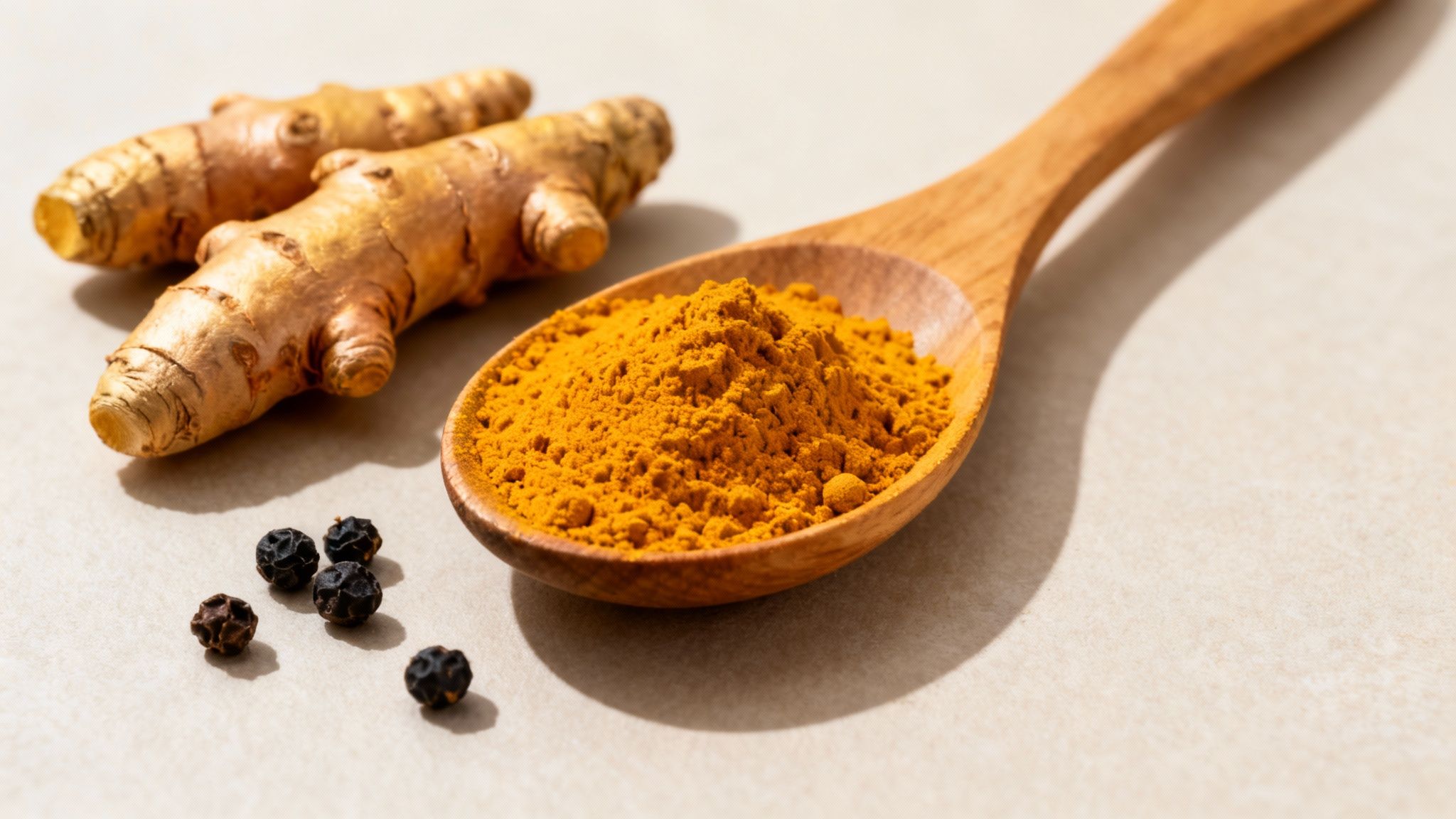
You've likely seen turmeric adding its vibrant golden color to curries, but its true power for gut health lies in its star active compound, curcumin.
Think of curcumin as a natural firefighter for your digestive system. It gets to work by directly targeting key molecules that trigger and sustain inflammation, helping to calm an overactive immune response right at the source.
This isn't about temporarily masking symptoms like bloating or cramping. Curcumin goes deeper, helping to soothe and reinforce the delicate gut lining. A calm gut lining means a much happier you.
The Catch with Curcumin: Bioavailability
Now, there's a little twist. On its own, curcumin is notoriously difficult for our bodies to absorb. Simply sprinkling turmeric on your food is a great culinary habit, but it won’t deliver the therapeutic dose needed to make a real difference. This is where the concept of bioavailability becomes absolutely critical.
To get the full benefit, curcumin needs a little help from a friend. The most common and effective partner is piperine, the active compound that gives black pepper its kick.
Why Pairing Matters: Piperine is the key that unlocks curcumin's potential. Research has shown it can boost the absorption of curcumin by an incredible 2,000%. This ensures the compound doesn't just pass through your system but actually gets into your bloodstream to reach the gut tissues where it’s needed.
When you're shopping for a curcumin supplement, it’s essential to find one formulated specifically for better absorption. Look for these ingredients on the label:
- Piperine (Black Pepper Extract): This is the classic, most well-researched way to enhance curcumin's effects.
- Liposomal Formulations: In this method, curcumin is wrapped in tiny fat bubbles (liposomes). This protective layer helps it survive the journey through the stomach and absorb more easily into your cells.
- Phytosome Technology: This technique binds curcumin to a plant-based fatty substance, which acts like a shuttle service to help it cross the intestinal wall.
Choosing a supplement with one of these enhanced formulas is the difference between simply taking curcumin and actually getting its powerful anti-inflammatory benefits. It's a crucial step in giving your gut the support it needs to truly heal.
3. Omega-3 Fatty Acids: Your Gut's Anti-Inflammatory Ally
When you hear "omega-3s," your mind probably jumps straight to heart health or brain function. And you'd be right! But these essential fats are also powerhouse players when it comes to calming an irritated gut.
If curcumin is the rapid-response firefighter, think of omega-3s as the expert construction crew that comes in afterward. They help rebuild and fortify your gut's cellular walls once the initial inflammatory flames have been put out.
We’re focusing on two specific types of omega-3s: EPA (eicosapentaenoic acid) and DHA (docosahexaenoic acid). Your body uses these fats to create some truly amazing anti-inflammatory molecules, including resolvins and protectins.
Their names give you a huge clue about what they do- they actively resolve inflammation. Instead of just putting a lid on the inflammatory process, they guide your body through the complete healing cycle, restoring balance and signaling to your immune system that the threat has passed.
How Omega-3s Build Gut Resilience
Beyond their direct anti-inflammatory work, omega-3s have a few more tricks up their sleeve for supporting your digestive system.
First off, they seem to promote a more diverse and healthy gut microbiome. A gut packed with a wide variety of beneficial bacteria is a much more resilient gut, and studies show that omega-3s help these friendly microbes thrive. A diverse bacterial community is far better at keeping pathogenic, or "bad," bacteria from taking over.
Second, these healthy fats help create an environment where your good gut bacteria can produce more of those crucial short-chain fatty acids (SCFAs) we mentioned earlier. Your gut lining depends on SCFAs like butyrate for energy, and omega-3s lay the groundwork for their production.
A strong gut barrier is your first line of defense against inflammation. Omega-3s directly contribute to the integrity of this barrier, helping to prevent the "leaky gut" that allows inflammatory particles to enter your bloodstream.
Choosing the Right Omega-3 Supplement
Getting the most out of an omega-3 supplement really comes down to picking a quality product. Here’s what you should be looking for on the label:
- High EPA and DHA content: Don't be fooled by the total "fish oil" amount. Flip the bottle over and look for the specific milligram count for EPA and DHA- these are the active ingredients doing the heavy lifting. A combined daily dose of around 1,000 mg is often a great starting point.
- Purity and Sourcing: You want a clean product. Look for brands that are third-party tested for purity and potency, ensuring they're free from heavy metals like mercury or other contaminants.
- Form: While fish oil is the most common source, you don't have to miss out if you're plant-based. Algae oil is a fantastic vegan option because it provides a direct source of both EPA and DHA. For a deeper dive, check out our guide on the best vegan sources of omega-3 fatty acids.
Adding omega-3s into your routine is a fantastic, proactive step toward building a truly resilient and calm digestive system. They don’t just cool down inflammation- they help rebuild and maintain a stronger, healthier gut for the long haul.
4. Digestive Enzymes: The Key to Reducing Irritation
Ever feel like your stomach is staging a protest right after a meal? Dun, dun, dun- unwelcome gas. Yikes! That all-too-familiar bloating can be incredibly frustrating. More often than not, it's a clear signal that undigested food is lingering a little too long, irritating your gut lining and triggering an inflammatory flare-up.
Think of digestive enzymes as your gut’s dedicated prep crew. These are powerful little proteins that act like molecular scissors, methodically breaking down fats, proteins, and carbohydrates into smaller, more absorbable pieces. When your body doesn't produce enough of these enzymes on its own, the whole digestive process slows down and becomes inefficient.
Taking the Burden Off Your Gut
Supplementing with enzymes gives your digestive system the backup it desperately needs. This isn't just about avoiding that immediate post-meal discomfort- it’s about proactively heading off inflammation at the pass.
When food is broken down properly, you drastically reduce the chances of large, irritating particles making their way into your intestines. This simple act takes a huge load off your gut, giving it a chance to rest and repair rather than constantly being on high alert.
Here are the key players you'll typically find in a quality enzyme blend:
- Amylase: Takes on the job of breaking down complex carbohydrates and starches.
- Protease: Works to dismantle proteins into their amino acid building blocks.
- Lipase: The specialist for efficiently digesting dietary fats.
- Lactase: Specifically targets lactose, the sugar found in dairy.
For our founder, Sam, dairy was always a problem. The bloating and discomfort turned something as simple as a slice of pizza into a source of anxiety. It wasn't until he started using a high-quality digestive enzyme supplement that things really changed. It helped his system finally process foods that used to cause so much irritation.
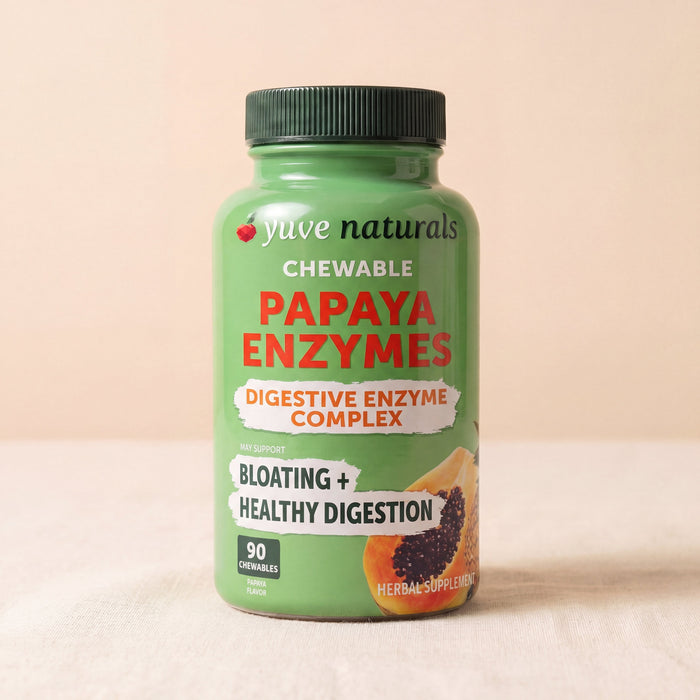
This is why a comprehensive formula like Yuve Papaya Digestive Enzymes is a smart, proactive step to feel great. It offers a wide array of enzymes to help your body handle a variety of foods with ease. Taking one before you eat supports your gut's hard work, helping you get all the nutrients from your food without the inflammatory fallout.
Of course, better digestion is fundamental to getting the most from what you eat. You can learn more about this in our guide on how to improve nutrient absorption in our detailed guide.
5. Other Key Nutrients for Gut Repair
While probiotics and enzymes get most of the attention, a few other nutrients are the unsung heroes of gut healing. Think of them as the foundational support crew- they aren't the stars of the show, but without them, the whole production falls apart. These nutrients work to rebuild, soothe, and fortify the delicate lining of your gut.
One of the most powerful is L-glutamine. This amino acid is the preferred fuel for the cells lining your intestines. When the gut lining gets damaged or "leaky," L-glutamine swoops in to provide the energy those cells need to patch things up, helping to close the gaps and restore that all-important barrier.
The Repair Crew: Building Blocks and Soothing Agents
Next on the list is Zinc. We usually associate it with the immune system, but it's absolutely non-negotiable for gut integrity. Zinc is essential for maintaining the structural strength of the gut wall. A deficiency can leave this barrier weak and vulnerable to damage and inflammation. Getting enough zinc is like ensuring the mortar holding the bricks of a wall together is strong and secure.
Beyond these basic building blocks, certain herbs offer a more direct, soothing effect.
- Deglycyrrhizinated Licorice (DGL): This special form of licorice root encourages the production of mucus in the stomach and intestines. This isn't the same mucus from a head cold- it’s a healthy, protective gel that coats irritated tissues, shielding them from stomach acid and other harsh substances.
- Slippery Elm: Just like DGL, slippery elm is prized for its high mucilage content. When it combines with water, it creates a slick, gel-like substance that coats inflamed mucous membranes. This provides immediate, soothing relief and gives the tissue a safe environment to heal.
And it doesn't stop there. Lesser-known botanicals can also play a role. For instance, exploring herbs like lemon verbena shows us that nature has a deep toolkit for digestive wellness. In fact, digging into Lemon Verbena's potent anti-inflammatory compounds reveals just how many options we have to support our gut.
A Note From Our Founder, Sam: "For years, I focused only on probiotics, but I felt like something was missing. It wasn't until I started looking at the whole picture- adding nutrients that actually repair the gut lining- that I saw a real shift. It's about giving your body all the tools it needs, not just one."
This is what a comprehensive approach is all about. You’re not just chasing symptoms- you're actively rebuilding a stronger, more resilient gut from the inside out. When you pair these supportive nutrients with a solid foundation of probiotics, enzymes, and anti-inflammatory compounds like curcumin, you create a powerful synergy that can finally put out the fire of gut inflammation.
Quick Wins & Your Gut Health Checklist
Feeling overwhelmed? Don't be. Here are a few simple, actionable steps you can take today to start your journey toward a calmer gut:
- Start with One Thing: Pick just one supplement from this list to try first. Digestive enzymes are often a great starting point for immediate relief.
- Eat Mindfully: Slow down during meals and chew your food thoroughly. This simple act gives your digestive system a huge head start.
- Hydrate Smarter: Sip water between meals, not during them. This helps avoid diluting your natural digestive juices.
- Share Your Journey: Feeling better is a small win worth celebrating! We’d love to hear what's working for you in the comments below.
Common Questions About Supplements for Gut Inflammation
Diving into the world of supplements can feel like a lot to take in, especially when you're just trying to figure out what your body actually needs. Let's break down some of the most common questions people have.
How Long Does It Take for Gut Supplements to Work?
This is probably the number one question on everyone's mind. While some people notice a difference in symptoms like bloating or discomfort in just a few weeks, deep, lasting healing is a longer game.
Think of it like renovating a house- the cosmetic fixes are quick, but strengthening the foundation takes time. For meaningful, structural changes to your gut lining and microbiome, you’re often looking at 2-3 months of consistent use. This gives your body the time it needs to truly repair and rebalance, especially when you pair supplements with healthy diet and lifestyle changes.
Is It Safe to Combine Different Gut Health Supplements?
Yes, in many cases, it is. In fact, many supplements work beautifully together. Combining something like a probiotic with a prebiotic, or an omega-3 with curcumin, can create a synergistic effect where they amplify each other's benefits.
The key is to be strategic. Introduce new supplements one at a time, giving yourself a week or two to see how your body reacts before adding something else. This way, you can pinpoint what's working and what isn't. And, as always, if you have any underlying health conditions or take prescription medications, a quick chat with your doctor is always the best first step.
Are Supplements a Magic Bullet for Gut Inflammation?
I do NOT think supplements are a magic bullet, but they are incredibly powerful tools. They work best as part of a bigger picture and are here to support your efforts, not replace them.
For the best results, supplements should be combined with an anti-inflammatory diet, smart stress management, and regular physical activity. For instance, we know the importance of addressing vitamin D deficiency because of its huge impact on the immune system. When you bring all these elements together, you’re creating the perfect environment for your gut to heal and thrive.
At Yuve, we're dedicated to making gut health straightforward and effective. Our Papaya Digestive Enzymes are crafted to help you get the most from your meals without triggering inflammation.
Click here to explore how our Digestive Enzymes can support your journey to a happier gut!