Ever feel like your stomach inflates like a balloon by afternoon? You’re not alone-and it’s not just what you ate. The secret to deflating that persistent bloat often comes down to a few simple, consistent habits: eating slowly, figuring out your trigger foods, drinking enough water, and supporting your digestion with gentle movement and the right nutrients.
In this guide, we'll walk you through the actionable steps that bring real, lasting relief, so you can finally say goodbye to that uncomfortable, puffy feeling for good.
That Inflated Feeling You Know Too Well
You know the feeling. You start the day feeling great, but by 3 PM, you're discreetly unbuttoning your pants under your desk. That tight, uncomfortable pressure in your stomach feels like it's taken over, leaving you sluggish and heavy. We’ve been there, and it’s frustrating.
This isn't just a minor inconvenience; it's a clear signal from your body that something in your digestive tract is out of sync. For so many of us, bloating is an unwelcome daily visitor that sabotages comfort and confidence. It’s rarely just about what you ate for lunch-it’s a complex dance between your food, your habits, and the unique environment inside your gut.
Why You're Not Imagining It
That sensation of being "puffy" or "full of air" is incredibly common. In fact, one major global survey revealed that nearly 18% of people deal with bloating at least once a week. The study also found that women tend to experience it about twice as often as men. It’s a real physical symptom that deserves real solutions. Learn more about the global prevalence of bloating from this study.
Often, this kind of persistent bloating is one of the first signs of an unhealthy gut that people notice. Think of it as your digestive system sending up a little flare, asking for help.
Your Roadmap to Relief Starts Here
The best part? You absolutely don't have to live with this discomfort. Finding your way to a happier gut isn't about jumping on a restrictive diet or following a complicated set of rules. It’s about getting to the "why" behind your bloating and then learning the practical "how" to fix it.
We want to give you simple, evidence-backed strategies to reduce stomach bloating for good. This is about moving past the quick, temporary fixes and building sustainable habits that help you feel light, comfortable, and in control of your digestive health, day in and day out.
Together, we’ll explore everything from pinpointing those sneaky triggers to creating a lifestyle that keeps bloating at bay. Let's get started.
Identifying the Sneaky Causes of Bloating
Before you can fix the bloat, you have to play detective. Getting to the root of that uncomfortable, pressurized feeling is the single most important step toward finding real, lasting relief. It's all about figuring out your personal triggers so you can stop the frustrating guessing game.
At its core, bloating usually boils down to two things: gas you swallow and gas your gut bacteria produce. Swallowing air happens when you chew gum, drink from a straw, or eat too fast. The more complex issue is the gas created when the bacteria in your digestive tract break down the food you eat. And dun, dun, dun-unwelcome gas. Yikes!

This simple map shows how bloating is more than a physical feeling; it's a frustrating signal from your body that also points the way toward relief. Understanding this connection is key to knowing that your discomfort is valid and solvable.
The Usual Suspects on Your Plate
Some foods are notorious for causing that puffed-up, uncomfortable feeling. It’s not that they're "bad" foods-not at all-but they can be challenging for some digestive systems.
- High-FODMAP Foods: This is a big one. FODMAPs are specific types of carbohydrates that are hard for the small intestine to absorb. When they reach the large intestine, gut bacteria have a feast, fermenting them and creating gas. Common culprits include garlic, onions, beans, and certain fruits like apples.
- Dairy: If you feel awful after a slice of cheesy pizza, you might be dealing with lactose intolerance. This just means your body doesn't make enough of an enzyme called lactase, which is essential for breaking down the sugar (lactose) in milk products.
- Artificial Sweeteners: Those sugar alcohols like sorbitol and xylitol, found in "sugar-free" snacks, can be a direct ticket to gas and bloating for many people.
Pinpointing your problem foods can feel overwhelming. Keeping a simple food journal is one of the best ways to connect the dots between what you eat and how you feel an hour or two later.
To help you get started, here's a quick-reference table that breaks down the most common triggers.
Table: Common Bloating Triggers and What to Watch For
| Trigger Category | Specific Examples | Why It Causes Bloat |
|---|---|---|
| Dietary Habits | Eating too quickly, drinking through straws, chewing gum | Swallowing excess air, which gets trapped in the digestive tract. |
| High-FODMAP Foods | Onions, garlic, beans, wheat, apples, honey | These carbs are poorly absorbed and ferment in the gut, producing gas. |
| Dairy Products | Milk, soft cheese, ice cream | Lactose intolerance means the body can't break down milk sugar, leading to gas and discomfort. |
| Carbonated Drinks | Soda, sparkling water, seltzer | The carbon dioxide bubbles can get trapped in your stomach. |
| Cruciferous Veggies | Broccoli, cauliflower, Brussels sprouts | Contain a sugar called raffinose, which can be hard to digest and produce gas. |
| Artificial Sweeteners | Sorbitol, mannitol, xylitol in "sugar-free" items | These sugar alcohols are often indigestible and can cause gas and diarrhea. |
This table isn't about creating a "do not eat" list, but rather about helping you become more aware of potential patterns.
When the System Slows Down
Sometimes, the issue isn't what you ate, but how slowly everything is moving through your system. This is where constipation becomes a major player. When you're backed up, waste sits in your colon for longer, giving it more time to ferment and produce more gas. That trapped gas has nowhere to go, creating that all-too-familiar pressure.
For our founder, Sam, this was a huge piece of the puzzle. He struggled for years with bloating and finally realized that certain "healthy" foods, like broccoli and cauliflower, were major triggers. By systematically removing and reintroducing them, he learned how to build a diet that worked for his body, not against it. That journey is why we’re so passionate about creating solutions at Yuve.
Deeper Digestive Conditions
For many people, persistent bloating is a primary symptom of a condition like Irritable Bowel Syndrome (IBS). In fact, IBS is a huge cause of bloating, affecting an estimated 11% of the global population.
A survey of over 3,400 patients revealed that more than a third waited over three years for a proper diagnosis, with 87% turning to dietary changes to manage their symptoms. It all comes back to understanding the balance within your gut. Certain foods can throw things off, and learning about their impact can be a game-changer. Take a look at your guide to the acid food chart and alkaline eating for more on that. By identifying your personal bloating triggers, you're getting to the root cause and paving the way for long-term digestive harmony.
Your Action Plan for Immediate Bloating Relief
When you're dealing with a sudden bout of bloating, you just want relief now. We've all been there. The good news is, you don't have to just ride it out. There are simple things you can do right now to ease the discomfort. Think of these tips as your emergency toolkit for when your stomach feels like an overinflated balloon.

Gentle Movement to Get Things Going
I know, moving is probably the last thing on your mind when you feel bloated. But believe it or not, light physical activity is one of the best ways to release trapped gas. We're not talking about a high-intensity workout. The key here is gentle stimulation.
A brisk 10-minute walk is often all it takes. This simple act encourages gastrointestinal motility-a fancy term for helping things move smoothly through your digestive system. Another fantastic option is stretching. For instance, gentle yoga poses like the Cat Cow Stretch can work wonders by massaging your abdominal organs and helping move trapped gas along.
The Soothing Power of Warmth
Never underestimate the simple, comforting effect of a little heat. Applying a warm compress or a hot water bottle to your abdomen can provide surprisingly quick relief. The warmth helps relax your abdominal muscles, which can trap gas when they are tense. Relaxing them allows your digestive system to work more comfortably.
Sip on a Bloat-Busting Tea
For centuries, people have turned to herbal teas for digestive woes. Brewing a warm cup of the right herbal blend can calm an angry gut surprisingly fast.
Here are a few of the best choices:
- Peppermint Tea: It's a classic for a reason. Peppermint contains menthol, which has an antispasmodic effect on the muscles in your digestive tract, calming spasms and allowing trapped gas to move along.
- Ginger Tea: Famous for its anti-inflammatory properties, ginger also helps speed up stomach emptying.
- Chamomile Tea: This gentle remedy is a powerhouse for calming inflammation and soothing an upset stomach.
Quick Tip: The warmth of the tea itself adds to the benefit. Much like a warm compress, a warm liquid on the inside helps relax and soothe your digestive system.
These immediate relief strategies are your first line of defense. They work with your body to find its balance again.
Building Long-Term Habits for a Happier Gut
Quick fixes are great, but let's be honest-you’re tired of just managing the bloat. You want to prevent it from happening in the first place. I completely get it. The real, lasting relief comes from building simple, sustainable habits that support your gut day in and day out.
This is where we shift our focus from damage control to long-term prevention. It's less about a restrictive diet and more about making mindful, gut-friendly choices.

Embrace the Art of Mindful Eating
Here's something I see all the time: how you eat is often just as important as what you eat. In our fast-paced world, it’s so easy to inhale a meal in five minutes flat. This habit is a huge cause of bloating. When you eat too quickly, you swallow a lot of excess air that gets trapped.
Here’s how to put mindful eating into practice:
- Chew Thoroughly: Try for 20-30 chews per bite. This signals your stomach to start producing the digestive juices it needs.
- Put Your Fork Down: Between bites, set your utensils down. This simple pause forces you to slow down.
- Sit and Savor: Avoid eating while standing or working. Dedicate time to your meal to allow your digestive system to focus on its job.
Build Your Plate with Gut-Friendly Foods
While we know which foods can trigger bloating, it's just as important to focus on what you can add to your diet. Building your meals around gentle, easy-to-digest foods creates a solid foundation for a happy gut.
Dietary changes are increasingly seen as the most effective first-line treatments for bloating. It’s a common issue, affecting up to 30% of the general population, often linked to conditions like IBS or specific food sensitivities.
Consider adding more of these low-bloat powerhouses to your routine:
- Soluble Fiber: Foods like oats, carrots, and berries help keep things moving smoothly.
- Lean Proteins: Chicken, fish, and tofu are generally easy for the body to break down.
- Hydrating Fruits and Veggies: Cucumber, bananas, and cantaloupe are gentle on the gut and help you stay hydrated.
Your Bloat-Free Plate Swaps
Sometimes, a tiny change on your plate can lead to a huge difference in how you feel. Here are some simple swaps you can make.
| Instead Of This (High Bloat) | Try This (Low Bloat) | Why It Works |
|---|---|---|
| Raw broccoli in a salad | Sautéed spinach or zucchini | Cooking breaks down tough fibers, making vegetables much easier for your digestive system to handle. |
| A large bowl of chili beans | A smaller portion mixed with rice | Pairing legumes with grains can lessen their gas-producing effect, and a smaller portion reduces the load. |
| Dairy milk in your coffee | Almond or oat milk | Many people have difficulty digesting lactose, the sugar in dairy, which is a major cause of gas and bloating. |
| A big, greasy burger | Grilled chicken or fish | High-fat foods can slow down digestion. Lean proteins are processed much more efficiently by your body. |
| Carbonated drinks | Flat water with lemon or mint | The carbonation in sodas introduces a lot of excess gas directly into your digestive tract. |
Listen to your body and find the swaps that work best for you. For more ideas, check out our comprehensive gut health diet plan.
Consistency Is Your Superpower
Your digestive system thrives on routine. Irregular meal times and fluctuating water intake can throw your body’s natural rhythm out of whack, leading to bloating.
Hydration is non-negotiable. Drinking plenty of water throughout the day helps prevent constipation. Sticking to a regular meal schedule also works wonders. Eating at roughly the same times each day trains your digestive system to anticipate food.
Your Secret Weapon for Food Freedom
Even with the best habits, some foods can still feel like a gamble. That slice of pizza or bowl of ice cream shouldn't come with a side of anxiety. This is where digestive enzymes can be a core part of your solution.
Many of us don't produce enough of certain enzymes to break down things like complex carbs in beans or lactose in dairy. When these go undigested, they become a feast for gas-producing gut bacteria.
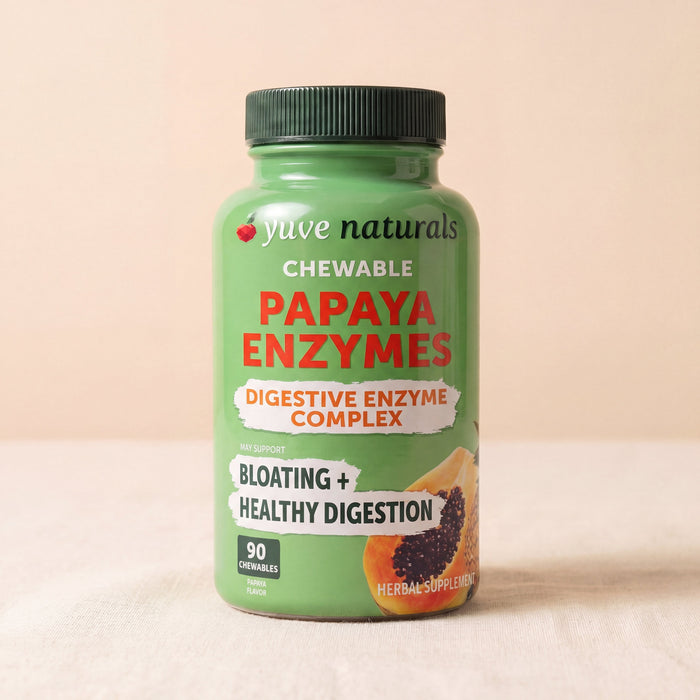
Taking a high-quality digestive enzyme before a meal can be a total game-changer. Think of it as calling in reinforcements for your digestive system. Yuve Papaya Enzymes are designed to do exactly that, providing extra support to help your body break down fats, carbs, and proteins more effectively. Popping one before a meal you know might cause trouble isn't a "fix"-it's a smart, proactive strategy. It empowers you to enjoy a wider variety of foods without paying for it later.
When Your Bloating Warrants a Doctor's Visit
We’ve covered the common, everyday causes of bloating you can likely manage yourself. But it’s just as important to know when that puffy feeling is your body's way of signaling that something more serious is going on. I want you to feel empowered, not anxious, about knowing when it's time to bring in a professional.
You are the expert on your own body. You know what your "normal" feels like. When that normal shifts dramatically, calling your doctor is always the right move. It’s not about fearing the worst; it's about being proactive.
Red Flags to Watch For
Occasional bloating after a big meal is one thing, but persistent, severe discomfort is a different story. If your bloating is hanging around and is joined by any of the following symptoms, it's time to schedule that appointment.
- Severe, persistent abdominal pain: I’m not talking about mild cramping. This is sharp, unrelenting pain.
- Unexplained weight loss: If you're shedding pounds without changing your diet or exercise routine, it needs to be checked out.
- Sudden changes in bowel habits: This could be persistent diarrhea, constipation, or seeing blood in your stool.
- Fever alongside bloating: A fever can point to an infection or inflammation.
- Nausea, vomiting, or difficulty swallowing: These can indicate a bigger issue that needs a proper diagnosis.
Remember, telling your doctor is not a sign of weakness. It's the strongest, most responsible step you can take to rule out underlying conditions like celiac disease or inflammatory bowel disease (IBD).
Getting a clear diagnosis is the only way to create a targeted treatment plan that will actually work. It’s all about getting the right answers so you can get back to feeling like yourself again.
FAQs: Your Questions About Bloating Answered
We’ve covered a lot, but you probably still have a few specific questions. That’s completely normal. Let's dig into some of the most common ones to help you feel more confident about your next steps.
How long does it take to reduce bloating?
Honestly, it depends. If you're bloated after one specific meal, you might find relief within a few hours with a short walk or some ginger tea. But for lasting relief from chronic bloating, it takes time. Most people start to notice a significant, positive change within a few weeks of making consistent efforts, like eating mindfully and pinpointing trigger foods. Be patient with yourself-progress, not perfection!
Can probiotics really help with bloating?
Yes, they definitely can, but not all probiotics are created equal. Bloating often flares up when the "bad" bacteria in your gut outnumber the "good" ones, leading to excess gas. Probiotics are the "good guys" that help bring balance back. Research from the National Institutes of Health shows that specific strains, especially Lactobacillus and Bifidobacterium, are particularly good at easing digestive distress, including bloating. This means a thoughtfully formulated probiotic can be a powerful tool for a calmer gut.
Is it normal to feel bloated after every meal?
Let's get this straight: feeling uncomfortably bloated after every single meal is not normal. There’s a world of difference between feeling pleasantly full and feeling tight, gassy, and pressurized. If you’re constantly puffing up no matter what you eat, it usually points to a few common culprits: a hidden food intolerance (like dairy or gluten), an underlying gut imbalance (like SIBO), or your eating habits (like eating too fast). Please don’t just accept this as your new normal. It’s your body asking for help.
What is the best supplement for bloating?
There’s no single "magic pill" that works for everyone. However, if your bloating is almost always tied to certain meals-like that Friday night pizza or a rich pasta dish-a targeted digestive enzyme supplement can be one of the most effective tools in your toolbox. Many of us don't produce enough of the specific enzymes needed to break down things like fats, complex carbs, or lactose. This is where a high-quality supplement is a game-changer. It’s not a band-aid; it’s about giving your body the specific tools it’s missing. By taking an enzyme right before a meal you know might cause trouble, you’re giving your digestive system the backup it needs to stop bloat before it starts.
At Yuve, we believe that feeling your best should be simple. Our plant-based supplements are designed to support your digestive health and help you enjoy food freely. If you're ready to say goodbye to bloating and hello to a happier gut, explore our range of digestive support products.