Ever feel like your stomach inflates like a balloon by afternoon? You’re not alone- and it’s not just what you ate for lunch. One day you’re fine, and the next, you’re dealing with bloating, gas, or that sluggish feeling that just won’t quit. It's a frustrating cycle, and we get it. The truth is, the key to feeling fantastic often starts from within- specifically, with the trillions of tiny microbes living in your gut.
This is where taking back control begins. We're not talking about restrictive diets or complicated rules. Instead, this guide is all about adding delicious, powerful foods to your plate that are the absolute best foods for healthy gut bacteria. We’ll dive into why they work and how to easily incorporate them into your daily routine. You'll learn the difference between prebiotics and probiotics in simple terms and discover actionable ways to make your gut happier, one meal at a time. To truly take back control of your tummy and embark on a nourishing journey, exploring more flavorful healthy eating tips can set a strong foundation. Let's get started on building a gut that works for you, not against you.
1. Fermented All-Stars: Yogurt, Kefir, Kimchi & Sauerkraut
If you've ever felt like your gut just isn't "right," fermented foods are one of the most direct ways to send in reinforcements. These foods are teeming with live beneficial microorganisms, known as probiotics, that can help populate your gut with the good guys. Think of them as tiny allies that work to restore balance in your digestive system.
The magic happens through fermentation- a process where microorganisms like bacteria and yeast break down sugars. This not only preserves the food but also creates beneficial compounds, including potent probiotic strains like Lactobacillus and Bifidobacterium, which are champions of gut health.
How to Add Fermented Foods to Your Diet
Bringing these powerhouse foods into your daily routine is easier than you think. Start small to let your system adjust, and aim for consistency over quantity.
- Yogurt & Kefir: Look for labels that say "live and active cultures." Greek yogurt is a fantastic, protein-packed option for breakfast, while tangy kefir makes a great base for smoothies.
- Kimchi & Sauerkraut: These fermented cabbage dishes are incredible sources of probiotics. Add a spoonful of kimchi to your rice bowl or pile sauerkraut on a sandwich. Important: To preserve the live cultures, add them to your meal after cooking.
- Miso: This fermented soybean paste adds a rich, savory "umami" flavor to soups and dressings. Just be sure to stir it in at the end of cooking, as high heat can kill the beneficial bacteria.
Pro Tip: When buying sauerkraut or kimchi, choose refrigerated, unpasteurized versions. The shelf-stable options have often been heat-treated, which destroys the valuable probiotics.
If you're new to this, you might wonder how these live bacteria differ from the food they need to thrive. Learn more about the powerful duo of probiotics vs. prebiotics and how they work together for ultimate gut wellness.
2. Dietary Fiber: The Feast for Your Microbes
If probiotics are the reinforcements you send into your gut, then dietary fiber is the high-quality fuel they need to thrive. Fiber is a type of carbohydrate that your body can't digest. Instead of being broken down, it travels to your large intestine, where it becomes a veritable feast for your beneficial gut bacteria. Think of it as serving your tiny gut allies their favorite meal.
This process, known as fermentation, produces incredible health-promoting compounds called short-chain fatty acids (SCFAs), most notably butyrate. Butyrate is a superstar for gut health- it nourishes the cells lining your colon, strengthens the gut barrier, and helps reduce inflammation. Essentially, by eating fiber, you are directly feeding the good microbes that protect and maintain your digestive system.

How to Add More Fiber to Your Diet
Increasing your fiber intake is a powerful step, but it's best to do it gradually to avoid any unwelcome gas or bloating. Aim for consistency and variety to get the full spectrum of benefits.
- Whole Grains: Start your day with a bowl of oatmeal or choose brown rice, quinoa, or whole-wheat pasta for your meals. These complex carbs provide a steady supply of fuel for your gut microbes.
- Legumes: Lentils, chickpeas, and beans (black, kidney, pinto) are fiber powerhouses. Add them to soups, salads, and chilis for a filling and gut-friendly boost.
- Vegetables: Don't be shy with your veggies. Broccoli, Brussels sprouts, artichokes, and leafy greens are packed with the prebiotics your gut loves. Try to eat the skin when possible, as it often contains a high concentration of fiber.
Pro Tip: Your body needs water to help fiber do its job. As you increase your fiber intake, be sure to drink plenty of water throughout the day (aim for 8+ glasses) to help keep things moving smoothly and prevent discomfort.
Understanding how to feed your microbiome is key. These high-fiber foods are the foundation for a healthy gut, creating the perfect environment to balance your gut flora and support overall wellness.
3. Garlic and Onions (Inulin and Fructooligosaccharides)
While fermented foods actively add new bacteria to your system, garlic and onions work differently- they nourish the beneficial microbes already living there. These allium vegetables are powerhouse sources of prebiotics, specifically inulin and fructooligosaccharides (FOS). Think of these as a specialized fertilizer that selectively feeds the good guys like Bifidobacterium and Lactobacillus, helping them grow stronger and multiply.
Because compounds like inulin and FOS are indigestible by our own enzymes, they travel all the way to the colon intact. There, they become a delicious feast for our microbial allies. When these microbes ferment the fiber, it can sometimes lead to- dun, dun, dun- unwelcome gas. Yikes! But that process also creates beneficial short-chain fatty acids (SCFAs) that fuel our colon cells and reduce inflammation, so it's a worthwhile trade-off.

How to Add Garlic and Onions to Your Diet
Incorporating these prebiotic all-stars into your meals is simple, as they form the flavor base for countless dishes. Remember that consistency is key to reaping the benefits for your gut bacteria.
- Go Raw or Cooked: Enjoy thin slices of raw red onion in salads and sandwiches for the most potent prebiotic punch. Cooked garlic and onions in soups, stir-fries, and sauces are also incredibly beneficial.
- Activate Allicin: To maximize garlic’s health benefits, crush or chop it and let it sit for about 10 minutes before heating. This waiting period allows for the formation of allicin, a powerful compound with antimicrobial properties.
- Aim for Regular Intake: Try to include one to two cloves of garlic in your daily cooking and add onions to your meals at least three to four times a week to consistently feed your microbiome.
Pro Tip: If you are sensitive to FODMAPs or find that garlic and onions cause bloating, start with a very small amount (like a quarter of a clove of garlic) and gradually increase your intake as your system adapts. Garlic-infused oil is also a great low-FODMAP alternative.
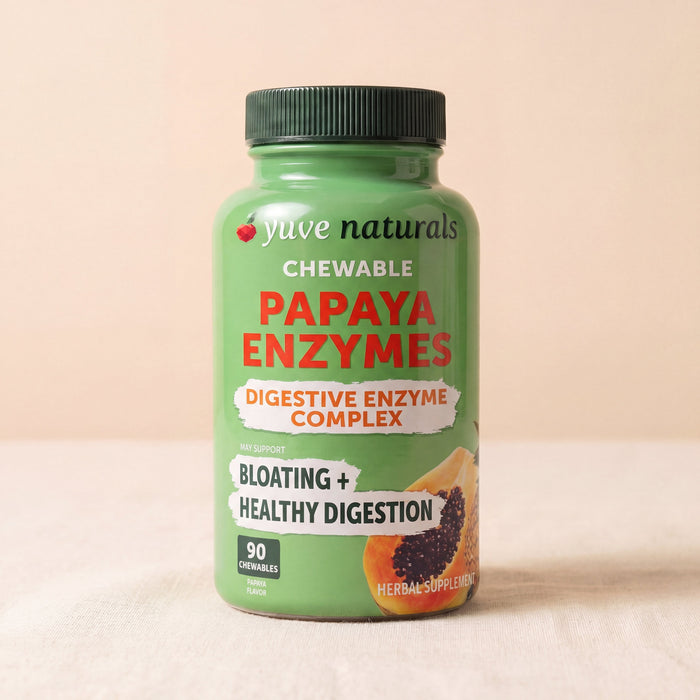
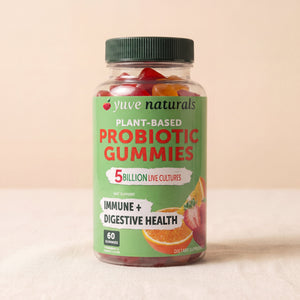
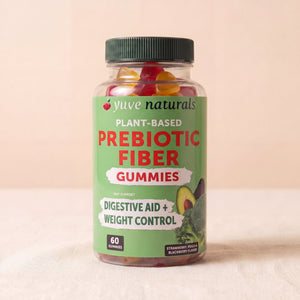
While these foods are fantastic fuel, ensuring your gut has a diverse team of bacteria to feed is just as important. Pairing prebiotic foods with a high-quality supplement like Yuve's Vegan Probiotic + Prebiotic Gummies can provide the one-two punch your gut needs- introducing beneficial strains and then giving them the perfect food to thrive on.
4. Leafy Greens (Spinach, Kale, Arugula)
While we all know leafy greens are nutritional champions, their specific benefits for gut bacteria are truly remarkable. Beyond their well-known vitamins and fiber, greens like spinach, kale, and arugula provide unique compounds that act as a five-star meal for your beneficial gut microbes, making them one of the best foods for healthy gut bacteria.
The secret lies in a specific sugar molecule called sulfoquinovose (SQ), found abundantly in these vegetables. A 2016 study published in Nature Chemical Biology revealed that beneficial bacteria use this compound as an exclusive energy source. What this means for you is that by eating your greens, you’re selectively feeding the good guys, helping them thrive and strengthen the intestinal wall. This process supports a robust gut lining and a diverse, well-fed microbiome.
How to Add Leafy Greens to Your Diet
Incorporating these gut-friendly powerhouses is simple and versatile. Aim for consistency to continually fuel your beneficial bacteria and reap the long-term rewards.
- Spinach & Arugula: These are perfect for a quick salad base or can be wilted into pasta sauces, soups, or scrambled eggs at the end of cooking. The peppery bite of arugula adds a fantastic flavor boost.
- Kale & Collard Greens: Heartier greens like kale are excellent in smoothies, sautéed with garlic and olive oil, or massaged with dressing for a tender salad. To improve digestibility, try lightly steaming or cooking them.
- Vary Your Greens: To get a wide range of phytonutrients and support different types of gut bacteria, rotate your greens. Try Swiss chard one week and dinosaur kale the next.
Pro Tip: Pair your leafy greens with a source of healthy fat, like olive oil or avocado. This not only makes them taste better but also helps your body absorb their fat-soluble vitamins (A, K, E), which are essential for overall gut health.
5. Bananas (Resistant Starch and Pectin)
Often celebrated for their potassium and convenience, bananas hide a powerful secret for gut health. They are a fantastic source of prebiotics, specifically resistant starch and pectin, which act as fuel for your beneficial gut bacteria. Think of them not just as a quick snack, but as a direct meal delivery service for the friendly microbes in your digestive system.
The magic lies in how these fibers are digested- or rather, how they aren't. Resistant starch, most abundant in slightly green bananas, passes through the small intestine undigested. It then ferments in the large intestine, where it nourishes beneficial bacteria and promotes the production of short-chain fatty acids like butyrate, which is vital for colon health and reducing inflammation.
How to Add Bananas to Your Diet
Making bananas a regular part of your gut-friendly routine is simple and delicious. The key is choosing them at the right stage of ripeness to maximize their prebiotic potential.
- Go Green-ish: For the highest concentration of resistant starch, choose bananas that are still slightly green at the ends. They are less sweet but offer the biggest prebiotic punch. Enjoy one daily as a snack or slice it over oatmeal.
- Blend into Smoothies: A slightly underripe banana adds creaminess and prebiotic fiber to any smoothie without making it overly sweet. Pair it with berries and a scoop of plant-based protein for a balanced meal.
- Try Banana Flour: This gluten-free alternative is made from green bananas and is a concentrated source of resistant starch. You can substitute it for a portion of regular flour in baking recipes or add a tablespoon to your morning smoothie.
Pro Tip: While a ripe, yellow banana has less resistant starch, its pectin content is still valuable for your gut. Don't stress about perfection; any banana is better than no banana for supporting your digestive wellness.
Bananas are one of the best foods for healthy gut bacteria because they're accessible and easy on the stomach. For an extra boost, pairing a daily banana with a comprehensive supplement like Yuve's Vegan Probiotic + Prebiotic Gummies can ensure your gut is getting both the beneficial bacteria and the fuel they need to thrive.
6. Polyphenol-Rich Foods (Berries, Dark Chocolate, Red Wine)
While probiotics introduce good bacteria and prebiotics feed them, polyphenols act like special agents that empower your existing gut microbiome. These natural plant compounds aren’t easily digested by our bodies, so they travel down to the colon where your gut bacteria metabolize them. This process not only encourages the growth of beneficial bacteria like Akkermansia and Bifidobacterium but also creates powerful anti-inflammatory byproducts that support your overall health.
Think of polyphenols as a treat for your gut microbes that pays you back with benefits. The vibrant colors in berries, the rich bitterness of dark chocolate, and the deep red of certain wines are all signs of these potent compounds at work, making them some of the best foods for healthy gut bacteria.

How to Add Polyphenol-Rich Foods to Your Diet
Incorporating these antioxidant powerhouses is both delicious and simple. A colorful plate is often a sign of a polyphenol-rich meal that your gut will thank you for.
- Berries Galore: Aim to eat a cup of fresh or frozen berries like blueberries, raspberries, or strawberries 3-5 times a week. Add them to smoothies, oatmeal, or enjoy a bowl as a snack.
- Indulge Wisely: Dark chocolate with 70% or higher cacao is an excellent source. A small square a day can satisfy a sweet tooth while feeding your gut flora. Exploring various dark chocolate options can be a delicious way to support your microbiome.
- Tea & Wine: Enjoy 2-3 cups of green or black tea daily. If you drink alcohol, a single glass of red wine can provide a dose of polyphenols, but moderation is key.
Pro Tip: Combine polyphenol sources with fiber-rich foods for a synergistic effect. A bowl of oatmeal with berries and a sprinkle of dark chocolate shavings, for example, delivers prebiotics and polyphenols together for maximum gut-health benefits.
7. Asparagus (Inulin and Glutathione)
If you're looking for a food that acts as both a feast for your good gut bacteria and a soothing balm for your digestive system, asparagus is a true standout. This spear-like vegetable is a powerhouse of prebiotic fiber and a unique antioxidant, making it one of the best foods for healthy gut bacteria and overall intestinal wellness.
Asparagus delivers a one-two punch for gut health. First, it’s rich in inulin, a type of soluble fiber that your body can't digest. Instead, it travels to your large intestine where it becomes a preferred food source for beneficial bacteria like Bifidobacterium. Second, it contains glutathione, often called the "master antioxidant," which helps protect your intestinal lining from damage and inflammation. This dual-action support strengthens both your microbiome and your gut barrier.
How to Add Asparagus to Your Diet
Adding this versatile vegetable to your meals is simple and delicious. Its mild, earthy flavor pairs well with a huge variety of dishes. Aim for about one cup (roughly 6-7 spears) a few times a week to reap its benefits.
- Roast or Grill: Toss asparagus spears with a little olive oil, salt, and pepper. Roast at 400°F (200°C) until tender-crisp. Grilling gives them a wonderful smoky flavor.
- Steam Lightly: To best preserve the delicate glutathione, lightly steam your asparagus until it's bright green and still has a slight crunch. Boiling can cause valuable nutrients to leach out into the water.
- Incorporate into Meals: Chop and add raw asparagus to salads for a fresh crunch, or toss it into stir-fries, omelets, and soups near the end of the cooking time.
Pro Tip: Pair asparagus with a source of healthy fat, like olive oil, avocado, or nuts. This helps your body better absorb its fat-soluble vitamins (like Vitamin K), enhancing its overall nutritional value.
For those moments when you're looking for an extra layer of support, combining a prebiotic-rich diet with a targeted supplement can be a game-changer. Yuve's Vegan Probiotic + Prebiotic Gummies can help ensure your gut is consistently supplied with the beneficial bacteria and the fuel they need to flourish.
8. Bone Broth (Collagen, Gelatin, Amino Acids)
While probiotics add beneficial microbes and prebiotics feed them, bone broth works differently by directly healing and sealing the gut lining itself. This nutrient-rich liquid, made from simmering bones and connective tissues, provides the raw materials your digestive tract needs to repair and strengthen its protective barrier. Think of it as providing construction materials for a healthier gut wall.
The magic comes from its unique combination of compounds. It's packed with collagen, which breaks down into gelatin during cooking, and essential amino acids like L-glutamine and glycine. These components are the building blocks for the cells lining your intestines, helping to reduce inflammation and support the integrity of the gut barrier, a concept often referred to as healing "leaky gut." A strong gut lining is crucial for keeping undigested food particles and toxins out of your bloodstream.
How to Add Bone Broth to Your Diet
Incorporating this gut-soothing liquid into your routine is both simple and comforting. The key is consistency, as the benefits accumulate over time. Aim for a cup a day to nourish your gut lining effectively.
- Sip It Straight: Warm up a mug of bone broth and sip it like tea. It's a fantastic, savory way to start your day or wind down in the evening. Season with a little salt, pepper, and herbs for extra flavor.
- Use as a Cooking Base: Swap out water or regular stock for bone broth when making soups, stews, sauces, or even when cooking grains like rice and quinoa. This is an effortless way to infuse every meal with gut-supportive nutrients.
- Source Quality Bones: For the most nutrient-dense broth, use bones from grass-fed, pasture-raised animals. You can ask your local butcher for beef, chicken, or even fish bones. Adding a splash of apple cider vinegar to the pot helps extract more minerals from the bones.
Pro Tip: Make a large batch and freeze it in ice cube trays or silicone muffin tins. This makes it incredibly convenient to pop out a few cubes to add to any meal or heat up for a quick, nourishing drink.
9. Apple Pectin and Soluble Fiber (Apples, Pears, Oats)
If you've ever heard "an apple a day keeps the doctor away," there's a good chance your gut bacteria are nodding in agreement. Apples, pears, and oats are packed with a specific type of soluble fiber called pectin, which acts as a powerful prebiotic. This means it’s a five-star meal for your beneficial gut microbes.
Unlike other fibers that ferment quickly, pectin breaks down slowly and steadily in your colon. This sustained fermentation process creates a continuous supply of short-chain fatty acids (SCFAs) like butyrate. Butyrate is the preferred fuel source for your colon cells, helping to maintain a strong, healthy gut lining and reduce inflammation. This makes pectin-rich foods some of the best foods for healthy gut bacteria, especially for cultivating important strains like Faecalibacterium.
How to Add Pectin and Soluble Fiber to Your Diet
Incorporating these gut-nourishing foods is simple and delicious. The key is to eat them in their most natural state to preserve the delicate fiber structure that your gut microbes love.
- Apples & Pears: Aim for one to two of these fruits daily. Be sure to eat the skin, as it contains a high concentration of both pectin and protective polyphenols. Raw apples, like Granny Smith or Honeycrisp, provide the most benefit, but unsweetened applesauce is also a great option.
- Oats: A warm bowl of oatmeal topped with sliced apples is a prebiotic powerhouse. Rolled or steel-cut oats are excellent choices for maximizing fiber content.
- Apple Cider Vinegar: While not a significant source of pectin itself, unpasteurized apple cider vinegar contains "the mother," a collection of beneficial bacteria and enzymes that can complement a fiber-rich diet.
Pro Tip: For the biggest impact, choose organic apples and pears whenever possible to minimize your exposure to pesticide residues on the skin. Eating them raw instead of cooked helps keep the pectin's structure intact for your gut bacteria to feast on.
While whole foods are the foundation of gut health, sometimes a targeted supplement can provide extra support. You can explore the best supplements for digestive health to see how they can complement your diet.
10. Pomegranate (High Polyphenol Ellagic Acid)
If you're looking for a gut-health superfood that works in a truly unique way, look no further than the vibrant pomegranate. Unlike probiotics that add bacteria, pomegranate acts as a powerful fuel source that helps your existing gut microbes produce something extraordinary: a potent anti-inflammatory compound called urolithin A.
The magic lies in pomegranate's rich supply of polyphenols, specifically ellagic acid and punicalagins. Our bodies can't absorb these compounds directly. Instead, they travel to our colon where specific gut bacteria metabolize them, transforming them into the beneficial urolithin A. This process not only nourishes the good bacteria responsible for the conversion but also supports a healthy gut lining and reduces inflammation.
How to Add Pomegranate to Your Diet
Incorporating this jewel-toned fruit into your meals is both delicious and simple. Aim for consistency to give your gut microbiome a steady supply of these unique polyphenols.
- Fresh Arils & Juice: Enjoy fresh pomegranate arils (the seeds) as a snack, or sprinkle them over salads, oatmeal, and yogurt. When choosing juice, look for 100% pure pomegranate juice with no added sugars.
- Eat the Whole Seed: When you eat fresh arils, you get the added benefit of fiber from the inner seed, which further supports your gut microbes.
- Powder & Molasses: Pomegranate powder can be easily blended into smoothies. Pomegranate molasses, a thick, tangy syrup, makes a fantastic glaze for roasted vegetables or a unique addition to salad dressings.
Pro Tip: To maximize the benefits, pair pomegranate with other prebiotic-rich foods. The fiber from foods like oats or leafy greens can enhance the microbial activity needed to produce urolithin A, creating a powerful synergistic effect.
While pomegranate offers incredible benefits, supporting your gut with a diverse range of fibers is key. Pairing your diet with a high-quality supplement like Yuve's Prebiotic + Probiotic Vegan Gummies ensures your gut has both the beneficial bacteria and the fuel they need to thrive.
Top 10 Gut-Friendly Foods Comparison
| Item | Implementation (🔄) | Resources / Cost (⚡) | Expected outcomes (📊 ⭐) | Ideal use cases (💡) | Key advantages (⭐) |
|---|---|---|---|---|---|
| Fermented Foods (Yogurt, Kefir, Kimchi, Sauerkraut) | Low–Medium 🔄 - simple to include but requires correct selection/storage | Low ⚡ - affordable; some need refrigeration | ⭐⭐⭐⭐ 📊 - supplies live probiotics, ↑ diversity, improved digestion | Daily probiotic input, post‑antibiotic recovery | Direct source of live cultures; enhanced nutrient bioavailability |
| Dietary Fiber (Whole Grains, Legumes, Vegetables) | Low 🔄 - dietary change, gradual increase advised | Very Low ⚡ - widely available, inexpensive | ⭐⭐⭐⭐ 📊 - ↑ SCFAs (butyrate), ↑ diversity, metabolic benefits | Long‑term metabolic health, bowel regularity, weight management | Feeds beneficial microbes broadly; reduces disease risk |
| Garlic & Onions (Inulin, FOS) | Low 🔄 - culinary addition; chopping technique matters | Very Low ⚡ - common pantry staples | ⭐⭐⭐ 📊 - selective ↑ Bifidobacterium/Lactobacillus; antimicrobial effects | Targeted prebiotic support, flavoring in meals | Targeted prebiotic (inulin/FOS); antimicrobial/allicin benefits |
| Leafy Greens (Spinach, Kale, Arugula) | Low 🔄 - easy to add; light cooking improves digestibility | Low–Medium ⚡ - seasonal/organic considerations | ⭐⭐⭐ 📊 - polyphenol metabolites, barrier support, ↑ diversity | Anti‑inflammatory diets, micronutrient boosting | Nutrient‑dense; supports intestinal barrier and microbial variety |
| Bananas (Resistant Starch, Pectin) | Very Low 🔄 - ready‑to‑eat; choose ripeness for effect | Very Low ⚡ - affordable, portable | ⭐⭐⭐ 📊 - resistant starch → butyrate, well tolerated | Portable prebiotic snack, athletes, travel | Accessible source of resistant starch and soluble fiber |
| Polyphenol‑Rich Foods (Berries, Dark Chocolate, Red Wine) | Low 🔄 - consume regularly; portion control important | Variable ⚡ - berries can be costly; tea/chocolate moderate | ⭐⭐⭐⭐ 📊 - ↑ diversity, anti‑inflammatory microbial metabolites | Metabolic, cognitive and vascular support; Mediterranean diets | Potent polyphenols metabolized into beneficial microbial compounds |
| Asparagus (Inulin, Glutathione) | Low–Medium 🔄 - best lightly cooked or raw to preserve glutathione | Medium ⚡ - seasonal/price variability | ⭐⭐⭐⭐ 📊 - strong prebiotic effect; supports detox and barrier | Boost Bifidobacterium/Faecalibacterium, barrier function | Combines inulin with glutathione for prebiotic + antioxidant effect |
| Bone Broth (Collagen, Gelatin, Amino Acids) | High 🔄 - long preparation time (12–48 h) | Medium ⚡ - requires bones/time; quality dependent on source | ⭐⭐⭐⭐ 📊 - supports gut‑lining repair, reduces permeability | Intestinal permeability, recovery, collagen support | Rich in collagen, L‑glutamine and amino acids for barrier healing |
| Apple Pectin & Soluble Fiber (Apples, Pears, Oats) | Very Low 🔄 - eat raw with skin for best effect | Very Low ⚡ - common and inexpensive | ⭐⭐⭐ 📊 - sustained butyrate release; ↑ Faecalibacterium | Regular prebiotic support, glycemic control, satiety | Sustained‑release soluble fiber ( pectin) that feeds specific microbes |
| Pomegranate (Ellagic Acid, Punicalagins) | Low–Medium 🔄 - prep/juice or arils; consume regularly | Medium–High ⚡ - can be expensive, seasonal | ⭐⭐⭐⭐ 📊 - microbial conversion → urolithin A; anti‑inflammatory | Longevity/mitochondrial support, anti‑inflammatory protocols | Unique polyphenols that produce urolithin A via gut microbiota |
Putting It All Together: Your Simple Gut-Health Action Plan
Feeling inspired? We hope so! After exploring this extensive list of the best foods for healthy gut bacteria, it's easy to feel a little overwhelmed. Yogurt, kimchi, garlic, greens, berries- where do you even begin? Let’s take a deep breath together. The goal isn't perfection; it's about making small, sustainable changes that add up to big results for your digestive wellness. You don't need to eat all ten of these food groups every single day. The real secret to a thriving gut microbiome is diversity.
Think of your gut microbes as a diverse team of tiny helpers. Each one has a different job and prefers a different type of fuel. By eating a wide variety of plant-based foods, you ensure every member of the team gets the nourishment it needs to do its job well. This variety is what builds a resilient, balanced, and robust gut ecosystem that can effectively support your digestion, immune system, and even your mood.
A Note From Sam, Yuve's Founder
"For years, I struggled with digestive issues that left me feeling drained and frustrated. Finding the right foods was a game-changer, but I learned that consistency is everything. I don’t think you need a perfect diet, but small, daily steps- like adding fermented foods or a reliable supplement- can make all the difference. That's why we created Yuve- to make that consistency easier for everyone on their own health journey."
Your Quick Wins Checklist
Let's turn this knowledge into a simple, actionable plan. Focus on making one or two small additions this week. Here’s how you can get started without the stress:
- Start with One Thing: Pick just one food from our list to focus on this week. Love berries? Add a handful to your morning oatmeal. Intrigued by kefir? Try a small glass as an afternoon snack.
- Embrace the "Swap" Method: Don't remove what you love; just make a gut-friendly swap. Could you switch your white bread for a whole-grain sourdough? Or trade your sugary afternoon snack for a handful of almonds and a few squares of dark chocolate?
- Plan for Variety: When you make your grocery list, challenge yourself to add one new vegetable or fruit. If you always buy spinach, grab some arugula or kale instead. If apples are your go-to, try a pear or some fresh pomegranate seeds. This simple habit is a powerful way to feed a wider range of beneficial bacteria.
- Listen to Your Body: We're all unique, and so are our guts. As you introduce new prebiotic-rich foods, start with small portions. A little bloating can be normal as your microbiome adjusts, but if you feel significant discomfort, ease back. This is your journey, and it should feel good.
The Bigger Picture: Why This Matters
Mastering this approach isn't just about avoiding a bloated tummy or having more regular digestion, although those are fantastic benefits. When you intentionally feed your gut with these powerful foods, you are investing in your long-term health. A balanced microbiome is linked to a stronger immune system, clearer skin, improved mental clarity, and a reduced risk of chronic inflammation. You are quite literally building a foundation for a healthier, more vibrant you from the inside out.
Every meal is an opportunity to show your gut some love. By focusing on adding more of these nutrient-dense, fiber-rich, and polyphenol-packed foods, you’re not just eating- you're actively cultivating a thriving internal garden that will support you for years to come. Be patient, be consistent, and celebrate the small wins along the way. You've got this.
Ready to give your gut the consistent, high-quality support it deserves every single day? While diversifying your diet is key, Yuve Vegan Probiotic + Prebiotic Gummies can help fill in the gaps and provide a powerful, targeted boost to your microbiome. Think of them as your daily insurance policy for a happy, balanced gut. Explore Yuve and start your journey to better digestive health today!