Dealing with diarrhea that just won't quit? It’s more than frustrating; it’s exhausting. The first 24 to 48 hours are all about damage control. Your mission, should you choose to accept it, is to hydrate your body and give your digestive system a much-needed vacation. This isn't the time for complex solutions- it's about going back to basics.
We’ve all been there- that awful, churning feeling that tells you you’re in for a rough ride. But you don't have to suffer through it without a plan. In this guide, we'll walk you through immediate steps to calm the storm, uncover the sneaky triggers behind the chaos, and build a gut-friendly lifestyle for lasting relief. We're in this together.
Your First Steps to Calm an Upset Gut
When your gut is in turmoil, the most important thing is to be gentle with it. Think of it as hitting the reset button. The good news? You can take simple, effective steps right now to start feeling better.
Prioritize Smart Hydration
The biggest risk with diarrhea isn't the stomach upset itself, but dehydration. You’re losing a ton of water and essential minerals (electrolytes) with every trip to the bathroom, which can lead to dizziness, weakness, and fatigue. Your first job is to put those fluids back in.
But what you drink matters. Steer clear of sugary sodas, coffee, and alcohol. These can actually irritate your gut further and pull more water into your intestines, making the problem worse. Yikes!
Instead, stick with these gentle options:
- Water: The gold standard. Sip it slowly and consistently- don't gulp.
- Clear Broths: Chicken or vegetable broth is perfect. It rehydrates while replenishing lost sodium.
- Diluted Fruit Juice: Try a splash of apple juice in a full glass of water. It's much easier on your system than full-strength juice.
- Electrolyte Drinks: If you have them, opt for low-sugar sports drinks or oral rehydration solutions to replace lost minerals like potassium and sodium.
Embrace the BRAT Diet
You've probably heard your grandmother recommend the BRAT diet, and for good reason- it works. This classic approach stands for Bananas, Rice, Applesauce, and Toast. Think of these foods as a soft, comforting blanket for your irritated digestive tract.
The magic of the BRAT diet is its simplicity. These foods are starchy and low in fiber, which helps bind your stool and slow things down without making your gut work hard to digest them.
This isn't a long-term nutritional plan; it's a short-term crisis intervention.
- Bananas are a superstar here because they’re packed with potassium, a key electrolyte you lose during diarrhea.
- White Rice and Toast (made from plain white bread) are simple carbohydrates that add much-needed bulk to your stool.
- Applesauce contains pectin, a soluble fiber that helps absorb excess fluid in your gut.
To make it even easier, here’s a quick-reference guide to help you navigate those first couple of days.
Your First 48-Hour Diarrhea Relief Plan
| Action | What to Do | Why It Helps |
|---|---|---|
| Hydrate | Sip water, clear broths, or low-sugar electrolyte drinks continuously. Avoid caffeine, alcohol, and sugary sodas. | Replaces lost fluids and essential minerals, preventing dehydration which can worsen symptoms. |
| Eat Bland | Stick strictly to the BRAT diet: Bananas, white Rice, Applesauce, and plain white Toast. | These low-fiber, starchy foods are easy to digest, help bind stool, and give your gut a rest. |
| Avoid Triggers | Steer clear of dairy, fatty foods, spicy foods, and high-fiber items like whole grains and raw vegetables. | These foods are hard to digest and can irritate an already inflamed gut, prolonging the diarrhea. |
| Rest | Give your body a break. Limit physical activity and get as much sleep as possible. | Rest allows your body to direct its energy toward fighting off the cause of the diarrhea and healing the digestive tract. |
This simple plan is your first line of defense. As your symptoms begin to improve, you can slowly and carefully start reintroducing other gentle foods. This initial phase is all about calming inflammation and giving your body the space it needs to recover. For more tips on managing digestive upset, check out our guide on 10 natural remedies for digestive issues.
Uncovering the Hidden Triggers Behind Your Diarrhea
If you’ve managed to calm the initial storm with bland foods and plenty of fluids, but the problem just keeps rearing its ugly head, it’s time to play detective. Persistent diarrhea is often your gut’s way of sending up a flare, signaling that something is fundamentally off. It's incredibly frustrating, I know. But figuring out what’s actually causing the chaos is your ticket to long-term relief.
Think of it this way: you’re a gut investigator now. Your mission is to pinpoint the culprits, which usually fall into a few key categories. Once you learn to spot them, you can stop just reacting to symptoms and start proactively managing your gut health for good.
Common Dietary Culprits
More often than not, the answer is sitting right on our plates. What we eat has a direct, powerful impact on our digestive system, and some foods are just notorious for causing trouble.
- Lactose Intolerance: This is a big one. It happens when your body doesn’t make enough of the enzyme lactase to break down the sugar in milk and dairy products. The result? Dun, dun, dun- unwelcome gas, bloating, and diarrhea.
- Gluten Sensitivity: For some people, gluten (the protein in wheat, barley, and rye) can set off an immune response that leads to serious digestive distress.
- Artificial Sweeteners: Those sugar alcohols like sorbitol and mannitol found in "sugar-free" gums, candies, and snacks can have a laxative effect. Your body can’t fully absorb them, so they draw water into the intestines.
- High-Fat or Spicy Foods: Rich, greasy meals and fiery, spicy dishes can speed up gut contractions, basically rushing food through your system too quickly for it to be properly digested.
These are some of the usual suspects, but your personal triggers might be completely different. That's why tuning into your body's signals is so crucial.
Beyond the Plate: Other Sneaky Triggers
It’s not always about food. Sometimes, the cause of persistent diarrhea is hiding in plain sight, disguised as part of your daily routine or even your emotional state. You have to look at the whole picture.
For instance, certain medications, especially antibiotics, can throw your gut microbiome out of whack. While they're great at killing off harmful bacteria, they often take out the good guys along with them, leaving your system vulnerable.
This reminds me of our founder, Sam. For years, he struggled with unpredictable digestive issues. He was convinced it was just something he was eating, but it turned out that high-stress periods were a massive trigger for him. He quickly learned that managing his stress was just as important as watching his diet.
That brings us to another huge, and often overlooked, factor: stress. The gut-brain connection is incredibly powerful. When you're stressed out, your body releases hormones that can seriously interfere with digestion, either slowing things down to a crawl or putting them into overdrive.
Finally, while it’s less likely to be the cause of a chronic issue, you should still be aware of infections. When you're trying to figure out what's going on, understanding different types of stomach bugs like Norovirus and Rotavirus can be helpful. These are usually short-lived, but knowing about them can help you rule out other possibilities.
Your Secret Weapon: The Food and Symptom Journal
So, how on earth do you connect all these potential dots? Your single most powerful tool is a food and symptom journal. I know it sounds a bit tedious, but trust me, it’s the best way to uncover the clues you need to solve your personal gut mystery.
Here’s a simple way to make it work for you:
- Track Everything: Get specific. Don't just write "coffee"; write down "one cup of coffee with 2 tablespoons of cream."
- Note the Time: Timing is everything. Record when you ate or drank something and exactly when your symptoms showed up.
- Record Your Symptoms: Describe how you feel. Is it cramping, bloating, a sudden sense of urgency, or watery stools? It can even help to rate the severity on a scale of 1-10.
- Include Lifestyle Factors: Did you have a stressful meeting? Take any medications? Get a terrible night’s sleep? Put it all down.
After just a week or two of this, you’ll likely start to see patterns emerge. Maybe your symptoms always flare up after your morning latte or on days with tight work deadlines. This journal isn't just a collection of data; it's your personalized roadmap to feeling better. It gives you the power to make informed changes that lead to real, lasting relief.
Building a Gut-Friendly Diet for Lasting Relief
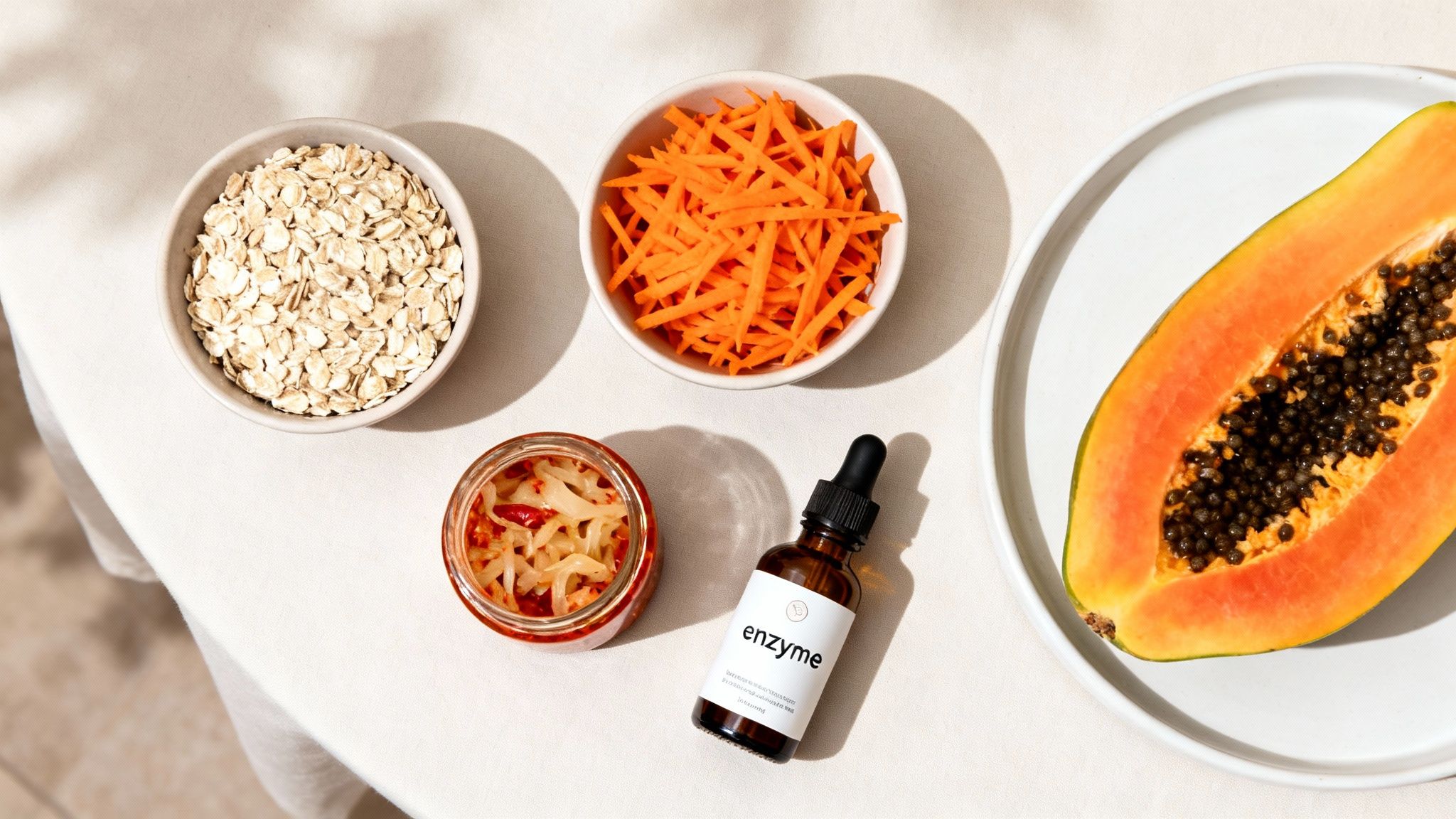
So, you've identified some likely triggers and made it through the bland-but-effective BRAT diet. What’s next? This is where we shift from quick fixes to a long-term plan for a happier gut. It’s all about building a sustainable, gut-friendly way of eating that nourishes your body without sending you scrambling for the nearest bathroom.
Reintroducing foods after a bad bout of diarrhea can feel like walking on eggshells. I get it. The fear of setting things off again is completely normal. The trick is to move slowly and listen to your body. Think of it as rebuilding a trusting relationship with food, one gentle meal at a time.
The Power of Soluble Fiber
When most people hear “fiber,” they think of roughage that pushes things through your system- the last thing you want right now. But not all fiber is created equal. The unsung hero here is soluble fiber, which works in the exact opposite way.
Soluble fiber dissolves in water and creates a gel-like substance in your digestive tract. This gel is amazing for two reasons: it slows everything down, giving your gut a chance to absorb nutrients, and it adds bulk to your stool. This helps make it more solid and less watery. For anyone struggling with persistent diarrhea, it’s a game-changer.
So, where do you find this gut-soothing magic?
- Oats: A warm bowl of oatmeal is one of the most comforting and effective ways to start the day.
- Carrots: Make sure they're cooked, as this makes them much gentler on your system.
- Barley: A great addition to soups or as a base for a hearty, gut-friendly meal.
- Apples and Bananas: These BRAT diet mainstays are still your best friends, thanks to their high pectin content (a type of soluble fiber).
- Psyllium Husk: This is a simple supplement you can mix into water or a smoothie to help give your stool more substance.
Don't try to add all of these at once. Start with one, in a small amount, and just see how you feel. The goal is steady progress, not a radical diet overhaul.
Welcoming Probiotic-Rich Foods
Your gut is an entire ecosystem, home to trillions of bacteria. Keeping the "good guys" in the majority is crucial for healthy digestion. A bout of diarrhea can wipe out a large portion of your beneficial gut flora, which can unfortunately let less friendly microbes move in.
That's where probiotic-rich foods come to the rescue. They help repopulate your gut with the helpful bacteria it needs to get back in balance. While dairy options like yogurt can sometimes be problematic, there are plenty of amazing plant-based alternatives that work wonders.
Sam’s Story: A Cautious Comeback
“After my longest stretch of gut issues, the idea of eating anything with strong flavors was terrifying,” shares our founder, Sam. “I lived on rice and bananas for weeks. My turning point was when I slowly introduced a spoonful of sauerkraut to my lunch. I was so nervous, but my body handled it. It was a small win, but it gave me the confidence to keep going, to trust my body again. Patience was everything.”
Some of the best plant-based probiotic powerhouses include:
- Sauerkraut: Look for the raw, unpasteurized kind in the refrigerated section of your grocery store.
- Kimchi: This spicy Korean staple is a flavorful way to get a dose of good bacteria.
- Kombucha: A fermented tea that’s fizzy and refreshing. Just keep an eye on the sugar content.
The world of fermented foods for digestion is surprisingly delicious. Start small- a single forkful of kimchi or a few sips of kombucha- and give your gut time to adjust.
Making the Transition Smoother with Digestive Enzymes
As you begin to branch out and reintroduce more complex foods, you might notice your digestive system struggling to keep up. It's like asking a muscle that hasn't worked out in months to suddenly run a marathon- it needs a little extra support.
This is where a high-quality digestive enzyme supplement becomes an invaluable ally. Enzymes are proteins that help your body break down fats, carbs, and proteins more efficiently. When your gut is in recovery mode, its natural enzyme production can be a bit sluggish.
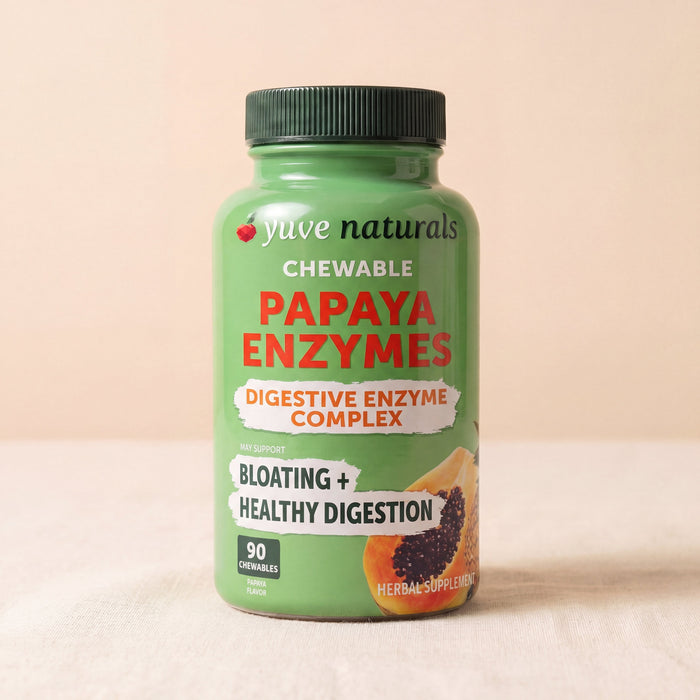
Supplementing with a gentle, plant-based enzyme bridges that gap. For instance, taking Yuve's Vegan Papaya Enzymes with your meals gives your system the proactive support it needs to process food effectively. This smart step can reduce the chance of discomfort and make the transition back to a varied diet feel much safer and more enjoyable. It's a tool that helps you enjoy food again without fear.
Why Your Gut Microbiome Is the Key to Recovery
Think of your gut as a delicate ecosystem, like a rainforest teeming with life. It's home to trillions of microorganisms- bacteria, fungi, and more- that make up your gut microbiome. When this ecosystem is balanced and diverse, your digestion works like a well-oiled machine. But a nasty bout of diarrhea can feel like a wildfire, completely disrupting that internal harmony.
A healthy, balanced microbiome is your first line of defense. It helps you break down food, absorb crucial nutrients, and even keeps opportunistic "bad" bugs from taking over. When that balance is lost, you're left wide open to digestive problems, including those unwelcome, urgent trips to the bathroom.
Prebiotics and Probiotics: The Gut's Power Couple
So, how do you get your internal ecosystem back on track? It starts by understanding two critical components: probiotics and prebiotics. People often confuse them, but they play distinct, complementary roles in your gut health.
-
Probiotics: These are the "good guys"- the beneficial, live bacteria you want to introduce into your system. Think of them as the reinforcements you call in to help repopulate your gut after it’s been compromised.
-
Prebiotics: This is the food for those good bacteria. Prebiotics are special types of fiber that your body can't digest. They travel down to your colon, where they become the perfect fuel for your friendly microbes, helping them thrive.
You really need both for a resilient gut. Sending in probiotics without prebiotics is like planting seeds in barren soil. The powerful synergy between the two is what creates lasting digestive peace.
Science Corner: What Diarrhea Actually Does to Your Gut
When you have diarrhea, your body isn't just flushing out water and waste. It’s also flushing out a significant portion of your beneficial gut bacteria. This leaves your gut lining exposed and creates an opportunity for less desirable microbes to multiply, which can easily trap you in a frustrating cycle of digestive distress.
This is why just "waiting it out" isn't always the best approach. While rehydration is the most critical first step, proactively rebuilding your microbiome is the key to long-term relief and preventing future episodes.
On a global scale, diarrhea is still a major health issue, especially for young children. But we’ve made incredible strides. A 2023 UN report revealed that deaths from diarrhea in children under five dropped by a staggering 63% between 2000 and 2021. What this means for you is that supporting the body's fundamental needs is crucial for recovery. For health-conscious adults, restoring the microbiome with a plant-based probiotic is a vital part of that supportive care. You can read the full UN IGME Child Mortality 2023 Report for more context.
Rebuilding Your Gut with the Right Strategy
This is where a targeted supplement makes a real difference. While fermented foods are great, a high-quality probiotic supplement ensures you get specific, scientifically-backed strains chosen for their ability to restore gut harmony. It’s a strategic move to reclaim your digestive health, not just a shot in the dark.
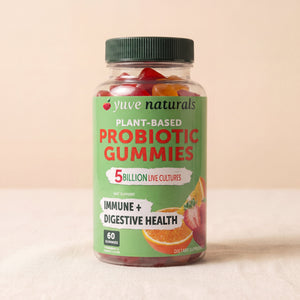
Our Yuve Vegan Probiotic & Prebiotic was formulated with exactly this in mind. We didn't just pack a capsule with random bacteria; we carefully selected strains known for their resilience and their proven ability to support a healthy gut. The prebiotic fiber we include acts like a welcome mat for the probiotics, giving them the nourishment they need to take root, multiply, and get straight to work strengthening your gut lining.
Restoring your microbiome isn't an overnight fix. It’s a process that takes consistency. Think of it like tending to a garden- you plant the good seeds (probiotics), add the right fertilizer (prebiotics), and give them time to flourish. By taking this proactive approach, you're not just trying to stop diarrhea now; you're building a stronger, more resilient digestive system for the long haul.
Choosing the right supplement can feel overwhelming, which is why we created a guide on the best probiotics for digestive health. It's designed to help you make an informed choice that fits your body's unique needs and helps you get back to feeling your best.
When to Stop Self-Treating and See a Doctor
Lifestyle adjustments and mindful eating are incredibly powerful tools, but let's be real for a moment. They aren't a cure-all. Constant diarrhea can sometimes be your body’s way of waving a big red flag, signaling a deeper issue that needs a professional eye. It’s absolutely crucial to know when to pause the home remedies and reach out to a doctor.
This is about being your own best health advocate. Knowing the difference between a temporary setback and a persistent problem empowers you to get the right diagnosis and, most importantly, the right treatment. You deserve to feel good.
Recognizing the Red Flags
It’s easy to brush things off, thinking, “It’ll get better tomorrow.” But if your “tomorrow” has turned into weeks of discomfort, it’s time to pay closer attention. These are not symptoms to ignore.
Think of these as non-negotiable signs that it's time to book an appointment:
- Blood or Mucus in Your Stool: This is a clear sign of inflammation or another issue in your intestinal tract that needs immediate investigation.
- Severe Abdominal or Rectal Pain: Mild cramping can be normal, but intense, sharp, or persistent pain is not.
- Unexplained Weight Loss: If the pounds are dropping without you trying, it could mean your body isn't absorbing nutrients properly due to an underlying condition.
- A High Fever: A fever of 102°F (38.9°C) or higher alongside diarrhea suggests a significant infection or inflammation.
- Symptoms That Don't Quit: If your diarrhea lasts for more than a couple of weeks, despite your best efforts with diet and hydration, it’s considered chronic and needs a doctor's input.
- Signs of Dehydration: This includes dark-colored urine, extreme thirst, a dry mouth, weakness, or dizziness.
If any of these sound familiar, please don't wait. When self-treatment isn't enough, considering an online doctor prescription consultation can provide timely professional advice and necessary medication.
What Your Doctor Might Investigate
When you see your doctor, they’ll become your gut detective partner. Their goal is to rule out or diagnose conditions that can cause chronic diarrhea. They'll likely ask detailed questions about your symptoms, diet, and lifestyle, so bringing that food and symptom journal you've been keeping can be incredibly helpful.
Some common underlying conditions they might explore include:
- Irritable Bowel Syndrome (IBS): A common disorder affecting the large intestine that can cause cramping, abdominal pain, bloating, gas, and diarrhea or constipation (or both).
- Inflammatory Bowel Disease (IBD): This is a broader term for chronic inflammation of the digestive tract, which includes conditions like Crohn's disease and ulcerative colitis.
- Celiac Disease: An immune reaction to eating gluten, a protein found in wheat, barley, and rye.
- Microscopic Colitis: Inflammation of the large intestine that’s so subtle it can only be seen with a microscope.
The diagnostic process might involve blood tests, stool samples, or other procedures to get a clear picture of what's happening inside your gut. Getting an accurate diagnosis is the first real step toward a targeted and effective treatment plan.
The flowchart below shows how adding probiotics can be a simple, effective step when your gut feels disrupted.
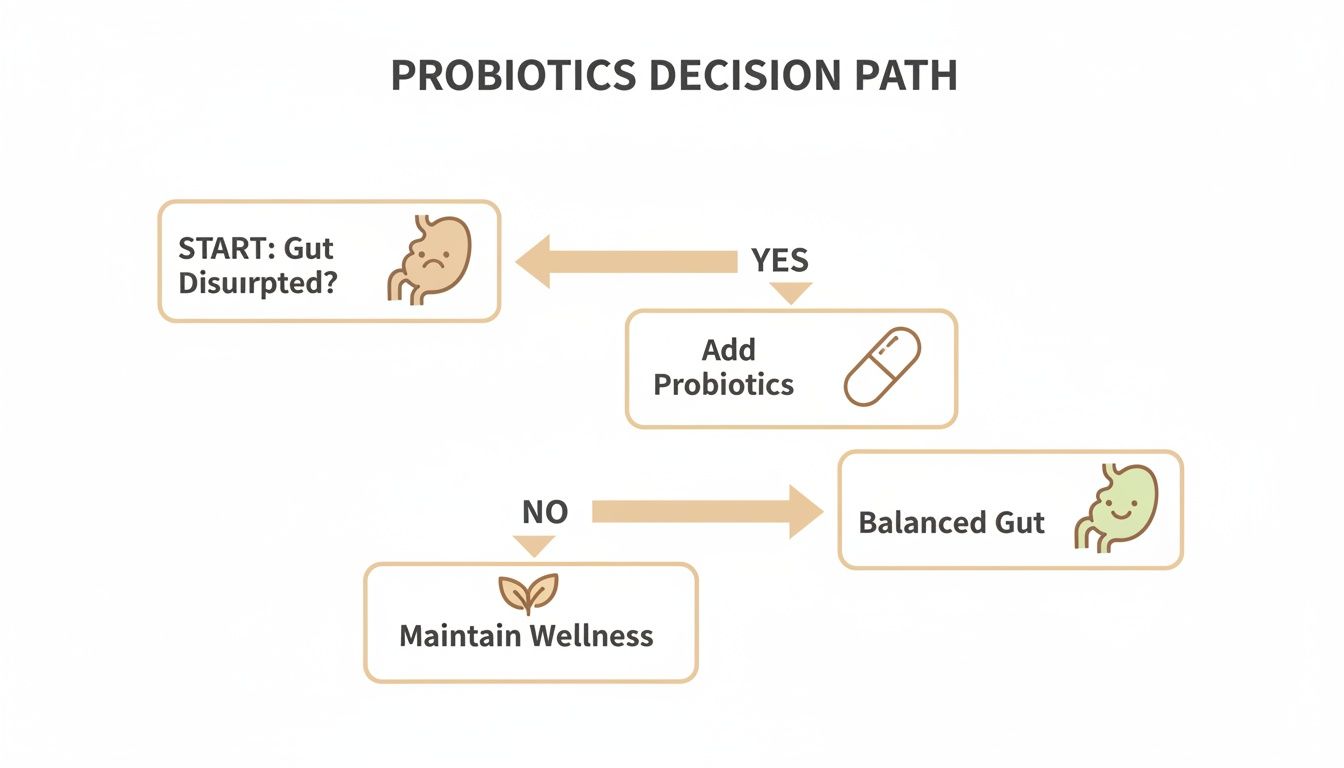
This visual guide reinforces that proactively supporting your gut's microbial balance is a key strategy for digestive wellness.
This is not just a minor issue for some. A recent study highlighted that diarrhea is a growing concern, especially among older adults. In 2021, there were over 381 million incidents globally in this group, a startling 199.41% increase since 1990. This underscores that persistent diarrhea isn’t something to just tolerate; it’s a significant health issue that often requires professional evaluation to uncover the root cause. You can read more about these public health findings on Frontiers to understand the broader context.
Your Quick Wins & Key Takeaways
Feeling overwhelmed? Don't be. Here's a simple checklist to get you started on the path to a calmer gut:
- First 48 Hours: Prioritize hydration with water and clear broths, and stick strictly to the BRAT diet (Bananas, Rice, Applesauce, Toast).
- Play Detective: Start a food and symptom journal to identify your personal triggers. Look for patterns related to food, stress, or medications.
- Rebuild Gently: Slowly reintroduce soluble fiber (like cooked carrots and oats) and probiotic-rich foods (like sauerkraut).
- Support Your System: Use a high-quality supplement like Yuve Vegan Probiotic & Prebiotic daily to consistently rebuild and maintain a healthy gut microbiome.
- Know When to Call for Help: If you experience red flags like blood in your stool, severe pain, or a high fever, see a doctor right away.
FAQ: Common Questions About Managing Diarrhea
Can stress and anxiety really cause diarrhea?
Yes, absolutely. There's a powerful connection between your mind and your digestive system, often called the gut-brain axis. When you feel stressed, your brain sends out alarm signals that can speed up contractions in your intestines. This causes food to move through too quickly, resulting in that all-too-familiar urgent, watery stool.
How long does it take for probiotics to help?
While you might notice subtle improvements within a few days, it typically takes about 2 to 4 weeks of consistent, daily use for probiotics to make a real difference. The single most important factor is consistency. Taking your probiotic every single day gives these good bacteria the reinforcement they need to thrive.
Are there vitamins or minerals that can help stop diarrhea?
Definitely. When you have diarrhea, your body is depleted of key micronutrients. Zinc is a true workhorse for gut repair, helping to strengthen the intestinal barrier. Potassium, which is lost in large amounts, is crucial for getting your energy back. Bananas are a fantastic natural source, which is why they're a cornerstone of the BRAT diet.
At Yuve, we know that a happy gut is the cornerstone of your overall well-being. We're here to support you on your journey back to balance. We'd love to hear about your small wins- share your story in the comments below