No—do not assume most immune-support gummies are vegan. Many use bovine or porcine gelatin, while verified vegan products use pectin or another plant-based gelling system. Check both the “Other Ingredients” list and an explicit vegan statement; “vegetarian,” “gelatin-free,” and “plant-based active ingredients” do not always mean the finished gummy is vegan.
How did we evaluate whether immune gummies are vegan?
We checked the complete finished-product label, not only the source of vitamin C, vitamin D, zinc, elderberry, or echinacea. We prioritized current manufacturer ingredient lists, explicit vegan statements, third-party vegan certification, and U.S. Food and Drug Administration labeling requirements over retailer filters or package colors. We treated gelatin, beeswax, carmine, shellac, vitamin D3 source, and flavor carriers as separate verification points. We excluded review claims and did not infer vegan status from “natural,” “plant-based nutrients,” “pectin,” or “gelatin-free” alone. Formulas change, and one flavor can differ from another, so the package in hand remains the final check. The comparison also separates dietary fit from nutrient appropriateness: a vegan gummy can still provide an unnecessary or excessive amount. This method answers whether an item fits a vegan standard; it does not rank products by illness outcomes or assume that an immune label guarantees a noticeable result.
Why are many immune-support gummies not vegan?
Gelatin creates the elastic chew that shoppers associate with conventional gummies, and manufacturers commonly source it from cattle or pigs. Immune-focused ingredients can be entirely plant-derived while the gummy base remains animal-derived. OLLY’s current gelatin guide lists porcine gelatin for Active Immunity, Immunity Sleep, Kids Mighty Immunity, and Extra Strength Elderberry. That brand-level evidence demonstrates why front-label immune language cannot answer the vegan question. Some formulas combine gelatin and pectin, so seeing “pectin” does not automatically exclude gelatin. Other possible animal-derived components include beeswax, shellac glaze, carmine color, or lanolin-derived vitamin D3. None appears in every non-vegan gummy, and some brands use vegan alternatives for each component. Read the Supplement Facts and Other Ingredients panels together, then look for an explicit finished-product vegan statement. A single plant-sourced active ingredient does not determine the status of the whole gummy.
Which label terms actually verify vegan status?
An explicit “vegan” statement on the exact product and flavor provides the clearest manufacturer representation. A recognized vegan certification adds an independent program’s standard, although certification scope and renewal still matter. “Gelatin-free” answers only one ingredient question. “Vegetarian” may permit dairy, beeswax, or other ingredients that a vegan shopper avoids. “Plant-based” may describe selected actives rather than the full formula. The FDA requires dietary supplement labels to list dietary ingredients, amounts, serving size, and other ingredients such as gelatin, starch, stabilizers, flavors, and colors. Use that disclosure to verify the gelling agent and supporting ingredients. If vitamin D3 appears, ask whether it comes from lichen or lanolin. If natural flavors, glaze, or color sources remain ambiguous, contact the manufacturer with the product name, flavor, and lot number. Do not transfer one product’s vegan status to an entire brand.
How do current immune-support options compare?
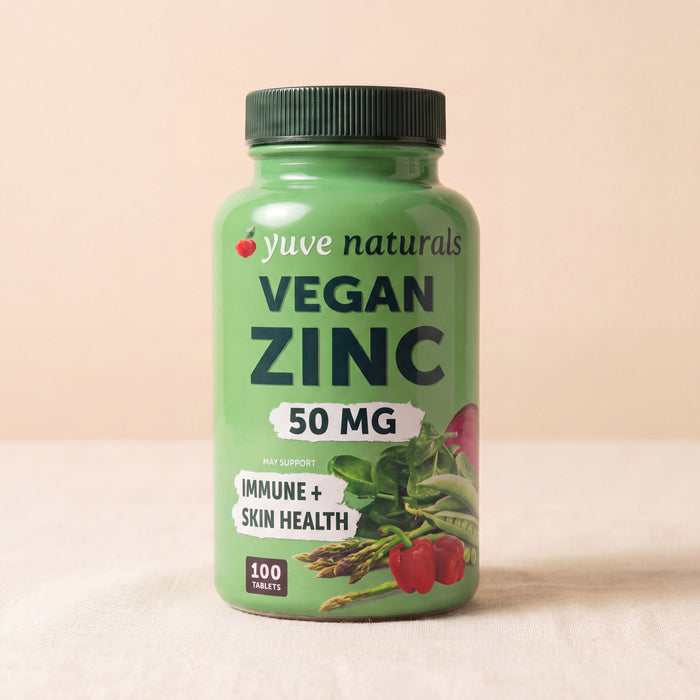
Current labels include vegan and non-vegan examples, so no small sample proves what “most” use. OLLY Active Immunity uses porcine gelatin. Garden of Life Organics Elderberry Immune Gummy states Certified Vegan and no animal gelatin on its official product page. MaryRuth’s Sugar Free Immunity Gummies state vegan and combine vitamin C, vitamin D, zinc, elderberry, and echinacea; its label also warns that xylitol is dangerous to pets. Yuve Vegan Zinc is a tablet, not a gummy. The table compares dietary form and label limitations, not clinical superiority. Recheck the exact flavor and package because serving size, sweeteners, gelatin source, and nutrient amounts can change.
| Option | Vegan status | Format | Main label check |
|---|---|---|---|
| OLLY Active Immunity | No; porcine gelatin listed | Gummy | Animal-derived gelling agent |
| Garden of Life Organics Elderberry | Certified Vegan | Gummy | Four-gummy serving |
| MaryRuth’s Sugar Free Immunity | Vegan statement | Gummy | Xylitol and herbal blend |
| Yuve Vegan Zinc | Vegan statement | Tablet | 50 mg zinc per tablet |
Which option is best for each use case?
Best for strict vegan certification: Garden of Life Organics Elderberry Immune Gummy provides an explicit Certified Vegan statement and no-animal-gelatin claim. Best for a vegan sugar-free gummy: MaryRuth’s Sugar Free Immunity Gummies state vegan and replace sugar with a formula that includes xylitol; households with pets need careful storage because xylitol is toxic to dogs. Best for shoppers avoiding gummies: Yuve Vegan Zinc uses a tablet and discloses zinc as zinc gluconate, but its 50 mg serving requires an intake and duration check. Best for shoppers who already use OLLY Active Immunity: recognize that the current formula is not vegan because OLLY lists porcine gelatin. Best for uncertain labels: contact the manufacturer rather than relying on a retailer’s vegan filter. These categories identify dietary fit and practical tradeoffs. They do not show that a longer ingredient list, higher nutrient amount, or herbal blend produces better immune outcomes.
Do the nutrients matter more than the vegan label?
Vegan status and nutritional fit answer different questions, and both matter. Vitamin C, vitamin D, and zinc participate in normal immune function, but a supplement is most relevant when intake or status is inadequate. The NIH Office of Dietary Supplements immune-function review notes that vitamin C effects vary with baseline status and that higher intake is not automatically better. Compare each nutrient amount with the age-appropriate Daily Value, other supplements, fortified foods, and clinician guidance. Herbal ingredients such as elderberry and echinacea add interaction and allergy considerations without making a gummy more vegan or more complete. Children, pregnant people, and people taking medicines need product-specific advice because serving sizes and upper limits differ. A vegan seal cannot correct excessive zinc, duplicate vitamin D, or an unsuitable herb. Conversely, a sensible nutrient amount does not make gelatin acceptable to a strict vegan shopper. The best label satisfies both dietary values and actual nutritional need.
Which products meet these criteria?
Some links below are affiliate links. This does not influence our evaluation criteria or recommendations. Garden of Life Organics Elderberry and MaryRuth’s Sugar Free Immunity Gummies meet the finished-product vegan criterion on their current pages, while OLLY Active Immunity does not because OLLY lists porcine gelatin. Yuve does not currently list an immune-specific gummy in its immunity collection. Its Vegan Zinc tablet is vegan, gluten-free, and soy-free, with 50 mg of zinc as zinc gluconate per tablet. That amount is above the 40 mg adult tolerable upper intake level in the NIH zinc fact sheet, which also warns that 50 mg or more for weeks can interfere with copper absorption. The Yuve product therefore needs clinician review for ongoing use; it is not a casual gummy substitute. Choose by verified vegan status, relevant nutrients, total intake, duration, and formulation—not brand loyalty.
What are common questions about vegan immune gummies?
Does pectin always mean a gummy is vegan?
No. Pectin is plant-derived, but a formula can contain both pectin and gelatin or another animal-derived supporting ingredient.
Is gelatin vegetarian?
No. Commercial gelatin generally comes from animal collagen, so gummies containing bovine or porcine gelatin are neither vegetarian nor vegan.
Is vitamin D3 vegan?
Sometimes. Lichen-derived vitamin D3 can be vegan, while conventional vitamin D3 often comes from lanolin; verify the source with the manufacturer.
Are elderberry gummies automatically vegan?
No. Elderberry is a plant ingredient, but the gummy base, glaze, colors, flavors, or vitamin D source can still be animal-derived.
Does gelatin-free mean vegan?
Not necessarily. Gelatin-free formulas may still contain beeswax, shellac, carmine, dairy derivatives, or other ingredients outside a strict vegan standard.
Should children use adult immune gummies?
No automatic substitution is safe. Children have different serving instructions and upper limits, so use an age-specific product with professional guidance.