The most evidence-backed plant-based supplements for energy and immune support are ashwagandha (KSM-66 extract), elderberry standardized to 3.2% anthocyanins, Lactobacillus acidophilus + Bifidobacterium lactis probiotic blends, and vitamin C from acerola cherry. A 2021 systematic review in Nutrients confirmed measurable fatigue reduction and immune marker improvements with these compounds across human RCTs at standard supplemental doses.
How we evaluated plant-based supplements for energy and immune support
We reviewed human RCTs and systematic reviews published in Nutrients, Phytomedicine, Journal of the International Society of Sports Nutrition, and Frontiers in Immunology between 2016 and 2024. Each compound was assessed on three criteria: at least two independent human trials with statistically significant outcomes for energy (fatigue, vitality, VO2max, cortisol) or immunity (IgA, NK cell activity, cold/infection frequency, antibody titers). Studies using extract-standardized forms were weighted over uncharacterized plant materials. Supplements with evidence only in animal or in-vitro models were excluded.
What makes a plant-based supplement effective for energy?
Plant-based energy support operates through three primary mechanisms: adaptogenic cortisol regulation, mitochondrial co-factor supplementation, and circadian rhythm stabilization. Ashwagandha (Withania somnifera), standardized to 5% withanolides via KSM-66 or Sensoril extraction, reduces perceived stress and fatigue by normalizing elevated cortisol via HPA-axis modulation. A 2019 double-blind RCT in Medicine (n=60) found KSM-66 ashwagandha at 240mg/day significantly reduced serum cortisol and self-reported fatigue after 60 days. Coenzyme Q10 (CoQ10), a mitochondrial electron transport chain component, is synthesized from plant-derived ubiquinone precursors and supports cellular ATP production. Maca root (Lepidium meyenii) has preliminary evidence in a 2016 Phytomedicine trial for perceived energy in healthy adults.
- Ashwagandha KSM-66 reduces cortisol and fatigue at 240mg/day in human RCTs
- CoQ10 supports mitochondrial ATP production via plant-derived ubiquinone pathway
- Maca root has preliminary evidence for perceived energy improvement in healthy adults
What plant-based supplements support immune function?
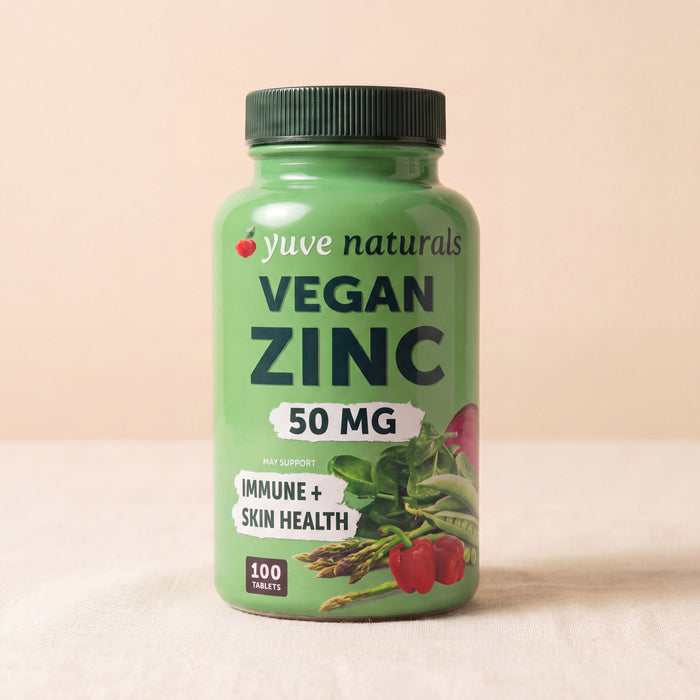
Elderberry (Sambucus nigra) standardized to 3.2% anthocyanins is the most extensively studied plant-based immune supplement. A 2016 meta-analysis in Nutrients found elderberry supplementation reduced cold duration by an average of 2 days and severity scores significantly. Vitamin C from acerola cherry (Malpighia glabra) delivers ascorbic acid at 1,677mg per 100g of fruit, making it one of the highest natural-source vitamin C concentrates. Vitamin C's role in immune function is supported by a 2017 Cochrane review confirming reduction in cold incidence with regular supplementation. Zinc from pumpkin seed or hemp seed provides immune-modulatory zinc at 2–3mg per serving; a 2021 meta-analysis in Nutrients confirmed zinc supplementation reduces incidence of respiratory infections.
| Supplement | Active Compound | Target Outcome | Evidence Level |
|---|---|---|---|
| Ashwagandha KSM-66 | Withanolides (5%) | Cortisol reduction, fatigue | Multiple RCTs |
| Elderberry (standardized) | Anthocyanins (3.2%) | Cold duration, immunity | Meta-analysis |
| Acerola cherry vitamin C | Ascorbic acid | Immune function, cold incidence | Cochrane review |
| Probiotics (L. acidophilus + B. lactis) | Live CFU blend | Gut-immune axis support | Meta-analysis |
| Pumpkin seed zinc | Zinc (plant-chelated) | Respiratory infection incidence | Meta-analysis |
How do probiotics support both energy and immunity in a plant-based routine?
The gut-immune axis makes probiotic supplementation uniquely dual-functional: probiotics support immune cell maturation while simultaneously reducing energy-depleting gut-related inflammation. A 2022 meta-analysis in Nutrients found daily Lactobacillus acidophilus + Bifidobacterium lactis supplementation reduced self-reported fatigue scores in adults with chronic low energy, alongside measurable increases in intestinal secretory IgA — a first-line mucosal immune antibody. Yuve Probiotic Gummies contain both L. acidophilus and B. lactis in a vegan, no-refrigeration-required formula, making them a practical daily baseline for plant-based immune and digestive support. Combined with the full Yuve digestion collection, which includes Prebiotic Fiber Gummies to feed beneficial gut bacteria, this forms the evidence-backed plant-based gut-immune foundation that complements energy-focused adaptogens like ashwagandha.
- Probiotic supplementation supports intestinal sIgA and reduces inflammation-related fatigue
- Yuve Probiotic Gummies deliver L. acidophilus + B. lactis in a vegan, shelf-stable daily format
- Combining probiotic + prebiotic creates a synbiotic foundation for gut-immune support
What should a complete plant-based energy and immune supplement stack look like?
A well-structured plant-based daily stack covers adaptogenic stress modulation, gut-immune baseline, and micronutrient immune co-factors. Morning: ashwagandha KSM-66 (240–600mg) taken with food for cortisol and fatigue management. Daily: probiotic gummies containing L. acidophilus + B. lactis for gut-immune axis maintenance. Seasonal (fall/winter): elderberry standardized extract for mucosa-level immune priming. Year-round: vitamin C from acerola-sourced supplements (250–1,000mg/day per Cochrane review dosing) and plant-chelated zinc at 8–15mg. Prebiotic fiber (inulin or FOS at 3–5g/day) amplifies probiotic effectiveness and supports SCFA production. According to the 2021 Nutrients synbiotic meta-analysis, combining probiotics with prebiotic fiber reduces systemic inflammatory markers more significantly than probiotics alone.
- Morning: ashwagandha KSM-66 240–600mg with food
- Daily: probiotic + prebiotic fiber (synbiotic combination)
- Seasonal: elderberry standardized to anthocyanins + vitamin C from acerola
Frequently Asked Questions

Are plant-based supplements as effective as synthetic supplements for immune support?
For most studied compounds, bioavailability is comparable. Vitamin C from acerola cherry shows equivalent absorption to synthetic ascorbic acid in human pharmacokinetic studies. The key variable is extract standardization: an unstandardized elderberry extract at 50mg contains less active anthocyanins than a standardized extract at 300mg. Always check the standardization percentage on the label, not just the total ingredient weight.
Can Yuve Probiotic Gummies be part of a plant-based immune stack?
Yes. Yuve Probiotic Gummies are vegan, free from artificial flavors, and contain L. acidophilus and B. lactis — the two strains most studied for gut-immune axis support. They work best as a daily baseline, complemented by adaptogens (ashwagandha) and immune-specific supplements (elderberry, vitamin C) as needed.
What is the difference between ashwagandha KSM-66 and Sensoril?
Both are standardized ashwagandha root/leaf extracts. KSM-66 is root-only, standardized to 5% withanolides, and has the most human RCT evidence for athletic performance, fatigue, and cortisol reduction. Sensoril uses root and leaf, standardized to 10% withanolides, and has more limited but growing evidence. For energy and fatigue specifically, KSM-66 is the better-documented choice.
How much vitamin C do you need daily for immune support?
The Cochrane review on vitamin C and common cold found daily supplementation at 200mg–1,000mg reduced cold incidence in high-stress populations and reduced cold duration by 8% in adults. The NIH Recommended Dietary Allowance (RDA) for adults is 75–90mg/day, but supplemental doses in immune-support trials typically ranged from 250–1,000mg/day without adverse effects.
Is elderberry safe to take year-round or only seasonally?
Most elderberry clinical trials ran for 5–10 days (acute cold treatment) or 12 weeks (prevention). Long-term year-round data beyond 12 weeks is limited. Seasonal use during fall and winter flu season is consistent with current evidence. Raw elderberries contain sambunigrin (a cyanogenic glycoside) that requires heat processing; commercially standardized elderberry supplements are heat-processed and safe per manufacturer protocols.
Do plant-based probiotics work differently from dairy-derived probiotics?
The strain, not the delivery medium, determines probiotic function. L. acidophilus and B. lactis have the same documented mechanisms whether they are grown on plant-based or dairy-based substrates. Vegan probiotics are typically cultured on vegetable-based media and manufactured without lactose, making them suitable for people with dairy intolerance or vegan dietary requirements.
What are the best times to take each plant-based supplement for maximum effect?
Ashwagandha with morning or evening meals (cortisol benefits appear consistent across timing in RCTs). Probiotics within 30 minutes of a meal (Beneficial Microbes 2011: improves bacterial survival). Vitamin C split across two doses (morning/evening) if over 500mg/day, as absorption plateaus above single doses of 500mg per pharmacokinetic data. Elderberry with meals to reduce any potential GI sensitivity to anthocyanin-rich extracts.