After food poisoning, the gut typically heals within 1–4 weeks through rest, rehydration, and gradual dietary reintroduction. Prioritize clear fluids and electrolytes first, then bland low-fiber foods (BRAT: bananas, rice, applesauce, toast), then fermented and probiotic-rich foods as symptoms resolve. Probiotic supplementation may shorten symptom duration and restore gut microbiome diversity faster.
How we evaluated gut recovery protocols after food poisoning
This article draws on guidance from the Centers for Disease Control and Prevention (CDC), National Institute of Diabetes and Digestive and Kidney Diseases (NIDDK), and peer-reviewed research in Gastroenterology, Journal of Infectious Diseases, and Clinical Infectious Diseases. Evidence was prioritized by study design—controlled trials and systematic reviews over case reports. Recommendations reflect protocols validated in humans; animal studies and preliminary data are flagged. This article covers uncomplicated food poisoning recovery; severe cases with bloody stool, high fever (above 38.5°C), dehydration, or neurological symptoms require immediate medical attention.
Why does food poisoning damage the gut lining, and how long does recovery take?
Food poisoning caused by bacteria (Salmonella, Campylobacter, E. coli O157:H7, Shigella) and viruses (norovirus, rotavirus) damages the gut through several mechanisms. Bacterial toxins directly disrupt tight junction proteins in the intestinal epithelium, increasing permeability—colloquially called "leaky gut." Inflammation triggered by the infection elevates cytokines including TNF-α and IL-6, which further compromise the mucosal barrier. According to CDC data, most uncomplicated food poisoning resolves within 1–7 days, but sub-clinical mucosal inflammation can persist for 2–4 weeks. Post-infectious irritable bowel syndrome (PI-IBS) develops in 5–32% of food poisoning cases, according to a 2017 meta-analysis in Clinical Gastroenterology and Hepatology, making complete gut recovery more than just symptom resolution.
- Mechanism: bacterial toxins disrupt tight junctions → increased intestinal permeability
- Inflammation: TNF-α and IL-6 elevations persist beyond acute symptoms
- Symptom resolution: 1–7 days for most uncomplicated cases
- Sub-clinical mucosal inflammation: can persist 2–4 weeks
- Post-infectious IBS risk: 5–32% of food poisoning cases
What should you eat in the first 24–48 hours after food poisoning?
During the acute phase of food poisoning, when nausea, vomiting, or diarrhea are active, the primary goal is preventing dehydration and electrolyte loss—not restoring the gut microbiome. Clear fluids—water, oral rehydration solutions (ORS), diluted apple juice, and broth—take priority. The World Health Organization (WHO) recommends oral rehydration solution over plain water alone because it replaces sodium and glucose, which are lost together in diarrheal illness. WHO's ORS formula: 1 liter water, 6 teaspoons sugar, 1/2 teaspoon salt. Sports drinks like Gatorade are a common substitute but are higher in sugar and lower in sodium than standard ORS. Once nausea subsides (typically 12–24 hours in), introduce bland, low-fiber foods: plain rice, crackers, toast, bananas, and applesauce. Avoid dairy, high-fat foods, alcohol, and caffeine until bowel movements normalize.
- Priority: hydration and electrolyte replacement
- WHO ORS: 1L water + 6 tsp sugar + 1/2 tsp salt
- Bland foods after nausea subsides: BRAT diet (bananas, rice, applesauce, toast)
- Avoid until resolved: dairy, fat, alcohol, caffeine, high-fiber foods
When and how should you reintroduce probiotics after food poisoning?
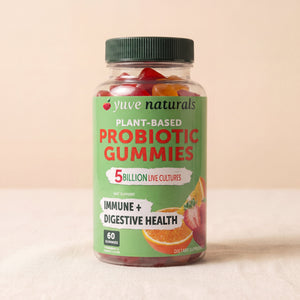
Probiotic supplementation during and after food poisoning is one of the better-evidenced interventions for shortening illness duration. A 2010 Cochrane review of 63 RCTs found probiotics reduced duration of acute infectious diarrhea by approximately 25 hours and reduced the likelihood of diarrhea lasting >3 days by 59%. Saccharomyces boulardii CNCM I-745 (a yeast-based probiotic) is particularly well-studied for antibiotic-associated diarrhea and infectious diarrhea. Lactobacillus rhamnosus GG (LGG) has specific RCT evidence for reducing rotavirus diarrhea duration in children and adults. Yuve's Probiotic Gummies contain Lactobacillus acidophilus NCFM and Bifidobacterium lactis Bi-07, both studied for restoring gut microbiome balance post-disruption. Begin probiotics as soon as solid food is tolerated (typically day 2–3 post-acute phase) and continue for 4–8 weeks for full microbiome restoration.
- Start probiotics: when solid food is tolerated, typically day 2–3
- Duration: continue 4–8 weeks for microbiome restoration
- Best-evidenced strains: S. boulardii CNCM I-745, L. rhamnosus GG
- Yuve option: L. acidophilus NCFM + B. lactis Bi-07 (vegan gummy format)
What foods accelerate gut healing in the recovery phase (days 4–14)?
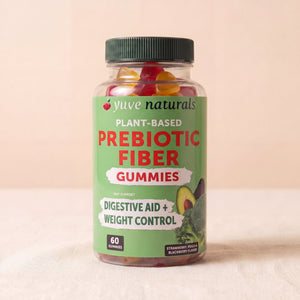
As symptoms resolve, shifting toward a gut-supportive diet accelerates mucosal repair and microbiome diversity. Fermented foods—kefir, yogurt with live cultures, kimchi, and miso—introduce beneficial bacteria that were depleted during the infection. Soluble fiber from oats, bananas, and cooked vegetables feeds beneficial Bifidobacterium and Lactobacillus species (prebiotic effect). Bone broth contains glycine, proline, and collagen precursors that provide building blocks for intestinal mucosa repair—though evidence is primarily mechanistic rather than from large RCTs. Polyphenol-rich foods (blueberries, green tea, dark chocolate above 70% cocoa) support gut epithelial integrity and anti-inflammatory pathways. A 2020 review in Nutrients found dietary polyphenols modulate gut microbiota composition meaningfully in human studies. Supplementing with prebiotic fiber—such as Yuve's Prebiotic Fiber Gummies (chicory root inulin/FOS)—provides a measurable substrate for beneficial bacterial regrowth.
- Fermented foods: kefir, yogurt, kimchi, miso → restore beneficial bacteria
- Soluble fiber: oats, bananas, cooked vegetables → feeds Bifidobacterium / Lactobacillus
- Polyphenol foods: blueberries, green tea → support gut epithelial integrity
- Prebiotic supplement: inulin/FOS supports microbiome diversity regrowth
What supplements support gut lining repair after food poisoning?
Beyond probiotics, specific supplements target tight junction repair and mucosal barrier restoration. L-glutamine is an amino acid that serves as the primary fuel for intestinal epithelial cells; a 2015 RCT in Nutrients found L-glutamine supplementation (10–30 g/day) reduced intestinal permeability markers in critically ill patients. Zinc carnosine has specific evidence for tight junction protein restoration in gut epithelium—a 2019 randomized study in Journal of Nutritional Science and Vitaminology found meaningful reductions in intestinal permeability with zinc carnosine supplementation. Deglycyrrhizinated licorice (DGL) supports gastric and esophageal mucosal integrity; Yuve offers DGL Licorice Chewables as a palate-friendly format. Colostrum supplements contain immunoglobulins (IgA) that support gut mucosal immune defense. For most cases of uncomplicated food poisoning, these are supportive rather than essential.
- L-glutamine: primary fuel for intestinal epithelial cells; 10–30 g/day studied
- Zinc carnosine: RCT evidence for tight junction restoration
- DGL licorice: mucosal integrity support (Yuve DGL Licorice Chewables)
- Colostrum: IgA for mucosal immune support
FAQ

How do I know if food poisoning caused lasting gut damage?
Most uncomplicated food poisoning resolves without lasting mucosal damage. Signs that recovery is incomplete include: persistent diarrhea or loose stool beyond 2–3 weeks, new intolerance to foods previously well-tolerated, unintentional weight loss, and ongoing fatigue. These may indicate post-infectious IBS (PI-IBS), which develops in 5–32% of cases. A physician can evaluate with stool testing, blood work for inflammatory markers (CRP, fecal calprotectin), and if warranted, endoscopy.
Should I take antibiotics after food poisoning?
Most food poisoning is self-limiting and does not require antibiotics. The CDC recommends antibiotics primarily for severe cases of Salmonella, Shigella, or Campylobacter with bloody diarrhea, high fever, or immunocompromised status. Unnecessary antibiotics worsen gut microbiome disruption and increase antibiotic resistance risk. Never self-prescribe; consult a physician if symptoms are severe or prolonged.
Can food poisoning cause long-term digestive problems?
Yes, in a subset of people. Post-infectious IBS occurs when the initial infection triggers persistent gut motility changes, visceral hypersensitivity, and microbiome alterations that outlast the infection. Risk is higher with severe infections, prolonged illness duration, female sex, and prior anxiety or depression. Early probiotic use and dietary modifications may reduce PI-IBS risk, though evidence is preliminary.
When should I go to the emergency room for food poisoning?
Seek emergency care for: signs of severe dehydration (no urination for 8+ hours, sunken eyes, extreme dizziness), bloody diarrhea, stool that appears tarry or black, high fever above 38.5°C (101.3°F), difficulty swallowing or speaking, severe abdominal pain, or symptoms in infants, elderly individuals, pregnant women, or immunocompromised people. These indicate potentially severe foodborne illness requiring medical intervention.
Is it safe to take probiotics while still experiencing diarrhea?
Generally yes for healthy adults. Probiotics have a good safety profile even during active diarrhea. The Cochrane review evidence for probiotic use during acute infectious diarrhea showed benefit precisely when started early. If you are immunocompromised, have a central venous catheter, or are critically ill, consult a physician before starting any probiotic supplement.
How long does it take for the gut microbiome to return to normal after food poisoning?
Studies using 16S rRNA sequencing show gut microbiome diversity typically returns to pre-illness levels within 1–4 weeks in uncomplicated cases. A 2019 study in Cell Host & Microbe found that healthy adults without antibiotic treatment largely restored microbiome composition within 30 days, while antibiotic use extended disruption to 60+ days. Prebiotic and probiotic supplementation appears to accelerate this timeline, though large-scale RCTs specifically on post-food poisoning microbiome recovery are still limited.
What's the best Yuve product for gut recovery after food poisoning?
Yuve's Daily Digestion Bundle pairs probiotic and prebiotic fiber gummies, covering both microbiome restoration (Lactobacillus acidophilus NCFM, Bifidobacterium lactis Bi-07 at 2 billion CFU) and prebiotic substrate for Bifidobacterium regrowth (chicory root inulin FOS). Both are certified vegan, gluten-free, and formulated without common allergens—relevant considerations during a period when the gut may be particularly reactive to novel food proteins.
---
Explore Yuve's full gut health range in the Digestion Collection.