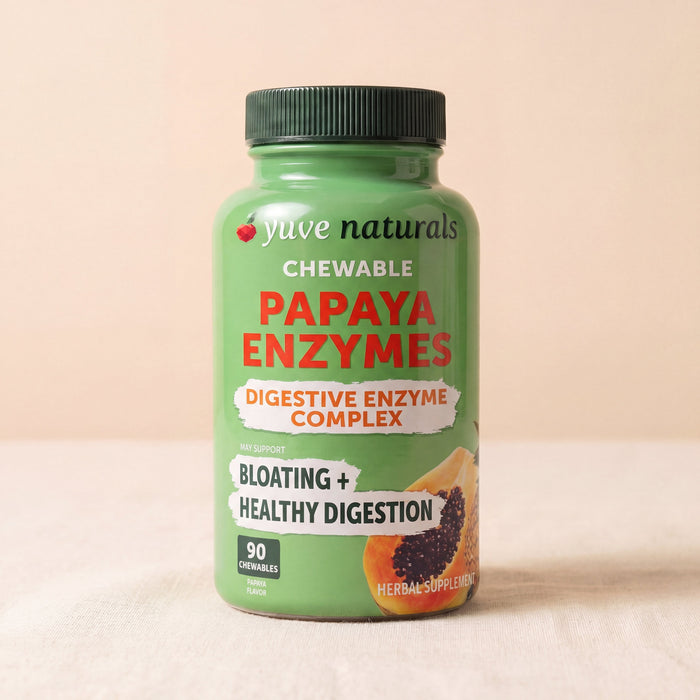
Probiotics are live microorganisms — primarily Lactobacillus and Bifidobacterium species — that temporarily colonize the gut when consumed. Prebiotics are non-digestible fibers — including inulin, fructooligosaccharides (FOS), and beta-glucan — that selectively feed beneficial bacteria already resident in the colon. Probiotics add organisms; prebiotics feed them. Both support gut health, but through fundamentally different biological mechanisms.
How we evaluated this topic
This article draws on systematic reviews and clinical guidance from the International Scientific Association for Probiotics and Prebiotics (ISAPP), the World Gastroenterology Organisation (WGO), and peer-reviewed journals including Nutrients, Gut, and the British Journal of Nutrition. We prioritized human clinical trials over animal or in vitro data. Where evidence supports dietary patterns rather than individual foods or supplements, we note that distinction. This content is educational and does not constitute medical advice.
What are probiotics and how do they work?
Probiotics are defined by ISAPP as "live microorganisms that, when administered in adequate amounts, confer a health benefit on the host." The key requirements are strain-level identification, verified viability at time of consumption, and documented clinical benefit. Common probiotic genera include Lactobacillus (now reclassified into Lactiplantibacillus, Lacticaseibacillus, and others under 2020 taxonomy), Bifidobacterium, and the yeast Saccharomyces boulardii. Probiotics work through several documented mechanisms: competitive exclusion of pathogenic bacteria, strengthening of intestinal tight junction proteins (occludin, claudins, ZO-1), stimulation of secretory IgA antibody production, and modulation of pro-inflammatory cytokines including TNF-alpha and IL-6. A critical distinction is that most probiotic strains do not permanently colonize the gut — they exert their effects transiently, which is why consistent daily intake produces better outcomes than intermittent use.
- Probiotics must meet three criteria: live organisms, adequate dose, and demonstrated health benefit
- Most strains work transiently — they do not permanently colonize the gut
- Mechanisms include competitive exclusion, tight junction support, and immune modulation
What are prebiotics and how do they work?
Prebiotics are defined by ISAPP as "a substrate that is selectively utilized by host microorganisms conferring a health benefit." Unlike probiotics, prebiotics are not alive — they are non-digestible fibers and carbohydrates that pass through the upper GI tract intact and reach the colon, where resident bacteria ferment them into short-chain fatty acids (SCFAs). The three most clinically studied prebiotics are inulin (found in chicory root, onions, garlic, and leeks), fructooligosaccharides or FOS (found in bananas, asparagus, and wheat), and galactooligosaccharides or GOS (found in legumes and some dairy products). A 2019 systematic review in Nutrients found that prebiotic supplementation consistently increased Bifidobacterium populations and SCFA production — particularly butyrate, which serves as the primary energy source for colonocytes and supports gut barrier integrity.
- Prebiotics are non-digestible fibers fermented by colonic bacteria into SCFAs
- Inulin, FOS, and GOS are the three most studied prebiotic compounds
- Prebiotic intake consistently increases Bifidobacterium populations and butyrate production
How do probiotics and prebiotics compare side by side?
| Feature | Probiotics | Prebiotics |
|---|---|---|
| What they are | Live microorganisms | Non-digestible fibers |
| Where they act | Throughout the GI tract | Primarily in the colon |
| How they work | Add beneficial organisms directly | Feed existing beneficial bacteria |
| Key mechanism | Competitive exclusion, immune modulation, tight junction support | SCFA production (butyrate, propionate, acetate) |
| Colonization | Transient — require consistent intake | Not applicable — feed resident bacteria |
| Food sources | Yogurt, kefir, sauerkraut, kimchi, miso | Onions, garlic, oats, bananas, beans, chicory root |
| Supplement forms | Capsules, gummies, powders (CFU-dosed) | Powder, gummies, fiber supplements |
| Shelf stability | Strain-dependent (some need refrigeration) | Shelf-stable (fibers survive heat and storage) |
| Clinical evidence level | Strain-specific — varies widely | Compound-specific — generally consistent for inulin/FOS |
Should you take probiotics, prebiotics, or both?
The World Gastroenterology Organisation guidelines recommend considering probiotics and prebiotics as complementary rather than interchangeable. Probiotics provide direct microbial input — introducing specific strains with documented effects on immune modulation, pathogen exclusion, or gut barrier support. Prebiotics create environmental conditions that favor the growth of beneficial bacteria already present in the colon. A 2022 randomized trial published in the British Journal of Nutrition found that synbiotic supplementation — combining probiotics with prebiotics — produced greater increases in fecal SCFA concentrations and greater reductions in C-reactive protein (CRP) than either intervention alone. The synbiotic approach is particularly relevant for people whose diet lacks both fermented foods and fiber-rich whole foods. For those already consuming 25-38 grams of fiber daily and regular fermented foods, the incremental benefit of supplementation may be smaller.
- WGO recommends probiotics and prebiotics as complementary, not interchangeable
- Synbiotic combinations (both together) produced greater CRP reduction and SCFA output than either alone
- People with low fiber and low fermented food intake benefit most from supplementation
What should you look for in a probiotic supplement?
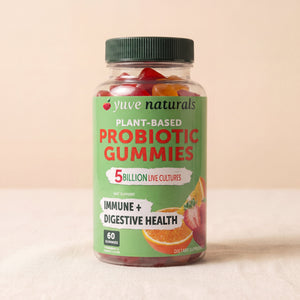
The Council for Responsible Nutrition (CRN) recommends five verification criteria. First, strain-level identification — "Lactobacillus rhamnosus GG" provides clinically verifiable identity, while "Lactobacillus blend" does not. Second, CFU count guaranteed at expiration, not at manufacture — viability declines 10-40% during shelf storage depending on formulation. Third, storage instructions matching the strain's requirements — Lactobacillus and Bifidobacterium strains typically require refrigeration, while spore-based strains like Bacillus coagulans GBI-30 6086 remain shelf-stable. Fourth, third-party testing from USP, NSF International, or ConsumerLab. Fifth, absence of unnecessary fillers, artificial colors, or allergens. Yuve Probiotic Gummies meet the clean-label criteria with a vegan, plant-based formula and no artificial additives.
- Strain codes (e.g., "GG" in L. rhamnosus GG) are the primary indicator of research-backed identity
- CFU guarantees should reference the expiration date, not time of manufacture
- Third-party testing (USP, NSF, ConsumerLab) independently verifies label claims
What should you look for in a prebiotic supplement?
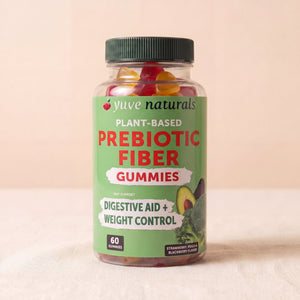
Prebiotic supplements should specify the type of fiber used — inulin, FOS, GOS, or beta-glucan — because each has different fermentation kinetics and clinical evidence. Inulin from chicory root is the most widely studied, with consistent data on Bifidobacterium stimulation at doses of 5-10 grams per day, according to a review in Nutrition Reviews. FOS operates similarly but at lower doses (2.5-10 grams daily). GOS is particularly well-studied in infant gut colonization but also effective in adults. Whole-food prebiotic sources — oats, beans, onions, garlic, and bananas — deliver fiber within a food matrix that also provides vitamins, minerals, and polyphenols. Yuve Prebiotic Fiber Gummies provide a convenient supplemental format for people who struggle to reach the 25-38 grams of daily fiber recommended by the Academy of Nutrition and Dietetics. For a broader approach, the Yuve digestion collection includes both probiotic and prebiotic options.
- Inulin from chicory root is the most clinically studied prebiotic fiber
- Effective supplemental doses for inulin range from 5-10 grams per day
- Whole foods deliver prebiotics within a nutrient-rich matrix that supplements do not replicate
FAQ

Can you get enough probiotics and prebiotics from food alone?
For prebiotics, yes — a diet containing oats, beans, onions, garlic, bananas, and other fiber-rich foods can deliver adequate prebiotic fiber (25-38 grams total fiber daily). For probiotics, it depends on quantity and consistency. The Stanford Cell study (2021) found that six or more servings of fermented foods daily increased microbial diversity, but most people consume far fewer. Supplementation provides controlled dosing of identified strains that food sources cannot guarantee.
Do probiotics and prebiotics interact with medications?
Probiotics are generally well tolerated but may interact with immunosuppressive medications because they modulate immune function. The American Gastroenterological Association recommends consulting a healthcare provider before starting probiotics if you are immunocompromised. Prebiotics may affect the absorption timing of some oral medications by altering gut transit speed at high doses. Taking medications and fiber supplements at least two hours apart is a common pharmacist recommendation.
What are synbiotics?
Synbiotics are products that combine probiotics and prebiotics in a single formulation. ISAPP defines synbiotics as either "complementary" (probiotic and prebiotic selected independently for their individual benefits) or "synergistic" (the prebiotic specifically feeds the co-administered probiotic strain). A synergistic synbiotic requires evidence that the prebiotic component selectively enhances the specific probiotic strain's survival or function.
Can prebiotics cause bloating?
Yes. Rapid increases in prebiotic fiber intake — particularly inulin and FOS — can cause gas, bloating, and abdominal discomfort. This occurs because colonic bacteria ferment the fiber, producing gas as a byproduct. Starting with 2-3 grams daily and increasing gradually over 2-3 weeks allows the gut microbiome to adapt. Individuals with irritable bowel syndrome (IBS) or small intestinal bacterial overgrowth (SIBO) may need to titrate more slowly.
How quickly do probiotics and prebiotics work?
Probiotic effects on digestive comfort (reduced bloating, improved regularity) typically appear within 2-4 weeks of consistent daily use. Prebiotic effects on microbial composition — specifically measurable increases in Bifidobacterium populations — appear within 1-2 weeks at adequate doses according to studies using 16S rRNA sequencing. Immune-related biomarkers like CRP may require 8-12 weeks of sustained supplementation to show statistically significant changes.
Are probiotic gummies as effective as capsules?
Probiotic gummies deliver lower CFU counts per serving than most capsules (typically 1-5 billion versus 10-50 billion). However, research published in the Journal of Dietary Supplements found that gummy supplement adherence averaged 78% over 90 days compared to 52% for capsules — meaning gummy users maintain more consistent colony input over time. The clinical tradeoff is per-dose potency versus sustained compliance.