Ever feel like your stomach inflates like a balloon by afternoon? You’re not alone—and it’s not just about what you ate. We've all been there: you finish a delicious meal, feeling perfectly fine, only to have your stomach start to swell up an hour later. It’s a frustrating and uncomfortable feeling that can make you regret your food choices.
If that sounds familiar, we've got great news. Timing is everything, and the best time to take a digestive enzyme is right before you start eating or with your very first bites. This simple habit can be a complete game-changer in preventing that all-too-familiar post-meal misery. In this guide, we'll walk you through exactly when and how to use digestive enzymes to get the absolute best results. Let's work together to beat the bloat and learn to love food again.
Why That Post-Meal Bloat Keeps Happening
If you experience that sudden tightness, gurgling, and—dun, dun, dun—unwelcome gas after eating, you're not imagining it, and you're certainly not alone. This incredibly common struggle often boils down to a simple issue: your body could use a little extra help breaking down what you ate.
Think of your digestive system as a hard-working crew on a tight deadline. Sometimes, it just gets overwhelmed, especially with certain foods or as we get older. When food isn't fully broken down, it lingers in your gut, where it starts to ferment. The result of that fermentation? Gas and bloating. Yikes!
Your Secret Weapon Against Discomfort
This is exactly where digestive enzymes come in. They act as your secret weapon for smoother digestion, giving your system the support it needs to work efficiently. By helping to break down food properly, they unlock vital nutrients and keep everything moving along comfortably. For many people, this is about more than just feeling better—it's about getting back the joy of eating without fear.
Understanding your body’s triggers is the first step toward finding relief. Once you have the right knowledge and tools, you can finally say goodbye to that dreaded discomfort. We’ve also put together a guide on other natural remedies for bloating that work beautifully alongside an enzyme routine.
Understanding How Digestive Enzymes Work
Let's pull back the curtain on what actually happens in your gut. Think of digestive enzymes as tiny, microscopic scissors. Their one and only job is to snip apart the complex foods you eat—proteins, fats, and carbohydrates—into much smaller, simpler pieces. These tiny pieces are the nutrients your body can actually absorb and put to use for energy, cell repair, and everything else it needs to function.
Without enough of these enzymes, even the healthiest meal can cause a world of trouble. It’s like trying to push a whole log through a tiny keyhole; it’s just not going to work. Your body needs food broken down into its most basic components to get the full nutritional benefit.
The Key Players in Your Digestive System
Just like a well-run kitchen has different chefs for different tasks, your digestive system has specialized enzymes. Each one is a specialist, targeting a specific type of food molecule.
The main players you’ll typically find in a quality supplement include:
- Amylase: This is your carb-cutter. It gets to work breaking down starches from foods like bread, rice, and potatoes into simple sugars your body can use for a quick energy boost.
- Lipase: The fat expert. Lipase takes on fats and oils from things like nuts, avocados, and dairy, turning them into fatty acids that are vital for your brain health and hormone production.
- Protease: As the name hints, this is the protein pro. It dismantles large protein molecules from meat, beans, and tofu into amino acids—the essential building blocks for your muscles and tissues.
- Lactase: This one is a lifesaver for many. It’s solely responsible for breaking down lactose, the sugar found in milk and dairy products. A shortage of lactase is the direct cause of lactose intolerance.
While our bodies are supposed to make these enzymes, production doesn't always keep up. Things like aging, chronic stress, or certain health issues can cause our natural supply to run low. When that happens, food sits in the gut undigested, leading to that all-too-familiar bloating, gas, and discomfort. Grasping this simple connection is the first step to understanding why timing your supplement is so critical for getting relief.
Key Takeaway: Digestive enzymes and probiotics are often confused, but they do very different jobs. Enzymes are the "workers" that actively break down food. Probiotics are the "good guys"—beneficial bacteria that help maintain a healthy gut environment. To get the full picture, check out our guide on digestive enzymes vs. probiotics.
As more people understand this process, the demand for high-quality digestive enzyme supplements has skyrocketed, becoming a major factor in the growing gut health market. It's clear that proactive digestive support is something people are actively seeking out to feel their best. If you're curious about the industry trends, you can explore the latest analysis of the digestive enzymes market here.
The Golden Rule for Enzyme Timing
So, what's the secret? If you only remember one thing from this guide, make it this: the absolute best time to take a digestive enzyme is right before you eat or with your first few bites of food.
Think of it like giving your digestive system a crucial head start. You want the enzymes primed and ready in your stomach the moment food drops in. It's all about being in the right place at the right time, so they can immediately get to work mixing with your meal and breaking it down.
If you pop them too early—say, an hour before dinner—they’ll likely pass right through your stomach before your meal even arrives. On the other hand, waiting until after you've cleaned your plate means you've missed the boat. The food is already on its way, forcing the enzymes to play a frantic game of catch-up, which often leads to the exact bloating and gas you’re trying to prevent.
Why Pre-Meal Timing Is So Effective
Taking your enzymes just before you eat is a proactive strategy. It puts them on the front lines, ready to greet every bite and support the entire digestive process from start to finish. This simple habit can turn what might have been a reactive, uncomfortable scramble into a smooth, well-oiled operation.
This simple flowchart lays out the thought process perfectly. If you're running low on your body's own supply, a supplement can step in to fill the gap.
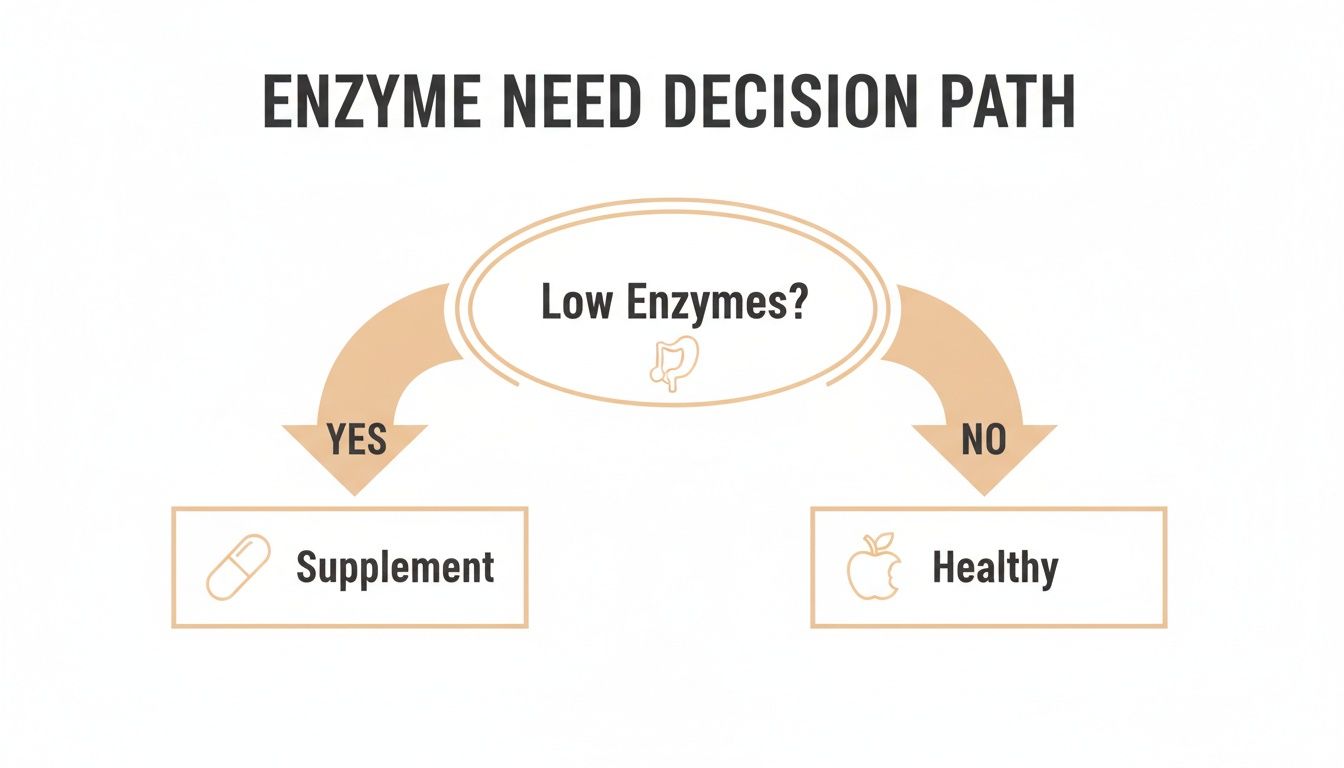
The takeaway here is straightforward: if you suspect your natural enzyme production isn't cutting it, supplementing is a direct way to support your digestive health and feel better after meals.
Pro Tip: The golden rule is simple: take your digestive enzymes 5-10 minutes before your meal or with your first bite. This small habit can make a world of difference in how you feel an hour or two later.
Your Simple Timing Cheat Sheet
To make things even easier, here’s a quick guide on when to take your enzymes based on your meal to prevent digestive discomfort. No more guesswork—just follow this simple chart.
Digestive Enzyme Timing Cheat Sheet
| Meal or Snack Type | Optimal Timing | Why It Works |
|---|---|---|
| Large, Heavy Meal | 5-10 minutes before you start eating. | This gives the enzyme capsule a moment to dissolve and get ready for the big job of tackling a meal rich in fats, proteins, and complex carbs. |
| Average-Sized Meal | With your first one or two bites. | Taking the enzymes along with the food ensures they mix in perfectly from the very beginning for a seamless breakdown. |
| Light Snack | With the snack itself. | For smaller portions like a piece of fruit or a handful of nuts, taking the enzyme at the same time is all you need for it to be effective. |
Following this simple cheat sheet helps you match your enzyme support to your meal, stopping digestive issues before they can even start. It’s all about working with your body’s natural rhythm, not against it.
Ultimately, this timing strategy is designed to help you enjoy your food without dreading the aftermath. It’s a small, empowering step that puts you back in the driver's seat of your own digestive comfort.
How to Customize Timing for Different Meals
The "just before you eat" rule is a fantastic starting point, but let's be real—not all meals are created equal. A Thanksgiving feast puts a whole different kind of demand on your digestive system than a light afternoon snack. This is where a little bit of smart customization can make all the difference.
Think of it like this: you wouldn't use the same small pan to cook a single egg as you would to roast a whole chicken. You need to match your digestive support to the size and complexity of the meal you're about to enjoy.
For Heavy or Complex Meals
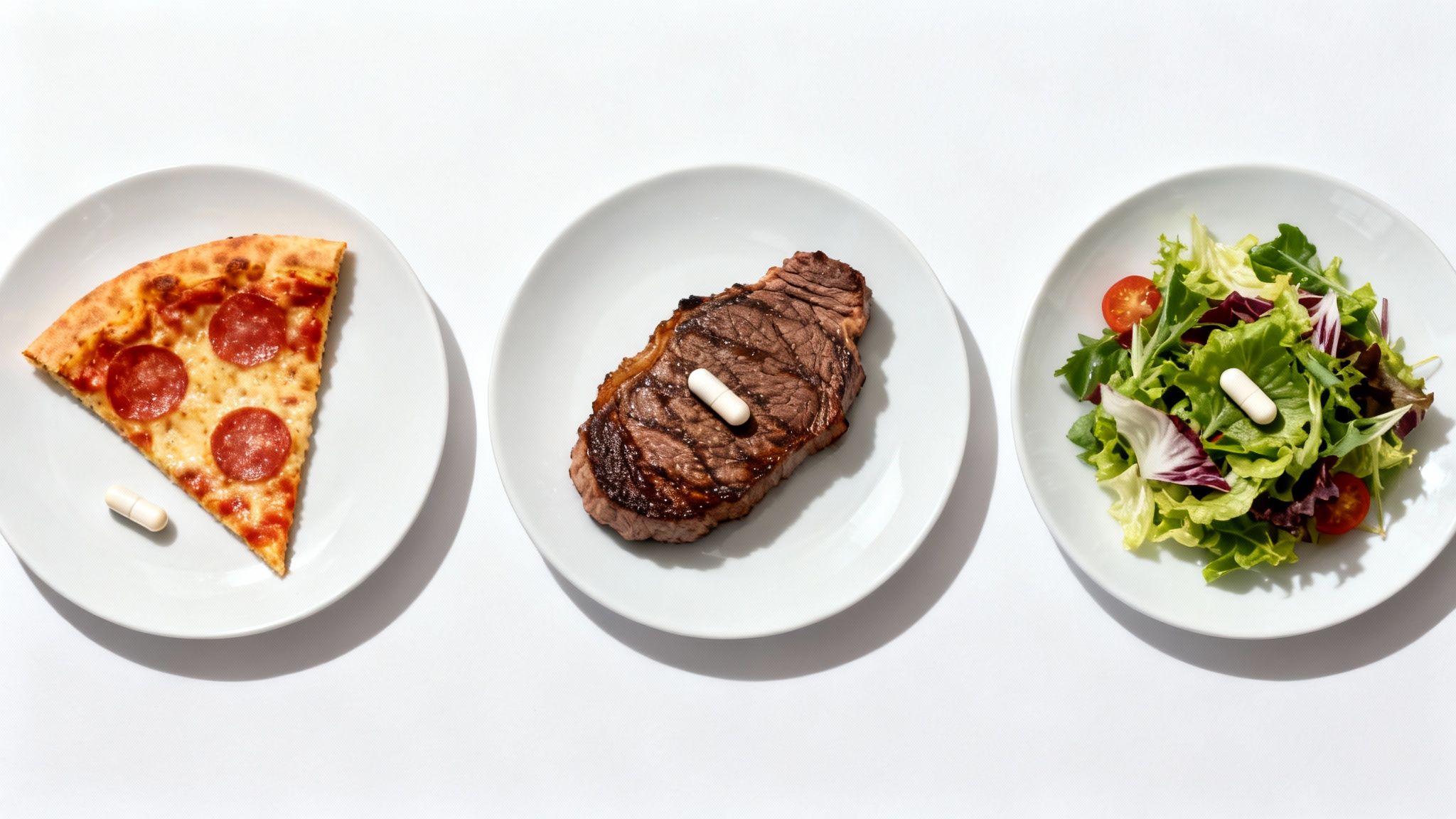
We all know those meals. A rich, creamy pasta dish, a holiday dinner with all the trimmings, or a juicy steak with a loaded baked potato. These meals are packed with a mix of fats, proteins, and complex carbs that can be a real workout for your digestive system.
For these bigger culinary adventures, I recommend taking your digestive enzyme about 5-10 minutes before your first bite. This little head start gives the capsule time to dissolve in your stomach, releasing the enzymes so they're fully armed and ready the moment food arrives. It’s like sending in the cleanup crew before the party even starts.
For Lighter Meals and Snacks
Now, what about a simple salad, a piece of fruit, or a handful of almonds? For these lighter, more easily digestible foods, you don't need to give the enzymes such a running start.
Taking your supplement right as you take your first bite is perfect. The enzymes will mix directly with the food, providing just the right amount of support to ensure a smooth digestive process without going overboard.
Targeting Your Specific Trigger Foods
Sometimes, the problem isn't the size of the meal, but a single ingredient that gives you trouble. Do you love ice cream but hate the bloating that comes an hour later? That’s a tell-tale sign that your body isn't producing enough lactase to break down the lactose in dairy.
This is where a targeted enzyme becomes your secret weapon. Our founder, Sam, knows this problem firsthand. He spent years avoiding his favorite cheesy dishes because of the inevitable discomfort. Discovering he could take a lactase enzyme right before indulging was a total game-changer, allowing him to enjoy those foods again, completely bloat-free.
That personal experience is the driving force behind Yuve’s Vegan Lactase Enzymes. They are specifically formulated to be your go-to for those dairy-filled moments, helping your body break down lactose efficiently so you can say yes to pizza night without a second thought.
What to Do If You Forget to Take Your Enzymes
It happens to the best of us. You’re ready to dig into a delicious meal, you’re distracted or in a hurry, and it hits you halfway through: you forgot to take your digestive enzymes.
First off, don't panic. Forgetting every now and then is completely normal. While the ideal time is right before you eat, missing the mark once isn’t going to derail your digestive comfort entirely.
The best thing to do is take them as soon as you remember. If you’re still in the middle of your meal, pause and take your enzyme right away. It’s far better than skipping the dose completely. The enzymes can still get in there, mix with the food in your stomach, and start doing their job.
What If You’ve Already Finished Eating?
Okay, what if the plate is already clean? This scenario is a little less ideal, but not all is lost.
Taking your enzyme immediately after you finish eating can still offer some relief. The enzymes will have to play catch-up with the food that’s already on its way through your system, but they can help break down what’s left and potentially ease some of the bloating or heaviness that might follow. Think of it as a helpful rescue mission—not as effective as being there from the start, but much better than doing nothing at all.
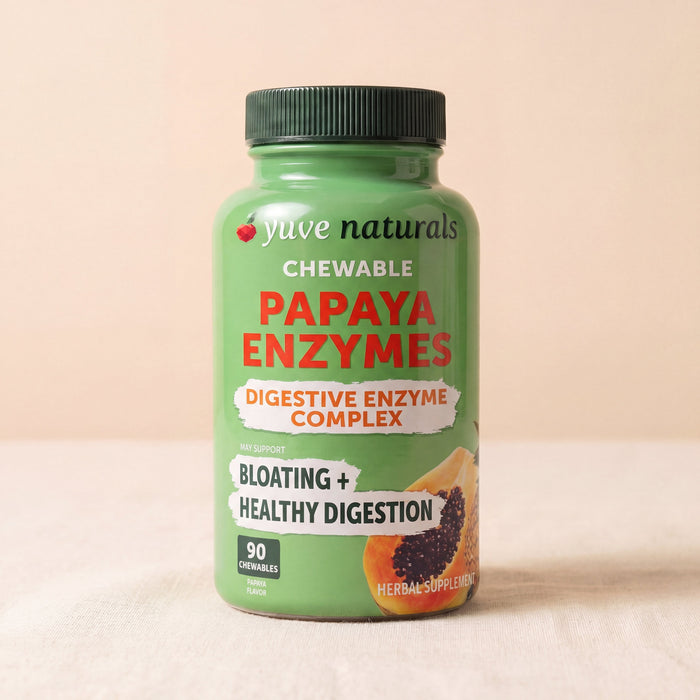
Our Founder’s Tip: To avoid this, our founder, Sam, makes his enzymes impossible to forget. He keeps a small bottle of Yuve Papaya Enzymes in his bag and another right on his kitchen counter. This simple "see it, take it" strategy helped turn a new habit into an effortless part of his routine.
Creating a Consistent, Effortless Routine
Ultimately, the goal is to make taking your enzymes a natural part of your mealtime ritual, something you do without even thinking. Consistency is what truly unlocks the benefits of digestive support.
A 2023 market report showed the digestive enzyme market was valued at an impressive USD 644.32 million, and it continues to grow. What this means for you is that you’re not alone in this—more people than ever are taking proactive steps for their digestive well-being.
Building a simple, supportive habit pays off with every meal. By incorporating a gentle and effective supplement like Yuve’s chewable Papaya Enzymes into your daily plan, you create a reliable foundation for comfortable digestion and can finally enjoy your food without the constant worry.
Your Action Plan for Comfortable Digestion
Okay, let's pull all this science together into a simple plan you can actually use. You now understand the why and the when behind digestive enzymes, so turning that knowledge into a daily habit is the last piece of the puzzle. The goal is to get back to enjoying your meals without the guesswork.
I get it—adding one more thing to your to-do list can feel like a chore. But this tiny step can make a huge difference in how you feel after eating. Once it becomes second nature, you can focus on the food, not the potential fallout.
Your Quick-Win Checklist
Ready to finally get a handle on that post-meal bloat? Here are the most important takeaways to put into practice right away:
- Timing is Everything: Aim to take your enzyme just before or with your first few bites of a meal. This really is the golden rule for getting the best results.
- Match the Enzyme to the Meal: For big, complex meals, a broad-spectrum enzyme is your best bet. If you know a specific food is the culprit (like dairy), a targeted enzyme like lactase will be your hero.
- Don't Stress an Occasional Miss: If you forget, just take it as soon as you remember, even if you're halfway through your plate. It's far better than skipping it altogether.
- Stay Prepared: The secret to consistency is convenience. Keep a bottle in your purse, at your work desk, or in your car—that way, you're never caught without them.
Want to get even more from your food? For a deeper dive, we put together a guide on how to improve nutrient absorption. It's the perfect next step on your gut health journey.
Your Partner in Gut Health
Finding the right digestive support is a personal journey. As you explore what's out there, you'll see different options like Allmax Digestive Enzymes, which can help you get a feel for the market.
Here at Yuve, we created our Digestive Enzymes with your real-life needs at the forefront. They’re a smart, proactive step to help you break down food comfortably so you can feel your best. We believe they're a core part of feeling great and enjoying every meal.
Ready to trade bloating for food freedom? Try Yuve Digestive Enzymes today and take that first simple step.
Got Questions About Digestive Enzymes? We Have Answers.
Let's tackle some of the most common questions that pop up when people start their journey with digestive enzymes. We'll clear the air with some simple, straightforward answers to help you feel confident.
Can I Take Digestive Enzymes on an Empty Stomach?
For the most part, no. Think of digestive enzymes as a culinary team that needs ingredients to work with. If you take them without any food, they’ll just pass right through your system without a job to do, rendering them ineffective.
The only real exception to this rule is for something called systemic enzymes, which are taken for entirely different reasons (like inflammation) and have their own set of guidelines. But for digestive support? You need food.
How Long Does It Take for Digestive Enzymes to Work?
You should feel the difference almost immediately. Enzymes are fast-acting—they get to work the second they meet the food in your stomach.
Many people report feeling significantly less bloating, gas, and that uncomfortable, heavy feeling right after the very first meal they take with a supplement. It’s all about giving your system that instant backup.
Do I Need to Take Enzymes with Every Single Meal?
This one is all about you and what your body is telling you. There's no one-size-fits-all answer.
You might find they’re a lifesaver for larger, more complex meals that are high in fats and proteins. On the other hand, you may only need them for certain foods that you know give you trouble, like that slice of cheesy pizza or a rich, creamy dessert.
Key Takeaway: Start by taking them with your biggest meals and see how you feel. From there, you can experiment. You are the best judge of what your body needs, so listen closely to its feedback.
Are Digestive Enzymes and Probiotics the Same Thing?
This is a fantastic and super common question! The answer is a clear no. They work together as a team, but they have very different—and equally important—jobs.
- Digestive Enzymes are like tiny scissors. Their role is to actively snip apart and break down the food you eat into smaller, absorbable nutrients.
- Probiotics are the "good guys"—beneficial live bacteria that help maintain a healthy, balanced environment in your gut.
Put simply: enzymes are all about the process of digestion, while probiotics support the overall health and environment of your entire digestive tract.
At Yuve, we believe you should be able to enjoy every bite without a second thought. Our plant-based supplements are crafted to give your body the gentle yet effective support it needs to feel its absolute best.
Ready to say goodbye to bloating for good? Explore Yuve's Digestive Enzymes here!