Ever feel like your gut has a mind of its own? Like no matter how “healthy” you eat, bloating just shows up uninvited by afternoon? You’re not alone-and we promise, it’s not just in your head. The frustration of dealing with unpredictable digestive discomfort is real, and it’s something our community talks about all the time.
If you’re tired of the guesswork, you’re in the right place. We’re going to clear up one of the biggest sources of confusion in gut health: the difference between prebiotics and probiotics.
This isn’t just another science lesson. Our founder, Sam, struggled with digestive issues for years, trying everything without finding lasting relief. His breakthrough came when he finally understood the powerful partnership between these two gut allies. This guide is a direct result of that journey, created to give you the simple, straightforward answers we all wish we had from the start.
By the end of this, you’ll know:
- What probiotics and prebiotics really are (in plain English!).
- The best food and supplement sources for both.
- Why using them together is the secret to a happy gut.
- Actionable tips to finally get a handle on bloating and feel more comfortable.
Think of it this way: probiotics are the good gut bacteria-the seeds you plant in your gut’s garden. Prebiotics are the fertilizer that nourishes those seeds so they can grow strong. You really do need both.
Strengthening your gut is a cornerstone of overall wellness. As you build a healthier microbiome, you might also be curious about other natural health strategies. For a broader perspective, learning how to boost immunity naturally offers great insights into how gut health supports your body's overall defense system.
First things first, let's break down these two gut-health heroes.
Prebiotics vs Probiotics at a Glance
To make this crystal clear, here’s a quick side-by-side look at their core jobs. Nailing these fundamentals is the first step toward creating a gut-friendly routine that actually works for you.
| Feature | Probiotics | Prebiotics |
|---|---|---|
| What It Is | Live beneficial bacteria | Non-digestible plant fiber |
| Primary Role | To add good microbes to your gut | To feed and nourish your existing good microbes |
| State | Living microorganisms | Non-living substance |
| Common Sources | Yogurt, kefir, kimchi, sauerkraut | Garlic, onions, bananas, chicory root |
What Are Probiotics? The "Good Guys" for Your Gut
Let's talk about the actual heroes of your digestive system: probiotics. Simply put, probiotics are live, beneficial bacteria that offer amazing health benefits when you get enough of them. Think of them as friendly reinforcements for your gut, helping to keep the peace and maintain a healthy balance.
When your gut feels off-maybe you're dealing with bloating, gas, or that general "ugh" feeling-it's often a sign that the less-desirable bacteria are throwing a party. Dun, dun, dun-unwelcome gas. Yikes! That’s where probiotics come in. They’re like sending in a peacekeeping force to restore order.
The Most Common Probiotic Strains
You’ve probably seen names like Lactobacillus and Bifidobacterium on yogurt labels. These aren't just complicated science terms; they are two of the most helpful and well-studied families of probiotics you can find.
These tiny powerhouses are essential for a few key jobs:
- Breaking down food: They help your body digest things it can't handle on its own, letting you pull more nutrients from every meal.
- Absorbing nutrients: They play a direct role in how well you absorb vital vitamins and minerals.
- Supporting your immune system: A huge part of your immune system lives in your gut, and a balanced microbiome is your first line of defense. A 2021 study published in the journal Nutrients confirmed that a healthy gut microbiome is crucial for a robust immune response. What this means for you: a happier gut can mean fewer sick days.
These bacteria work tirelessly behind the scenes to help you feel your best. While figuring out which strain does what can seem overwhelming, you don't need a degree in microbiology to benefit. Our guide on the best probiotics for digestion is a great resource for understanding which strains target specific issues like bloating or irregularity.
Finding Probiotics in Food vs. Supplements
So, where can you find these microscopic allies? Your two main options are fermented foods and high-quality supplements.
Fermented foods are a fantastic natural source. Look for things like:
- Yogurt (check the label for "live and active cultures")
- Kefir (a tangy, fermented milk drink)
- Sauerkraut and kimchi (fermented cabbage dishes)
- Miso and tempeh (fermented soy products)
Adding these to your diet is an excellent way to support your gut. The challenge, however, is that getting a consistent and targeted dose from food alone can be tough. The number and types of bacteria can vary, and some store-bought options are pasteurized, which kills off the very bugs you’re trying to get.
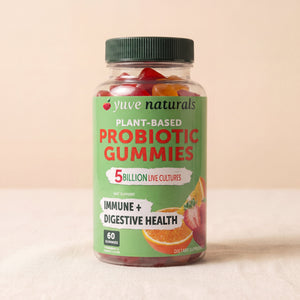
This is where a smart supplement becomes a core part of your routine. A well-formulated probiotic delivers a specific, guaranteed number of live organisms right where you need them. It takes the guesswork out of it. For a reliable daily boost, taking Yuve's Vegan Probiotic + Prebiotic Gummies is a proactive step to ensure your inner ecosystem thrives every single day, no matter what’s for lunch.
What Are Prebiotics? The Essential Fuel for Good Bacteria
Okay, we’ve covered the friendly bacteria. Now, let's talk about what keeps them happy and working hard. If probiotics are the seeds in your gut garden, then prebiotics are the specialized fertilizer that helps them grow strong. Without this fuel, even the best probiotics can't do their job effectively. I do NOT think you should overlook this step.
Simply put, prebiotics are a special kind of non-digestible plant fiber. Your body can't break them down, so they travel all the way to your colon intact.
How Prebiotics Work Their Magic
Once these fibers arrive in your colon, they become a feast for your good bacteria. As your probiotics chow down, they ferment these prebiotic fibers.
This fermentation process creates incredibly valuable compounds called short-chain fatty acids (SCFAs). These are the unsung heroes of gut health, and they do a lot for us:
- They provide energy for the cells lining your colon, which helps keep your gut barrier strong.
- They help create a slightly acidic environment in the colon, which naturally discourages harmful bacteria from setting up shop.
- Their influence extends beyond the gut, playing a role in everything from your immune response to your metabolism.
So, when you eat prebiotic-rich foods, you're directly nourishing the trillions of microscopic allies that keep your whole system running smoothly. It’s a beautiful partnership.
Finding Prebiotics in Your Daily Diet
The great news is that prebiotics are hiding in plain sight in many delicious, everyday plant foods.
You can easily get more prebiotics by adding these to your meals:
- Garlic and Onions: These flavor boosters are powerful prebiotic sources.
- Chicory Root: Often found in high-fiber snack bars, this is one of the most concentrated sources available.
- Slightly Under-ripe Bananas: That greenish tinge means they're full of resistant starch, a potent prebiotic.
- Asparagus, Artichokes, and Leeks: These veggies add both flavor and gut-friendly fiber to your plate.
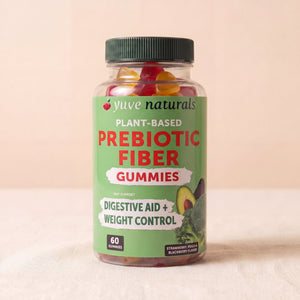
Making a point to eat a variety of these foods is a fantastic start. For more ideas, check out our complete guide on foods that are high in prebiotics.
The most important thing to remember is this: introducing probiotics without also providing prebiotics is like planting a garden and forgetting to water it. For your gut flora to truly flourish, they need this consistent nourishment. That’s why a supplement that combines both is such a smart, proactive strategy for feeling your best.
Prebiotics vs. Probiotics: A Practical Comparison
So, let's break this down. We’ve covered probiotics as the "seeds" and prebiotics as the "fertilizer," but understanding the practical differences is what helps you make the right choices for your gut.
The single biggest distinction is this: probiotics are living organisms, while prebiotics are non-living plant fibers. This one fact changes everything. Because they are alive, probiotics can be fragile. They're sensitive to heat and stomach acid, which is why supplement quality is so critical. The good bacteria have to survive the journey to your gut to do any good.
Prebiotics, on the other hand, are much tougher. As indigestible fibers, they aren’t bothered by heat or acid. Their whole job is to arrive in your colon fully intact, ready to serve as the perfect meal for your resident good bacteria.
Key Functional Differences
To really grasp the contrast, let's look at their specific roles. Probiotics are like reinforcements arriving on the scene, while prebiotics are the supply lines that sustain the entire army.
- Action: Probiotics add new, beneficial bacteria to your gut. Prebiotics feed the good bacteria that are already living there (plus any new probiotic arrivals).
- Target: A probiotic introduces specific strains like Lactobacillus. Prebiotics, however, nourish a much broader range of beneficial microbes, helping improve overall diversity.
- Resilience: Probiotics are delicate. Prebiotics are stable and resilient.
Adding prebiotic-rich foods to your diet is a simple and effective way to fuel your gut.
Simply incorporating ingredients like these gives your existing gut bacteria the fuel they need to keep your digestive system running smoothly.
For a clearer picture, let's put their core differences side-by-side.
Prebiotics vs. Probiotics At a Glance
This table breaks down the fundamental differences between these two gut health allies.
| Feature | Probiotics | Prebiotics |
|---|---|---|
| Nature | Living microorganisms (bacteria, yeast) | Non-living, indigestible plant fibers |
| Function | Add beneficial bacteria to your gut | Fuel existing beneficial bacteria |
| Mechanism | Colonize the gut to improve microbial balance | Fermented by gut bacteria, producing beneficial short-chain fatty acids (SCFAs) |
| Resilience | Sensitive to heat, acid, and light | Stable and resistant to heat and acid |
| Common Sources | Yogurt, kefir, kombucha, kimchi, supplements | Onions, garlic, bananas, chicory root, supplements |
| Analogy | The seeds for the garden | The fertilizer for the seeds and soil |
Understanding these distinctions makes it clear that they aren't interchangeable-they're partners.
The Real-World Impact
The science is one thing, but how this plays out in daily life is what really matters. Our founder, Sam, spent years feeling stuck. He was taking probiotics, hoping for relief from constant bloating, but the results were always hit-or-miss. It felt like one step forward, two steps back.
The lightbulb moment came when he learned about the critical role of prebiotics. He realized he was planting seeds in his gut but forgetting to give them the fertilizer they needed to grow. It wasn't until he started actively nourishing his gut bacteria with prebiotic fibers that he finally achieved the consistent, lasting comfort he’d been looking for.
This is precisely why we advocate for a combined approach. Our Yuve Vegan Probiotic + Prebiotic Gummies deliver both in one simple step. It takes out the guesswork and ensures you’re giving your gut the complete support system it needs to flourish. This synergy can turn a struggling gut garden into a thriving one, helping you feel truly comfortable from the inside out.
Synbiotics: The Power of Taking Them Together
We’ve covered the what and why of prebiotics and probiotics. So, which one should you choose? Honestly, asking which is better is like asking if a garden needs seeds or fertilizer. The real magic happens when you bring them together. This powerful combination is what we call a synbiotic.
A synbiotic strategy isn't just about taking two separate supplements; it's about creating a true partnership inside your gut. The prebiotics create the perfect, nourishing environment for the probiotics to settle in, multiply, and get to work much more effectively. Think of it as rolling out a welcome mat and serving a gourmet meal to your new microbial guests.
For anyone struggling with stubborn digestive issues, this approach can be a total game-changer.
Why This Synergy Matters for Your Gut
The combined effect of prebiotics and probiotics is often where people see the most noticeable results. This approach can be especially helpful for:
- Tackling stubborn bloating: By encouraging a balanced microbiome, you’re starving out the less desirable bacteria whose fermentation process creates that uncomfortable, balloon-like feeling.
- Improving regularity: A well-fed and well-populated gut supports healthy motility, which means food moves through your system smoothly.
- Restoring gut health after antibiotics: Antibiotics are notorious for wiping out both good and bad bacteria. A synbiotic helps repopulate your gut and gives them the immediate fuel they need to recover quickly.
This growing awareness around gut health has created a massive industry. The global probiotics market was valued at an incredible USD 72.1 billion in 2024 and is expected to reach USD 165.1 billion by 2034. It’s clear that people are paying more attention than ever to their digestive wellness.
For many, a combined approach is the turning point. It’s the difference between just hoping for the best and actively building a resilient, balanced internal ecosystem. It’s a proactive strategy for long-term digestive harmony.
If you're thinking about a combined approach, a high-quality Probiotic with Prebiotics supplement can help you maximize the benefits. Understanding the best way to combine them can make a huge difference, which is something we explore further in our article comparing a prebiotic and probiotic capsule.
Making Synbiotics Simple and Delicious
We know that figuring out the right balance can feel like a chore. That’s exactly why we created the Yuve Vegan Probiotic + Prebiotic Gummies. We wanted to take all the guesswork out of achieving that perfect synergy. It's a complete, all-in-one strategy designed to populate and nourish your gut microbiome at the same time.
Each gummy delivers both the beneficial bacteria (the seeds) and their essential food (the fertilizer) in one easy, delicious step. It simplifies your routine while amplifying the benefits, making it easier than ever to support your digestive health and feel your absolute best.
How to Choose a High-Quality Supplement
Walking down the supplement aisle can feel overwhelming. You’re faced with rows of bottles, all promising digestive bliss. We get it. It’s frustrating when you’re just trying to find something that will actually help you feel better.
So, how do you cut through the noise? It really comes down to looking for a few key quality markers.
Decoding the Probiotic Label
For probiotics, the label holds all the clues you need. Don’t just grab the bottle with the flashiest packaging; turn it over and look for these specifics.
Here’s your checklist:
- CFU Count: This stands for Colony Forming Units, which tells you how many live, active bacteria are in each dose. Look for products with at least 1 billion CFUs, though many effective formulas range from 5 to 50 billion.
- Clinically Studied Strains: You want to see specific strain names, like Lactobacillus acidophilus DDS-1. Vague labels that just say “Lactobacillus blend” aren’t transparent enough, because different strains have different jobs.
- Survival and Delivery: A good supplement has to ensure the probiotics survive your harsh stomach acid. Look for features like delayed-release capsules or naturally resilient strains.
Finding a Powerful Prebiotic
Choosing a prebiotic is a little different. Here, the focus shifts to the type of fiber and its purity. You want a formula that effectively feeds your good bacteria without causing extra discomfort. Look for well-researched prebiotic fibers like inulin (often from chicory root) or Fructo-oligosaccharides (FOS). These are proven to selectively feed the good guys in your gut.
Prioritize Purity and Transparency
This is where your choice makes the biggest difference. The supplement market is booming, which means you have to be discerning. As consumer demand for higher standards rises, it's crucial to pick a brand that values clean, effective ingredients. You can learn more about the trends shaping the probiotics market to understand why this matters.
This commitment to purity is at the heart of everything we do at Yuve. That's why our Yuve Vegan Probiotic + Prebiotic Gummies are:
- 100% Vegan and Plant-Based: No animal products, ever.
- Non-GMO and Gluten-Free: Perfect for those with sensitivities.
- Gelatin-Free: We use fruit pectin instead of animal-based gelatin.
- Free from Fillers: You get only the active, beneficial ingredients your body needs.
Choosing a supplement is a personal decision, but it shouldn't be a complicated one. By focusing on proven strains, effective fibers, and a brand committed to purity, you’re making a smart investment in your long-term digestive wellness.
Your Quick Wins for a Happier Gut
Feeling motivated? Here are a few simple, actionable steps you can take today to start supporting your gut microbiome.
- Add one prebiotic food to your day: Slice a banana into your morning oatmeal or add some garlic and onions to your dinner. Small steps add up!
- Try a fermented food this week: Pick up some plain yogurt with "live active cultures" or try a spoonful of sauerkraut on the side of your meal.
- Make it easy with a synbiotic: The simplest way to ensure you're getting both is with a combined supplement. Yuve's Vegan Probiotic + Prebiotic Gummies are the perfect all-in-one solution to build a resilient gut.
FAQ: Your Gut Health Questions Answered
If you’ve still got questions, you’re in good company! Here are the straight-up answers to what we hear most often.
Can I get enough from food alone?
A diet packed with high-fiber plants and fermented foods is a phenomenal foundation. But getting a consistent, effective dose every single day can be a real challenge. A quality supplement offers a reliable, targeted dose of beneficial fibers and specific bacterial strains, removing the guesswork.
When is the best time to take them?
Honestly, the most important thing is simply taking them every day. Consistency is more important than timing. That said, many people find taking their supplements just before a meal works well, as the food can act as a buffer against stomach acid for the probiotics.
How long does it take to feel a difference?
Everyone’s gut is unique, so there's no single timeline. Some people notice improvements in bloating within a few days. For others, it might take a couple of weeks to rebalance their internal ecosystem. Think of it as a long-term investment, not an overnight fix. Patience and consistency are key.
Should I expect any side effects?
When you first introduce prebiotics and probiotics, you might notice a bit of temporary gas or bloating. This is often a sign that things are starting to shift and your gut bacteria are adjusting. This initial phase is usually mild and fades within a few days. If you're concerned, start with a smaller dose and slowly work your way up.
Ready to give your gut the comprehensive support it's been waiting for? Yuve simplifies your routine with our all-in-one formulas.
Our Yuve Vegan Probiotic + Prebiotic Gummies are a delicious and easy way to nourish your microbiome with both the beneficial bacteria and the fuel they need to flourish.