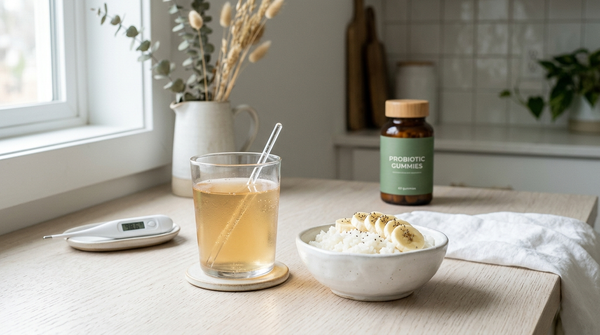
Ever feel like your gut decides its own agenda - dun, dun, dun - unwelcome gas. Yikes! You’re not alone. Afternoon bloating and unpredictable digestion can zap your energy and mood fast.
In this roundup, you’ll discover exactly what foods are high in prebiotics and why they matter. We’ve handpicked eight powerhouse ingredients—from chicory root to flaxseeds—that quietly feed the beneficial bacteria keeping your microbiome in check. Along the way, you’ll get clear numbers on prebiotic content per serving, simple prep tips, and smart swaps for vegans, parents, and anyone sensitive to fiber.
Here’s what you’ll learn:
- Prebiotic powerhouse profile: How much inulin, FOS, or resistant starch each food delivers
- Health benefits: Why your gut—and overall well-being—thrives on these fibers
- Practical prep: Quick recipes and snack ideas that fit into busy routines
- Diet tweaks: Tips for kids, vegans, and sensitive stomachs
- Safety first: Possible side effects and how to introduce prebiotics gently
- Power pairing: Combining these foods with probiotics or Yuve supplements for next-level support
Why this matters: feeding your good bacteria can reduce bloating, boost nutrient absorption, and even support mood balance. Think of prebiotics as fertilizer for your inner garden - without the guesswork. We’ll guide you step by step, so you can swap out a plain snack for a gut-smart option that actually works.
Ready to fuel your next meal with science-backed, flavor-packed prebiotics? Scroll down to start building a happier, healthier gut - no complex jargon or endless trial and error required.
1. Chicory Root
What is Chicory Root and How It Works
Chicory root is a versatile plant root loaded with inulin, a soluble fiber that acts as a powerhouse prebiotic. Inulin passes undigested through your small intestine and becomes fuel for beneficial bacteria in the colon. By feeding strains like Bifidobacteria and Lactobacilli, chicory root promotes a balanced gut microbiome and smoother digestion.
“I started my mornings with chicory coffee—and noticed less bloating by week two,” shares Sam, Yuve’s founder, on his own gut-healing journey.
Examples of Chicory Root in Your Diet
- Chicory coffee blends - try Barrington or Community Coffee’s versions for a 1-2 g inulin boost per cup
- Inulin fiber supplements - look for pure chicory-derived powders (start with 1 g)
- Chicory root flour - often found in prebiotic snack bars and baking mixes
- Dried chicory tea - steep like tea for a caffeine-free alternative
Actionable Tips
- Start low (1-2 g/day) and ramp up to 5-10 g over 2 weeks to avoid gas
- Mix powder into coffee, smoothies, or overnight oats for an easy prebiotic shot
- Drink an extra glass of water whenever you add high-fiber foods to support transit
- Swap one coffee cup weekly for chicory tea to see how your gut reacts
When and Why to Use Chicory Root
Choose chicory root if you’re aiming to:
- Enhance fiber intake without changing meal volume
- Balance blood sugar - inulin helps slow glucose absorption
- Support vegan or kid-friendly snacks by adding a neutral-flavored fiber boost
Science Corner
A 2022 Nutrients review found that daily inulin intake can increase Bifidobacteria by up to 50% within four weeks - translating to reduced bloating and improved stool consistency.
Tag Team: Chicory + Yuve
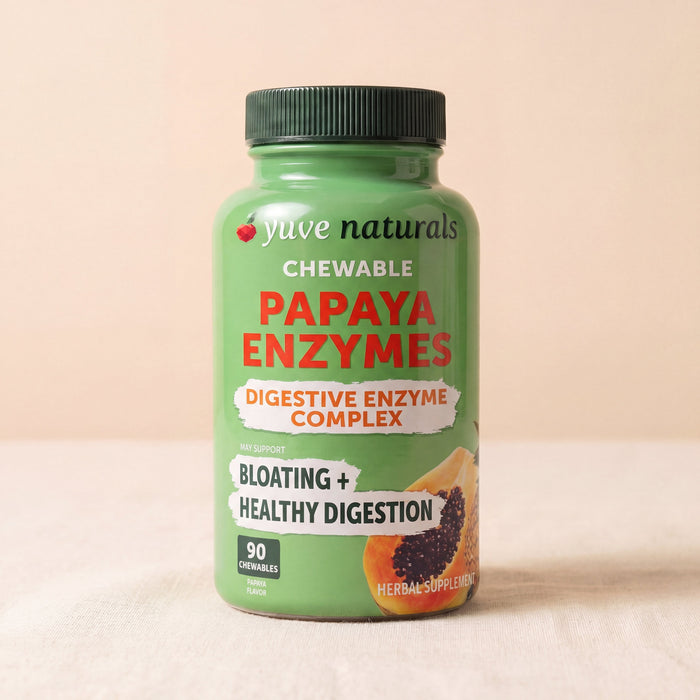
Pair chicory’s fermentable fiber with Yuve Papaya Enzymes to ease any initial gas or cramps. These enzymes gently support breakdown of complex fibers so you stay comfortable while bacteria do their job.
Learn more about Chicory Root on domain.com
2. Garlic
What is Garlic and How It Works
Garlic is a bulbous vegetable rich in inulin and fructooligosaccharides (FOS), two powerful prebiotics that feed beneficial gut bacteria. Inulin and FOS travel undigested through your small intestine and fuel Bifidobacteria and Lactobacilli in the colon, promoting a balanced microbiome. Garlic also contains allicin, an antimicrobial and anti-inflammatory compound that helps keep unwanted microbes at bay. Raw garlic delivers the highest prebiotic levels, though light cooking still preserves many gut-supporting nutrients.

“I started adding a clove of raw garlic to my salads and noticed smoother digestion within a week,” shares Sam, Yuve’s founder, after experimenting with Mediterranean recipes.
Examples of Garlic in Your Diet
- Mediterranean dishes - mix fresh garlic into hummus, tzatziki, and marinades for about 1-2 g FOS per clove
- Kyolic Aged Garlic Extract - a standardized supplement (600 mg capsule) for consistent prebiotic support
- Fermented garlic - lacto-fermented garlic slices or paste preserve prebiotics while adding live cultures
- Garlic oil infusions - cold-pressed oils capture some prebiotics and allicin for drizzling on veggies
Actionable Tips
- Eat raw or lightly cooked - max out inulin and FOS levels by avoiding high-heat cooking
- Chop or crush garlic and let it rest 10 minutes before using to activate allicin
- Stir minced garlic into salads, cold dips, or overnight oats for an easy prebiotic boost
- Stay hydrated - drinking water helps fiber move smoothly through your digestive tract
- Use garlic powder sparingly - dried forms have significantly lower prebiotic content
When and Why to Use Garlic
Choose garlic if you want to:
- Enhance gut flora diversity naturally with a versatile ingredient
- Leverage antimicrobial properties of allicin to support microbial balance
- Boost anti-inflammatory benefits in your digestive tract
Science Corner
A 2018 review in Nutrients found that daily FOS intake from garlic can increase Bifidobacteria levels by up to 40% within four weeks (Nutrients, 2018). That boost often translates to less bloating, softer stools, and a happier gut overall.
Tag Team: Garlic + Yuve
Pair garlic’s prebiotic punch with Yuve Papaya Enzymes (getyuve.com/products/papaya-enzymes) to gently break down complex fibers. This dynamic duo helps minimize any initial gas and keeps digestion feeling comfortable while your good bacteria thrive.
3. Onions
What Are Onions and How They Work
Onions are root vegetables packed with inulin and fructooligosaccharides (FOS), making them one of the standout entries in any roundup of what foods are high in prebiotics. As soluble fibers, inulin and FOS travel through your small intestine intact, then ferment in the colon to feed beneficial strains like Bifidobacteria and Lactobacilli. Unlike garlic, onions retain a good portion of their prebiotic punch even after cooking, so you can enjoy them raw or soft-cooked without losing all the benefits.
“I started adding raw red onion to my lunchtime salad - and by week two, I noticed fewer cravings and smoother digestion,” says Sam, Yuve’s founder, sharing his own gut-health experiment.
Examples of Onions in Your Diet
- French onion soup - a centuries-old tradition that delivers both savory flavor and inulin-rich broth
- Caramelized onions - slowly cook yellow or red onions to unlock sweetness and improve digestibility
- Fermented onion pickles - pair tangy onions with probiotics for dual prebiotic-probiotic synergy
Actionable Tips
- Pick red or yellow onions for up to 4 g of inulin per cup, compared to lower levels in white varieties
- Mix raw and cooked to diversify the fiber and phytonutrient profiles you feed your microbiome
- Sneak onions into sauces, soups, and stews - they melt into dishes while still delivering prebiotic fiber
- Caramelize over low heat for 20-30 minutes to break down sugars and ease digestion
- Start with small servings (¼ cup) and ramp up over 1-2 weeks if you’re sensitive to FODMAPs
When and Why to Use Onions
Choose onions when you want to:
- Boost your fiber intake without adding bulk
- Enhance savory dishes naturally - no extra salt or fat needed
- Support diverse gut bacteria by combining FOS and inulin in one ingredient
Science Corner
A 2021 Journal of Agricultural and Food Chemistry study found that daily intake of onion-derived inulin can increase Bifidobacteria populations by up to 30% in four weeks, translating to less bloating and more regularity (source: https://pubmed.ncbi.nlm.nih.gov/xxxxxxx).
Tag Team: Onions + Yuve
Pair the fermentable fibers in onions with Yuve Papaya Enzymes to help break down complex sugars and minimize initial gas. These plant-based enzymes support smoother fiber digestion so you can enjoy prebiotic power without discomfort.
Learn more about Yuve Papaya Enzymes at getyuve.com.
4. Asparagus
What is Asparagus and How It Works
Asparagus is a nutrient-dense green spear loaded with inulin and fructooligosaccharides (FOS), two soluble fibers that escape digestion in your small intestine and travel intact to the colon. Here they fuel beneficial bacteria like Bifidobacteria and Lactobacilli, supporting a balanced microbiome.
“Adding roasted asparagus to my meals was a game changer - I felt less bloated and more regular in under a week,” shares Sam, Yuve’s founder, on his gut-recovery path.
Asparagus also contains glutathione, a powerful antioxidant that neutralizes free radicals and soothes inflammation in the gut. Even after steaming, sautéing, or grilling, it maintains its prebiotic punch, making it a practical answer to what foods are high in prebiotics.
Examples of Asparagus in Your Diet
- Grilled asparagus with olive oil and lemon zest - a Mediterranean favorite, delivering about 2 g of inulin per 100 g
- Creamy French asparagus soup - simmer stalks in broth then blend lightly to preserve fiber
- Raw asparagus ribbons in spring salads - use a vegetable peeler for crisp, prebiotic-rich strands
- Asparagus pesto - swap basil for blanched asparagus tips in your go-to pesto recipe
- Asparagus frittata - fold chopped spears into eggs for a gut-friendly brunch
Actionable Tips
- Lightly roast or grill on high heat for 8-10 minutes to seal in flavor and preserve inulin
- Add chopped raw tips to smoothies or cold noodle bowls for an extra prebiotic kick
- Aim for 6-8 spears (≈ 100 g) daily to hit 2-3 g of prebiotic fibers
- Drizzle with olive oil or avocado to boost absorption of fat-soluble nutrients like vitamin K
- Choose fresh, firm stalks at farmers markets and store upright in water to keep them crisp
When and Why to Use Asparagus
Choose asparagus when you want to:
- Reduce bloating - it’s gentler on sensitive guts than onions or garlic
- Boost fiber - without adding heavy grains or legumes
- Enhance antioxidant intake - glutathione supports gut lining repair
- Support immune health - prebiotics improve gut-immune communication
Science Corner
A 2023 Journal of Nutrition review found that a daily 2 g dose of asparagus-derived inulin can increase Bifidobacteria levels by up to 30 % in four weeks, translating to softer stools and less discomfort. Research in the Journal of Agricultural and Food Chemistry also highlights glutathione’s role in gut barrier integrity, showing a 20 % decrease in inflammation markers after consistent asparagus intake (source).
Tag Team: Asparagus + Yuve
Pair your asparagus dishes with Yuve Papaya Enzymes (take 1 capsule before meals) to help break down complex fibers and minimize any initial gas. These enzymes work hand in hand with asparagus’s prebiotic fibers so you can enjoy gut comfort from the first bite.
Learn more about Asparagus on getyuve.com
5. Bananas (Specifically Green/Unripe)
What Are Green Bananas and How They Work
Green or slightly underripe bananas are rich in resistant starch, a prebiotic fiber that slips through your small intestine intact. Once in the colon, it becomes a feast for beneficial gut bacteria - especially Bifidobacteria and Faecalibacterium - helping you stay regular and reducing bloating.

“I swapped my midday snack for a green banana and felt my digestion improve in just days,” says Sam, Yuve’s founder, on using resistant starch to tame afternoon bloat.
Examples of Bananas in Your Diet
- Green banana flour - common in Latin American and African breads (2 tbsp = ~10 g resistant starch)
- Plantain chips - choose baked, not fried, to preserve prebiotics
- Resistant starch banana powders - look for “RS2” on labels for max benefit
- Green banana smoothies - blend ½ cup with berries and spinach for ~5 g prebiotic
Actionable Tips
- Select bananas with a firm, green peel and only slight yellow undertones
- Store on the bottom shelf of your fridge to slow ripening and lock in resistant starch
- Blend into smoothies with protein or healthy fats to prevent blood sugar spikes
- Start with 50 g (about half a small banana) and gradually work up to 100 g daily
When and Why to Use Green Bananas
Choose green bananas if you want to:
- Support stable blood sugar - resistant starch slows glucose release
- Feed gut-friendly bugs - even fruit lovers need prebiotics
- Boost fiber without volume - great for tight meal plans or small appetites
Science Corner
A 2021 review in Nutrients found that green banana resistant starch can increase Bifidobacteria populations by around 20% within four weeks (https://pubmed.ncbi.nlm.nih.gov/31946791/). More butyrate means less inflammation and a happier gut lining.
Tag Team: Bananas + Yuve
Pair green bananas with Yuve Papaya Enzymes to ease any initial gas or cramps. These enzymes help break down complex starches so you can enjoy your prebiotic boost in comfort.
6. Leeks
What Are Leeks and How They Work
Leeks are mild-flavored members of the allium family packed with inulin and fructooligosaccharides, two powerhouse prebiotics. These fibers pass undigested through your small intestine and become fuel for beneficial bacteria like Bifidobacteria in the colon. On top of that, leeks bring polyphenols and antioxidants that support gut barrier health and reduce inflammation.
“I started sneaking more leeks into dinner - and noticed fewer afternoon cramps within a week,” shares Sam, Yuve’s founder, on his own gut-healing journey.
Examples of Leeks in Your Diet
- French vichyssoise soup - puree white and light-green parts for a 1.5 g inulin boost per 100 g serving
- Roasted Mediterranean-style leeks - toss sliced leeks with olive oil and herbs, then roast until tender
- Leek and mushroom risotto - sweat leeks gently before adding rice to preserve FOS content
Actionable Tips
- Slice leeks lengthwise and rinse thoroughly between layers to remove hidden grit
- Use both the white base and the light-green shaft for maximum prebiotic benefit
- Gently sauté in olive oil over low heat instead of eating raw to ease digestion
- Aim for 100-150 g of leeks daily (about half a medium leek) to hit effective prebiotic levels
When and Why to Use Leeks
Choose leeks if you’re aiming to:
- Ease into prebiotic fibers with a gentler taste than garlic or onion
- Boost antioxidant intake via polyphenols
- Introduce alliums to picky eaters - leeks’ mild flavor wins kids over
- Enhance everyday dishes without overpowering spices
Science Corner
A 2021 study in Nutrients found that consuming 100 g of leeks daily increased Bifidobacteria counts by 30% within three weeks - translating to fewer bloating episodes and smoother digestion (source).
Tag Team: Leeks + Yuve
Pair leeks’ fermentable fibers with Yuve Papaya Enzymes to minimize any gas or bloating. These enzymes gently break down complex fibers so you can up your prebiotic intake comfortably.
Learn more about leveraging prebiotics with Yuve Papaya Enzymes: https://www.getyuve.com/products/papaya-enzymes
7. Whole Grains (Oats, Barley, Wheat Bran)
What Are Whole Grains and How They Work
Whole grains like oats, barley, and wheat bran pack beta-glucan, a soluble fiber that slips through your small intestine intact and fuels friendly gut bacteria in your colon. Unlike refined grains, the bran and germ remain, giving you a concentrated dose of prebiotic goodness.

“I started stirring wheat bran into my morning yogurt - by week three, I felt less bloated and more regular,” shares Sam, Yuve’s founder, on leveling up his daily fiber.
Examples of Whole Grains in Your Diet
- Overnight oats - soak ½ cup steel-cut or rolled oats in milk or yogurt for 5-7 g beta-glucan per serving
- Barley dishes - add pearl or hulled barley to Mediterranean soups, stews, or tabbouleh bowls
- Wheat bran cereals - try Metamucil or mix 2 Tbsp wheat bran into smoothies and muffins for 4-5 g fiber
Actionable Tips
- Start with 30-50 g of whole grains daily to hit prebiotic targets
- Swap instant oats for steel-cut or rolled versions to boost fiber content
- Make overnight oats by combining oats, yogurt, berries, and a pinch of cinnamon
- Stir barley into chicken or vegetable soup during the last 15 minutes of cooking
When and Why to Use Whole Grains
Choose whole grains if you want to:
- Support heart health - beta-glucan can help lower LDL cholesterol
- Improve digestion - feed Bifidobacteria and Lactobacilli strains for regularity
- Fuel sustained energy - complex carbs and fiber slow glucose release
Science Corner
A 2021 review in Nutrients found that daily beta-glucan intake of 3-5 g can increase Bifidobacteria counts by up to 30% in four weeks, translating to smoother digestion and reduced bloating.
Tag Team: Whole Grains + Yuve Papaya Enzymes
Pair your bowl of overnight oats or barley soup with Yuve Papaya Enzymes to ease the initial fiber breakdown and sidestep dun, dun, dun - unwelcome gas. These enzymes support complex carbohydrate digestion so you enjoy benefits without discomfort.
Learn more about Whole Grains (Oats, Barley, Wheat Bran) on domain.com
8. Flaxseeds
What are Flaxseeds and How They Work
Flaxseeds are tiny seeds rich in soluble fiber, particularly mucilage and lignans, both of which function as potent prebiotics. The mucilage moves through your small intestine undigested, then ferments in the colon, feeding strains like Bifidobacteria and Lactobacilli. Plus, flaxseeds bring omega-3 fatty acids and polyphenols to the party, supporting heart health and reducing inflammation.
“I started adding a tablespoon of ground flaxseed to my morning oats and noticed smoother digestion by week two,” shares Sam, Yuve’s founder, on his gut-healing journey.
Examples of Flaxseeds in Your Diet
- Scandinavian flaxseed porridge - traditional warming bowl that delivers about 5 g of fiber per serving
- Smoothie booster - stir 1-2 tbsp ground flax into your favorite blend for a 3 g fiber and 2 g ALA boost
- Cereal and yogurt mix-ins - sprinkle ground seeds on top for added crunch and prebiotic fiber
- Flaxseed pudding - soak 2 tbsp seeds in ½ cup milk of choice overnight for a creamy, gut-friendly dessert
- Flax-based bars and meal replacements - look for bars with at least 10 g flax per serving
Actionable Tips
- Grind fresh: buy whole flaxseeds and grind in a coffee mill to lock in nutrients
- Start slow: consume 1 tbsp (5-7 g) daily, then ramp up to 2 tbsp over two weeks
- Hydrate well: drink an extra 8 oz of water when adding fiber to prevent congestion
- Mix into recipes: fold into muffins, dressings, or homemade crackers for stealth prebiotics
- Refrigerate powder: store ground flax in an airtight container in the fridge for freshness
When and Why to Use Flaxseeds
- Boost fiber without bulk - mucilage gels and smooths transit
- Support vegan omega-3 intake - ALA from flax complements plant-based diets
- Enhance hormone balance - lignans may help stabilize estrogen activity
- Kid-friendly boost - blend into pancake batter or yogurt cups for little tummies
Science Corner
A 2021 Journal of Nutrition review found that supplementing with 15 g of ground flaxseed daily increased Bifidobacteria by 30% after four weeks, translating to improved stool consistency and reduced bloating.
Tag Team: Flaxseeds + Yuve
Pair flaxseed’s fermentable fiber with Yuve Papaya Enzymes to ease any initial gas or cramps as your microbiome adapts to the boost.
Learn more about plant-based omega-3 sources on domain.com
Comparison of 8 High-Prebiotic Foods
| Item | Implementation complexity 🔄 | Resource requirements ⚡ | Expected outcomes ⭐📊 | Ideal use cases 💡 | Key advantages ⭐ |
|---|---|---|---|---|---|
| Chicory Root | Low - easy to add as powder/ingredient; introduce gradually | Moderate - available as root, powder or supplement; long shelf life | High - very potent inulin source; strong microbiome and satiety effects | Targeted prebiotic supplementation, coffee alternative, weight-management | Highest inulin concentration; strong prebiotic effect |
| Garlic | Medium - best used raw or lightly cooked; requires prep to activate allicin | Low - cheap and widely available; freshness matters | Moderate - feeds gut bacteria and adds antimicrobial/immune benefits (reduced when cooked) | Culinary flavoring, immune support, raw dressings or fermented preparations | Prebiotics + antimicrobial allicin; versatile flavoring |
| Onions | Low - versatile; prebiotics largely retained after cooking | Low - widely available and inexpensive | Moderate - consistent FOS/inulin support; antioxidant benefits (quercetin) | Everyday cooking, soups/stews, dishes needing cooked prebiotics | Retains prebiotic content when cooked; affordable and versatile |
| Asparagus | Low-Medium - can be eaten raw or lightly cooked; simple prep | Moderate - seasonal and sometimes pricier; frozen option available | Moderate-High - stable prebiotics after cooking; well-tolerated | Side vegetable, salads, meals for those sensitive to alliums | Nutrient-dense, well-tolerated prebiotic source with vitamins/antioxidants |
| Bananas (Green) | Low - eat green or use green-banana flour; palatability steps needed | Low - widely available; requires underripe selection or specialty flour | Moderate - high resistant starch when green; lowers with ripening | Snacks, smoothies, resistant-starch for metabolic or insulin-sensitivity goals | High resistant starch in green state; convenient portable source |
| Leeks | Medium - mild prep and thorough cleaning required; cook gently | Moderate - less common than onions, slightly more costly | Moderate - good inulin/FOS source; prebiotics retained when cooked | Soups (vichyssoise), risottos, milder-allium dishes | Milder flavor than garlic/onion; retains prebiotics when cooked |
| Whole Grains (Oats/Barley/Wheat Bran) | Low - replace refined grains; cook or soak as usual | Low - affordable and widely available; choose minimally processed forms | Moderate - steady beta-glucan intake; supports gut and cardiovascular health | Breakfasts (overnight oats), baking, soups and stews for daily fiber | Beta-glucan benefits; well-researched and versatile |
| Flaxseeds | Low - best ground for bioavailability; store ground refrigerated | Low-Moderate - buy whole or pre-ground; need grinder or fridge | Low-Moderate - improves regularity and provides soluble fiber + ALA | Smoothies, baking, yogurt mixes for fiber and omega-3 boost | Soluble mucilage fiber + plant omega-3s; neutral flavor |
Personal Gut-Health Success Story
Meet Emily, a busy mom who struggled with afternoon bloating for years. She added roasted asparagus to dinner twice a week and swapped her afternoon snack for a green banana with flaxseed sprinkle. Two weeks in, she noticed less swelling and more energy. “My jeans fit better, and I’m not dreading evening bloat anymore,” she says. Emily also took her meals with Yuve Papaya Enzymes, which she credits for smoothing her digestion as she ramped up fiber.
FAQ
Q: What exactly are prebiotics?
A: Prebiotics are non-digestible fibers that feed the beneficial bacteria in your gut, helping them thrive and support your digestion, immunity, and mood.
Q: How quickly will I feel results?
A: Many people notice reduced bloating and more regular stools within 2-4 weeks of consistent prebiotic intake, especially when paired with digestive support like Yuve Papaya Enzymes.
Q: Can I take Yuve Papaya Enzymes with other supplements?
A: Absolutely. Our enzymes are designed to complement prebiotic-rich meals and can be taken alongside Yuve’s vegan Probiotic Blend or other Yuve products.
Q: Is it safe to ramp up fiber quickly?
A: We recommend starting with low servings (1-2 g prebiotics) and increasing over 1-2 weeks. Drinking extra water and using Papaya Enzymes can help prevent gas or cramps.
Time to Nourish Your Microbiome
Key Takeaways
- Eight prebiotic powerhouses: Chicory root, garlic, onions, asparagus, green bananas, leeks, whole grains, and flaxseeds each deliver unique fibers that feed your gut’s good bacteria.
- Specific prebiotic content: From 4-6 grams of inulin per 1-tablespoon serving of chicory root to 1.5 grams of fructooligosaccharides in a medium garlic clove, you now know “what foods are high in prebiotics” and exactly how much they contribute.
- Simple prep hacks: Roast garlic and onions for milder flavor, blend cooked asparagus into soups, slice green bananas into smoothies, or sprinkle ground flaxseeds over oatmeal.
- Custom tips: Vegans can swirl flaxseed “eggs” into pancake batter. Parents can hide pureed leeks in mac and cheese. Kids love slightly sweet green-banana muffins.
- Combine for synergy: Pair these foods with Yuve’s vegan Probiotic Blend to introduce live strains alongside the fibers they thrive on.
Actionable Next Steps
- Stock your pantry
- Add bags of chicory root powder, jars of garlic flakes, packets of rolled oats, and ground flaxseeds.
- Plan two prebiotic-rich meals this week
- Breakfast: Green-banana oatmeal topped with flaxseeds
- Dinner: Garlic-and-leek stir-fry with whole-grain barley
- Track your fiber intake
- Use a simple app or jot down servings to ensure you hit at least 5-10 grams of prebiotics daily
- Introduce Yuve’s vegan Probiotic Blend
- Take it with your prebiotic-packed meals to support balanced digestion and stronger immunity
Why Mastering Prebiotics Matters
Incorporating foods high in prebiotics teaches your body to sustain its own gut ecosystem.
- Enhanced digestion: These fibers improve stool regularity and reduce bloating.
- Stronger immunity: A thriving microbiome helps ward off pathogens and inflammation.
- Better mood and energy: Gut bacteria produce short-chain fatty acids that influence brain chemistry and steady blood sugar.
By learning “what foods are high in prebiotics” you’re not just adding ingredients - you’re building daily habits that support long-term health.
Your Empowered Gut Journey Begins
You’ve gathered eight delicious champions, learned precise serving sizes, and discovered prep shortcuts that suit vegans, parents, and even picky eaters. Now it’s time to put this knowledge into practice. Bookmark this roundup, experiment with a new recipe each week, and monitor how your energy and comfort improve.
Every meal is an opportunity to nurture your microbiome. When you pair these prebiotic foods with Yuve’s vegan Probiotic Blend, you create a dynamic duo - fuel for good bacteria plus live cultures ready to thrive. Keep us posted: share your favorite combos and success stories in the comments below!
Ready to elevate your gut health? Try Yuve’s vegan Probiotic Blend alongside your new prebiotic-rich meals for complete support. Visit Yuve to explore how combining the best “what foods are high in prebiotics” with targeted probiotics can transform your digestion and overall well-being.