Feeling like you're doing everything right on your gluten-free journey but still battling that annoying fatigue or stubborn bloating? Ugh, it’s so frustrating. You're not alone-and it’s not just about the food you eat. Here’s a little secret: many people don't realize that binders, fillers, and coatings in common vitamins can contain hidden gluten, undermining all your hard work.
In this guide, we'll walk you through exactly why this happens and how choosing the right supplements can be a total game-changer for your energy and well-being. We’ll show you how to finally close that wellness gap so you can feel your absolute best.
Why Your Gluten-Free Diet Might Be Missing Something

You’ve ditched the gluten, you read every food label like a detective, and you’ve become a pro at navigating restaurant menus. And yet... you're still not feeling 100%. What if the culprit is lurking where you’d least expect it-inside your daily supplements?
It’s a frustrating reality for so many of us. You make a massive lifestyle change to feel better, only to find something is still holding you back from feeling truly vibrant. That sluggish, unwell feeling is a real downer, and it’s easy to start wondering if all the effort is even worth it.
The Hidden Sabotage in Your Supplement Cabinet
I have to be direct here: the supplement industry isn't always as transparent as we'd like. Gluten can sneak into products through ingredients you’d never even think to question, like wheat starch used as a binder or barley for a bit of flavoring. This is a huge deal, especially for people with:
- Celiac Disease: An autoimmune disorder where even microscopic amounts of gluten can trigger significant intestinal damage.
- Non-Celiac Gluten Sensitivity (NCGS): For these individuals, gluten causes digestive distress, headaches, and fatigue, but without the autoimmune response seen in celiac.
- Wheat Allergy: A classic immune reaction to proteins found in wheat, which can lead to anything from hives to serious breathing difficulties.
To really get a handle on this, it's helpful to understand the crucial difference between food intolerance and allergy. Knowing where you fall on that spectrum is the first step toward advocating for your own health.
Your Guide to Feeling Great Again
This is exactly where choosing certified gluten free vitamins becomes a total game-changer. It isn't just about dodging a bad reaction; it's about finally giving your body the clean, supportive nutrients it needs to actually thrive. The right supplement can help you close that wellness gap once and for all, especially when you're looking for ways to boost energy levels naturally while sticking to your gluten-free lifestyle.
What Does "Gluten-Free" Really Mean for Your Supplements?
When you see ‘gluten-free’ on a box of crackers, it feels pretty straightforward. But what does that label actually mean when it’s on a bottle of vitamins? The standard is just as strict-and for a very good reason.
For a supplement to be labeled gluten-free in the U.S., it has to contain less than 20 parts per million (ppm) of gluten. To put that in perspective, imagine a single drop of gluten in a huge bucket of water. That’s the tiny threshold the FDA has determined is safe for most people with celiac disease. This isn’t just a random number; it's a critical safety net.
Why This Standard Is So Important
Even trace amounts of gluten can feel like a tiny spark setting off a forest fire inside your gut. For anyone with celiac disease or a high sensitivity, these microscopic particles can trigger a full-blown inflammatory response.
This inflammation doesn't just cause that awful bloating or stomach pain. Over time, it can actually damage the lining of your small intestine, which gets in the way of your body absorbing all the good stuff from your food and supplements. Talk about frustrating! You’re taking vitamins to get healthier, but hidden gluten could be blocking the very nutrients you need.
This has become a massive focus for health-conscious consumers and brands alike. The broader gluten-free products market, which includes vitamin-fortified foods and supplements, was valued at $8.20 billion in 2025 and is projected to hit $13.70 billion by 2034. That growth is fueled by consumer trust in clear FDA standards. You can discover more insights about the gluten-free market growth at Straits Research.
The Most Common Gluten Culprits
So, where is this sneaky gluten coming from? It’s rarely the vitamin itself. The problem usually lies in the "other ingredients" used to make the pill, tablet, or capsule.
For our founder, Sam, this was a huge turning point. He’d gone completely gluten-free but still battled fatigue and brain fog. It wasn't until he scrutinized his supplements that he found the hidden source of his issues-and the inspiration for Yuve was born.
Here are the usual suspects to watch out for:
- Binders and Fillers: Ingredients like wheat starch are sometimes used to give a pill its shape and bulk.
- Coatings: Some tablets have a slick coating to make them easier to swallow, and these can sometimes be derived from gluten-containing grains.
- Flow Agents: These prevent ingredients from clumping together during manufacturing.
This is why we take our certified gluten-free promise so seriously at Yuve. We make sure every single ingredient is clean and safe, so you never have to second-guess what you’re putting into your body.
How to Spot Hidden Gluten in Your Vitamins
It’s a frustrating reality, but gluten can show up in the most unexpected places-including your daily vitamins. You'd think the active ingredients like Vitamin C or Iron are all that matter, but the real culprits are often the so-called ‘inactive’ ingredients.
These are the unsung heroes of a supplement, the binders, fillers, and coatings that hold a tablet together, add bulk to a capsule, or give a gummy its texture. The problem is, some of the most common and cost-effective ingredients used for these jobs come from gluten-containing grains.
The Sneaky Sources of Gluten
Trying to find hidden gluten can feel like a game of hide-and-seek you never wanted to play. Dun, dun, dun... surprise gluten. Yikes! A manufacturer might use wheat starch as a simple binder or add barley malt for a bit of flavor in a chewable vitamin. While harmless for most, these ingredients are major red flags for anyone with celiac disease or a gluten sensitivity.
To help you become a savvy label reader, here's a quick-reference table. It highlights the common places gluten hides in supplements and what to watch out for.
| Common Hidden Sources of Gluten in Supplements |
| :--- | :--- | :--- |
| Source Type | Potential Gluten Ingredient | What to Look For on Labels |
| Fillers & Binders | Wheat Starch, Modified Food Starch | Look for a specific source, like "modified corn starch" or "tapioca starch." If it just says "modified food starch," be cautious. |
| Coatings | Dextrins, Maltodextrin | These can be derived from wheat. The label should ideally specify a gluten-free source like corn or rice. |
| Sweeteners & Flavors | Malt Syrup, Barley Malt, "Natural Flavors" | Barley-based ingredients are a direct source of gluten. The term "natural flavors" is vague and can sometimes hide gluten derivatives. |
| Yeast | Brewer's Yeast, Yeast Extract | While many yeasts are gluten-free, Brewer's Yeast is often a byproduct of beer brewing and can be contaminated with barley. |
| Vitamin E Source | D-alpha tocopheryl succinate | Less common now, but some forms of Vitamin E can be derived from wheat germ oil. Look for a "soy-free" or "sunflower-derived" source. |
This table isn't meant to be exhaustive, but it covers the main offenders you're likely to encounter when checking your supplement labels.
The Risk of Cross-Contamination
Here’s the tricky part: even if a supplement’s ingredient list looks perfectly clean, there's another major risk to consider-cross-contamination.
Imagine a factory that just finished a production run of a standard multivitamin using a wheat-based filler. Right after, they start making a "gluten-free" batch on the same equipment. If that machinery isn't thoroughly cleaned, microscopic gluten particles can easily transfer to the next product. Suddenly, that "safe" supplement isn't so safe anymore.
This isn't necessarily about a company being negligent. It's an inherent risk in shared manufacturing facilities. It's also why a simple "gluten-free" claim on a label might not be enough for those who are highly sensitive. You really want a stronger guarantee.
The visual below breaks down the official standard for what "gluten-free" actually means in measurable terms.

As the graphic shows, for any product to legally be labeled "gluten-free," it must contain less than 20 parts per million (PPM) of gluten. This tiny threshold is widely considered safe for the vast majority of people with celiac disease.
Why Certifications Are Your Best Friend
This is where third-party certifications become your most trusted ally. They cut through the noise and provide genuine peace of mind.
A simple "gluten-free" claim on a bottle means the company believes it meets the standard. A certified gluten-free seal means an independent organization has verified it through rigorous testing and facility audits.
Seals from well-respected organizations like the Gluten-Free Certification Organization (GFCO) signal a much higher level of commitment. They don't just test the final product; they scrutinize the entire manufacturing process to ensure safeguards against cross-contamination are in place from start to finish. That’s exactly why at Yuve, we ensure our products are certified, giving you the confidence that what you’re putting in your body is truly pure and clean.
Common Nutrient Gaps in a Gluten-Free Diet
Switching to a gluten-free lifestyle is a huge win for your health, especially when it finally quiets down frustrating symptoms. But here’s something we need to talk about: while you're busy kicking gluten to the curb, you might be unintentionally sidelining some vital nutrients.
It’s a common and frustrating catch-22. So many gluten-containing foods, particularly everyday staples like breads and cereals, are fortified with extra vitamins and minerals. When you cut them out, you lose those nutritional safety nets, and some surprising gaps can start to appear in your diet.
The Most Common Deficiencies
Going gluten-free often means saying goodbye to enriched wheat flour, which can lead to a shortfall in a few critical areas. Think of these nutrients as the spark plugs for your body's engine. Without them, things can start to feel sluggish and out of sync.
Here are the nutrients that most often need a top-up:
- B Vitamins (Especially Folate, B12, and Thiamin): These are your energy powerhouses. They're crucial for converting food into fuel, keeping your brain sharp and your body moving. A dip in B vitamins can leave you feeling drained and foggy, no matter how much you rest.
- Iron: This mineral is absolutely essential for carrying oxygen throughout your bloodstream. Low iron is a direct path to fatigue-city, leaving you feeling weak and breathless from simple tasks.
- Vitamin D: Often called the "sunshine vitamin," Vitamin D is crucial for a strong immune system and healthy bones. Many people are deficient in general, and a restricted diet can make it even harder to get enough.
This exact issue hit our founder, Sam, hard when he first went gluten-free. He was doing everything "right," but the constant fatigue was overwhelming. It wasn't until he connected the dots and realized his new diet had created these exact nutrient gaps that he finally found his path back to feeling energized.
Bridging the Nutritional Gap
The reality is that many gluten-free products just don't pack the same nutritional punch as their gluten-filled counterparts. Studies have shown that a significant number of gluten-free alternatives are lower in key nutrients like B12 and iron. To dig deeper into this topic, you can learn more about trends in the gluten-free food market.
This is why supplementing isn't just a "nice-to-have"-it’s a proactive and intelligent strategy to ensure your body is fully nourished. It’s about making sure your hard work pays off so you can feel vibrant and strong.
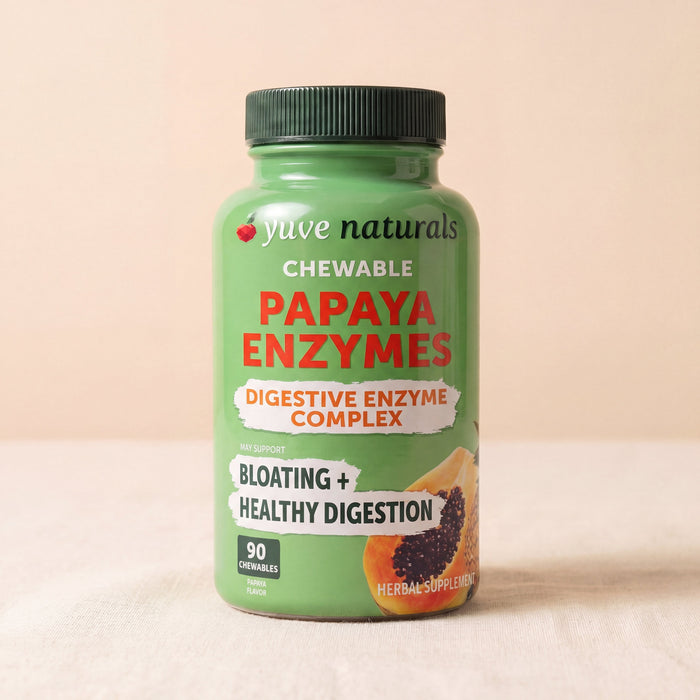
Filling these gaps is precisely why we created Yuve's Multivitamin. It’s specifically formulated to deliver those essential B vitamins, iron, and other key nutrients you might be missing. It’s your daily insurance policy for a thriving, energetic, and truly healthy gluten-free life. Alongside a great multivitamin, it's also important to support your gut's ability to absorb these nutrients, which is where the right gluten-free probiotics can make a huge difference.
Your Checklist for Choosing Safe Gluten-Free Vitamins
Feeling truly confident in your supplement choice is everything. It’s the difference between crossing your fingers hoping a vitamin works and knowing you're actively supporting your body without hidden risks. To help you walk that aisle with total assurance, here’s a practical checklist to make it simple.
Think of this as your personal guide to making smart, safe choices every time.
Start with Third-Party Certification
First things first: look for a third-party gluten-free certification seal on the bottle. A simple "gluten-free" claim means the product is supposed to meet the FDA's standard, but a seal from an organization like the Gluten-Free Certification Organization (GFCO) is on a whole other level.
That little seal tells you an independent group has put the product through its paces. They’ve not only tested it but also audited the entire manufacturing facility to sniff out any potential for cross-contamination. It's the ultimate green light for safety and peace of mind.
To make sense of what you see on a label, it's helpful to know what the different levels of certification actually guarantee.
Gluten-Free Certification Levels Explained
| Certification/Label | Gluten Limit (ppm) | What It Means for You |
|---|---|---|
| Gluten-Free Certification Organization (GFCO) | 10 ppm or less | This is the strictest standard. It provides the highest level of assurance for individuals with celiac disease or severe gluten sensitivity. |
| FDA "Gluten-Free" Claim | Less than 20 ppm | This is the federal standard. While reliable for many, it allows for a slightly higher trace amount of gluten than stricter certifications. |
| "No Gluten Ingredients" | Not tested | This simply means gluten-containing ingredients were not added. It offers no protection against cross-contamination during manufacturing. |
Seeing this laid out makes it clear why a seal from a group like the GFCO carries so much weight.
Scan the Full Ingredient List
Next up, put on your detective hat. Don't just glance at the main vitamins and minerals; scan the entire ingredient list, especially the "other ingredients" section. This is where gluten loves to play hide-and-seek.
Keep an eye out for potential red flags like:
- "Modified food starch" that doesn’t specify its source (you want to see "corn," "potato," or "tapioca").
- Vague terms like "natural flavors," which can sometimes hide barley-based additives.
- Binders, fillers, or excipients that could be derived from wheat.
Learning what to spot is a game-changer. For a much deeper look, we've put together a guide on how to read supplement labels that will turn you into an expert.
Consider Your Whole-Body Needs
Finally, think beyond just gluten. Your wellness journey is completely your own, and your supplements should fit into that picture seamlessly. Are you also navigating other allergies or sticking to a particular lifestyle?
At Yuve, this is central to how we think. We didn’t just set out to make gluten-free products. We wanted to create supplements that support a complete, wellness-focused lifestyle, no compromises.
This is why all Yuve products are not only certified gluten-free but also 100% vegan and free from major allergens like soy and dairy. This isn't just about preventing a bad reaction; it's about finding a product that truly aligns with your health philosophy and removes all the guesswork.
Choosing the right gluten-free vitamins shouldn't be a stressful task. With these simple steps, you can feel empowered and secure in your choices. You’re not just buying a supplement-you’re making a real investment in your health, and Yuve is here to be a partner you can trust.
Why Gluten-Free Gummies Are a Great Choice

Let’s be honest for a second-swallowing a handful of pills every single day can feel like a real chore. If you've ever looked at a vitamin bottle and just thought, "not today," you are definitely not alone. It's actually one of the biggest reasons people just stop taking their supplements.
This is exactly where gluten-free gummy vitamins come in. They are a fantastic alternative for anyone looking for a convenient, enjoyable, and genuinely tasty way to get their daily nutrients without the hassle of traditional capsules or tablets.
Are Gummies as Effective as Pills?
It's a question we get all the time: are gummies just candy masquerading as a health product, or do they actually work? The answer is a big, confident yes, they are absolutely effective when they're formulated the right way. A high-quality gummy vitamin can be just as potent and bioavailable as a traditional pill, which means your body can absorb and put those nutrients to work just as efficiently.
The trick is to find a brand that focuses on clean, active ingredients instead of loading their products up with unnecessary sugars and artificial fillers. It’s all about making your wellness routine something you actually look forward to-turning a daily task into a small, joyful ritual.
For anyone who has ever skipped their vitamins just to avoid another pill, gummies are a true game-changer. Consistency is the most important factor in seeing results, and a delicious gummy makes staying consistent effortless.
The global gluten-free gummy vitamins market has seen explosive growth for this very reason. It’s expected to hit an estimated $500 million in 2025 and is projected to keep expanding. You can explore the full report on gummy vitamin market trends to see the data for yourself.
That’s why we’re so incredibly proud of Yuve's plant-based gummies. They aren't just certified gluten-free; they're also made with real fruit flavors and without any gelatin or artificial junk. They deliver the essential nutrients your body needs in a form you'll genuinely love, making sure your path to better health is both effective and delicious.
Your Questions About Gluten-Free Vitamins Answered
Diving into the world of supplements can feel a little overwhelming, especially when you're managing a gluten-free lifestyle. We've heard your questions, and we're here to clear things up so you can make confident, healthy choices.
Are All Vitamins Naturally Gluten-Free?
I do NOT think so. This is a common misconception. The active vitamin and mineral ingredients themselves don't contain gluten, but the trouble often lies in the other stuff.
Many supplements include binders, fillers, or coatings derived from wheat or barley to hold the pill together or make it easier to swallow. Cross-contamination during the manufacturing process is another huge risk. For peace of mind, the safest bet is to always look for a "certified gluten-free" seal on the label.
Can I Get Enough Vitamins From My Diet Alone?
Even with the most careful planning, it's incredibly difficult. Many gluten-free packaged foods, like breads and cereals, aren't fortified with the essential B vitamins and iron that are routinely added to their wheat-based counterparts. This can create a significant nutrient gap, often leading to fatigue and other nagging health issues.
Think of a quality gluten-free multivitamin as your nutritional insurance policy. It's a simple, proactive way to make sure your body has everything it needs to thrive.
What's the Difference Between "Gluten-Free" and "Certified Gluten-Free"?
This is a great question, as the distinction is crucial. When a product is labeled "gluten-free," it means the manufacturer is claiming it meets the FDA’s threshold of containing less than 20 parts per million (ppm) of gluten.
"Certified gluten-free," on the other hand, offers a much higher level of assurance. This seal means an independent, third-party organization has rigorously tested the product and audited the manufacturing facility to verify it meets strict standards for purity and safety. It’s an extra layer of trust you can count on.
Of course, optimizing your vitamin intake is just one piece of the wellness puzzle. Other daily habits are just as important for feeling your best. For instance, exploring The Health Benefits of a Good Night's Sleep can make a world of difference for your energy and even your gut health.
At Yuve, we believe supplementation should be simple and worry-free. Our entire line is certified gluten-free, vegan, and crafted with clean, plant-based ingredients to support your wellness journey from every angle. Explore our collection and find your perfect fit today.