Ever feel like your stomach inflates like a balloon by the afternoon? You’re not alone-and it’s not always about what you just ate. If you've ever asked, "Can I actually heal my IBS naturally?", the answer is a resounding yes. While there isn't a one-size-fits-all "cure," getting to a place of long-term, symptom-free relief is entirely achievable.
It all comes down to a three-pronged approach: figuring out your unique food triggers, bringing your gut microbiome back into balance, and learning to manage the powerful connection between your gut and your brain. We’re going to walk through practical, science-backed strategies to help you get your life back. A happier, calmer gut is absolutely within your reach.
The Reality of Living with IBS-and the Hope for Healing
Does your gut feel like it’s running the show? One day you’re fine, and the next you're dealing with unpredictable bloating, cramping, or that urgent need to find a bathroom now. If so, we hear you. That constant uncertainty is exhausting and can make you feel completely alone.
It's easy to start seeing food as the enemy or dreading social plans. But I want to be clear about something: you don't have to live that way. Real, lasting relief isn't about finding a magic pill. It's about becoming a detective for your own body and giving it the support it needs to heal from the inside out.
You Are Not Alone in This
The sheer number of people dealing with IBS is staggering. This isn't some rare, mysterious ailment. A massive 2023 meta-analysis found that roughly 1 in 7 people globally might be quietly struggling with it.
Here in the U.S., that translates to an estimated 25 to 45 million people. Think about that-it’s a huge community of people navigating the same daily challenges. Research also shows that nearly half of those with moderate symptoms see significant improvement with clean, plant-focused nutrition. You can dive into the full study on IBS prevalence to see the data for yourself.
This is more than just a statistic for us. Yuve’s founder, Sam, started this company because of his own frustrating battle with digestive issues. He discovered that by combining mindful eating with targeted, clean supplements, he could finally calm the chaos in his gut. His journey is a powerful reminder that you can shift from being controlled by your symptoms to being empowered by your choices.
Building Your Foundational Food Plan for a Calm Gut
Let's get real about food. When you're living with IBS, your relationship with eating can become... well, complicated. It’s easy to start fearing meals, wondering if that otherwise healthy-looking salad is going to send you into an afternoon of bloating and pain. Trust me, I get it. The goal here isn't about restriction; it's about empowerment. It's about figuring out what makes your unique body feel good so you can finally eat with confidence again.
This journey-from the daily frustration of symptoms to feeling back in control-is a process, but it's one filled with hope.
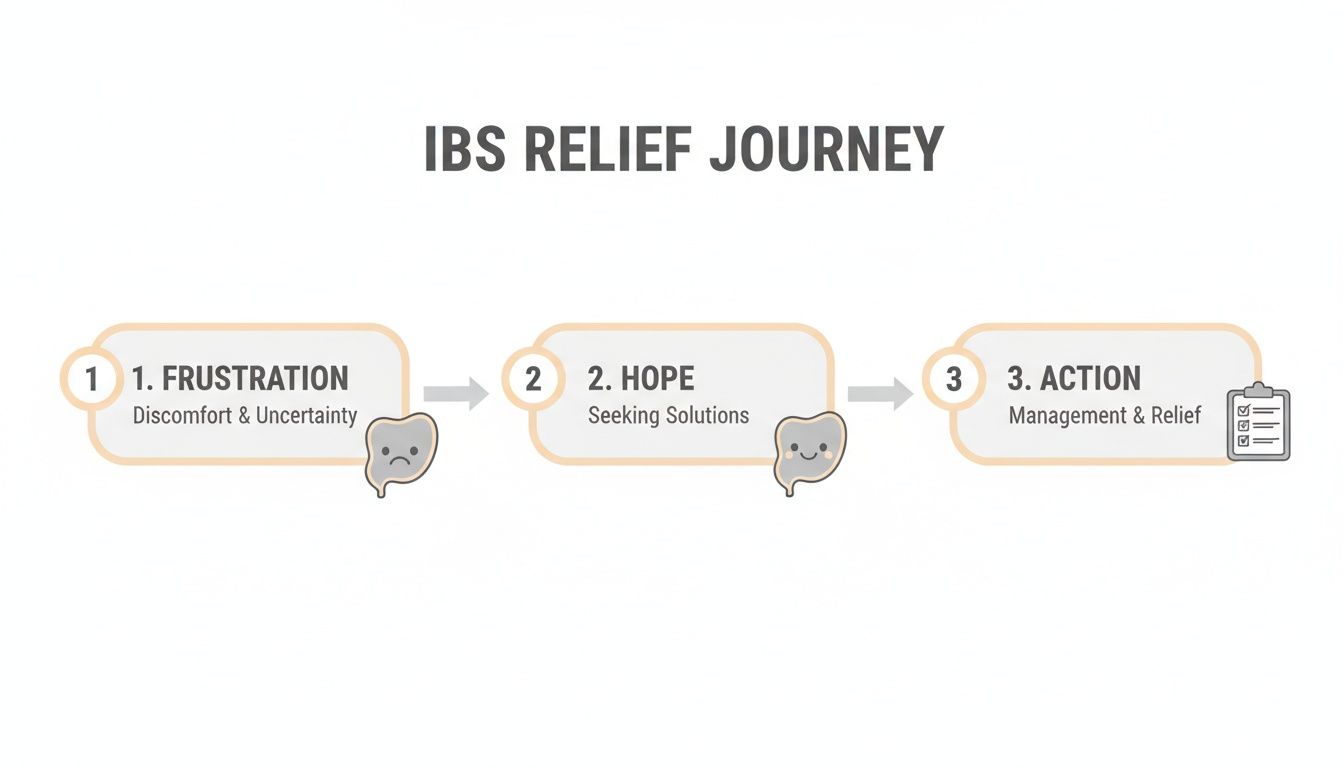
The key takeaway is that action follows hope. Once you have a clear plan, you can start making the small, consistent changes that lead to big relief.
The Low-FODMAP Diet Demystified
You’ve probably heard the term "low-FODMAP diet" thrown around. It sounds technical and intimidating, but the concept is actually pretty straightforward. FODMAPs are just specific types of carbohydrates that can be tough for some of us to digest, fermenting in the gut and leading to that all-too-familiar gas, bloating, and discomfort.
Here's the most important thing to know: the low-FODMAP diet is not a life sentence. Think of it as a short-term learning tool. It’s an elimination diet designed to give your gut a much-needed break before you systematically figure out which specific foods are your personal triggers.
The process typically unfolds in two phases:
- The Elimination Phase (about 2-6 weeks): During this time, you'll temporarily remove all high-FODMAP foods. This gives your gut a chance to calm down and provides a clean slate to work from.
- The Reintroduction Phase: This is where the magic happens! You’ll slowly and methodically bring back one FODMAP group at a time to see precisely how your body reacts. This is how you build a personalized, long-term eating plan that works for you.
Because it can be a little complex, I always recommend working with a registered dietitian if you can. They can provide incredible personalized guidance through this process.
Making Simple, Gut-Friendly Swaps
Getting started doesn't have to feel like a total kitchen overhaul. Often, it just comes down to making a few simple swaps. Instead of grabbing an apple (high in fructose and polyols), you might reach for a handful of blueberries. Instead of cooking with garlic and onions, you could learn to love flavoring your dishes with fresh herbs, ginger, or garlic-infused oil.
To make things even easier, here are some common swaps to get you started on your next grocery run.
Simple Food Swaps for a Happier Gut
This table highlights some common high-FODMAP foods and offers gut-friendly alternatives to try. It's a great cheat sheet for when you're meal planning or standing in the middle of a grocery aisle.
| Instead of This (Potential Trigger) | Try This (Gut-Friendly Alternative) |
|---|---|
| Garlic and Onions | Garlic-infused Oil, Chives, Scallion Greens |
| Wheat Bread, Pasta | Sourdough Spelt Bread, Gluten-Free Pasta, Quinoa |
| Cow's Milk, Regular Yogurt | Lactose-Free Milk, Almond Milk, Coconut Yogurt |
| Apples, Pears, Mangoes | Blueberries, Strawberries, Oranges, Kiwi |
| Honey, High-Fructose Corn Syrup | Maple Syrup, Stevia |
| Cashews, Pistachios | Walnuts, Pecans, Peanuts, Macadamia Nuts |
This is just a starting point, of course. For a more in-depth look at building a sustainable eating plan, check out our complete gut health diet plan.
Understanding the Two Faces of Fiber
We're always told to "eat more fiber," but for those with IBS, it's not that simple. Not all fiber is created equal, and getting the right kind can be a total game-changer.
- Soluble Fiber: This type dissolves in water to form a gel. Think of it as the gentle, soothing kind of fiber. It helps slow digestion, which can be fantastic for managing diarrhea. You’ll find it in foods like oats, carrots, blueberries, and psyllium husk.
- Insoluble Fiber: This type doesn’t dissolve. It adds bulk to your stool and helps move things along, which can be great for constipation. However, for some people, too much of it from sources like raw kale or whole nuts can feel abrasive and irritating.
The trick is finding your personal balance. A good strategy is to start by slowly increasing your intake of soluble fiber and paying close attention to how you feel.
Beyond What You Eat: Mindful Eating Habits
Sometimes, how you eat is just as important as what you eat. Rushing through a meal while scrolling on your phone or answering emails sends stress signals straight to your gut, which can absolutely interfere with digestion.
A simple practice: Before each meal, take three deep, slow breaths. This tiny action helps activate your parasympathetic nervous system-the "rest and digest" system. It’s a signal to your body that it’s safe to relax and focus on digesting your food properly.
Chewing your food thoroughly is another secret weapon. Digestion literally starts in your mouth. When you chew well, you give your digestive enzymes a major head start, which reduces the burden on the rest of your system. It’s a small change that can lead to a significant reduction in that dreaded post-meal bloat.
Probiotics and Prebiotics: Your Gut’s Reinforcement Team
Think of your gut microbiome as a delicate internal garden. When it's in balance, everything thrives. But with IBS, it’s common for the "weeds" (unhelpful bacteria) to start taking over, leading to that all-too-familiar bloating, gas, and general digestive chaos.
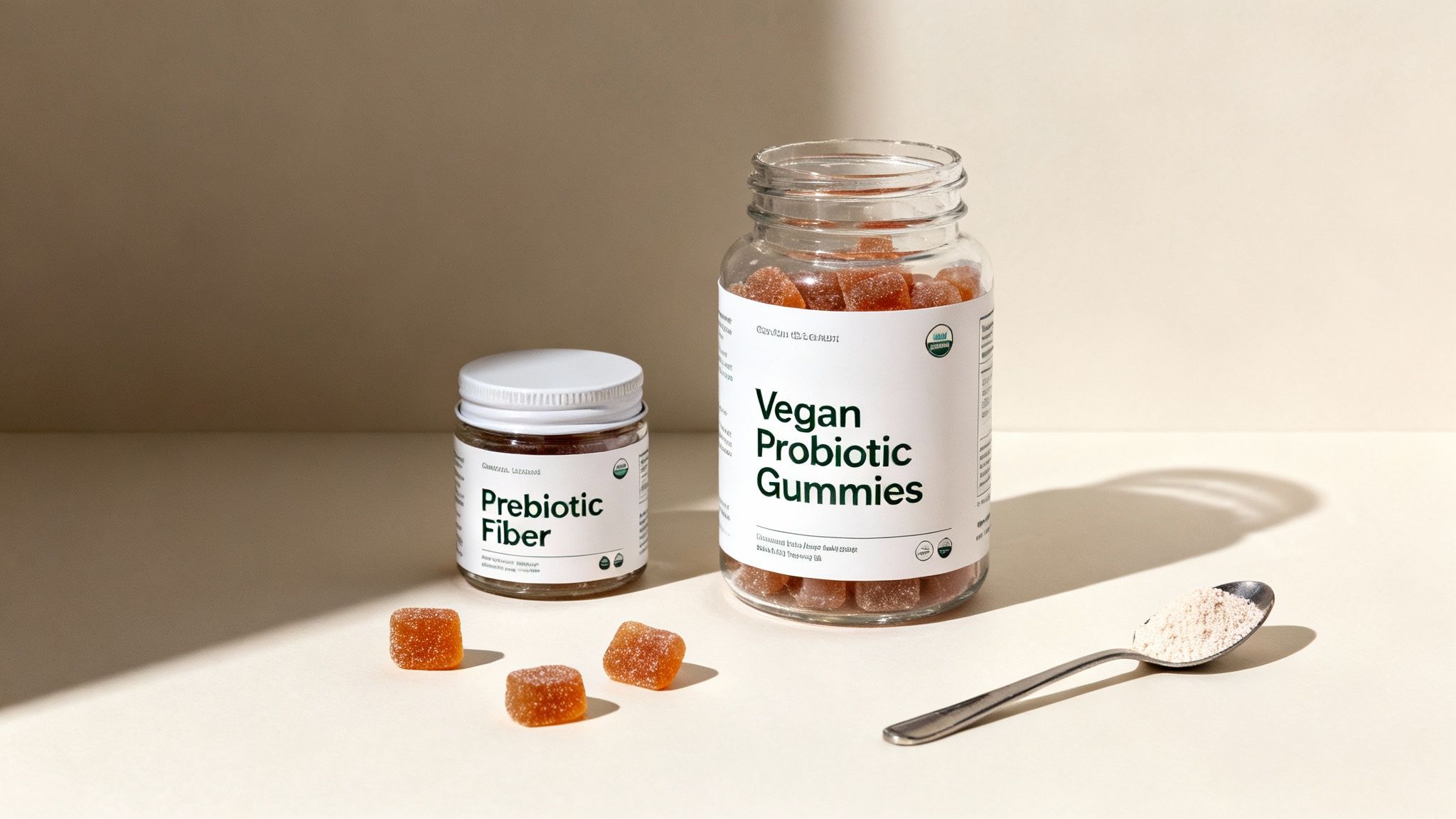
This is where probiotics and prebiotics come into play. They are a powerful combination for restoring order. Probiotics are the beneficial live bacteria-the "good guys"-and prebiotics are the specialized fiber that acts as their food. To truly rebalance your gut, you need to both introduce good bacteria and give them the nourishment they need to flourish.
Not All Probiotics Are Created Equal
Staring at a wall of supplements can be seriously overwhelming. The secret isn't just grabbing any bottle off the shelf; it's about finding specific strains that are actually proven to help with IBS symptoms.
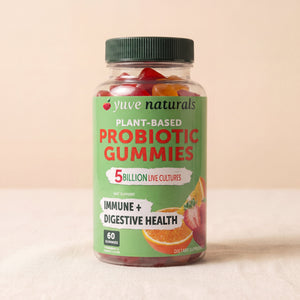
Research points to strains like Lactobacillus and Bifidobacterium as being particularly helpful. They work by re-establishing that crucial microbial balance, which can help calm inflammation and strengthen the lining of your gut. A targeted supplement can make a world of difference. To dive deeper, you can explore our full guide on finding the best probiotics for digestion.
Don't Forget to Feed Your Allies
Taking a probiotic without its proper fuel is like planting a seed in dry, nutrient-poor soil and expecting it to grow. This is why prebiotics are non-negotiable. Prebiotic fiber is the food that helps your good gut bacteria multiply and truly set up camp. Without it, the benefits of your probiotic might never fully materialize.
You can find prebiotics in foods like:
- Asparagus
- Slightly green bananas
- Chicory root
- Onions and garlic (though proceed with caution if you’re sensitive to FODMAPs!)
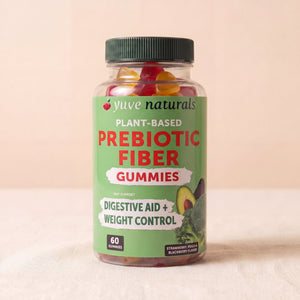
For many of us with IBS, loading up on these foods can be tricky without accidentally triggering symptoms. A gentle supplement can bridge that gap perfectly. We created our Prebiotic Fiber to nourish your good bacteria without causing the bloating that many other fiber supplements are known for. It’s a smart, proactive way to support your gut garden.
How Can You Tell It's Working?
Patience is key here. Your gut didn’t get out of balance overnight, and it won’t get back to a happy place instantly, either. But you should start noticing small, positive shifts. It's helpful to understand how to tell if your probiotics are working so you know what to look for.
Pay attention to the small wins: maybe you feel a little less bloated after dinner, your bowel movements become more predictable, or you simply have more energy. Keeping a quick daily note in a journal is a fantastic way to track these changes and see just how much progress you’re making.
Soothing the Gut-Brain Axis to Manage Flare-Ups
Have you ever had a stressful week at work and, right on cue, your gut is in absolute turmoil? Or maybe you’ve felt that nervous flutter in your stomach before a big presentation that quickly turned into painful cramps.
That’s not a coincidence-it’s the gut-brain axis in action.
This powerful, two-way communication highway connects your brain and central nervous system with your gut’s own "second brain." When you’re stressed or anxious, your brain sends out emergency signals that can directly trigger spasms, bloating, and those all-too-familiar IBS flare-ups. Getting a handle on this connection is a non-negotiable step toward lasting relief.

Beyond "Just Relax": Practical Stress Management
Let’s be honest: being told to "just relax" when your insides feel like they're tied in knots is probably the least helpful advice ever. We get it. True relief comes from having a practical toolkit of strategies you can actually use when life gets overwhelming.
The link between our minds and our guts is incredibly strong. Stress and anxiety are well-known amplifiers for IBS symptoms, so learning how to cope with anxiety for calmer days can directly reduce the frequency and intensity of your flare-ups. This isn’t just about feeling better mentally; it’s about physically calming your digestive tract.
Mindfulness and Gut-Directed Hypnotherapy
Mindfulness meditation is much more than a wellness trend. It's the simple practice of training your attention to stay in the present moment, which can help interrupt the frantic cycle of stress signals firing from your brain to your gut.
You'd be surprised what a difference it can make. Even just five minutes of guided meditation or deep breathing can activate your body’s “rest and digest” response, helping to ease cramps and bloating.
Gut-directed hypnotherapy takes this a step further. It's a specific type of therapy using guided relaxation to help you gain more control over your gut function. The results are frankly profound. A landmark 2015 trial found that a staggering 71% of IBS patients who tried it saw a significant improvement in their symptoms.
Quick Tip: You don't need a special cushion or a silent room to start. Try a simple "box breathing" exercise right now. Inhale for four counts, hold for four, exhale for four, and hold again for four. Repeat this five times. It’s a surprisingly effective way to hit the reset button on stress.
Gentle Movement as a Gut Soother
When you're bloated and uncomfortable, a high-intensity workout is probably the last thing on your mind. But gentle, mindful movement can work wonders for your gut.
Yoga, in particular, is fantastic for IBS. Certain poses can help release trapped gas, reduce bloating, and gently massage your internal organs.
- Cat-Cow Pose: This fluid spinal movement helps relieve cramping and encourages relaxation in the abdominal muscles.
- Child’s Pose: A classic resting pose that applies gentle, soothing pressure to the abdomen. It can be incredibly comforting during a flare-up.
- Supine Twist: Lying on your back and gently twisting your knees from side to side can help stimulate digestion and release built-up tension.
Even a slow, mindful walk in nature can be incredibly beneficial, combining the calming effects of movement with the stress-reducing power of being outdoors.
The Critical Role of Quality Sleep
Sleep is when your entire body-including your gut-gets to repair and reset. When sleep is poor or inconsistent, it throws everything off-kilter. It can increase your sensitivity to pain, mess with how food moves through your gut, and leave you feeling foggy and irritable.
If you struggle with sleep, it’s time to prioritize your sleep hygiene. This isn't just about getting more hours; it's about improving the quality of the sleep you get.
Simple Sleep Hygiene Tips:
- Create a consistent routine: Go to bed and wake up around the same time every day, even on weekends. Your body loves rhythm.
- Dim the lights: An hour before bed, lower the lights and put away screens. Blue light from phones and TVs can interfere with your body’s production of melatonin, the sleep hormone.
- Wind down with a ritual: Try sipping a cup of chamomile tea, reading a book (a real one!), or taking a warm bath to signal to your body that it’s time to rest.
When your brain is well-rested, it's far less likely to send those frantic, stress-filled messages down to your gut. If you find yourself constantly battling mental exhaustion, it's worth exploring the connection between your gut and your head. You can learn more about what causes brain fog and fatigue in our detailed guide.
Your Herbal Toolkit: Smart Supplements for Gut Relief
Once you’ve started to get a handle on your diet and stress levels, it's time to bring in some reinforcements. Think of specific herbs and supplements as your gut's support crew, ready to jump in to calm down flare-ups and help keep things running smoothly.
This isn't about finding a single magic pill. It's about being strategic and using well-researched, natural allies to give your system the extra help it needs. It’s how you shift from constantly reacting to symptoms to proactively building a more resilient gut.
Herbs That Soothe and Settle
People have been using herbs for digestive complaints for centuries, and for good reason. Modern research is finally catching up, showing that many of these traditional remedies have real, measurable effects on the gut.
Here are three of the most trusted herbal go-to's for IBS:
- Peppermint Oil: A true superstar, especially for those with IBS-D. The menthol in peppermint acts as a natural antispasmodic. In simple terms, it helps relax the muscles in your intestines, which can be a game-changer for easing the painful cramping and urgency that often hit during a flare-up.
- Ginger: Known far and wide for its anti-nausea power, ginger is what you want when your stomach just feels off. It can help encourage your stomach to empty a bit faster, relieving that heavy, bloated feeling you might get after a meal. A warm, spicy cup of ginger tea is a wonderfully simple and effective soother.
- Chamomile: This is more than just a calming bedtime tea. Chamomile is packed with compounds that have both anti-inflammatory and antispasmodic properties. It’s a gentle, comforting choice that can help take the edge off an irritated gut, especially if you know stress is one of your biggest triggers.
Why Digestive Enzymes Can Change Everything
Alright, let's talk about one of the most powerful tools in your arsenal: digestive enzymes. Your body naturally produces them to break down everything you eat-fats, proteins, carbs, you name it. But for many of us with IBS, this process can be sluggish or incomplete.
When that happens, undigested food particles end up fermenting in the gut. The result? Dun, dun, dun-unwelcome gas and bloating. Yikes!
Adding a digestive enzyme supplement isn't a crutch; it's a smart strategy. You're essentially calling in a team of specialists to make sure your food gets broken down completely, taking a huge burden off your system. This can be incredibly helpful when you're reintroducing higher-FODMAP foods.
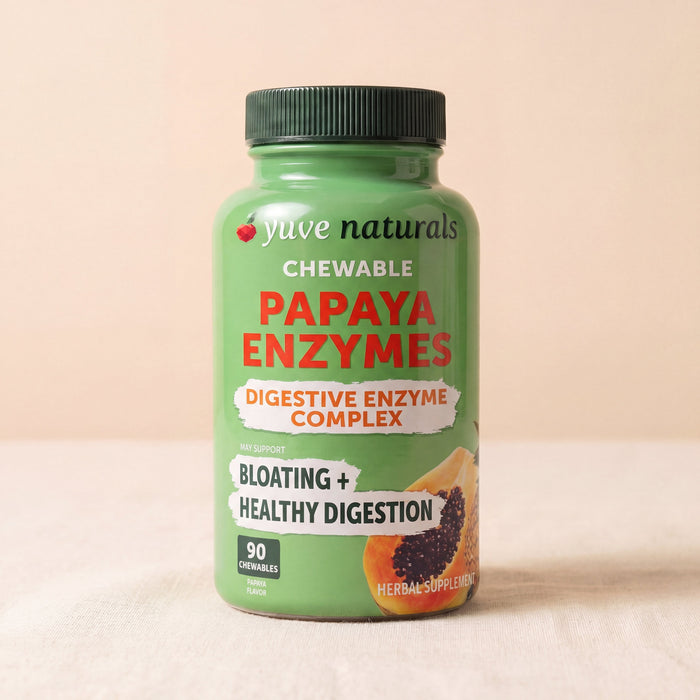
This is the whole reason we developed Yuve's Papaya Digestive Enzymes. They offer a gentle, plant-based blend, including papain from papaya, to give your body that extra support. Taking one before you eat is a simple act that can give you the freedom to enjoy your meals without dreading the aftermath. It puts you back in control.
Science Corner: How Papain Tames the Bloat
So, what does an enzyme like papain actually do? Papain is a special type of enzyme called a protease, meaning its job is to break down tough protein fibers. A 2013 study found that a papaya-based formula significantly improved symptoms like bloating and constipation in people with digestive issues. In simple terms: it gets to work dismantling large food particles into smaller, more manageable pieces that your body can easily absorb. This means less work for your gut and less undigested stuff left behind to cause trouble.
A Personal Journey with Supplements
Our founder, Sam, knows this struggle firsthand. During his own journey with gut health, he found that even when his diet was dialed in perfectly, some days were still a battle. It was the combination of clean eating with targeted, high-quality enzymes and probiotics that finally brought him consistent, lasting relief.
He discovered that for him, the right supplements weren't just an add-on-they were the missing piece of the puzzle. That personal experience is the motivation behind every single product at Yuve. We're committed to creating the clean, effective support we know makes a difference because we've lived it.
Your Action Plan for Lasting IBS Relief
We've covered a lot of ground, and now it’s time to pull it all together. Think of this as your personal roadmap-a clear, simple plan to start feeling better, starting today. No more guesswork, just actionable steps you can actually take.
I know how overwhelming this journey can feel, but every small change is a win. We’re not aiming for perfection here; we’re aiming for progress. This is about building a lifestyle that supports your gut, not just surviving from one flare-up to the next.
Quick Wins: Your Actionable Checklist
Let's start with a few simple actions you can implement immediately to help calm your system down. These are small shifts that can make a surprisingly big difference.
- Breathe Before You Eat: Take five deep breaths before each meal. This simple act helps switch on your "rest and digest" nervous system.
- Make One Easy Swap: Instead of an apple, grab a handful of blueberries. Small trades add up.
- Try a Gentle Pose: A simple Cat-Cow or Child's Pose can do wonders for releasing trapped gas and easing cramping.
- Sip Soothing Tea: Swap your afternoon coffee for ginger or peppermint tea to calm your stomach.
- Take Your Enzymes: Make Yuve's Papaya Digestive Enzymes a part of your mealtime routine to proactively support digestion.
Your Questions on Natural IBS Relief, Answered
When you’re trying to find a natural path to feeling better, a lot of questions come up. It's completely normal. Let’s walk through some of the most common ones we hear, giving you the clear, straightforward answers you need.
How Long Does It Take to Feel Better?
This is probably the first thing on your mind, and the honest answer is: it’s different for everyone. Your body has its own pace.
That said, most people start to notice a real, tangible improvement within 2 to 4 weeks of sticking with dietary changes and stress management techniques. Some wins, like less bloating after eating mindfully, can show up much faster. The most important thing is consistency. Keeping a simple journal can be a game-changer here, as it helps you see the small but steady progress that's easy to miss day-to-day.
Can IBS Be Cured, or Just Managed?
The word "cure" can be a bit misleading when it comes to chronic conditions. A more helpful way to think about it is achieving long-term remission, where your symptoms become so infrequent and mild that they no longer dictate how you live your life.
It's less about a cure and more about empowerment. When you understand your unique triggers and build a lifestyle that supports your gut, you can effectively silence the symptoms. The goal is to get to a place where you're managing your gut health, not the other way around.
Are Herbal Remedies and Supplements Actually Safe?
For the most part, natural helpers like peppermint and ginger are considered very safe. But-and this is a big but-you should always chat with your healthcare provider before adding any new supplement to your routine.
This is especially true if you are pregnant, nursing, or on other medications. Quality is key, but nothing beats personalized medical advice to ensure what you’re taking is right for you.
When Is It Time to See a Doctor?
It is absolutely crucial to see a doctor for a formal diagnosis before you start on this journey. This helps rule out other, more serious conditions that can mimic IBS symptoms. These natural strategies are powerful tools to support your health, but they aren’t a substitute for professional medical care.
You need to see a doctor immediately if you experience any "red flag" symptoms, such as:
- Unexplained weight loss
- Rectal bleeding
- Severe symptoms that wake you up at night
Ready to give your digestion the support it needs to thrive? At Yuve, we’re all about smart, proactive gut health. Our Papaya Digestive Enzymes are formulated to help you enjoy food again, with less worry about what comes after.