Ever finished a delicious meal, only to feel that dreaded rumble in your stomach? That sudden, urgent need to find a bathroom right now? If so, you’re not alone. We get it. It’s incredibly frustrating and can turn the simple joy of eating into a source of anxiety.
When diarrhea strikes right after you eat, it’s a clear signal that your digestive system has hit the fast-forward button. Something has triggered it to move food through your body way too quickly for proper absorption. This could be a reaction to specific foods, a sign of an overactive gut reflex, or a clue that your friendly gut bacteria are out of balance.
This guide is here to help you get to the bottom of it all. We'll walk you through the common culprits, from sneaky food triggers to the fascinating world inside your gut. Think of this as your friendly, no-nonsense roadmap to understanding your body and finally feeling good after you eat.
What You'll Learn Inside
Our goal isn't just to list problems. It’s to give you actionable insights so you can finally feel in control. Knowledge is power, especially when it comes to your health!
Here’s what we’ll cover:
- Common Food Triggers: We'll pinpoint the usual suspects—from dairy and greasy foods to sneaky artificial sweeteners—and explain why they can cause such a swift reaction.
- The Gut's Speed Dial: You’ll learn about something called the gastrocolic reflex. It’s your body's natural "make room for more" signal, and we'll explore why it sometimes gets dialed up to eleven.
- Your Inner Ecosystem: We’ll take a closer look at your gut microbiome. The balance between the trillions of good and bad bacteria in your gut plays a huge role in keeping your digestion calm and predictable.
We’ll unpack the science in a straightforward way, helping you connect the dots between what's on your plate and how your gut feels afterward. This is all about empowering you to make confident, informed choices. Let's dive in.
Decoding Common Triggers for Post-Meal Diarrhea
Think of your digestive system as a finely-tuned orchestra. When everything works in harmony, you get smooth, effortless digestion. But introduce one disruptive element—the wrong food, a hidden intolerance, or even a medication—and the whole thing can go haywire, sending you running for the bathroom.
Figuring out what's causing the disruption is the very first step toward finding relief. This diagram helps visualize the three main players: the food you eat, how your body digests it, and the overall health of your gut.
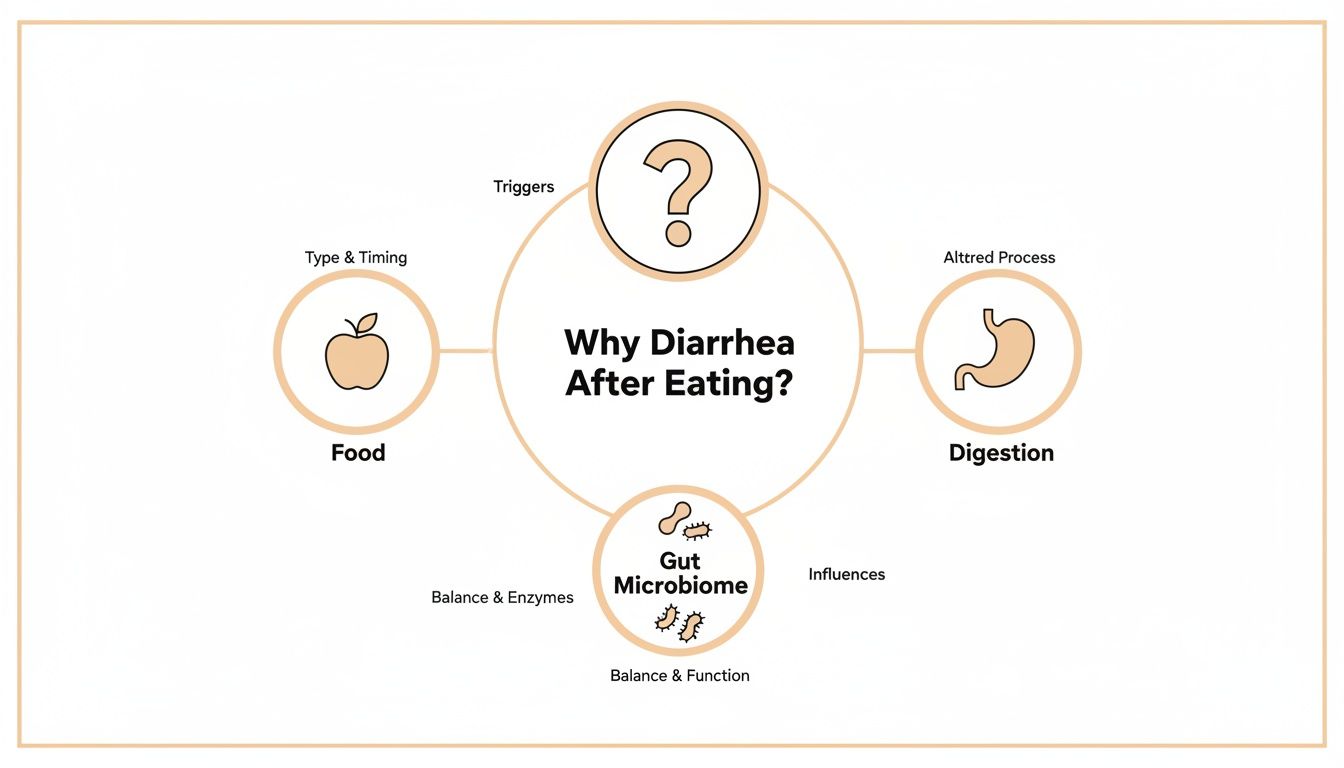
As you can see, a problem in one area can easily throw the others off balance, highlighting just how interconnected everything is when it comes to your gut comfort.
The Usual Suspects on Your Plate
More often than not, the culprit behind post-meal diarrhea is sitting right on your plate. Certain foods are notorious for putting your digestive system into overdrive.
Here’s a quick rundown of the most common dietary triggers to help you play detective with your meals.
| Food Trigger | How It Causes Diarrhea | Typical Onset Time After Eating |
|---|---|---|
| High-Fat/Greasy Foods | Stimulates strong colon contractions, speeding up transit time and leaving little time for water absorption. | 30 minutes to a few hours |
| Spicy Foods | Capsaicin (the compound in chili peppers) can irritate the stomach and intestinal lining, prompting a rapid exit. | Can be almost immediate or within a few hours |
| Artificial Sweeteners | Sugar alcohols (sorbitol, xylitol) are poorly absorbed and draw excess water into the intestines. | 30 minutes to 2 hours |
| Dairy (Lactose) | Lack of the lactase enzyme means lactose ferments in the gut, causing gas, bloating, and watery stools. | 30 minutes to 2 hours |
| Caffeine | Acts as a stimulant for the digestive tract, increasing muscle contractions and pushing contents through too quickly. | Often within an hour |
Paying attention to how soon your symptoms start after eating one of these foods can be a powerful clue in your investigation.
When Your Body Says "No Thanks" to Certain Foods
Sometimes, the issue is deeper than just one irritating ingredient. You might be dealing with a food intolerance, which just means your body doesn't have the right tools to break down a specific food.
This isn't the same as a food allergy, which is a full-blown immune system attack. An intolerance is a digestive problem, and it's far more common than you might think.
The most famous example is lactose intolerance. A huge 65-70% of the world's population has trouble digesting lactose, the sugar in milk products. Without enough of the lactase enzyme, lactose ferments in the gut, pulling in water and causing that mad dash to the restroom after a bowl of ice cream.
But dairy is just one piece of the puzzle. Other common intolerances include:
- Gluten, which causes major digestive upset for people with Celiac disease or non-celiac gluten sensitivity.
- Fructose, a sugar in many fruits and sweeteners that some people can't absorb properly.
If this sounds like you, figuring out your personal triggers is key. Our guide on how to identify food sensitivities can walk you through the process.
Other Potential Causes to Consider
While food is a major player, it’s not the only possible cause of diarrhea after eating. Other factors can easily throw your gut’s rhythm off.
Food Poisoning
If your symptoms are sudden, severe, and come with friends like nausea or fever, you might be dealing with food poisoning. Bacteria like Salmonella or E. coli in contaminated food can trigger a violent reaction as your body tries to flush out the invaders ASAP.
Underlying Conditions
For some people, frequent post-meal diarrhea is a sign of a chronic health condition. These can include:
- Irritable Bowel Syndrome (IBS): A common disorder affecting the large intestine that often involves cramping, gas, and cycles of diarrhea and constipation.
- Inflammatory Bowel Disease (IBD): This includes conditions like Crohn's disease and ulcerative colitis, which are characterized by chronic inflammation in the digestive tract.
It's also worth remembering that what you consume isn't just limited to food. Certain medications can have a big impact on your digestion. For instance, it's a good idea to be aware of potential GLP-1 medication side effects if you are taking them for weight management or diabetes.
Pinpointing your specific triggers takes patience. By listening to your body's signals, you can start connecting the dots and build a much clearer picture of what your gut needs to stay happy.
How Your Gut Health Controls Digestion Speed
When you're trying to figure out why you’re running to the bathroom after meals, it’s easy to blame the food you just ate. But often, the real issue isn't just what you're eating, but how your body is set up to handle it. Your gut has its own unique rhythm, and when that internal clock is off, food can race through you way too quickly.
Let's break down two of the biggest factors that dictate how fast your digestion moves.
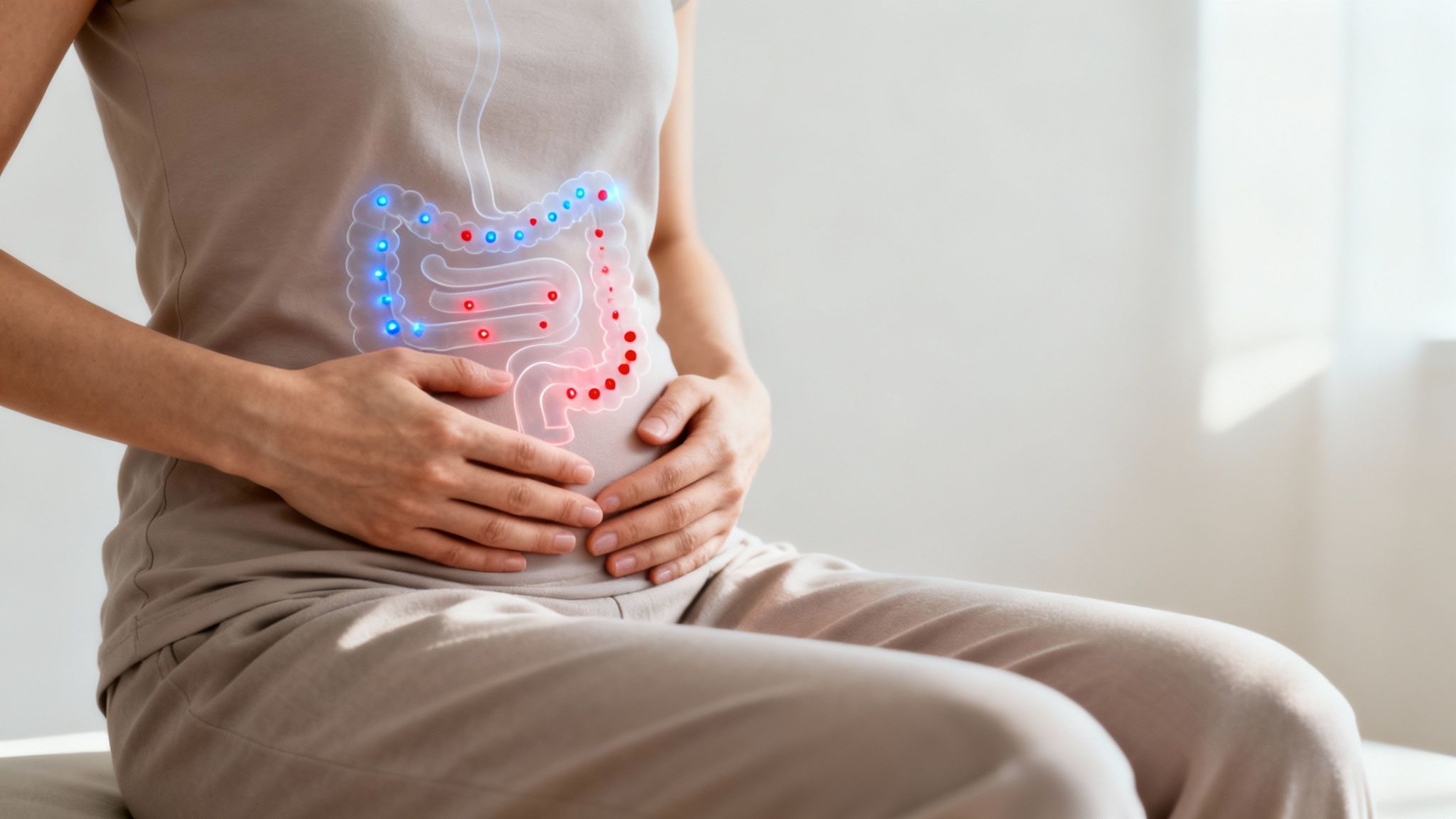
That sudden, uncomfortable urge often starts with signals deep inside your gut, long before you even finish your plate.
The Gastrocolic Reflex: Your Body's "Make Room" Signal
Have you ever taken a few bites of food and immediately felt the need to go? That's your gastrocolic reflex in action. It's a totally normal, automatic signal your stomach sends to your colon the moment food arrives.
Basically, your stomach pings the colon and says, "Heads up, new stuff is on the way. Let's clear out the old to make some room." This message triggers contractions in your colon to get things moving.
In some people, however—especially those with a sensitive gut or IBS—this reflex is dialed up to eleven. Instead of a gentle nudge, it’s more like an aggressive shove. This forces food through your intestines so fast that your body doesn't get a chance to absorb enough water from it, resulting in the tell-tale loose, watery stool of diarrhea.
Your Gut Microbiome: The Conductor of Your Digestion
Now for the real star of the show: the trillions of tiny microbes living in your gut. This bustling community of bacteria, fungi, and other organisms is known as your microbiome, and it’s basically the control center for your entire digestive system. When it's balanced and healthy, everything runs like a well-oiled machine.
But if the "bad" microbes start to outnumber the "good" ones—a condition called dysbiosis—chaos can erupt. This imbalance can trigger a ton of problems:
- Inflammation: Unfriendly bacteria can irritate the lining of your intestines, making it sensitive and prone to overreacting.
- Poor Digestion: The good bacteria are crucial for breaking down certain foods, especially fiber. Without enough of them, food isn't digested properly.
- Increased Gut Motility: Dysbiosis can mess with the nerve signals that control your intestinal contractions, hitting the gas pedal when it should be braking.
A 2020 study in the journal Nutrients highlighted this connection, showing that dysbiosis is a common factor in chronic diarrhea. What this means for you is that simply avoiding trigger foods might not be enough. If the underlying ecosystem in your gut is out of balance, your digestive system will stay on high alert, ready to overreact.
Nurturing your gut flora is one of the most effective long-term strategies for finding digestive calm. It's not about a quick fix; it's about fundamentally rebuilding the environment inside your gut so that it can handle meals without panicking.
You can start by feeding the good guys what they need to thrive. Probiotics and prebiotics are your gut’s best friends here. If you want to learn more, you can explore our guide to the best probiotics for digestion. Bringing your microbiome back into harmony is a foundational step toward ending the frustrating cycle of post-meal diarrhea for good.
Your Action Plan for a Calmer, Happier Gut
Okay, so you understand the "why" behind post-meal diarrhea. That's a huge step! Now, let’s get practical and talk about the "how"—how you can start feeling better and take back control. Think of this as your personal roadmap to a calmer, more predictable gut.
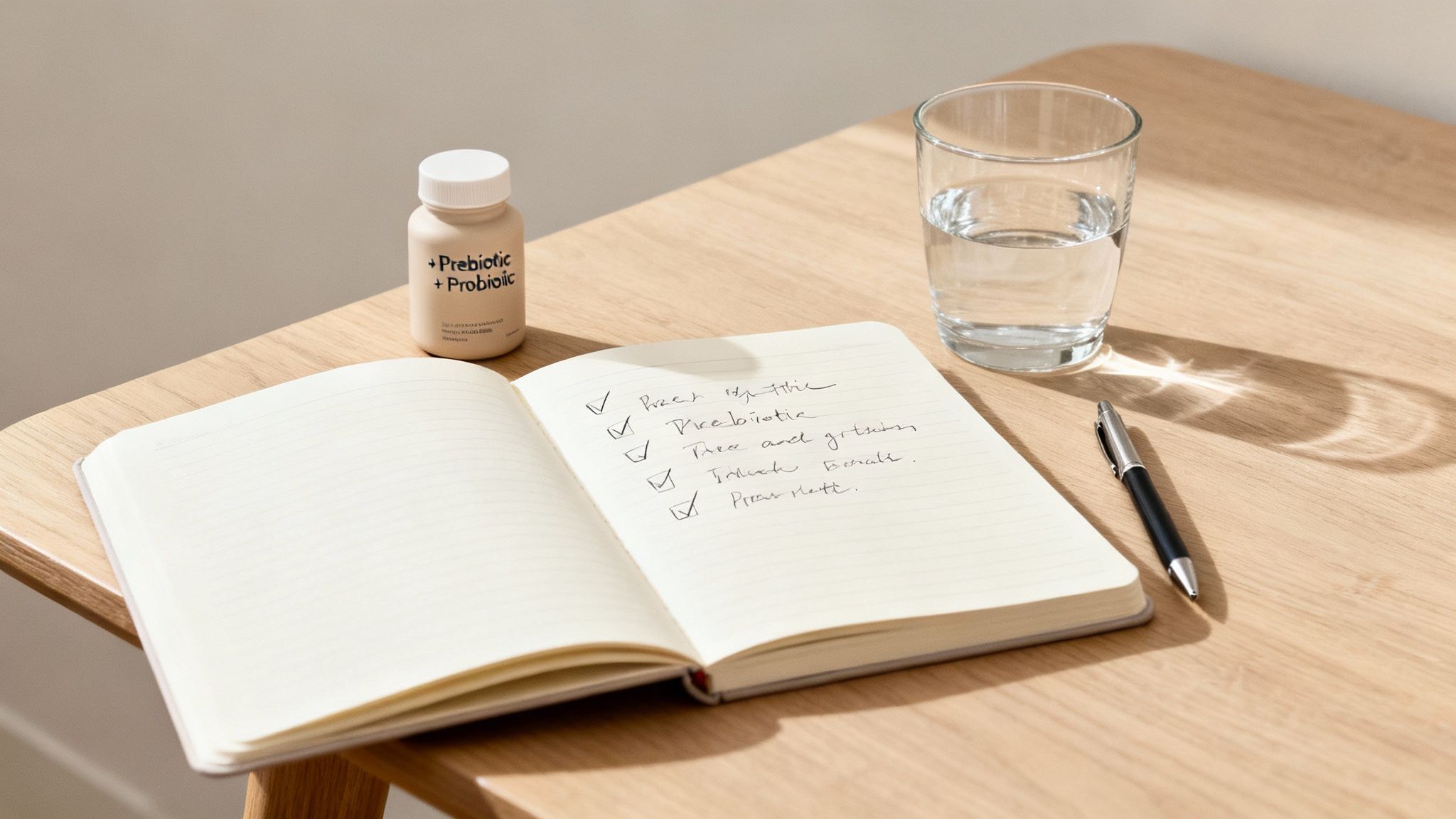
It really begins with a few simple, powerful tweaks to your daily habits and a commitment to supporting your gut from the inside out.
Start with Simple Lifestyle Habits
Sometimes the biggest wins come from the smallest changes. Before you even think about a massive diet overhaul, let's look at how you eat. These habits can make a world of difference.
- Eat Smaller, More Frequent Meals: Big meals are a classic trigger for an overactive gastrocolic reflex. Eating smaller portions spaced throughout the day is much kinder to your system.
- Chew, Chew, and Chew Some More: Digestion truly starts in your mouth. When you chew your food thoroughly, you're doing a lot of the heavy lifting for your stomach, which can reduce irritation down the line.
- Stay Hydrated Between Meals: Gulping down lots of water with your food can dilute your stomach acid and push things through too quickly. Try to drink most of your water 30 minutes before or after you eat.
Master Your Stress with the Gut-Brain Connection
Ever had a "gut feeling" or felt "butterflies" in your stomach? That's the gut-brain axis in action—a direct, two-way communication line between your brain and your digestive system. When you're stressed or anxious, your brain sends out panic signals that can speed up your gut. The result? You guessed it—diarrhea.
Managing stress isn't just a "nice-to-have" for your mental health; it's an absolute necessity for a happy gut.
A study published by the American Psychological Association found that psychological stress can disrupt the balance of microbes in the intestines. This means that feeling overwhelmed doesn't just affect your mind—it directly impacts the physical environment of your gut.
A few simple stress-reduction techniques can have a surprisingly powerful effect:
- Deep Breathing: Just a few minutes of slow, deep belly breaths before a meal can help switch your body from "fight-or-flight" into "rest-and-digest" mode.
- Mindful Movement: Gentle activities like walking or yoga can ease tension and help regulate your digestive rhythm.
- Prioritize Sleep: A lack of quality sleep is a massive stressor on the body and can leave your gut extra sensitive.
Beyond these tips, taking a holistic approach often involves reducing inflammation naturally, which creates an even better environment for a calm digestive system.
Become a Gut Detective with a Food Diary
If you suspect certain foods are causing trouble, a food diary is your single best tool. This isn't about restriction; it's about gathering clues. For a week or two, just jot down what you eat, when you eat it, and any symptoms you experience.
You’ll start to see patterns you never would have noticed otherwise. Maybe it's not all dairy, but specifically cheese. Or perhaps it wasn't the spice in your dinner, but the large amount of onion you cooked with it. This kind of personal data is priceless.
A Founder's Story: Why We Believe in a Resilient Gut
Our founder, Sam, knows this struggle firsthand. For years, he was trapped in a cycle of frustrating digestive issues that made him anxious about every single meal. He tried eliminating everything, but any relief he found was always short-lived. Sound familiar?
He eventually realized that simply avoiding triggers wasn't a real solution. He needed to build a stronger, more resilient gut from the ground up.
Sam's journey led him deep into the science of the microbiome. He learned that a gut populated with beneficial bacteria is far better equipped to handle occasional triggers and is much less likely to overreact. This personal mission to find a real, lasting fix is what inspired him to create Yuve.
This is where proactive gut support becomes a smart, non-negotiable part of your plan. While you're working on identifying your irritants, you also need to be actively strengthening your digestive defenses.
The most effective way to do this is with a high-quality daily supplement. Yuve's Vegan Prebiotic + Probiotic blend is designed for exactly this purpose. The probiotics introduce beneficial bacteria to help rebalance your microbiome, while the prebiotics act as fuel for those good bacteria, helping them flourish. It’s a foundational step toward creating a gut that finally works with you, not against you.
When You Should Talk to a Doctor
While the strategies we've covered are fantastic first steps, it's just as important to know when to bring in a professional. Think of it this way: you’re the detective gathering clues with your food diary. A doctor is the specialist who can order the lab work to crack the case.
Seeing a doctor isn’t a sign of failure—it's one of the smartest things you can do for your long-term health. The goal here isn't to scare you, but to empower you with the clarity to know when it’s time to ask for help.
Recognizing the Red Flags
Most of the time, diarrhea after eating is tied to common culprits. But sometimes, your body sends out signals that something more serious is at play, and these are the signs you shouldn't ignore.
It's time to make an appointment with your doctor if your diarrhea comes with any of the following:
- Unexplained Weight Loss: If you're dropping pounds without trying, it can mean your body isn't absorbing nutrients correctly.
- Blood in Your Stool: This is a big one. Whether it's bright red blood or dark, tar-like stools, it always needs to be checked out.
- Severe Abdominal Pain or Cramping: We're not talking about mild discomfort. Intense, sharp, or debilitating pain is a clear warning sign.
- A High Fever: A fever alongside digestive trouble can point to an infection or significant inflammation.
- Symptoms of Dehydration: Watch for dizziness, a very dry mouth, dark or infrequent urination, and feeling overwhelmingly weak.
Also, if your diarrhea sticks around for more than a few days, it's considered chronic. This is absolutely a reason to see a doctor. You don't have to just "live with it."
What to Expect at Your Doctor's Visit
It's completely normal to feel a bit anxious about a doctor's appointment, so let's walk through what you can expect. Their main goal is to figure out if there's an underlying medical condition causing your symptoms.
First, they’ll have a detailed chat with you about your symptoms, diet, and medical history. This is where your food diary becomes your secret weapon! Bringing it along gives your doctor a ton of concrete information to work with.
Based on what you tell them, they may recommend a few tests to get a clearer picture. This isn't just about finding a problem; it's also about ruling things out, like Celiac disease, Inflammatory Bowel Disease (IBD), or Small Intestinal Bacterial Overgrowth (SIBO).
Some common diagnostic tools include:
- Blood Tests: These can check for signs of inflammation, infection, or specific antibodies that point to conditions like Celiac disease.
- Stool Tests: A simple sample can help identify parasites, harmful bacteria, or imbalances in your gut microbiome.
- Breath Tests: These are non-invasive tests often used to diagnose issues like lactose intolerance or SIBO.
Taking this step is all about getting answers. Once you know exactly what you're dealing with, you and your doctor can create a targeted plan that finally brings you lasting relief.
Your Quick-Start Guide to Digestive Peace
Ready to feel better? Let's turn that motivation into simple actions you can start right now. This isn't about overhauling your entire life overnight. It's about picking one or two small things that will build momentum toward a happier gut.
Small Steps, Big Wins: Your Action Checklist
- Start a Simple Food Journal Tonight: Grab a notebook or use your phone. For just the next week, jot down what you eat, when, and how you feel afterward. This is the single most powerful tool for discovering your personal food triggers.
- Drink Water Before Your Meal: Instead of drinking a lot during your meal, try having a glass of water about 30 minutes beforehand. This helps prep your digestive system without watering down the stomach acid needed to break down your food.
- Take Five Deep Breaths Before Eating: It sounds almost too simple, but this is a game-changer. Before your first bite, pause and take five slow, deep belly breaths. This little ritual helps shift your nervous system into "rest-and-digest" mode, calming your gut before it even starts working.
- Commit to Consistent Gut Support: This is a non-negotiable for long-term gut health. While you identify triggers, you also need to actively build up your gut's defenses. Making a daily supplement like Yuve's Vegan Prebiotic + Probiotic blend part of your routine is an easy way to do this. It helps restore balance and creates a stronger, more resilient digestive environment.
This isn't just about putting out fires—it's about building a gut that's fundamentally more resilient. A robust gut microbiome is truly your best defense against whatever life, or your lunch, throws at it.
Remember, every small step you take is a win. You're not just trying to stop diarrhea; you're actively creating a healthier, more comfortable relationship with your body.
For more detailed strategies on handling persistent issues, our guide on how to stop constant diarrhea is an excellent next step. You’ve got this.
Got Questions? We've Got Answers. (FAQ)
Let's tackle some of the most common questions that pop up when you're dealing with diarrhea after eating.
Is it really just stress causing this?
It absolutely can be. Your gut and brain are in constant communication through the gut-brain axis. When you're stressed, your brain sends out signals that can put your digestive system into overdrive, speeding up contractions and pushing things through too fast. Trying mindfulness, a short walk, or just a few deep breaths before you eat can sometimes make a world of difference.
How long until I figure out my food triggers?
You should start seeing some clear patterns emerge after about 1-2 weeks of keeping a detailed food diary. The key here is consistency. Jot down everything you eat, when you ate it, and any symptoms that followed. This daily log is the most powerful tool you have for connecting the dots.
Should I be worried if this happens every day?
Daily diarrhea after meals is definitely your body's way of telling you something isn't right. It could be a food intolerance you haven't identified, an underlying issue like IBS, or a major imbalance in your gut bacteria. If this is happening day in and day out, it's a strong sign that it's time to speak with a healthcare provider to dig deeper.
At Yuve, we know that a healthy, balanced gut is central to your well-being. As you work on dietary and lifestyle adjustments, give your gut the support it deserves. Our Vegan Prebiotic + Probiotic blend is crafted to help restore harmony to your microbiome and bolster your digestive resilience from within.
Take the first step toward digestive peace with Yuve's gut health solutions.