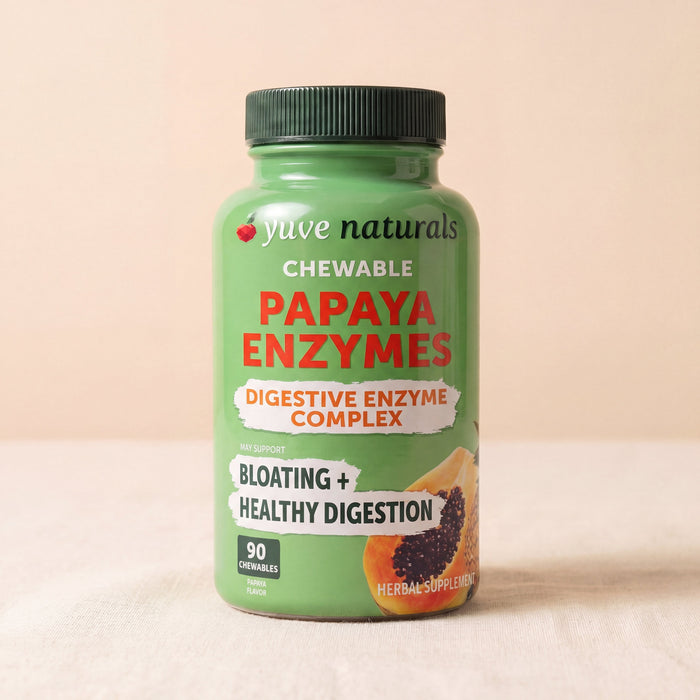
Ever feel like your stomach inflates like a balloon by afternoon? You’re not alone-and it’s not just about what you ate for lunch. That tight, over-stuffed feeling can come out of nowhere, completely derailing your day. It’s frustrating, uncomfortable, and far more common than you might think. We get it.
This isn't about some miracle cure or a crazy restrictive diet. Instead, think of this as a practical, friendly guide to figuring out why you're feeling this way and what simple, powerful steps you can take to reclaim your comfort. Let's get you back to feeling great in your own skin.
You're Not Alone in This (Seriously)

It’s easy to feel like you’re the only one dealing with this, but bloating is an incredibly common signal from our bodies that something is a bit off-balance. The numbers might actually surprise you.
A massive global study on bloating revealed that about 1 in 7 people worldwide experience bloating regularly. What’s more, the research showed that women report bloating symptoms nearly twice as often as men. So, if you're struggling, know that you’re part of a very large club-and it's a genuine quality-of-life issue we're determined to help you solve.
Your Quick-Start Bloat-Busting Checklist
Feeling overwhelmed? Let’s make it simple. Here's a quick summary of the key areas we'll cover for immediate and long-term relief from gas and bloating.
| Action Area | Why It Helps | Simple First Step |
|---|---|---|
| Immediate Relief | Moves trapped gas and soothes discomfort quickly. | Take a 10-minute walk after your next meal. |
| Dietary Tweaks | Reduces the production of gas in your gut. | Swap one carbonated drink for a glass of water today. |
| Lifestyle Habits | Prevents you from swallowing excess air, a primary cause of bloating. | Chew your next meal until the food is almost liquid. |
| Gut Support | Helps rebalance your gut bacteria for better digestion over time. | Add a small serving of yogurt or kefir to your breakfast. |
| Troubleshooting | Identifies your personal food and habit triggers. | Write down what you ate for your last bloated meal. |
This table gives you a roadmap. We're going to dive into each of these areas with practical, easy-to-implement advice. Forget the idea of a complete diet overhaul overnight. That's overwhelming and rarely sticks. Instead, we're going to focus on small, manageable changes that add up.
Understanding the Root Causes of Your Gas and Bloating
Before we can find lasting relief, we have to play detective for a minute. Gas and bloating aren't just random annoyances; they're your gut’s way of saying, “Hey, something down here isn’t quite right!” When we connect the dots between our habits and our symptoms, we gain the power to make real, meaningful changes. Let’s look at the most common culprits.
Swallowing Air and Eating Habits
It sounds almost too simple to be true, but one of the most common causes of gas is… well, just swallowing air. This often happens without you even noticing.
- Eating too quickly: When you rush through a meal, you inevitably gulp down air right along with your food.
- Drinking carbonated beverages: Those fizzy bubbles? Dun, dun, dun-unwelcome gas. Yikes! They're a direct delivery of gas straight into your stomach.
- Chewing gum or smoking: Both of these habits can also lead you to swallow way more air than usual.
Seriously, by simply slowing down and being more mindful during meals, you can dramatically cut down on the amount of air that gets trapped in your digestive system. It’s a small change that can make a huge difference.
The Fermentation Factor
Another huge source of gas is a completely natural process: fermentation. Certain foods, especially those high in specific types of fiber, aren't fully broken down until they reach your large intestine. Once there, the bacteria in your gut microbiome get to work, fermenting these undigested carbs. A byproduct of this bacterial feast is gas.
Key Takeaway: Gas is often a normal sign that your gut bacteria are well-fed and doing their job. The problem only starts when this process creates excess gas, leading to painful bloating and discomfort.
Some of the most well-known fermentation-friendly foods include:
- Legumes: Beans, lentils, and chickpeas.
- Cruciferous Vegetables: Think broccoli, cauliflower, cabbage, and Brussels sprouts.
- Certain Grains: Wheat and rye can be problematic for some people.
Hidden Food Intolerances
Sometimes, the issue isn't just about general fermentation-it's about a specific intolerance. This happens when your body lacks the right enzymes to properly digest a certain food component, like lactose in dairy. When your body can't break something down, it travels to the colon where bacteria have a field day, creating significant gas, bloating, and pain. It's a huge, often overlooked, source of chronic digestive distress.
Feeling like this might be your issue? Our guide on how to identify food sensitivities can help you start connecting the dots.
Immediate Relief Strategies for When You Feel Bloated Now
When that tight, overinflated feeling hits, you need relief, and you need it fast. Think of these strategies as your emergency toolkit for when your stomach feels like a balloon and all you want is to feel normal again.
Get Your Body Moving Gently
One of the simplest and most effective things you can do is get moving. Trapped gas needs a little encouragement to find its way out, and gentle movement is the perfect nudge. A short walk around the block can work wonders by stimulating how food moves through your stomach and intestines.
If you're stuck indoors, a few simple yoga poses are fantastic for busting bloat:
- Cat-Cow Pose: This gentle spinal stretch massages your abdominal organs, helping to release trapped gas.
- Child’s Pose: This classic resting pose applies gentle, soothing pressure to your abdomen, which can help coax stubborn gas bubbles along.
Sip on Something Soothing
There's a reason people have reached for herbal teas for centuries-they really work. Certain herbs contain natural compounds that relax the muscles in your digestive tract, which can ease cramping and help gas pass more easily.
Brew a warm mug of one of these classics:
- Peppermint Tea: Well-known for its antispasmodic properties, peppermint is a pro at calming stomach muscles. Many people also find that topical peppermint oil for digestive relief can be incredibly soothing.
- Ginger Tea: A powerhouse anti-inflammatory that helps settle an irritated and overworked digestive system.
- Chamomile Tea: This gentle herb is famous for its calming effects, and that extends to your gut, too.
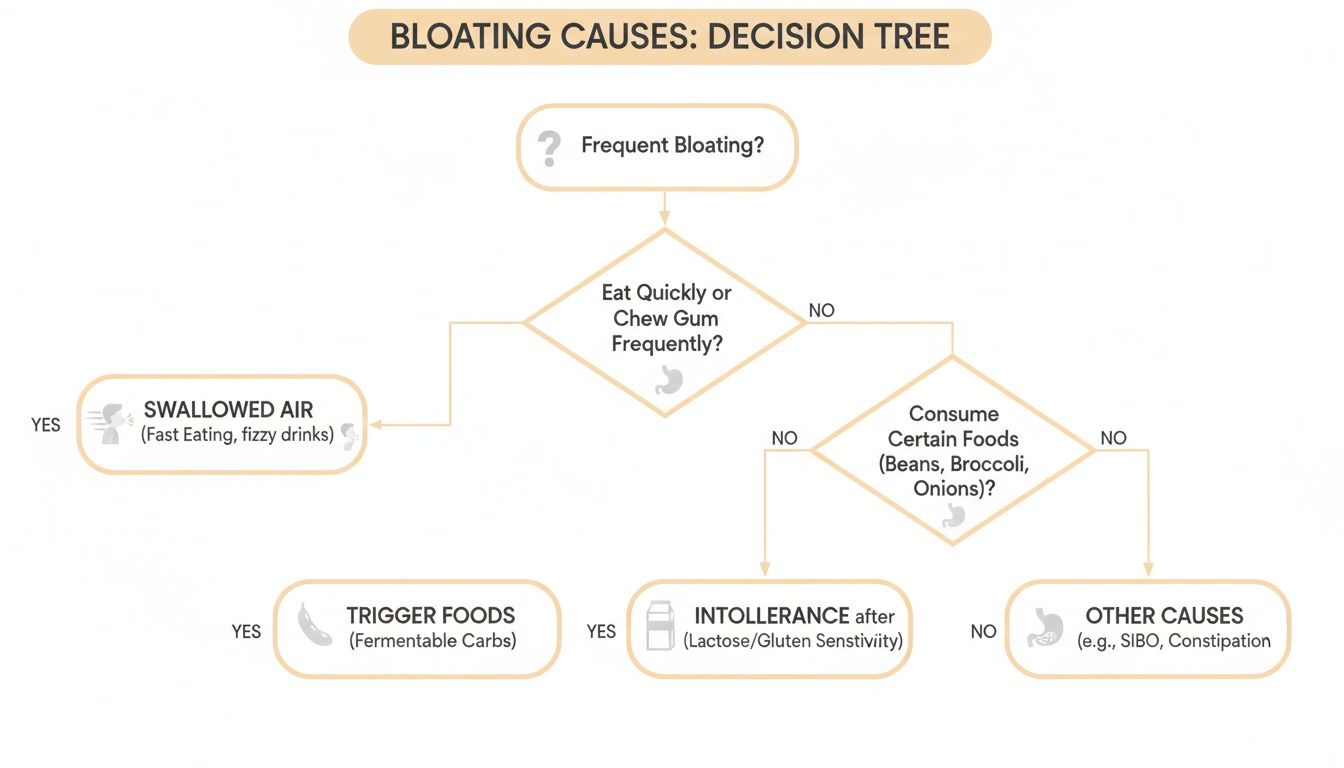
As you can see, the cause often comes down to just a few key areas. The good news? That makes it much easier to figure out what's going on and what to do about it. For a deeper dive into fast-acting solutions, check out our complete guide on how to reduce stomach bloating.
Smart Dietary Swaps for Long-Term Gut Happiness

While quick fixes are great, the real win is getting to a place where bloating isn't a daily battle. This means shifting from simply reacting to discomfort to proactively preventing it. It's about building an eating style that works with your body, not against it.
Your Science Corner: The Low-FODMAP Approach
Researchers have found that certain types of carbohydrates, called FODMAPs, are notorious for causing gas and bloating in sensitive individuals. A 2017 review published in the journal Nutrients confirmed that a low-FODMAP diet is one of the most effective strategies for managing symptoms in people with IBS. What this means for you: Foods like onions, garlic, wheat, and dairy are high in these fermentable carbs. Temporarily reducing them can give your gut a break and help you pinpoint your triggers.
Bloat-Friendly Food Swaps
Making small, consistent changes can lead to huge improvements in how you feel. Here are a few simple swaps to get you started.
| Instead Of This (Common Trigger) | Try This (Gentler Alternative) | Why It's a Better Choice |
|---|---|---|
| Raw broccoli or cauliflower salad | Steamed or roasted broccoli/cauliflower | Cooking breaks down tough fibers, making them much easier to digest and less likely to cause gas. |
| Large portion of beans/lentils | A smaller portion, well-soaked and cooked | Reduces the load of gas-producing compounds and makes them more digestible. |
| Whole milk or creamy cheese | Lactose-free milk or hard, aged cheeses (like cheddar or parmesan) | Lactose-free products are pre-digested; aged cheeses are naturally very low in lactose. |
| Carbonated drinks (soda, seltzer) | Flat water infused with mint or ginger | Eliminates swallowed air from carbonation, while mint and ginger can actively soothe the stomach. |
For a deeper dive, check out our guide on which foods help improve your gut bacteria.
A Founder’s Story: “For years, I thought my constant bloating was just normal. Pizza night meant a painful evening, and a bowl of cereal left me feeling awful. It turned out I was struggling with lactose intolerance. It wasn't until I started supporting my body with the right tools that I could finally enjoy food again without fear.” - Sam, Yuve Founder
Sam’s experience is incredibly common. So many of us live with a hidden food intolerance that quietly causes years of discomfort. This is where finding the right support becomes an absolute game-changer. If you think dairy might be your issue, you don't have to say goodbye to cheese forever. That's exactly why we created Yuve Lactase Enzymes. Taking one capsule before a meal with dairy provides your body with the specific enzyme it needs to break down lactose effectively. It’s not about restriction-it's about giving your body the support it needs so you can live freely and enjoy every bite.
Lifestyle Habits That Make a Surprising Difference
Sometimes, the biggest breakthroughs in beating bloat have nothing to do with what you eat, but everything to do with how you live. Your gut is incredibly sensitive to your environment and stress levels. Let's dig into a few simple lifestyle tweaks that can bring major relief.
The Power of Mindful Eating
In our hyper-connected world, it's all too common to scarf down a meal while answering emails. This is a classic recipe for bloating. When you eat in a hurry, you’re not just swallowing food; you're gulping down a ton of air.
Mindful eating is simply about slowing down and paying attention.
- Chew your food well. Your stomach doesn't have teeth! The more you break down food before you swallow, the less of a burden you place on your gut.
- Put your fork down. This simple trick forces you to slow down and gives your brain a chance to register fullness.
- Ditch the distractions. Try to eat in a calm setting. When you're stressed, your body is in "fight or flight" mode, which shuts down optimal digestion.
Manage Your Stress, Manage Your Gut
Ever feel your stomach tie itself in knots when you're anxious? That's the powerful gut-brain connection at work. Stress can wreak havoc on your digestive system. Finding ways to manage it can have a direct, positive impact on your gut. Try a five-minute deep breathing exercise, take a quick walk, or listen to calming music.
Exploring natural ways to reduce inflammation can also significantly improve digestive comfort, as chronic inflammation and bloating often go hand-in-hand.
Quick Wins: Your Actionable Checklist
Feeling better starts now. Here are a few things you can do today:
- Take a 15-minute walk after your largest meal.
- Swap one soda or sparkling water for plain water with lemon.
- Chew your next meal slowly, putting your fork down between bites.
- Brew a cup of peppermint tea before bed to soothe your system.
- For dairy nights, make Yuve Lactase Enzymes your go-to for bloat-free enjoyment.
Your Questions on Gas and Bloating Answered
Let's clear up the confusion. We've put together answers to some of the most common questions we get asked.
How Long Does It Take for Bloating to Go Away?
It really depends on the cause. If you've just had a massive or rich meal, the bloating will likely ease up within a few hours to a day. But for chronic bloating, when you start making consistent changes to your diet and lifestyle, you can often feel a noticeable difference within a week or so. True, lasting relief comes from sticking with it. Consistency is your best friend here.
Can Drinking More Water Really Help with Bloating?
Yes! It sounds counterintuitive, but water is one of the best tools for fighting bloat. Dehydration can cause constipation (a major bloat trigger), and drinking water helps your body flush out excess sodium that causes puffiness. The trick is to sip water steadily throughout the day, not chug it all at once.
When Should I Be Concerned About My Bloating?
While a little bit of bloating is normal, it’s crucial to know when to talk to a doctor. See a professional if your bloating is:
- Severe and persistent, affecting your daily life.
- Paired with other red flags like unexplained weight loss, intense abdominal pain, blood in your stool, or sudden, lasting changes in your bathroom habits.
Trust your gut instinct. If something just doesn't feel right, it’s always worth getting it checked out.
At Yuve, we believe managing your gut health should be about feeling empowered, not deprived. Our supplements are designed to provide the targeted support your body needs to handle tricky foods with ease. Explore our full range of digestive aids at getyuve.com and take the first step toward a happier, bloat-free life. We'd love to hear about your journey in the comments below