Ever feel like your stomach inflates like a balloon by afternoon? You’re not alone-and it’s not just about what you ate for lunch. That frustrating bloating, discomfort, and general sluggishness is a sign your gut is asking for a little help. We get it, and we're here to tell you that you don't have to just live with it.
Consider this your friendly, straightforward map to finally understanding and improving your digestive wellness. We’re going to skip the confusing jargon and get right to what actually works, from simple tweaks to your diet to supportive supplements that can make a genuine difference. Together, let's get you feeling good from the inside out.
What to Expect on This Journey
Think of this as a partnership. We'll walk you through how to properly care for your gut microbiome-that bustling community of trillions of microorganisms living in your digestive tract. Tending to this inner garden can do so much more than just improve digestion; it can truly transform your overall well-being.
A happy gut often translates to:
- More steady, reliable energy from morning to night.
- A brighter, more even mood (you can thank the powerful gut-brain connection for that!).
- A more resilient immune system to keep you feeling your best.
- Far less of that frustrating bloating and digestive upset.
Our philosophy is simple: use clean, plant-based solutions that work with your body. Yuve’s founder, Sam, actually started this company because of his own long and frustrating battle with digestive issues. He discovered firsthand that you don’t need extreme diets or complicated plans to feel good. You just need the right knowledge and the right tools.
"I spent years struggling with bloating and discomfort, trying everything. It wasn't until I focused on nourishing my gut with simple, natural remedies that I finally found lasting relief. That's why we created Yuve-to share that feeling of empowerment with everyone." - Sam, Yuve Founder
Together, we’ll dive into what a gut-friendly plate looks like, meet some powerful herbal allies, and see how smart supplementation can help you get where you want to go, faster. Our goal is to make sure you feel heard, hopeful, and totally equipped to take back control of your digestive health for good. Let’s get started.
Understanding Your Gut Microbiome
Let's pull back the curtain on what's actually going on inside your gut. It’s easy to get frustrated by bloating or discomfort when the cause is a mystery, but getting to the root of the problem is the first real step toward feeling better.
Think of your digestive tract as a bustling, vibrant city. This city is home to trillions of microscopic residents-mostly bacteria. This entire community, totally unique to you, is your gut microbiome.
The Good Guys and the Bad Guys
When this inner city is healthy and thriving, the "good guy" bacteria are firmly in charge. They're the essential workers keeping everything running like clockwork. They help you break down food, synthesize critical vitamins like B12 and K, and even train your immune system. They are absolutely vital to your overall wellness.
But sometimes, things can throw this delicate ecosystem into chaos. A bout of stress, a necessary course of antibiotics, or a diet heavy in processed foods can all act like agitators, giving the "bad guy" bacteria an opening to multiply and start taking over. Dun, dun, dun-unwelcome gas. Yikes!
This imbalance has a name: dysbiosis. And it’s the primary culprit behind so many of those frustrating digestive symptoms. When your gut city is in a state of dysbiosis, you feel it.
You might experience:
- Persistent bloating and gas that just won't quit.
- Unpredictable digestion, swinging from constipation to diarrhea.
- That drained, sluggish feeling that no amount of coffee can fix.
- Brain fog that makes it tough to concentrate.
This is because a healthy gut is at the very center of your well-being, influencing everything from your mood to your energy levels.
As you can see, nurturing your gut isn’t just about your stomach; it’s about supporting your entire body’s interconnected systems.
Restoring Harmony in Your Gut City
So, how do we bring the peace back and restore harmony to your inner city? This is where natural gut health remedies shine. The goal isn’t to completely wipe out the "bad" bacteria-some are actually necessary in small numbers-but to cultivate an environment where the beneficial ones can thrive and regain control.
A healthy gut isn't about perfection; it’s about balance. By focusing on creating a diverse and thriving microbiome, you provide your body with the foundation it needs to function at its best.
We do this by giving the good guys the right kind of fuel (prebiotics) and by reinforcing their ranks with fresh allies (probiotics). Think of it as sending in reinforcements and supply shipments to the heroes of your gut city. To get a deeper dive into how this works, check out our guide on natural probiotics and prebiotics.
Every small, positive choice you make-from the food you eat to how you manage stress-is a step toward rebuilding a healthier, happier gut. And when your gut is happy, the rest of you is sure to feel it.
Building a Gut-Friendly Diet with Whole Foods
When it comes to your gut, your fork is probably the most powerful tool you have. The food you eat directly influences which of your tiny gut residents thrive and which ones struggle. It’s a powerful concept, and it means real, lasting change is completely within your control.
Let's break down the three pillars of a gut-healthy diet. Think of this as your simple, actionable plan for what to put on your plate, starting today.
Feed Your Friends with Prebiotic Foods
First up, let’s talk about prebiotics. If your gut is a garden, prebiotics are the high-quality fertilizer that helps your "good guy" bacteria grow strong and flourish. These are special types of fiber that your body can't digest, so they travel down to your colon where your beneficial microbes feast on them.
This fermentation process creates incredibly beneficial compounds called short-chain fatty acids (SCFAs), which do everything from nourishing your colon lining to helping reduce inflammation.
Some fantastic plant-based sources of prebiotics include:
- Garlic and onions
- Asparagus
- Leeks
- Bananas (especially when they're still a bit green)
- Chicory root
- Whole oats
Simply adding these foods to your meals is a proactive way to feed the good guys and help them outnumber the troublemakers.
Reinforce Your Ranks with Probiotic Foods
Next on the list are probiotics. These are the live beneficial bacteria themselves. By eating probiotic-rich foods, you're essentially sending new, helpful residents into your gut city to reinforce the existing population.
Fermented foods are the best natural source of these amazing allies. The fermentation process not only preserves the food but also creates a rich environment for beneficial bacteria like Lactobacillus and Bifidobacterium to multiply.
Great options to try:
- Sauerkraut and Kimchi: Tangy, crunchy, and packed with probiotics. Look for "raw" or "unpasteurized" versions in the refrigerated section to ensure the bacteria are live.
- Kombucha: A fizzy, fermented tea that makes a great, gut-friendly alternative to soda.
- Miso and Tempeh: Fermented soy products that add incredible flavor and gut benefits to your meals.
These foods can be a game-changer for digestion. You can even dive deeper into the incredible world of fermented foods for digestion in our detailed guide.
Embrace Fiber and Diversity
Finally, the golden rule of gut health is diversity. A resilient, healthy microbiome is a diverse one, with many different types of bacteria each playing a unique role. The absolute best way to encourage this diversity is by "eating the rainbow."
Different plant foods contain different types of fiber and phytonutrients, which, in turn, feed different types of bacteria. A 2018 study published in the journal mSystems found that people who ate more than 30 different plant types per week had significantly more diverse gut microbiomes than those who ate 10 or fewer. What this means for you is that variety is your best friend-try a new vegetable this week!
As you focus on building this diet, it's also smart to learn how to avoid common nutrition misinformation that could derail your efforts.
Sam’s Story: A Personal Transformation Yuve's founder, Sam, knows this journey all too well. He spent years battling constant bloating and food sensitivities that left him feeling frustrated and defeated. It wasn't until he shifted his focus from restriction to nourishment-embracing prebiotic-rich vegetables, adding kimchi to his meals, and prioritizing a huge variety of plants-that he finally found relief. His transformation wasn't about a fad diet; it was about consistently feeding his gut what it needed to heal. This personal win is the heart of why we do what we do at Yuve-to prove that simple, delicious food can be the best medicine.
Herbal Allies and Lifestyle Habits for Gut Support
While what you eat is the cornerstone of good gut health, a truly holistic approach doesn't stop at the plate. Let's dig into some other powerful tools for your gut health toolkit, from time-tested herbal allies to simple daily habits that can make a huge difference.
This isn't just a niche idea anymore; it's gone mainstream. The market for digestive remedies ballooned to USD 19.5 billion in 2023, with plant-based options leading the charge. It’s clear that people are actively seeking out these natural solutions. For a deeper dive into this trend, you can check out the latest digestive remedies market analysis.
Calming Herbs for a Happy Tummy
For centuries, people have turned to certain herbs to soothe an upset stomach, and modern science is finally catching up, showing us why they work. Think of them as your gut's personal support team.
Here are a few of our go-to favorites:
- Ginger: This fiery root is a true hero for tackling nausea and indigestion. It works by helping to speed up stomach emptying, which can ease that heavy, "too full" feeling after a big meal. A simple cup of warm ginger tea often does the trick.
- Peppermint: Famous for its ability to relax the muscles in our digestive tract, peppermint can be incredibly soothing for an irritable gut. It's especially effective at easing gas and bloating.
- Slippery Elm: This herb contains mucilage, which turns into a slick gel when it hits water. This gel coats and soothes the lining of the stomach and intestines, offering gentle relief from inflammation.
These herbs are a gentle way to manage the daily ups and downs of digestion, working with your body instead of against it.
The Gut-Brain Connection
Ever felt those "butterflies" in your stomach before a big presentation? Or felt sick to your stomach during a stressful week? That's the gut-brain connection in real-time. Your gut and your brain are constantly chatting through a vast network of nerves, and stress is a major conversation-killer.
When you're stressed out, your body pumps out hormones like cortisol. This can directly interfere with digestion, leading to bloating, cramping, and general discomfort. So, managing stress isn't just a "nice-to-have" for mental health; it's a non-negotiable strategy for a happy gut.
Your gut is often called a second brain. When you take steps to calm your mind, you’re sending a direct signal of safety and relaxation to your digestive system, giving it the green light to function properly.
You don't need a huge overhaul to make an impact. Simple stress-busters work wonders:
- Mindful Meditation: Even just 5-10 minutes of quiet focus can help lower cortisol levels.
- Gentle Walks: A bit of movement helps get digestion going and clears your head.
- Deep Breathing: A few slow, deep belly breaths can instantly tap the brakes on your nervous system.
It's about more than just a few herbs. Learning practical ways to manage your energy can help you prevent burnout at work, which is a huge piece of creating a truly gut-friendly lifestyle.
Sleep and Mindful Eating
Finally, there are two other habits that are absolutely essential for gut repair: quality sleep and mindful eating.
Sleep is your body's dedicated repair shift. While you’re resting, your gut lining gets the chance to heal itself and your microbiome gets to rebalance. Aiming for 7-9 hours of consistent, quality sleep is one of the single best things you can do for your digestive wellness.
Mindful eating is simply about paying attention to your food without distractions. When you chew your food thoroughly, you're giving your digestion a head start. Eating slowly also gives your brain enough time to get the "I'm full" signal, which helps prevent overeating and the uncomfortable bloating that often follows.
By weaving these simple herbs and habits into your daily routine, you build a complete support system for your gut, creating a solid foundation for digestive health that will last a lifetime.
Choosing the Right Gut Health Supplements
Let’s be honest, even with the best dietary intentions, modern life has a way of throwing a wrench in the works. Stressful days, packed schedules, and even the environment around us can create nutritional gaps. This is where smart supplementation comes in-not as a substitute for a healthy diet, but as a powerful ally on your gut health journey.
Walking down the supplement aisle can feel overwhelming. I get it. But once you understand the specific jobs of the main players, you can confidently choose what your unique body needs. Let's break down the essentials.
Probiotics: The Good Guy Reinforcements
Think of probiotics as a fresh wave of friendly residents moving into your gut. While fermented foods are fantastic, a high-quality probiotic supplement delivers a consistent, targeted dose of specific, clinically-studied strains. This can be a game-changer, especially after a round of antibiotics or during a particularly stressful time.
It’s really about proactive support. A steady daily intake of these beneficial bacteria is crucial for keeping your microbial community in healthy balance, rather than just reacting when things start to feel off.
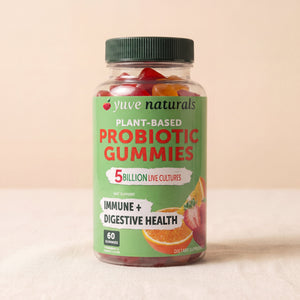
That’s exactly why we created Yuve Vegan Probiotic Gummies. We handpicked science-backed strains to ensure they arrive in your gut alive and ready to get to work, helping to populate your system with the good guys who keep everything running smoothly. They are an essential part of a smart, proactive gut health routine.
Digestive Enzymes: The Mealtime Support Crew
Ever finish a meal and feel that immediate, dreaded "poof"? That familiar bloating and gas is often a sign that your body is having a tough time breaking down your food efficiently. Digestive enzymes are the proteins that act like tiny scissors, snipping fats, proteins, and carbs into smaller pieces your body can actually absorb.
Your body naturally produces enzymes, but things like age and stress can slow down production. Supplementing with enzymes gives your digestive system the extra help it needs to do its job right. I do NOT think you should have to give up your favorite foods forever.
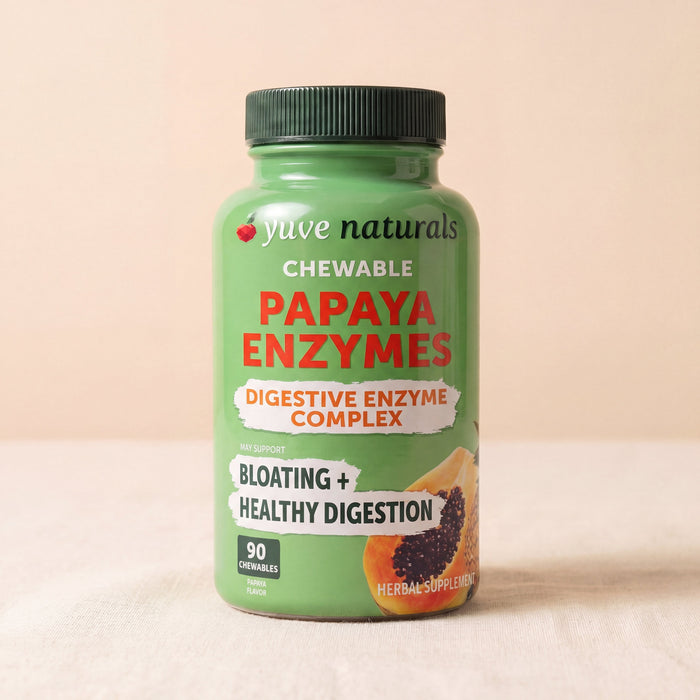
This is especially helpful for certain foods. If pizza night leaves you feeling uncomfortable, a targeted enzyme can be a lifesaver. That’s why we see Yuve Papaya Enzymes as a daily essential for heading off that post-meal bloat and making sure you enjoy your meals without regret.
Making an Informed Choice
It's clear people are looking for these kinds of natural solutions more than ever. The global market for gut health products is booming, and a huge part of that growth is driven by people seeking out probiotics and plant-based supplements. If you're curious, you can discover more insights about the gut health market on marketsandmarkets.com.
With so many products available, knowing what to look for is absolutely critical. Always check the label for a few key things:
- CFU Count: For probiotics, this tells you the number of live and active bacteria per dose.
- Strain Specificity: Look for named strains (like Lactobacillus acidophilus) that have solid research backing them.
- Third-Party Testing: This is your assurance that what's on the label is actually in the bottle.
Feeling confident reading a supplement label is a skill worth learning. To help you become an expert, we put together a complete guide on how to read supplement labels. Empowering yourself with this knowledge is the first step toward choosing supplements that truly work for you.
Your Action Plan: A Simple Daily Gut Health Routine
Feeling motivated but not quite sure how to put all this information into practice? Let’s take the guesswork out of it. We can translate everything we’ve talked about into a simple, day-in-the-life routine you can start tomorrow. No complicated rules, just small, powerful habits.
This isn't about aiming for perfection right out of the gate. It’s about creating a gentle rhythm that supports your body, one meal and one moment at a time. Let’s map out a day that leaves your gut feeling calm, happy, and supported.
Your Morning Gut Routine
How you begin your day really does set the stage for your digestion. Instead of jumping straight into the morning rush, try to build in just a few minutes for these simple steps.
- Hydrate First: Before you even think about coffee or breakfast, drink a large glass of room-temperature water. This simple act gently wakes up your digestive system and rehydrates your body.
- Fuel with Fiber: A truly gut-friendly breakfast is rich in fiber. Think oatmeal topped with berries and chia seeds, or a smoothie packed with spinach and a banana.
- Supplement Smartly: Morning is the perfect time to reinforce your gut microbiome for the day ahead. Taking your Yuve Vegan Probiotic Gummies with breakfast helps ensure a steady stream of beneficial bacteria populates your system.
Afternoon and Evening Habits
The middle of the day can get hectic, but even tiny adjustments can have a big impact. The goal here is to stay mindful and keep stress from hijacking your digestion.
- Mindful Lunch Break: Seriously, step away from your desk. Put your phone down. When you chew your food slowly, you're helping your body register fullness and aiding digestion by lowering stress.
- Hydrate and Move: Keep a water bottle handy and try to take short breaks to walk around. A little bit of movement helps stimulate how food moves through your stomach and intestines.
- Wind-Down Ritual: In the evening, help your body shift into "rest and digest" mode. Sip on a calming cup of ginger or peppermint tea. Spend just 10 minutes doing something relaxing, like reading a book or some gentle stretching.
Your Gut Health Quick Wins Checklist
Feeling a bit overwhelmed? Don't be. Just start here. Pick one or two of these to focus on this week:
- Drink a glass of water first thing every morning.
- Add one high-fiber food to your breakfast (like flax seeds or berries).
- Eat one meal a day without any screen distractions.
- Take a 10-minute walk after your biggest meal of the day.
- Set a reminder to take your Yuve Vegan Probiotic Gummies daily.
Common Questions About Gut Health (FAQ)
Embarking on a new health journey always sparks a few questions. That's a good thing! It shows you're invested and ready to understand what's happening inside your body. Let's tackle some of the most common queries we hear to give you that extra bit of confidence as you get started.
How long until natural remedies start working?
This is the big one, and the honest answer is: it really depends. Your gut microbiome is as unique as your fingerprint. That said, with consistent effort, most people start to feel positive changes-like less bloating, smoother digestion, and more energy-within a few weeks. The real key is patience. Remember, you're not just popping a pill; you're rebuilding an entire internal ecosystem. It takes time!
Is it safe to take probiotics every day?
For the vast majority of people, absolutely. Taking a daily probiotic is not only safe but often one of the best things you can do for your gut. Think of it like tending to a garden. A daily dose of probiotics is like giving your garden a consistent sprinkle of water and care. It helps keep the good bacteria topped up and resilient, which is crucial when you’re facing everyday stressors or can't always stick to a perfect diet. Consistency is key.
What is the difference between prebiotics and probiotics again?
It's super easy to mix these two up, but our garden analogy makes it crystal clear.
- Probiotics are the actual live, beneficial bacteria. They are the seeds you plant in your gut's garden.
- Prebiotics are special types of fiber that act as food for those good bacteria. They are the fertilizer that helps your seeds sprout and grow strong.
You truly need both for a healthy gut. Probiotics add the good guys to your community, and prebiotics make sure they have the nourishment they need to stick around and do their important work.
At Yuve, we're all about making gut health straightforward and sustainable. A great daily probiotic is a cornerstone for building digestive wellness from the inside out.
Ready to start planting some good seeds in your gut garden? Explore our Vegan Probiotic Gummies today!