Ever feel like you're doing everything right with your gluten-free diet, but your stomach still isn't happy? That frustrating, afternoon bloating that seems to come out of nowhere? You're not alone - and it's not always just about what you ate.
Here's a fact that trips a lot of people up: probiotics themselves are naturally gluten-free. The beneficial bacteria don't contain a speck of gluten. But - and this is a big but - that doesn't automatically mean the supplement on the shelf is safe for you. Hidden ingredients, cheap fillers, and cross-contamination during manufacturing can all introduce gluten. For anyone with celiac disease or a gluten sensitivity, that's a serious problem.
In this guide, we'll walk you through exactly what to look for, how to decode confusing labels, and how to find a probiotic you can finally trust. Let's get you the gut support you need, without any of the unwanted surprises.
Why Finding a Truly Gluten-Free Probiotic Matters
Does this sound familiar? You're sticking to your gluten-free diet like a pro, but your gut just won't cooperate. You’ve ditched the bread and pasta, yet the bloating, gas, and discomfort stubbornly hang around. It's incredibly frustrating, and we get it.
Navigating the world of supplements can feel like walking through a minefield. You grab a bottle of probiotics, thinking you’re doing something positive for your gut health, only to suspect later that it might be the very thing causing your flare-up. Suddenly, the search term "probiotics gluten free" isn't just a casual query; it's a non-negotiable standard for feeling your best.
The Gut Health Connection
If you're managing celiac disease or gluten sensitivity, a healthy gut microbiome isn't just a "nice-to-have" - it's essential. The chronic inflammation gluten can cause often throws the delicate balance of your gut bacteria out of whack, leading to a cascade of other problems.
As an article from the Global Lyme Alliance explains, a balanced gut is a cornerstone of your immune system and your body's ability to manage inflammation. Choosing the right probiotic becomes a powerful, proactive step in building a more resilient digestive system.
A high-quality, certified gluten-free probiotic can help you:
- Restore Balance: It works to replenish the good bacteria needed to maintain a strong, healthy gut lining.
- Reduce Discomfort: It can help ease the persistent gas and bloating that sometimes stick around even on a strict diet.
- Support Nutrient Absorption: A healthier gut is far more efficient at absorbing all the vital nutrients from the food you eat.
So, How Does Gluten Hide in Your Probiotic Supplements?
It’s one of the most frustrating parts of living gluten-free. You pick up a supplement that’s supposed to help your gut, only to realize it might contain the very thing you’re trying so hard to avoid. How on earth does gluten sneak into a probiotic?
Well, the problem rarely lies with the beneficial bacteria themselves. It’s almost always about everything else that gets packed into the capsule or gummy alongside them. Think of yourself as a detective - you have to look for clues beyond the main suspect.
Sneaky Fillers and Additives
To make a supplement stable, palatable, and easy to swallow, manufacturers add a host of other ingredients. Most are perfectly fine, but some are notorious for being hidden sources of gluten.
Keep an eye out for these common culprits on the "Other Ingredients" list:
- Binders and Fillers: These give a pill or gummy its shape and bulk. The issue is that some starches used as fillers can come from wheat.
- Anti-Caking Agents: These handy ingredients stop powders from clumping. Dun, dun, dun - some formulas might rely on sources that contain gluten. Yikes!
- Capsules: Standard gelatin capsules are gluten-free, but watch out for some vegetarian capsules. If they're made from "modified food starch," there’s a chance it could be derived from a gluten source unless the label says otherwise.
It's a tough pill to swallow, but "probiotics gluten free" isn't always a given. You have to put on your consumer detective hat and scrutinize every single ingredient on that label.
A supplement's active ingredient might be perfectly safe, but the supporting cast of fillers and coatings is where the risk of hidden gluten often lies. Never skip reading the full ingredients list.
The Big Problem: Cross-Contamination
Even if a probiotic’s formula is 100% free of gluten-containing ingredients on paper, you're not totally in the clear. Cross-contamination is a massive issue, especially for anyone with celiac disease or severe sensitivity.
Picture a busy kitchen. You’re making a flourless chocolate cake, but someone just finished baking a loaf of bread right before you. Flour dust could be lingering in the air, on the countertops, and all over the mixing bowls. The exact same thing can happen in a supplement manufacturing facility.
If the same factory also produces other products that contain wheat, barley, or rye, there's a real risk that tiny gluten particles can contaminate the machinery, the air, and shared surfaces. Those trace amounts can easily find their way into a product that is supposed to be completely clean.
This is precisely why just scanning the label for the word "wheat" isn't enough. A product can have zero gluten ingredients but still pick up contamination during production. And that’s where third-party certifications become your best friend - they don’t just check the formula, they audit the entire manufacturing process from start to finish.
How to Read Labels and Certifications with Confidence
Staring at a wall of supplement bottles, trying to decipher the tiny print and strange symbols, can feel overwhelming. Let’s cut through that confusion and turn you into a confident label reader. Think of this as your personal guide to understanding what probiotics gluten free claims really mean, so you can separate marketing fluff from a genuine safety guarantee.
It's one thing for a brand to simply slap a "gluten-free" sticker on its label. It's another thing entirely for that claim to be verified by a tough, independent organization. For anyone with celiac disease or a serious gluten sensitivity, that difference is critical.
As you can see, gluten can be a master of disguise, hiding in fillers, sneaking in through cross-contamination, or even being part of the capsule itself. Knowing where to look is the first step in finding a truly safe product.
Third-Party Certifications: Your Best Bet for Safety
The most trustworthy symbols you can find on a bottle are third-party certification seals. These aren't just decorative logos; they're proof that the product has passed a rigorous inspection.
One of the gold standards is the seal from the Gluten-Free Certification Organization (GFCO). When you spot their mark, it means the product has been tested and contains less than 10 parts per million (ppm) of gluten. That’s twice as strict as the FDA's requirement of less than 20 ppm.
This kind of certification gives you real peace of mind. It verifies that not only is the final product safe, but the entire manufacturing facility has been audited to ensure strict protocols are followed to prevent cross-contamination from beginning to end.
Another valuable certification to look for is GMP (Good Manufacturing Practices). This seal confirms the manufacturer adheres to high standards for quality, cleanliness, and consistency. While it isn't specifically about gluten, it’s a powerful indicator of a brand’s commitment to making supplements you can trust.
Decoding Gluten Free Labels on Probiotics
Sorting through the different claims can be tricky. This table is a quick-reference guide to help you understand what you're really seeing on a supplement bottle.
| Label Claim or Certification | What It Means for You | Level of Assurance |
|---|---|---|
| "Gluten-Free" (No Certification) | The manufacturer claims the product meets the FDA's standard of <20 ppm gluten, but there's no independent verification. | Low to Moderate. Relies entirely on trusting the brand's internal processes. |
| "Certified Gluten-Free" (e.g., GFCO) | An independent third party has tested the product and audited the facility. GFCO certifies to a stricter <10 ppm standard. | High. This is the strongest guarantee of safety against gluten exposure. |
| "Made in a Gluten-Free Facility" | The production facility does not handle gluten-containing ingredients, which significantly reduces the risk of cross-contamination. | Moderate to High. A very good sign, especially when combined with a "gluten-free" claim. |
| "Wheat-Free" | The product does not contain wheat ingredients, but it could still contain gluten from other sources like barley or rye. | Low. This claim is not sufficient for those with celiac disease or gluten sensitivity. |
Ultimately, looking for a third-party seal like the GFCO’s is your safest bet. It removes the guesswork and provides a verified layer of protection.
Mastering the Ingredients List
Beyond the official seals, the "Other Ingredients" section on the label is your next line of defense. Here are a few quick tips for scanning that list with confidence:
- Look for Obvious Offenders: The first step is always to scan for "wheat," "barley," or "rye." It sounds basic, but you'd be surprised.
- Be Wary of Vague Terms: Ingredients like "food starch," "natural flavors," or "dextrins" can sometimes be derived from wheat. Unless the source is clearly specified (like "from corn" or "from tapioca"), it’s smart to be cautious.
- Prioritize Simplicity: A shorter ingredient list usually means fewer places for hidden gluten to hide. Clean formulas with ingredients you can recognize are almost always a safer choice.
By combining an eye for trusted certifications with the skill to scan an ingredients list, you can finally walk down the supplement aisle without any stress. You deserve to feel certain that the probiotic you choose is helping your gut, with no hidden ingredients to worry about.
Connecting Gut Health and a Gluten-Free Lifestyle
So, you know how to find a probiotic that's truly safe. But let's zoom out and look at the bigger picture. It’s about more than just dodging a bad reaction - it’s about actively building a stronger, more resilient digestive system that can truly support your gluten-free life.
Living with celiac disease or gluten sensitivity often means your gut has been through the wringer. The inflammation gluten causes can throw the delicate balance of your gut microbiome completely out of whack. That’s the community of trillions of bacteria living inside your digestive tract, and they're incredibly important.
This imbalance, often called dysbiosis, is a big deal. It's why you might still struggle with bloating, gas, or trouble absorbing nutrients even after you’ve cleaned up your diet. Think of your gut as a garden. Gluten acts like an invasive weed, choking out the good plants and leaving the whole ecosystem in disarray.
Why a Balanced Gut Is Your Best Friend
A healthy gut microbiome is crucial for everyone, but it’s absolutely non-negotiable if you're on a gluten-free journey. When your gut bacteria are in harmony, they do some pretty amazing things:
- Support your immune system. A huge chunk of your immune function is actually headquartered in your gut.
- Strengthen the gut lining. A strong gut barrier is essential for preventing unwanted substances from "leaking" into your bloodstream.
- Improve nutrient absorption. A balanced gut makes sure you get every bit of nutrition from the healthy food you eat.
Adding a high-quality, certified gluten-free probiotic is like re-seeding that internal garden with beneficial flowers. It’s a powerful step toward restoring harmony and finally shaking off those frustrating symptoms.
The Power of Proactive Gut Care
The massive interest in probiotics isn't just a wellness fad. It’s rooted in a real, growing understanding of just how foundational gut health is to our well-being. The global probiotics market has exploded into a massive industry valued at around $69 billion, and it's still growing fast, according to Fortune Business Insights. This just goes to show how many people are realizing the power of taking a proactive approach to their digestive health.
Choosing the right probiotics gluten free supplement isn’t just about putting out fires; it’s about building a solid foundation of health from the inside out. By picking a high-quality, multi-strain formula, you’re giving your body a targeted tool to help it heal and thrive. You're not just avoiding a problem - you're making a daily investment in feeling your absolute best.
Finding Your Perfect Probiotic Match with Yuve
We get it. Managing your health, especially when you have to be vigilant about gluten, can feel like a full-time job. The last thing you need is for your supplements - the very things meant to help you - to add another layer of stress.
You’ve spent enough time decoding labels and worrying about hidden ingredients. Your journey to better gut health should be simpler. That’s where we come in.
The story behind Yuve isn’t a corporate one; it’s personal. Our founder, Sam, spent years battling his own digestive problems. He was tired of supplements loaded with junk, questionable fillers, and allergens that only made things worse. He knew there had to be a better way.
So, he created Yuve. The goal was simple: make clean, effective, and completely transparent products that he - and people like us - could finally trust. We aren't just selling supplements; we're offering the solution born from a real-life struggle.
Our Commitment to Clean Ingredients
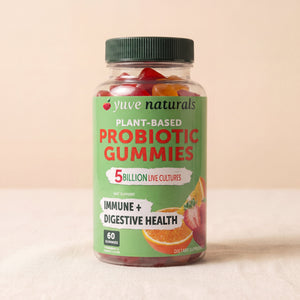
You need more than just a vague probiotics gluten free promise on a label; you need absolute confidence. That’s why our Yuve Probiotic Gummies are formulated to be worry-free. They are the smart, proactive step to feeling great without discomfort.
- Certified Gluten-Free: This isn't just a claim; it's a guarantee. Our products undergo rigorous testing to ensure they are safe for anyone with celiac disease or gluten sensitivity.
- Vegan and Gelatin-Free: We use fruit-based pectin instead of animal-derived gelatin, making our gummies a perfect fit for a plant-based lifestyle.
- Non-GMO: Our commitment is to ingredients that are as natural and wholesome as possible.
- Free from Major Allergens: No soy, dairy, nuts, or unnecessary artificial additives. Just the good stuff.
Sam’s frustration with the supplement industry's lack of transparency became Yuve’s mission. He wanted to create products you could trust completely, without having to second-guess every single ingredient.
More Than a Product, We're Your Partner
Choosing Yuve means choosing a brand that genuinely understands your health journey. It means an end to the anxiety of scanning ingredient lists, wondering if your probiotic is secretly working against you.
It's about feeling good about what you're putting in your body. We’re here to take the guesswork out of gut health, so you can focus on what truly matters - living a life full of energy, comfort, and well-being.
Quick Wins: Your Action Plan for Choosing Safe Probiotics
Feeling ready to find your perfect probiotic without the gluten-related stress? Let’s pull everything together into a simple, actionable checklist. Think of this as your field guide to choosing a supplement you can trust.
Your Four-Step Safety Check
- Look for Third-Party Certification: Don't just take a brand's word for it. Your best bet is to find a trusted seal, like the one from the Gluten-Free Certification Organization (GFCO). This is your gold standard.
- Read the "Other Ingredients" List: Time to put on your detective hat. Scan the entire ingredients list. Be wary of vague terms like "food starch" if the source isn't specified. Check out our guide to gluten-free nutritional supplements for more tips.
- Contact the Manufacturer: A good company will have nothing to hide. Don't be shy about reaching out to ask about their gluten-testing protocols. A transparent answer is a great sign.
- Consider Overall Brand Quality: Look for other markers of quality, like GMP (Good Manufacturing Practices) certification. This tells you the brand is serious about safety and consistency.
You are not alone in this. The demand for trustworthy, clean supplements is bigger than ever. By using this checklist, you're not just protecting your own health - you’re casting a vote for a more transparent supplement industry.
FAQ: Your Gluten-Free Probiotic Questions Answered
It's completely normal to have a few more questions rattling around. Let's tackle some of the most common ones so you can feel 100% confident.
Can I Trust a 'Gluten-Free' Claim Without a Certification Seal?
Honestly, it’s a bit of a gamble. When a company just slaps a "gluten-free" claim on its label, they're basically grading their own homework. They are supposed to be following the FDA's guideline of less than 20 parts per million (ppm) of gluten, but there's no independent body checking their work. A third-party seal, like one from the GFCO, holds brands to a much higher standard (less than 10 ppm). If you have celiac disease or are highly sensitive, I do NOT think it's worth the risk. Stick with certified products.
Are All Vegan Probiotics Automatically Gluten-Free?
This is a great question and a super common mix-up. The short answer is a hard no. A vegan label is fantastic for confirming that a product is free from animal-derived ingredients like gelatin or dairy. But here's the catch: gluten comes from plants and can easily sneak into a vegan product through fillers or cross-contamination. Always look for that specific gluten-free certification, even if the product is vegan.
How Do I Know If a Reaction Is from the Probiotic or Hidden Gluten?
This one is incredibly tricky. When you first start a new probiotic, it's normal to have some temporary gas or bloating as your gut adjusts. However, if your symptoms feel a little too familiar - that specific digestive upset, brain fog, or joint pain that screams "I've been glutened" - that’s a massive red flag. The best way to figure it out is to stop taking the supplement and see if things improve. The best strategy, of course, is to avoid this worry altogether by choosing a product you trust from the start.
At Yuve, we take all the guesswork out of it for you. Our Probiotic Gummies are certified gluten-free, so you can focus on supporting your gut health without ever wondering if your supplement is the sneaky source of your symptoms. Ready to feel the difference? Give them a try and let us know what you think in the comments below