Ever feel like you’re the first one to get sick when a bug goes around the office and the last one to finally get better? You’re not alone. It’s deeply frustrating to feel like your body isn't on your team, leaving you constantly battling fatigue, sniffles, or nagging digestive issues that just won't quit. And that feeling when your stomach inflates like a balloon by afternoon? Ugh, it’s the worst.
But what if these weren't just random annoyances but important messages from your body?
Your immune system is your personal, microscopic army, and when it’s not at full strength, it sends out subtle- and not-so-subtle- signals for support. In this guide, we'll walk through the ten most common signs of a weak immune system. We'll move beyond just listing symptoms to explore the "why" behind them. Together, we will uncover practical, supportive steps you can take today- from simple daily habits to smart, targeted supplementation. Our goal is to help you learn to listen to your body and build a resilient foundation so you can feel strong, energized, and ready for anything.
1. Frequent Infections: The Never-Ending Cold Cycle
Does it feel like you’re bouncing from one cold straight into another, while everyone around you seems perfectly fine? We get it. This relentless cycle of sickness is one of the most common signs of a weak immune system. A healthy immune system is your body's expert defense team, efficiently identifying and neutralizing common invaders like viruses and bacteria. When it's not operating at full strength, you become far more vulnerable to every bug going around.

While catching a couple of colds per year is normal for adults, constantly battling them is not. More than three colds annually, sinus infections that keep coming back, or needing multiple rounds of antibiotics are clear indicators that your immune defenses need support. The same goes for recurring issues like yeast infections or cold sores. These aren't just bad luck; they’re signals that your system is struggling to keep pathogens in check.
What to Do About It
- Keep a Health Diary: Track how often you get sick, the duration, and the severity of your symptoms. This creates a clear pattern to discuss with your doctor.
- Prioritize Hygiene Basics: Simple habits like frequent hand-washing, not touching your face, and avoiding close contact with sick individuals can significantly reduce your exposure, giving your immune system a much-needed break.
- Focus on Foundational Health: Bolstering your body’s defenses often starts with the basics. For more actionable strategies, you can learn more about how to strengthen your immune system on getyuve.com.
2. Persistent Fatigue and Weakness
Do you feel bone-tired even after a full night’s sleep? This isn't your average tiredness; it's a profound exhaustion that rest can't seem to fix. This persistent fatigue is another one of the major signs of a weak immune system. Your immune system is like your body's internal army, and when it’s constantly fighting off low-grade infections or dealing with inflammation, it consumes a tremendous amount of energy. This leaves very little fuel for your daily activities, resulting in a state of chronic weakness and exhaustion.

Think of it like a computer running too many programs in the background- it slows everything down. Similarly, an overactive or strained immune system drains your body's resources. This isn’t just a feeling of being sleepy; it’s a signal that your body is diverting its energy reserves to a hidden battle. What does this mean for you? It means that feeling perpetually drained isn't a personal failing- it's a biological reality when your immune system is overworked.
What to Do About It
- Track Your Energy Levels: Keep a simple log of your daily energy on a scale of 1-10. Note activities, sleep quality, and diet to see if you can identify any patterns or triggers. If the fatigue lasts more than three weeks, it’s time to consult your doctor.
- Prioritize Restorative Sleep: Aim for 7-9 hours of high-quality sleep each night. Create a relaxing bedtime routine, avoid screens an hour before bed, and ensure your bedroom is dark and cool to help your body and immune system recharge properly.
- Support Your Natural Energy Production: Instead of reaching for another cup of coffee, focus on sustainable energy. You can get tips to boost energy levels naturally on getyuve.com.
3. Slow Wound Healing
Ever notice that a simple paper cut or a small scrape seems to linger for what feels like an eternity? When your body's repair processes are sluggish, it's often one of the more subtle signs of a weak immune system. Your immune system is the first responder to any injury. It sends inflammatory cells to the site to fight off potential invaders, clear debris, and kickstart the rebuilding of new tissue. If this system is underperforming, the entire healing cascade slows down.
A healthy immune response is crucial for every stage of healing, from the initial swelling that protects the area to the final remodeling of the skin. When it's compromised, even minor wounds become vulnerable to infection and take significantly longer to close. For instance, individuals with conditions that affect immunity often experience this, such as diabetic patients who can develop non-healing foot ulcers. This isn't just about inconvenience; it's a clear signal that your body's internal defense and repair mechanisms are struggling to keep up.
What to Do About It
- Monitor and Protect: Keep all cuts and scrapes clean, dry, and covered with a sterile bandage to prevent infection from taking hold. Watch closely for signs of trouble, like increasing redness, warmth, or discharge, and consult a doctor if you notice them.
- Fuel Your Repair Crew: Healing requires building blocks. Ensure your diet is rich in protein and vitamin C, both of which are essential for creating new skin tissue. Think citrus fruits, bell peppers, and lean protein sources.
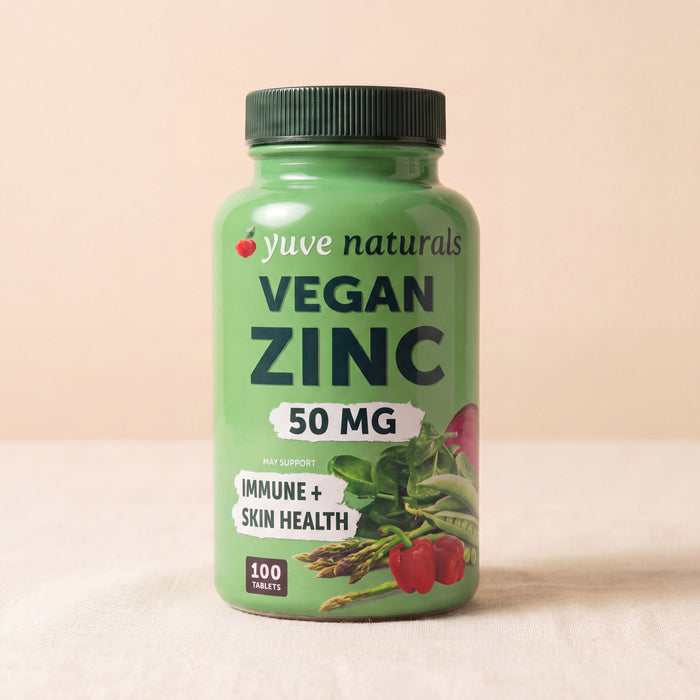
- Consider Your Nutrient Intake: Zinc is another critical mineral for wound healing and immune function. If you're struggling to get enough from your diet, a high-quality supplement can help provide the nutritional support your body needs to mend itself efficiently.
4. Frequent Diarrhea or Digestive Issues
Is your stomach constantly in turmoil? Persistent digestive problems like chronic diarrhea, gas, bloating, or constipation are more than just uncomfortable- they can be clear signs of a weak immune system. And let’s be real, the constant discomfort is exhausting. A staggering 70% of your immune system resides in your gut, where a delicate balance of beneficial bacteria helps regulate your body's defenses. When this gut microbiome is disrupted, it can directly compromise your immune response.
This connection is why issues that seem purely digestive often signal deeper immune struggles. For instance, individuals with compromised immunity may experience chronic diarrhea because their system can't effectively fight off gut pathogens. Similarly, frequent antibiotic use can wipe out good gut bacteria, leaving the immune system vulnerable and potentially leading to a cycle of digestive distress. Dun, dun, dun- unwelcome gas. Yikes! These aren't just isolated stomach aches; they're messages that your gut- and by extension, your immune system- needs serious support.
What to Do About It
- Become a Gut Detective: Keep a detailed food diary to track what you eat and how you feel. This can help you pinpoint specific trigger foods or patterns that are causing inflammation and upsetting your gut's delicate balance.
- Support Your Microbiome: A healthy gut is a happy gut. Incorporating the Yuve Vegan Probiotic + Prebiotic supplement into your daily routine is a smart, proactive step. It delivers beneficial bacteria to help restore balance and strengthen your gut's immune defenses, making it a core solution for digestive peace.
- Consider Targeted Support: If you're experiencing frequent digestive issues, exploring supplements like Synogut might also offer relief. Always consult with a healthcare provider before starting new supplements.
5. Frequent Headaches and Fever
Do you find yourself reaching for a thermometer or headache relief more often than you’d like? While an occasional headache or fever is a normal part of life, frequent occurrences can be one of the more subtle signs of a weak immune system. A fever isn't the illness itself; it’s your body’s tactical response to raise its temperature to make it harder for pathogens to survive. When this happens regularly, it’s a red flag that your immune system is in a constant, low-grade battle against an underlying infection or inflammation.
Persistent headaches, especially when paired with a low-grade fever, can also signal that your immune system is working overtime. This could be due to chronic inflammatory conditions or persistent viral activity that your body is struggling to fully clear. Think of it as an engine that's always running a little too hot - it’s a sign that the system is under continuous stress and needs support to cool down and reset.
What to Do About It
- Track Your Symptoms: Keep a detailed log of your temperature and headache occurrences. Note the time of day, severity, and any potential triggers. This provides a clear pattern to discuss with your healthcare provider.
- Avoid Self-Medicating Without Insight: While it's tempting to immediately take a fever reducer, understanding the pattern first is crucial. Constantly masking a recurring fever can hide an important signal your body is sending.
- Support Your Body’s Defenses: Focus on foundational health to ease the burden on your immune system. Ensure you’re getting adequate rest and hydration, and manage stress levels, as these factors directly impact your body's ability to fight and recover.
6. Enlarged Lymph Nodes: Your Body’s Alarm System
Have you ever felt a tender, swollen lump in your neck, armpit, or groin when you're feeling under the weather? These are your lymph nodes, and they act like tiny military bases for your immune cells. When they swell, it's often a sign that your body is actively fighting off an infection. However, persistently enlarged lymph nodes that stick around for more than a few weeks could be one of the more subtle signs of a weak immune system that is overworking or struggling to clear a pathogen.

Your lymph nodes are hubs where immune cells gather to trap and destroy invaders. While temporary swelling during an illness like the flu or strep throat is normal, chronic enlargement (lymphadenopathy) can indicate an immune system that is constantly in high-alert mode. Think of it as an alarm that won’t turn off; it’s a clear signal that your body's defense team needs a thorough check-up.
What to Do About It
- Monitor and Document: Pay attention to how long the swelling lasts. A lump that persists for more than three weeks, feels hard, is fixed in place, or is accompanied by other symptoms like night sweats or unexplained weight loss warrants an immediate visit to your doctor.
- Don't Self-Diagnose: It can be tempting to search for causes online, but only a healthcare provider can determine the reason for enlarged lymph nodes. They will assess the size, tenderness, and location to figure out the next steps.
- Support Overall Immune Health: While awaiting a diagnosis, focus on gentle, supportive practices. Ensure you’re getting enough sleep, managing stress, and eating a diet rich in immune-supportive nutrients like Vitamin C, Zinc, and Vitamin D.
7. Skin Infections and Slow Recovery
Your skin is your body’s largest organ and its first line of defense against the outside world. If you find yourself constantly dealing with rashes, boils, abscesses, or stubborn fungal infections, it could be one of the more visible signs of a weak immune system. When your internal defense system isn’t working optimally, it struggles to manage the bacteria and fungi that live on your skin, leading to frequent and hard-to-heal issues.
Think of it this way: a healthy immune system is like a diligent security guard for your skin, quickly handling any troublemakers. When that guard is overworked or under-resourced, minor issues can escalate. A small cut that takes forever to heal, persistent athlete's foot, or recurring staph infections are signals that your body's defenses are compromised. These aren't just surface-level problems; they reflect a deeper, systemic struggle to keep pathogens under control.
What to Do About It
- Practice Meticulous Skin Hygiene: Gently wash your skin daily, especially after sweating. Keep skin folds clean and dry to prevent fungal growth.
- Address Wounds Immediately: Clean any cuts, scrapes, or breaks in the skin promptly with an antiseptic and cover them with a bandage to prevent infection from taking hold.
- Avoid Sharing Personal Items: Things like towels, razors, and nail clippers can easily transfer bacteria and fungi. Make sure everyone in your household has their own.
8. Mouth Ulcers and Oral Thrush
Do you find yourself constantly battling painful canker sores or noticing a strange white coating on your tongue? These aren't just minor oral annoyances; they can be telltale signs of a weak immune system. Your mouth is a frontline defense zone, and when your immunity is down, opportunistic infections like oral thrush (a yeast overgrowth) and recurrent aphthous ulcers can easily take hold. A healthy immune system keeps these in check, but a compromised one gives them an open invitation.
These issues are more than just uncomfortable- they directly interfere with your ability to eat and drink properly, potentially leading to nutritional gaps that further weaken your defenses. For example, oral thrush is a well-known complication in individuals with severely compromised immunity. Similarly, frequent, painful ulcers can signal that your body's inflammatory response isn't well-regulated, a key function of your immune system.
What to Do About It
- Practice Excellent Oral Hygiene: Brush twice a day, floss daily, and consider an antiseptic mouthwash to reduce the microbial load in your mouth, giving your immune system less to fight.
- Avoid Irritating Foods: When you have active sores, steer clear of hot, spicy, or highly acidic foods (like citrus and tomatoes) that can worsen pain and inflammation.
- Focus on Key Nutrients: Deficiencies in B vitamins, iron, and zinc are linked to mouth ulcers. Ensuring your diet is rich in these nutrients or considering a high-quality supplement can help support your oral and immune health.
9. Allergies and Hypersensitivity Reactions
Are your seasonal allergies suddenly worse than ever, or are you reacting to foods and substances that never bothered you before? This heightened sensitivity can be another one of the surprising signs of a weak immune system. While we often think of a weak system as under-reactive, it can also become dysregulated and over-reactive, mistakenly launching a full-blown attack against harmless substances like pollen, dust, or certain food proteins.
This immune confusion leads to the classic symptoms of allergies- sneezing, hives, and inflammation. When your immune system is compromised, it struggles to maintain balance. This can manifest as new or worsening asthma, eczema, or even multiple chemical sensitivities. It's not just bad luck; it’s a signal that your body's defense control center is misfiring and needs support to regain its equilibrium.
What to Do About It
- Keep an Allergy Diary: Track your symptoms, what you ate, where you were, and what products you used. This can help you and your doctor identify potential triggers.
- Consider Allergy Testing: If your reactions are severe or puzzling, an allergist can perform tests to pinpoint specific allergens, providing clarity on what to avoid.
- Support Immune Balance: A balanced immune system is less likely to overreact. Focus on an anti-inflammatory diet rich in antioxidants from fruits and vegetables, and ensure you're getting adequate rest to help regulate your body's responses.
10. Poor Response to Vaccinations
Vaccinations work by teaching your immune system how to recognize and fight off specific pathogens. But what happens when the student isn’t paying attention? A poor response to vaccines is one of the more clinical signs of a weak immune system. This means that even after receiving a shot, your body fails to produce a sufficient number of antibodies to create protective immunity, leaving you vulnerable despite being vaccinated.
This isn't just a minor issue; it indicates a significant underlying problem with your immune system's ability to mount a strong, targeted defense. For instance, people with compromised immunity, such as organ transplant recipients on immunosuppressant drugs or individuals with certain chronic illnesses, often show a diminished response. This is a clear signal that their immune defenses are not functioning optimally and need significant support to protect them from preventable diseases.
What to Do About It
- Request Titer Testing: If you're concerned, you can ask your doctor for an antibody titer test after a vaccination. This blood test measures the level of protective antibodies your body has produced, confirming whether the vaccine was effective for you.
- Discuss Timing and Strategy: If you have a known immune-compromising condition, speak with your healthcare provider about the best timing and type of vaccine. They may recommend alternative formulations or adjusted schedules.
- Support Your System: Foundational immune health plays a crucial role in vaccine efficacy. Key nutrients are vital for a robust immune response. You can learn more about how Vitamin D and probiotics support your immunity on getyuve.com.
10 Signs of a Weak Immune System — Comparison
| Sign | Detection Complexity 🔄 | Resources Needed ⚡ | Diagnostic Value ⭐📊 | Ideal Follow-up / Use Case 💡 | Key Advantages ⭐ |
|---|---|---|---|---|---|
| Frequent Infections | Low–Moderate: recurrent, patient‑reported; seasonal confounders | Moderate: symptom logs, cultures, CBC, immunoglobulin testing | ⭐⭐⭐⭐: strong indicator of immune compromise | Immunology workup; preventive measures and prophylaxis | Clear, actionable trigger for evaluation |
| Persistent Fatigue and Weakness | Moderate: subjective, multifactorial | Moderate: labs (CBC, thyroid), sleep assessment, nutrition tests | ⭐⭐: nonspecific; many differential diagnoses | Holistic evaluation; test for infections, deficiencies, sleep disorders | Prompts broad diagnostic review |
| Slow Wound Healing | Low: objective and observable delay | Moderate: wound culture, glucose control, vascular/nutrition assessment | ⭐⭐⭐⭐: specific sign of impaired healing/immune or circulatory issues | Targeted wound care, metabolic optimization, immunology if recurrent | Objective sign guiding focused testing |
| Frequent Diarrhea or Digestive Issues | Moderate: pattern recognition needed | Moderate: stool studies, microbiome assessment, possible endoscopy | ⭐⭐⭐: suggests gut immune/gut‑microbiome dysfunction | Dietary changes, probiotics, GI referral | Often addressable with diet/supplements |
| Frequent Headaches and Fever | Moderate: measurable but nonspecific | Moderate: temperature logs, CBC, inflammatory markers | ⭐⭐⭐: indicates ongoing inflammation or infection | Track patterns; blood work for chronic infection/inflammation | Measurable symptom that prompts testing |
| Enlarged Lymph Nodes | Low: palpable and visible | Moderate: exam, ultrasound, possible biopsy | ⭐⭐⭐⭐: strong indicator warranting investigation | Urgent medical evaluation for infection or malignancy | Clear clinical cue for timely workup |
| Skin Infections and Slow Recovery | Low: visible recurrent lesions | Low–Moderate: cultures, topical/systemic therapy, dermatology consult | ⭐⭐⭐: suggests barrier/immune deficiency | Hygiene, topical/systemic treatment, consider immune testing if recurrent | Visible and prompts early care |
| Mouth Ulcers and Oral Thrush | Low: easily observed on exam | Low: oral exam, antifungal trial, targeted labs (HIV, nutrition) | ⭐⭐⭐⭐: opportunistic infections often signal immune weakness | Oral hygiene, antifungals, evaluate for systemic causes | Easily observed and treatable; nutritional clues |
| Allergies and Hypersensitivity Reactions | Moderate: requires history and pattern analysis | Moderate: allergy testing, spirometry, specialist input | ⭐⭐: indicates immune dysregulation rather than simple deficiency | Trigger identification, allergy management, consider immunomodulation | Many established symptom‑management options |
| Poor Response to Vaccinations | High: requires serologic testing | High: antibody titers, detailed immunology assessment | ⭐⭐⭐⭐⭐: objective, quantifiable evidence of impaired adaptive immunity | Immunology referral; adjust vaccine type/schedule, consider boosters | Definitive, lab‑measurable indicator of immunodeficiency |
Your Action Plan for a Stronger, More Resilient You
Feeling seen? If you recognized yourself in one or more of the "signs of weak immune system" we’ve covered, please don’t feel overwhelmed. Instead, view this as a turning point. Recognizing these signals is the first, most powerful step you can take toward reclaiming your vitality. It's not about accepting frequent colds, constant fatigue, or nagging digestive issues as your new normal. It’s about understanding what your body is trying to tell you and responding with intention and care.
Think of your immune system like a garden. It doesn't become strong overnight by accident; it requires consistent, thoughtful cultivation. The insights from this article are your tools. From prioritizing deep sleep to managing stress and ensuring your wounds heal properly, each sign is a breadcrumb leading you back to a state of balance. The goal isn’t perfection, but progress.
Turning Knowledge into Actionable Steps
Let's distill this down into a simple, actionable plan you can start today. It's about building a foundation of resilience, one small, consistent choice at a time.
- Audit Your Lifestyle: Take an honest look at your daily habits. Are you consistently getting 7-8 hours of quality sleep? How are you actively managing stress? Even a 10-minute walk or a few minutes of deep breathing can make a significant difference.
- Color Your Plate: Focus on adding a variety of colorful fruits and vegetables to your meals. These foods are packed with the vitamins, minerals, and antioxidants that your immune cells depend on.
- Prioritize Gut Health: As we’ve seen, a huge portion of your immune system resides in your gut. Persistent digestive upset isn't just an inconvenience; it's a direct signal that your body's primary defense line may be compromised. For those looking to proactively build a stronger and more resilient immune system, exploring top natural immune system boosters can provide valuable insights.
- Listen, Don't Ignore: When you notice a sign like slow-healing cuts or frequent infections, treat it as important data. Document it and don’t hesitate to speak with a healthcare provider to get a clearer picture of what's going on.
A Note From Our Founder: Our founder, Sam, struggled for years with digestive issues that trickled into every other aspect of his health, from energy levels to his immune resilience. His path to feeling better taught us that targeted support is not a luxury- it's essential. For a truly foundational shift, supporting your gut health is non-negotiable. This is where a high-quality supplement moves from being an "add-on" to becoming a core part of your daily strategy. It’s a direct investment in building a stronger defense system from the inside out, so you can spend less time feeling unwell and more time living fully.
Ready to build your inner defense system? Yuve's Vegan Probiotic + Prebiotic blend is designed to nourish the gut-immune connection, providing the foundational support your body needs to thrive. Start your journey toward a more resilient you today with Yuve.