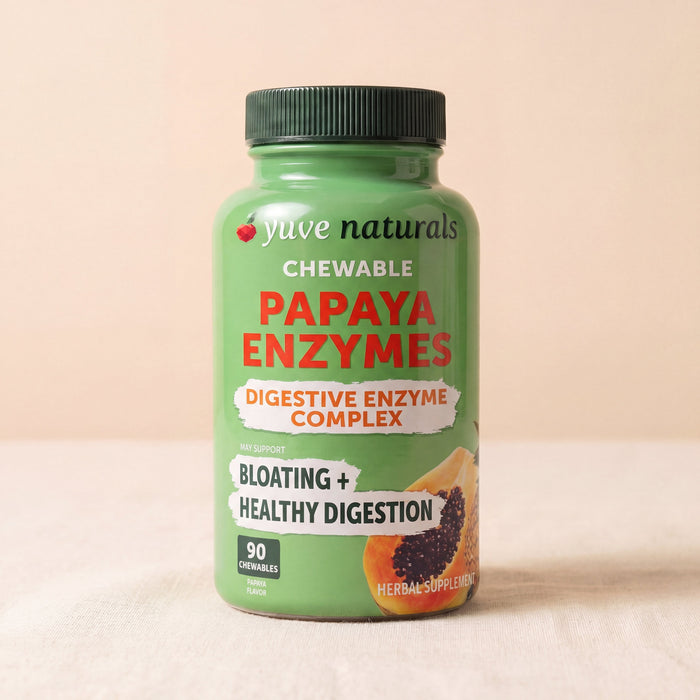
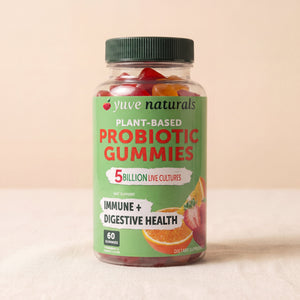
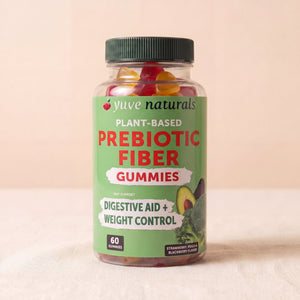
Ever feel like your stomach inflates like a balloon by afternoon, even on a super-healthy vegan diet? You’re not alone-and it’s not just what you ate. We've all been there, loading up on fiber, fruits, and veggies, only to be met with dun, dun, dun-unwelcome gas. Yikes!
The solution often comes down to rebalancing your gut microbiome, that bustling community of trillions of bacteria in your digestive tract. This guide will walk you through exactly what vegan probiotics supplements are, why they can be a game-changer for your digestion, and how to choose one that actually works. Let's get you feeling fantastic from the inside out.

Why Your Vegan Diet Might Need a Probiotic Boost
It’s a common frustration. You’re doing everything right, but your stomach still feels like it’s working against you. The truth is, even the healthiest diet can sometimes use a helping hand. Think of your gut as a complex garden. When the friendly, helpful bacteria are thriving, everything runs smoothly. But stress, certain foods, or a simple lack of microbial diversity can let the troublemakers take over, leading to digestive chaos.
This is where vegan probiotics supplements can be a real game-changer for your daily routine. They help restore that crucial balance, making your whole system run more smoothly.
What Makes a Probiotic Genuinely Vegan?
So, what really separates a standard probiotic from a vegan one? The secret is in how the beneficial bacteria are grown. Many popular probiotic strains are traditionally cultured on dairy-based mediums. This means even if the final capsule doesn't list "dairy," it's not truly vegan from start to finish. I do NOT think that’s okay.
A genuinely vegan probiotic guarantees every single step of the process is plant-based. The bacteria are grown on mediums like soy, corn, or other vegetable ferments, ensuring you’re not accidentally consuming hidden animal byproducts.
For anyone committed to a plant-based lifestyle, choosing a certified vegan probiotic isn’t just a preference-it’s a necessity for ensuring purity and avoiding ingredients that can cause inflammation or digestive upset.
To quickly see the main differences, here’s a simple breakdown.
Vegan Probiotics vs Non-Vegan Probiotics at a Glance
This table provides a quick summary to understand the key differences between vegan and non-vegan probiotics.
| Feature | Vegan Probiotics | Non-Vegan Probiotics |
|---|---|---|
| Culture Medium | Grown on plant-based media (e.g., soy, corn, vegetable ferments) | Often grown on dairy-based media (e.g., milk, lactose) |
| Capsule Source | Made from vegetable cellulose (Vcaps) | May be made from gelatin (derived from animal collagen) |
| Additives/Fillers | Free from animal-derived fillers like lactose | May contain lactose, whey, or other dairy-based additives |
| Allergen Profile | Naturally free from dairy, making it suitable for lactose intolerant individuals | May contain dairy, a common allergen for many |
| Suitability | Ideal for vegans, plant-based diets, and those with dairy allergies | Not suitable for vegans or individuals with dairy sensitivities |
Ultimately, choosing a vegan-certified probiotic gives you peace of mind that the entire product aligns with your health goals and ethical values.
The Rise of Plant-Powered Gut Health
The demand for clean, effective gut support has made vegan probiotics supplements a cornerstone of modern wellness. In fact, dietary supplements now account for 50-60% of sales in this space, valued at up to $1.5 billion in recent estimates. This boom is fueled by more and more people looking for targeted gut support with precise, plant-fermented strains.
By adding a dedicated vegan probiotic to your wellness toolkit, you’re not just supporting your digestion; you’re investing in a formula designed to work in harmony with your plant-powered body. If you're just starting out, it helps to get the basics down first. This article explaining what are prebiotics and probiotics for gut health is a great place to begin your journey.
The Science-Backed Benefits of Vegan Probiotics
So, let's get past the buzz and look at what the research actually tells us. Why are so many people adding vegan probiotics supplements to their daily lives? It turns out a happy gut really is the cornerstone of overall wellness, and the benefits go way beyond just a good feeling.
I like to think of the gut microbiome as a bustling, diverse garden. The good bacteria are the flowers and veggies you want to thrive, while the unhelpful ones are like weeds. Things like daily stress, what you eat, or certain medications can let those weeds start to take over, leading to that uncomfortable bloating, gas, and general irregularity that so many of us know. Probiotics are like bringing in expert gardeners to help the good stuff flourish and get your ecosystem back in balance.
Boost Your Digestive Harmony
This is usually the first thing people notice, and it can be a game-changer. When your gut’s ecosystem is working in harmony, your entire digestive process just works better. No more feeling like a balloon is slowly inflating in your stomach halfway through the day.
A healthy microbiome is fantastic at breaking down food, especially all that amazing fiber that comes with a vegan diet. What that means for you is:
- Less bloating and gas: Probiotics help manage the fermentation that happens in your gut, stopping the excess gas that leads to discomfort.
- More regularity: They support the natural rhythm of your digestive system, which keeps you consistent and comfortable.
At the end of the day, it’s about being able to enjoy your food without worrying about the aftermath. It’s about feeling genuinely good in your own body.
Strengthen Your Immune System
Here’s a fact that might surprise you: roughly 70% of your immune system is located in your gut. That's a massive number, and it really drives home how vital gut health is for your body's natural defenses.
Your gut lining is like a security checkpoint, deciding what gets into your bloodstream and what stays out. Probiotic bacteria help reinforce this barrier, making it stronger and better at keeping out unwanted guests.
A healthy community of good bacteria essentially coaches your immune cells, training them to respond correctly to threats. It’s like having a well-trained security team on duty 24/7, helping you stay healthier all year long.
For vegans in particular, a strong immune system is essential for staying active and feeling vibrant. A daily probiotic is a simple, smart way to keep those internal defenses in peak condition.
Enhance the Gut-Brain Connection
Ever had a "gut feeling" about something? Or felt those "butterflies" when you're nervous? That's the gut-brain axis in action-a direct communication line between your digestive system and your brain. What happens in your gut doesn't stay in your gut; it can have a real impact on your mood, how you handle stress, and even your mental clarity.
New research keeps revealing how a balanced microbiome can support our mental well-being. Good bacteria play a role in producing neurotransmitters like serotonin, which you might know as the "happy chemical." In fact, a huge amount of your body's serotonin is made right there in your gut.
This means that by nourishing your gut with vegan probiotics, you’re also supporting:
- A more stable, positive mood.
- Better resilience to everyday stress.
- Sharper mental focus.
It’s a powerful reminder of just how connected our mental and digestive health really are.
Our founder, Sam, knows this from personal experience. He dealt with digestive problems for years that left him feeling completely drained and mentally foggy. It wasn't until he zeroed in on rebalancing his gut with the right probiotic strains that he finally got his energy and clear-headedness back. That personal journey is exactly why we're so committed to creating formulas that truly work.
Yuve’s Vegan Probiotic with Prebiotics is formulated to support all three of these key areas. We’ve combined clinically studied, vegan-friendly strains with the prebiotic fiber they need to do their job effectively. It's more than just a supplement; it's a daily investment in your digestive peace, immune strength, and mental wellness.
How to Read a Probiotic Label Like an Expert
Walking into the supplement aisle or scrolling online for vegan probiotics can feel overwhelming. The labels are a jumble of acronyms, long scientific names, and massive numbers. We've all been there-staring at a wall of bottles, feeling a bit lost, and just wanting to make the right choice for our health.
But here’s the good news: you don't need a Ph.D. in microbiology to figure it out. Once you know what to look for, you can decode any probiotic label and pick a top-notch supplement with complete confidence. Let's break down what really matters.
What Does CFU Actually Mean?
One of the first things you'll spot is CFU, which stands for Colony Forming Units. This number tells you how many live, active bacteria are packed into each dose. It's easy to fall into the trap of thinking "more is always better," but the truth is a bit more complex.
Think of it like planting a garden. You wouldn't just dump a million random seeds on the ground and expect a masterpiece. You need the right seeds for your soil and climate-the ones that will actually sprout and thrive. In the same way, a probiotic with 50 billion CFUs isn't automatically superior to one with 15 billion if the bacteria aren't the right strains or can't survive the journey to your gut.
The real secret is that the quality and diversity of the strains matter just as much as the quantity. A trustworthy product will have a CFU count backed by research for those specific strains and guarantee that number is still active when it reaches its expiration date.
Strain Specificity Is Everything
Next, you’ll see that list of bacterial names that looks like something out of a science textbook-like Lactobacillus acidophilus or Bifidobacterium bifidum. This is what we call strain specificity, and it’s arguably the most critical detail on the label.
Different probiotic strains are like specialists on a team; each one has a unique role to play in your body.
- Lactobacillus strains: These tend to work their magic in your small intestine. They're fantastic for helping you absorb nutrients and tackling issues related to dairy (even the hidden kinds!).
- Bifidobacterium strains: These are the heavy lifters in your large intestine. They're pros at breaking down fiber, producing essential vitamins, and keeping your digestive system running smoothly.
If you see a generic "probiotic blend" without a detailed list of the strains, consider it a red flag. Any high-quality supplement will proudly tell you exactly which strains are inside because the health benefits are tied to those specific bacteria. You should be able to find the full name, like Bifidobacterium lactis BI-07, not just a vague category.
Look for These Quality Markers
Beyond the CFUs and strains, a few other key details separate the truly great supplements from the mediocre ones. When you're picking out a vegan probiotic, keep an eye out for these essential signs of quality.
-
Shelf-Stable Formula: Some probiotics need to be refrigerated to keep the bacteria alive. That’s not always practical, especially if you travel. A shelf-stable formula uses modern technology to keep the bacteria dormant and protected until they reach the warm, moist environment of your gut. It means you can store it in your cabinet and take it on the go, no problem.
-
Third-Party Testing: This is a non-negotiable for me. Third-party testing means an independent lab has confirmed that what's on the label is actually in the bottle. It also ensures the product is free from contaminants like heavy metals or unwanted microbes. Think of it as your guarantee of purity and potency.
-
Clean Ingredients: Always flip the bottle over and read the "other ingredients" list. You're looking for a short, clean, and simple formula. A good supplement will be free from common allergens like gluten and soy, and it definitely shouldn't contain artificial colors, flavors, or a bunch of unnecessary fillers. And since you're looking for a vegan product, double-check that the capsule itself is made from vegetable cellulose (often called 'hypromellose' or 'veggie caps') instead of animal-based gelatin.
Getting comfortable with supplement labels is an empowering step toward taking control of your health. For a more detailed guide, be sure to check out our article on how to read supplement labels.
At Yuve, we’re committed to total transparency. Our Vegan Probiotic with Prebiotics is shelf-stable, rigorously third-party tested, and crafted with a clean, plant-based formula. We clearly list every single research-backed strain so you can feel confident knowing exactly what you’re putting in your body-just pure, effective support for your gut health journey.
Meet the Best Probiotic Strains for Vegans
Think of probiotics like a team of tiny specialists working inside your gut. Not all of these friendly bacteria do the same job, so getting to know the key players helps you pick the right support for your body. Let's get acquainted with the most effective vegan-friendly strains and the incredible work they do.
It’s a bit like building a high-performance team for your digestive system. You need different experts for different roles. Some bacteria are brilliant at helping you absorb nutrients in your small intestine, while others are pros at breaking down tough fibers further down the line. A top-notch vegan probiotics supplement will always feature a diverse lineup of these specialists.
The Lactobacillus Family: Small Intestine Superstars
First up is the Lactobacillus family. These strains are the true powerhouses of your small intestine. Once you eat, they get right to work, helping to break down your food so your body can absorb all the amazing nutrients from your plant-based diet.
- Lactobacillus acidophilus (L. acidophilus): This is one of the most famous probiotics, and for good reason. It’s fantastic at maintaining a healthy bacterial balance and can be a huge help when you're dealing with occasional bloating and gas.
- Lactobacillus plantarum (L. plantarum): A real champion in the vegan world, this hardy strain is often found in fermented plant foods like sauerkraut and kimchi. It’s known for being incredibly resilient and great at supporting the integrity of your gut lining.
Having these strains on your team is essential for getting the maximum nutritional value from the healthy foods you eat every day.
This flowchart breaks down exactly what to look for on a probiotic label so you can feel confident you're choosing a high-quality product.

As you can see, understanding CFUs, specific strain names, and third-party testing is crucial for making an informed choice.
The Bifidobacterium Family: Large Intestine Champions
Now, let's move on to the Bifidobacterium crew. These bacteria are the primary residents of your large intestine (the colon). This is where they take on the heavy lifting of digesting complex carbohydrates and fiber-making them an absolute best friend for anyone following a vegan diet.
- Bifidobacterium bifidum (B. bifidum): A key player in producing essential B vitamins right inside your gut, this strain also plays a vital role in supporting your immune system.
- Bifidobacterium longum (B. longum): Known for its ability to promote a healthy and stable digestive tract, B. longum helps keep things moving smoothly and regularly.
A supplement that thoughtfully combines both Lactobacillus and Bifidobacterium strains offers comprehensive, full-spectrum support for your entire digestive system. You can explore this concept further in our guide to probiotics with multiple strains.
Don't Forget Prebiotics: The Probiotic Fuel
So, we've met the team of good bacteria. But what do they eat to stay strong and effective? That’s where prebiotics enter the picture.
Prebiotics are specific plant fibers that your body can't digest. Instead, they travel to your colon to act as food, or fuel, for your beneficial probiotic bacteria. Think of them as the fertilizer for your internal garden-they help the good stuff grow and thrive.
A supplement that includes prebiotics, such as FOS (fructooligosaccharides), is called a synbiotic. This combination is incredibly effective because it delivers both the beneficial bacteria and the food they need to flourish, all in one shot. It’s simply a smarter, more complete approach to gut health.
The demand for these powerful, plant-based solutions is growing fast. A 2022 market analysis report showed the global vegan probiotics market was recently valued at around $500 million and is projected to skyrocket to $1.8 billion. This surge is driven by health-savvy consumers, especially in North America where interest in vegan lifestyles has grown by over 600% in recent years. What this means for you is that there are more high-quality, plant-powered options available than ever before.
Yuve's Vegan Probiotic is thoughtfully formulated as a synbiotic. We’ve combined a powerful, multi-strain blend of vegan probiotics with the essential prebiotic fuel they need. This ensures our probiotics don't just arrive in your gut-they stay, thrive, and get to work rebalancing your microbiome.
Creating Your Daily Probiotic Routine
So, you’ve done your homework and found a top-notch vegan probiotic. That's a huge step toward better gut health! But you might be thinking, "Okay, now what?" Let's talk about how to weave this new supplement into your daily life so you can actually see the results you're looking for.
Building a routine is all about consistency. It’s like tending to a garden-you can't just water it whenever you remember and expect it to flourish. Your gut microbiome needs that same steady, reliable care. These microscopic allies need to show up to work every day to truly make an impact.
Timing and Storage Best Practices
One of the first questions people ask is, "When should I take my probiotics?" While there's no single magic answer, a great rule of thumb is to take them on a mostly empty stomach, maybe 20-30 minutes before a meal. This gives the good bacteria a better shot at surviving the harsh environment of your stomach acid and making it to your intestines, where they do their best work.

For a deeper dive, we have a whole guide on the best time to take probiotics.
When it comes to storage, always check the label! Some probiotics need to be kept in the fridge, but many modern formulas, like Yuve’s, are shelf-stable. This is a game-changer for convenience. You can keep the bottle in a cupboard, on your nightstand, or even pack it for travel without worrying about the bacteria dying off.
What to Expect When You First Start
When you first introduce a new crew of beneficial microbes into your gut, things might get a little... active. It's totally normal to experience some minor, temporary gas or bloating for the first few days.
Don't let this discourage you! It’s usually a sign that the good guys are getting to work, cleaning house, and shifting the balance in your microbiome for the better. Think of it as a positive sign of change. These initial effects typically subside within a week or so as your body gets used to the new normal. Just be patient and stick with it.
A Note From Our Founder, Sam:
"I remember when I first started my gut health journey, I was so frustrated. I'd try something for a few days, feel a bit of bloating, and give up, thinking it wasn't working. It took trial and error to realize that consistency was everything. I finally landed on a simple morning routine: probiotic with my first glass of water. That small, daily habit was the key that unlocked real, lasting digestive comfort for me."
Your Quick-Start Checklist
Making a vegan probiotics supplement a daily ritual is one of the most proactive things you can do for your overall wellness. Here are a few simple tricks to make your probiotic a can't-miss part of your day:
- Habit Stack: Pair it with something you already do without thinking, like taking it right after you brush your teeth or with your daily multivitamin.
- Set a Reminder: Use your phone to set a daily alarm. After a week or two, you won't even need it.
- Keep It Visible: Put the bottle right next to your coffee machine or water filter. Out of sight is often out of mind.
By making Yuve’s Vegan Probiotic with Prebiotics a cornerstone of your wellness plan, you're not just taking another pill. You’re making a daily investment in your long-term health, and our shelf-stable, multi-strain formula is designed to make that investment as easy and effective as possible.
Answering Your Top Questions About Vegan Probiotics
If you're curious about vegan probiotics, you're not alone. I get asked about them all the time. Let's clear up some of the most common questions so you can feel confident about what you're putting into your body.
Can I Just Get Probiotics from Vegan Food?
It's a great question. While vegan foods like kimchi, sauerkraut, and kombucha are fantastic additions to any diet, relying on them alone for a therapeutic dose of probiotics can be tricky. The truth is, the specific strains and their amounts can vary wildly from one batch to the next.
Think of it this way: food gives you a general boost, but a high-quality vegan probiotic supplement is like targeted support. It delivers specific, clinically-studied strains in a consistent dose, ensuring your gut microbiome gets the reliable help it needs to truly flourish.
How Long Until I Notice a Difference?
Everyone's gut is unique, so the timeline can vary. That said, many people start to feel positive shifts-like less bloating and more predictable digestion-within the first 1 to 2 weeks of taking them consistently.
For deeper, more systemic benefits, like supporting your immune system or even your mood, you'll want to give it a bit more time. It can take 4 to 8 weeks for the new beneficial bacteria to really settle in, colonize, and create a healthier balance. The key here is consistency; making it a daily habit is what unlocks the best results.
Are There Any Side Effects I Should Worry About?
For the vast majority of people, vegan probiotics are incredibly safe. When you first start, it's not uncommon to experience some mild, temporary gas or bloating. I know that sounds a bit counterintuitive, but it's often a sign that things are moving in the right direction! It means the good bacteria are getting to work and your gut is adjusting.
These little rumbles usually disappear within a few days. Of course, if you have a compromised immune system or a serious health condition, it's always smart to have a quick chat with your doctor before adding any new supplement to your routine.
Why is a prebiotic blend so important?
Think of prebiotics as the fertilizer for your gut garden. Probiotics are the seeds, but they can't grow without food. Prebiotics are the specific plant fibers that nourish these beneficial bacteria, helping them thrive and multiply. A supplement that includes both is called a 'synbiotic,' and it’s a much more effective approach.
At Yuve, we’ve formulated our Vegan Probiotic with a powerful prebiotic blend for this very reason. We want to ensure the good bacteria have all the fuel they need to do their best work. It's the complete, intelligent way to support your gut health journey.
Ready to feel what a balanced gut can do for you? Try Yuve's Vegan Probiotic with Prebiotics today!