Ever feel like just when you’ve conquered one parenting hurdle, another one pops up? If your once-peaceful toddler is suddenly a drooly, cranky, sleep-fighting mess, you might be dealing with the final boss of teething- dun, dun, dun- the 2-year molars. You’re not alone, and we’re here to get through it together.
This guide will walk you through exactly what’s happening in your little one’s mouth, why it feels so disruptive, and most importantly, how to bring some comfort and calm back into your home. We’ll cover everything from safe soothing strategies to smart food choices that protect those important new teeth.
What Two-Year Molars Are and When They Erupt
Those 2-year molars, officially known as second primary molars, are the last set of baby teeth to arrive. They’re the big ones at the very back, and they play a huge role in helping your toddler chew more complex foods and holding space for their future adult teeth. Think of them as the final, crucial piece of the baby-teeth puzzle.

Here's the typical timeline, but remember- every child is different!
- They are the final set of 20 baby teeth.
- They usually erupt between 23 and 33 months.
- The lower molars often break through the gums before the upper ones.
Why This Stage Is a Big Deal
- Chewing Power: These molars have large, broad surfaces perfect for grinding tougher foods, moving your toddler from soft textures to a more varied diet.
- Jaw Development: They act as important placeholders, guiding the growth of the jaw and ensuring there’s enough room for permanent teeth to come in correctly later on.
- Future Health: Caring for these teeth now helps prevent cavities and can reduce the need for orthodontic work down the road. It’s a small effort with a big payoff.
For a full picture of the entire teething journey, you can explore more teething tips for new parents.
Common Signs and Symptoms to Watch For
Wondering if it’s really the molars? Teething at the back of the mouth often looks a little different than it did with those tiny front teeth. It can feel more intense for your toddler, and for you.

Here are the classic signs that those 2-year molars are on their way:
- Intense Chewing and Gnawing: Your toddler might suddenly start chewing on everything- their fingers, toys, the edge of the coffee table. They’re instinctively applying counter-pressure to soothe the ache in their gums.
- Swollen, Red Gums: Take a peek at the very back of their mouth. You’ll likely see puffy, red tissue that’s firm to the touch where the molars are trying to break through.
- Sleep Goes Out the Window: Ugh, this is a tough one. You might see more night wakings, shorter naps, and a general fussiness around bedtime. Pain often feels worse when there are no daytime distractions, and lying down can increase pressure in the head.
- Picky Eating: Is your champion eater suddenly refusing their favorite foods? They might be favoring soft, cool things like yogurt or smoothies because anything hard or crunchy hurts to chew.
- General Crankiness: It’s hard to be your sunny self when your mouth hurts! A short fuse, extra clinginess, and more tears are completely normal during this phase.
A mild temperature increase or a runny nose can sometimes pop up, but a high, persistent fever isn't a normal teething symptom. If you see that, it's time to call the doctor.
A Founder’s Story: The "Why" Behind Yuve
I get it. When my own kids were toddlers, I remember feeling helpless during the molar phase. One of my sons, Sam, really struggled. He was miserable, his sleep was a mess, and his digestion went haywire from the stress and changes in his diet. It was that experience- trying to find gentle, effective ways to support his body through a rough patch- that planted the seeds for Yuve. We wanted to create clean, plant-based supplements that help keep little bodies (and big ones!) balanced, even when life gets uncomfortable.
Safe Soothing Strategies That Actually Work
When your toddler is in pain, you just want to make it better. The good news is that simple, at-home remedies can provide a world of relief. Cold and pressure are your two best friends right now.

Quick Wins You Can Try Today
- Offer Chilled (Not Frozen) Teethers: A silicone teether from the fridge provides the perfect combination of numbing cold and gentle pressure. Frozen ones can be too hard and may damage delicate gums.
- Use a Cold Washcloth: Wet a clean washcloth, wring it out, and chill it in the fridge for 15 minutes. Let your toddler chew on it- it’s soft, safe, and feels amazing on sore gums.
- Gentle Gum Massage: Wash your hands thoroughly and use your finger to gently rub the swollen area in a circular motion for 30-60 seconds. The counter-pressure can work wonders.
- Serve Cool, Soft Foods: Think yogurt, applesauce, smoothies, or mashed avocado. These foods are easy to eat without painful chewing and the cool temperature is soothing.
Remedies to Skip
It’s just as important to know what not to do. Please avoid amber teething necklaces, as they are a serious choking and strangulation hazard. The FDA has also warned against using over-the-counter numbing gels or creams containing benzocaine for children under two. Stick to the safe, mechanical methods above.
What About Medication?
If your child is truly miserable and nothing else is helping, it’s okay to consider pain relief. Always talk to your pediatrician first to get the correct dosage for your child’s age and weight for medications like acetaminophen or ibuprofen. Use it as a backup plan, not the first line of defense.
Dental Care and Nutrition for Healthy Molars
Once those new molars are in, we want to keep them healthy! They have deep grooves that can easily trap food and bacteria, making them prime targets for cavities. Starting good habits now sets your child up for a lifetime of healthy smiles.
Brushing and Flossing Basics
- Brush twice a day with a soft, child-sized toothbrush and a rice-grain-sized smear of fluoride toothpaste.
- Make it fun! Sing a song or play a game to keep them engaged. A quick, happy brush is better than a long, tearful one.
- Focus on the back. Gently angle the brush to clean the tops and sides of those new molars.
- Start flossing once any two teeth are touching. Floss picks can be easier to manage with a squirmy toddler.
Foods That Protect Teeth
The foods your child eats play a huge role in their oral health.
- Choose crunchy fruits and veggies like apple slices or carrot sticks (supervised, of course!). They act like natural toothbrushes.
- Limit sticky, sugary snacks. Things like fruit snacks, gummies, and caramel cling to teeth and fuel cavity-causing bacteria.
- Offer water instead of juice. It helps rinse food particles away and keeps them hydrated.
- Focus on calcium-rich foods to build strong enamel. If you're a plant-based family, fortified plant milks, tofu, and leafy greens are excellent choices. For more ideas, check out our guide to the 10 Best Dairy Free Calcium Sources.
That first dental visit should happen around your child’s first birthday. Building a positive relationship with a pediatric dentist early is key. For more on this, check out this great resource on the importance of starting your child on dentistry.
Navigating Sleep, Digestion, and When to Call a Pro
The disruption from 2-year molars often extends beyond the mouth, hitting sleep and digestion hard. It all makes sense- when you’re in pain and exhausted, your whole system feels off.

You might notice that the changes in diet (hello, all-yogurt-all-the-time) and the stress on their little body can lead to temporary tummy troubles like constipation or looser stools. A 2024 Harvard review noted that the gut-brain axis is highly sensitive to stress, even the physical stress of teething. For you, this means that supporting their gut health during this time can make a real difference in their overall comfort.
To keep things as stable as possible, stick to your regular bedtime routines. The consistency is comforting for them. And if sleep training is on your radar, you might want to press pause until the worst of the teething pain has passed. This article has helpful teething sleep training advice.
Science Corner: Probiotics for a Happy Tummy
When a toddler's routine is disrupted by teething, their digestive system can get thrown out of whack. This is a great time to focus on gut support. Probiotics are beneficial bacteria that help maintain a healthy balance in the gut, which can aid digestion and support the immune system. For little ones, a gentle, daily probiotic can help keep their tummy settled during stressful periods.
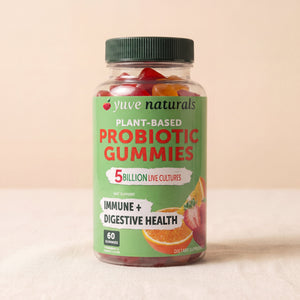
That’s why we created our Yuve plant-based probiotics. They're a simple way to support your child’s digestive wellness, especially when teething throws their appetite and routine for a loop. You can learn more about how they can help with issues like constipation in our guide to probiotics for toddlers and constipation.
Red Flags: When to Call the Doctor
While most teething symptoms are mild and temporary, there are a few red flags that warrant a call to your pediatrician or pediatric dentist.
Call right away if you see:
- A high fever over 101°F.
- Refusal to drink fluids or signs of dehydration (like fewer wet diapers).
- Significant facial swelling or a hard lump on the jaw.
- Persistent vomiting or diarrhea.
- Symptoms that get worse instead of better after a few days.
You know your child best. I truly believe in a parent’s intuition. If something feels off, don’t hesitate to get it checked out.
Your Quick-Action Checklist
Feeling overwhelmed? Let’s boil it down.
- Recognize the signs: Extra drool, intense chewing, crankiness, and sleep issues.
- Soothe safely: Use chilled teethers, cold washcloths, and gentle gum massage.
- Offer soft, cool foods: Think yogurt, smoothies, and applesauce.
- Protect new teeth: Brush twice a day and limit sugary snacks.
- Support their system: A daily probiotic like Yuve’s can help keep their digestion on track.
- Know when to call for help: Trust your gut and reach out to a professional for high fevers or other worrying symptoms.
This phase is tough, but it’s also temporary. You’ve got this! We encourage you to share your own stories and tips in the comments below- we can all learn from each other.
FAQ
How long do 2-year molar symptoms last?
The most intense symptoms usually last for 48-72 hours as the tooth is actively breaking through the gum. However, you might notice some general fussiness for a few days before and after. The discomfort should peak and then steadily improve.
Do the top and bottom molars come in at the same time?
Not usually. The lower molars typically erupt a bit before the upper ones. It’s also common for them to come in one at a time, not as a perfectly matched pair.
Can teething cause a fever or diarrhea?
Teething can cause a slight increase in temperature and looser stools from swallowing excess drool. However, a high fever (over 101°F) or persistent diarrhea is not a normal sign of teething and warrants a call to your pediatrician.
When should my child first see a dentist?
The American Academy of Pediatric Dentistry recommends the first visit around their first birthday or within six months of the first tooth erupting. Don't hesitate to book an appointment sooner if you have any concerns.
What’s the single best at-home fix for molar pain?
A combination of cold and pressure is your best bet. A chilled, textured silicone teether that your toddler can control themselves often provides the most effective relief.
When is it urgent to call a professional?
Call your doctor or dentist the same day if you see a high fever, signs of dehydration (no wet diapers for 6+ hours), significant facial swelling, or any symptoms that seem to be getting worse instead of better.
For more tips on supporting your child’s health with clean, plant-based nutrition, explore our guide to the Best Vitamins For Kids at Yuve. You’re doing a great job navigating this milestone