Gummy vitamins can be as useful as pills when the formula delivers the right nutrient dose, uses stable ingredients, and fits your routine. Pills often allow higher potency and fewer sweeteners. Gummies often win on consistency because they are easier to take. The best format is the one with a transparent label and repeatable daily use.
TL;DR
- Gummies and pills can both support nutrient intake when labels match your needs.
- Pills usually fit higher-dose minerals, larger blends, and sugar-free formulas better.
- Gummies may improve routine consistency for people who dislike swallowing capsules.
- Look for clear serving size, nutrient forms, added sugar, allergens, and testing standards.
- Clean-label gummies can work well for daily digestive, fiber, and probiotic routines.
What are gummy vitamins?
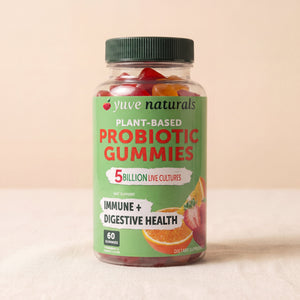
Gummy vitamins are chewable dietary supplements that deliver vitamins, minerals, botanicals, probiotics, prebiotic fiber, or enzymes in a pectin or gelatin-based gummy matrix. A pill is a capsule, tablet, or softgel that delivers active ingredients in a compressed or enclosed format. The FDA regulates dietary supplements as a category of food, not as drugs, and supplement labels must list serving size, dietary ingredients, and other ingredients, according to the FDA dietary supplement overview. Gummies are not automatically weaker than pills. The important comparison is nutrient amount per serving, ingredient form, shelf stability, and label transparency. A vegan gummy usually uses pectin instead of gelatin. A clean-label gummy should make sweeteners, colors, allergens, and active ingredients easy to identify. For daily gut support, products like Yuve Probiotic Gummies show how gummy formats can support a simple routine without animal-derived gelatin.
How do gummy vitamins work in the body?
Gummy vitamins work by releasing nutrients during chewing and digestion, then the small intestine absorbs eligible vitamins, minerals, amino acids, or other dietary ingredients. Pills work through a similar pathway after the capsule shell or tablet breaks down. Format affects convenience and disintegration, but the body still needs a usable nutrient form and an appropriate dose. Fat-soluble vitamins such as vitamins A, D, E, and K absorb differently than water-soluble nutrients such as vitamin C and many B vitamins. The NIH Office of Dietary Supplements explains nutrient-specific absorption, deficiency, and upper-limit details in its vitamin and mineral fact sheets. Probiotics add another variable because live microorganisms must remain viable through manufacturing, storage, and use. A review indexed in PubMed notes that probiotic effects are strain-specific, so the organism and strain matter more than the word probiotic alone (PMID: 22529959).

What are the benefits and uses of gummy vitamins?
Gummy vitamins can support daily supplement consistency, especially for adults who avoid large tablets, dislike capsules, or want an easier habit stack with breakfast. The practical benefit is adherence. A supplement that stays in the cabinet does not contribute to a routine. Gummies also make sense for ingredients that fit lower-dose, daily-use formats, such as vitamin D, certain B vitamins, prebiotic fiber servings, digestive support blends, and selected probiotic strains. Evidence quality varies by ingredient, not by gummy format. For example, the NIH describes vitamin D as a nutrient that contributes to bone and immune function, but appropriate intake depends on age, diet, sun exposure, and medical context in its vitamin D fact sheet. Prebiotic fibers are studied for their role in supporting gut microbiota composition, although effects differ by fiber type and dose. Gummies are best viewed as a routine format, not a shortcut.
How should you choose between gummies and pills?
Choose between gummies and pills by matching the format to the ingredient, dose, label, and routine. Start with the Supplement Facts panel. The serving size should clearly state how many gummies, capsules, tablets, or softgels provide the listed amount. Compare active ingredients in milligrams, micrograms, IU, CFU, or grams, depending on the nutrient. Check percent Daily Value for vitamins and minerals, and watch for nutrients that exceed your needs. Review other ingredients for added sugar, sugar alcohols, artificial colors, gelatin, soy, gluten, and major allergens. For a broader label-reading framework, see Yuve’s guide to third party tested supplements and the explainer on what clean label means for supplements. If swallowing pills is a barrier, a gummy may support consistency. If the formula requires high-dose minerals or many ingredients, a pill may be more practical.
- Clear serving size and dose per serving
- Named nutrient forms, strains, or active ingredients
- Added sugar listed in grams
- Vegan pectin if avoiding gelatin
- Non-GMO, gluten-free, soy-free, or allergen details when relevant
- Storage instructions for probiotics or heat-sensitive ingredients
- Third-party testing or quality documentation when available
What should you watch for on gummy vitamin labels?
Gummy vitamin labels deserve extra attention because taste, texture, and stability can complicate formulation. Added sugar is the first check. Some gummies use cane sugar, tapioca syrup, glucose syrup, or sugar alcohols to create a chewable texture. Those ingredients may fit some routines and not others. The second check is potency. A gummy has limited physical space, so high-dose minerals such as magnesium, calcium, and iron may require multiple pieces or may be better suited to tablets or capsules. The third check is storage. Heat, humidity, and time can affect texture and some active ingredients. The fourth check is safety. The NIH warns that some vitamins and minerals have tolerable upper intake levels, and more is not always better, especially when multiple supplements overlap. Keep gummies away from children because candy-like formats can increase accidental overuse risk. Follow the labeled serving size.
How do gummy vitamins compare with pills?
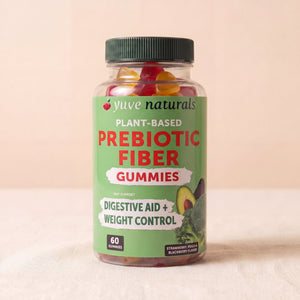
Gummy vitamins and pills are best compared by dose capacity, ingredient stability, excipients, and habit fit. Pills usually allow more active ingredient per serving because tablets and capsules can hold powders, oils, or minerals without needing a chewable texture. Gummies usually offer a more pleasant experience, but they may include sweeteners, acids, flavors, and colors. Neither format is automatically cleaner. A capsule can include unnecessary fillers, and a gummy can be vegan, non-GMO, gluten-free, gelatin-free, and clearly labeled. The strongest choice depends on the specific supplement goal. A fiber gummy, such as Yuve Prebiotic Fiber Gummies, may fit a daily digestive routine. A high-dose mineral supplement may fit better in a pill. Always compare the Supplement Facts panel rather than relying on the format name.
| Feature | Gummy vitamins | Pills, capsules, or tablets |
|---|---|---|
| Ease of use | Chewable and routine-friendly | Less ideal for people who dislike swallowing pills |
| Dose capacity | Better for modest daily doses | Better for high-dose minerals or complex blends |
| Other ingredients | May include sweeteners, acids, flavors, or colors | May include binders, fillers, coatings, or capsule materials |
| Plant-based fit | Look for pectin and gelatin-free labeling | Look for vegan capsules instead of gelatin capsules |
| Best use case | Daily consistency and easier adherence | Higher potency, fewer sweeteners, or specialized formulas |
FAQ
Are gummy vitamins absorbed as well as pills?
Gummy vitamins and pills can both deliver absorbable nutrients when the formula uses appropriate nutrient forms and labeled doses. Absorption depends more on the ingredient, dose, meal timing, and individual needs than on the gummy or pill format alone. Fat-soluble vitamins may absorb better with dietary fat, while water-soluble vitamins follow different absorption pathways.
Are gummy vitamins weaker than tablets?
Gummy vitamins are not always weaker, but they often have less room for high-dose minerals or large multi-ingredient blends. A tablet can hold more powder in a smaller serving. Compare milligrams, micrograms, IU, CFU, or grams on the Supplement Facts panel before deciding which product is stronger.
Is it okay to take gummy vitamins every day?
Daily use can fit a wellness routine when the gummy label matches your needs and you follow the serving size. Check overlap with other supplements, fortified foods, and multivitamins. The NIH Office of Dietary Supplements lists upper limits for many nutrients, so high intakes from multiple sources deserve extra attention.
Do gummy vitamins have too much sugar?
Some gummy vitamins contain added sugar, but amounts vary by brand and serving size. Check the line for added sugars and the ingredient list for cane sugar, glucose syrup, tapioca syrup, or sugar alcohols. A small amount may fit some routines, while sugar-free or pill formats may fit others better.
Are vegan gummies better than gelatin gummies?
Vegan gummies are better for people avoiding animal-derived gelatin, but vegan status does not automatically make a supplement higher quality. Look for pectin, clear active amounts, allergen details, and storage guidance. A clean-label vegan gummy should still provide transparent dosing and avoid vague blends where exact ingredient amounts are unclear.
When are pills a better choice than gummies?
Pills are often a better choice when you need higher-dose minerals, fewer sweeteners, or a formula with many active ingredients. Capsules and tablets can hold more concentrated powders and may be easier to formulate without flavors or acids. Gummies are often better when taste and habit consistency matter most.
What is the bottom line on gummy vitamins versus pills?
Gummy vitamins can be as good as pills when the dose, nutrient form, storage, and label quality match the goal. Pills remain useful for high-potency formulas, sugar-free routines, and complex ingredient blends. If consistency is your biggest obstacle, a clean-label gummy can be a practical daily option. Start with the Supplement Facts panel, choose the format you will actually take, and keep expectations grounded in the specific ingredient rather than the shape of the supplement.