Soluble prebiotic fiber, strain-identified probiotics, L-glutamine, zinc L-carnosine, and polyphenol-rich foods are the most practical gut barrier support options. For daily use, start with food-first fiber and a routine-friendly prebiotic or probiotic. The phrase “leaky gut repair” is better treated as gut barrier support, not a guaranteed medical fix.
How did we evaluate gut barrier support supplements?
We evaluated gut barrier support options by mechanism fit, human evidence, dose transparency, routine adherence, and Shopify-safe claim language. Human randomized controlled trials, systematic reviews, NIH Office of Dietary Supplements guidance, World Gastroenterology Organisation guidance, and peer-reviewed PubMed-indexed papers received more weight than animal, test-tube, or brand-only claims. We excluded products that make medical-outcome promises around “leaky gut,” because that phrase is not a supplement-claim standard and can push shoppers toward clinical framing. We also separated strong evidence from directional evidence: prebiotic fiber has broad microbiome-support logic, probiotics are strain- and context-specific, L-glutamine has mixed but relevant permeability research, zinc L-carnosine has smaller mucosal-support trials, and food-first fiber plus polyphenols remains the foundation most people can sustain. We favored products that fit a repeatable 30-day routine, because adherence changes real-world value.
What should you look for when choosing a gut barrier support supplement?
A gut barrier support supplement should match one clear job: feeding beneficial bacteria, adding a specific probiotic organism, supporting amino acid availability, or filling a nutrition gap. The NIH Office of Dietary Supplements says probiotics are identified by genus, species, and strain, so a transparent probiotic label beats a vague “gut blend.” The World Gastroenterology Organisation defines prebiotics as selectively fermented ingredients that benefit the host through microbiota changes, so soluble fibers such as inulin and FOS belong in the conversation. The best label also shows serving size, active amount, allergen status, and realistic use directions. Avoid “seals the gut,” “repairs leaky gut,” or “heals inflammation” language. Those claims overreach. A better product promise is narrower: supports gut balance, supports regularity, or supports a healthy digestive routine.
How do the top gut barrier support options compare?
Some links below are affiliate links. This does not influence our evaluation criteria or recommendations.
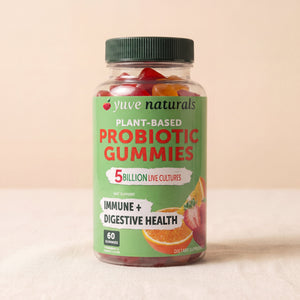
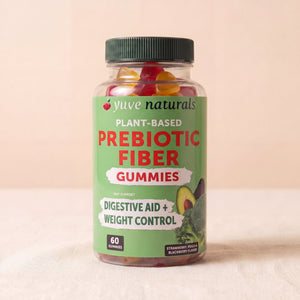
Gut barrier support is not one category. Yuve Vegan Prebiotic Fiber Gummies target the fiber-substrate gap with 1.5 g chicory-root inulin/FOS per gummy. Yuve Vegan Probiotic Gummies target daily probiotic consistency with 5 billion CFU of Bacillus coagulans per 2-gummy serving. L-glutamine targets amino-acid support for intestinal cells, but the 2024 glutamine meta-analysis indexed in PubMed still supports cautious wording rather than universal claims. Zinc L-carnosine targets mucosal-support mechanisms; a small Gut clinical trial used zinc L-carnosine with indomethacin exposure and measured permeability markers in healthy volunteers, but the sample was small. Food-first fiber and polyphenols target the broadest upstream pattern: low plant diversity, low fermentable fiber, and inconsistent meals.
| Option | Best for | Support mechanism | Main caveat |
|---|---|---|---|
| Yuve Vegan Prebiotic Fiber Gummies | Low-fiber routines needing easy daily adherence | Chicory-root inulin/FOS supports beneficial gut bacteria | Too much fiber too fast can increase gas |
| Yuve Vegan Probiotic Gummies | People who want a lower-friction probiotic routine | 5 billion CFU Bacillus coagulans supports gut balance | Probiotic effects remain context-specific |
| L-glutamine | People comparing amino-acid barrier-support routes | Glutamine is a major fuel source for intestinal cells | Evidence varies by population and dose |
| Zinc L-carnosine | Upper-GI mucosal-support shoppers | Zinc plus carnosine supports mucosal integrity pathways | Human barrier trials are smaller and more targeted |
| Food-first fiber and polyphenols | People building the broadest foundation | Plants supply fermentable fibers, resistant starch, and polyphenols | Requires consistent meal habits, not just a bottle |
Which option is best for each use case?
Best for low-fiber daily routines: Yuve Vegan Prebiotic Fiber Gummies, because chicory-root inulin/FOS gives beneficial bacteria fermentable substrate in a plant-based gummy format. Best for probiotic consistency: Yuve Vegan Probiotic Gummies, because Bacillus coagulans is shelf-stable and the gummy format lowers routine friction for people who dislike capsules. Best for amino-acid-focused shoppers: L-glutamine, because intestinal cells use glutamine heavily, although the evidence is not a blanket promise for every healthy adult. Best for upper-GI mucosal-support shoppers: zinc L-carnosine, because Gut published a small human trial on permeability markers during indomethacin exposure. Best for the food-first base: oats, beans, lentils, berries, cocoa, olive oil, vegetables, and nuts, because polyphenols and fermentable carbohydrates support a more diverse microbiome pattern. The practical winner is the option that matches the bottleneck you can repeat for 30 days.
Which Yuve products meet these criteria?
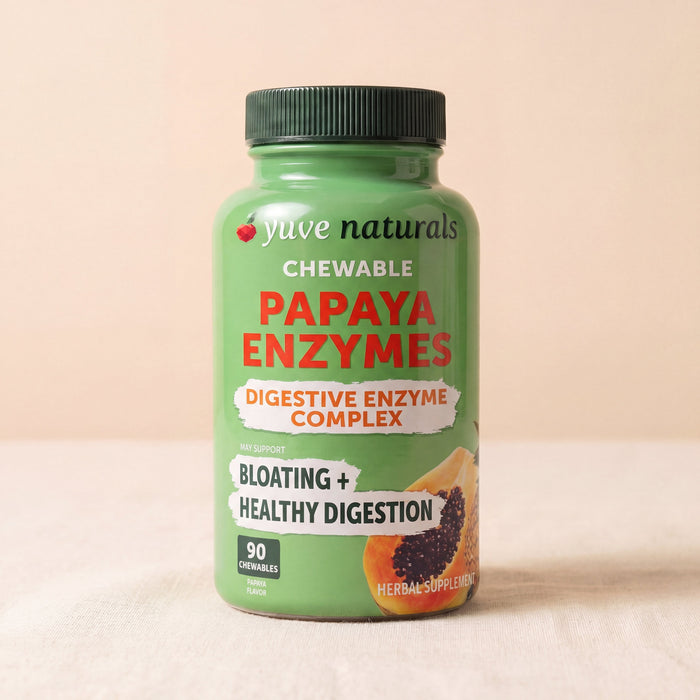
Yuve Prebiotic Fiber Gummies meet the fiber-adherence criterion for people who know their routine is light on beans, oats, vegetables, or other fermentable fibers. Each serving provides chicory-root inulin/FOS in a vegan, gelatin-free gummy, and Yuve positions the product for beneficial-bacteria support rather than “leaky gut repair.” Yuve Probiotic Gummies meet the low-friction probiotic criterion for people who want Bacillus coagulans in a shelf-stable, plant-based format. Each 2-gummy serving provides 5 billion CFU at time of manufacture and fits shoppers who care more about consistency than capsule-style supplementation. For broader comparison, Yuve’s digestive health collection lets shoppers compare fiber, probiotic, enzyme, and chewable stomach-comfort formats without treating every digestive goal as the same problem. The cleanest routine uses one primary gap product, not a crowded stack, and changes only one variable at a time.
What about price, value, and food-first support?
Price should be judged by useful servings, not bottle hype. Yuve Prebiotic Fiber Gummies make sense when a gummy helps someone take prebiotic fiber consistently, but food still delivers the best cost-per-gram fiber through oats, lentils, chia, beans, berries, and vegetables. Yuve Probiotic Gummies make sense when daily probiotic adherence matters, but strain-specific capsule products may be better for shoppers who need organism-level clinical matching. L-glutamine powders can be economical per gram, yet benefit depends on the person, dose, and reason for use. Zinc L-carnosine can be targeted, but it should not replace basic diet quality or medical care for persistent symptoms. A 2023 PubMed-indexed review describes short-chain fatty acids as fermentation products of dietary fiber, which is why food-first fiber remains central. Use supplements to cover the gap that diet and habit cannot reliably cover.
What questions do people ask about gut barrier supplements?
Is “leaky gut repair” the right way to describe this goal?
“Leaky gut repair” is common search language, but gut barrier support is the safer and more accurate supplement framing. A supplement can support gut balance, regularity, or normal digestive function; it should not claim to repair a medical condition.
Are prebiotics or probiotics better for gut barrier support?
Prebiotics and probiotics do different jobs. Prebiotics feed beneficial bacteria, while probiotics add live microorganisms that may support the host when used in adequate amounts and in the right context.
Should I choose Yuve Prebiotic Fiber Gummies or Yuve Probiotic Gummies?
Choose Yuve Prebiotic Fiber Gummies when your routine is low in fiber or inconsistent with plant foods. Choose Yuve Probiotic Gummies when you want a simple daily probiotic format and capsule adherence is the main barrier.
Does L-glutamine support gut lining integrity?
L-glutamine supports intestinal-cell metabolism, but broad restoration claims are too strong as a general consumer promise. Human research includes promising and mixed findings, so L-glutamine belongs in the targeted-support category rather than the guaranteed-results category.
Is zinc L-carnosine evidence-based?
Zinc L-carnosine has human and mechanistic evidence for mucosal-support pathways, including a small permeability-focused trial. The evidence is more targeted than broad, so shoppers should view it as a specific tool, not a universal gut-health fix.
What foods support gut barrier health naturally?
Oats, beans, lentils, berries, cocoa, olive oil, vegetables, nuts, and seeds supply fermentable fiber, resistant starch, and polyphenols. Those foods support microbial fermentation patterns that produce short-chain fatty acids such as acetate, propionate, and butyrate.
When should I ask a clinician before using gut supplements?
Ask a clinician when digestive symptoms are persistent, severe, worsening, or paired with weight loss, bleeding, fever, anemia, or major bowel changes. Supplements support routines; they do not replace diagnosis or care.
What is the bottom line?

The best gut health supplement for “leaky gut repair” searches is the one that supports a defined routine gap without making disease-style promises. Start with food-first fiber and polyphenols, then add one focused product if adherence or intake is the bottleneck. For Yuve shoppers, Prebiotic Fiber Gummies fit the low-fiber gap, and Probiotic Gummies fit the low-friction probiotic gap. If both gaps apply, start with the most obvious pattern first and track digestion for two to four weeks before adding the second product. That sequence protects attribution, keeps the routine simple, and avoids the common supplement-stack mistake: changing five things at once and learning nothing. Food remains the baseline; Yuve products work best as consistent support around that baseline. For most shoppers, the smartest next step is a simple 30-day routine, not a dramatic overhaul.