Feeling like you're constantly fighting off a sniffle, especially when life gets stressful? You are definitely not alone. It’s so frustrating when your body's defenses feel like they're on the brink of giving up, leaving you tired and just plain run down. We totally get it. That’s why we’re diving into the world of herbal allies - powerful plants trusted for centuries to help us stay strong and resilient.
In this guide, we’ll explore the best herbs for immune support, breaking down not just what they are, but exactly how they work to bolster your natural defenses. You'll learn simple ways to add them to your routine through teas, tinctures, and maybe even your dinner. We'll give you a clear, science-backed look at everything from Elderberry's viral-fighting power to Turmeric's anti-inflammatory magic.
We'll also share a personal story from our founder, Sam. He struggled for years with feeling run down until he discovered a powerful secret: combining these amazing botanicals with foundational gut health support creates a truly unbeatable defense system. After all, a huge part of your immune system actually lives in your gut. That's why pairing the right herbs with a high-quality supplement like Yuve’s Vegan Probiotic Gummies is a game-changer. It provides the comprehensive, inside-out support your body needs. Let’s explore these plant powerhouses and get you back to feeling vibrant and energetic!
1. Elderberry (Sambucus nigra) - Viral Support & Immune Activation
If you’ve ever felt that first tickle of a cold, you’ve probably seen elderberry syrups and gummies lining the shelves. And for good reason! For centuries, these deep-purple berries have been a go-to in European folk medicine, especially during the dreaded cold and flu season. They are packed with powerful antioxidants called anthocyanins, which are the secret to their success.
These compounds don't just fight off damage in the body; they also seem to help block viruses from multiplying and kickstart your body’s own immune response. Think of it as calling in the first responders. This dual-action power is why elderberry is celebrated as one of the best herbs for immune support when you feel something coming on.
How Elderberry Works
Modern science is catching up to what folk healers have known for ages. Studies suggest that elderberry can significantly reduce both the duration and severity of flu symptoms. A 2019 review published in Complementary Therapies in Medicine found that taking elderberry right at the onset of illness substantially reduced upper respiratory symptoms. What this means for you is that it could help you feel better, faster. For more great tips, explore our guide on natural ways to boost immunity.
Actionable Tips for Using Elderberry
- Start Early: For proactive support, consider taking elderberry a few weeks before cold and flu season really kicks into gear.
- Look for Quality: When you buy a syrup or extract, look for one that is "standardized." This just means it’s guaranteed to have a certain amount of the good stuff (anthocyanins).
- Create a Power Trio: Elderberry works wonderfully with other immune-support nutrients. Pairing it with zinc and vitamin C is like creating a superhero team for your body's defenses.
- Safety First: Never eat raw, uncooked elderberries, leaves, or stems. They contain compounds that can cause some serious stomach upset. Yikes! Always stick to properly prepared products like syrups, tinctures, or capsules.
2. Echinacea (Echinacea purpurea/angustifolia) - Immune Cell Activation
Walk through any health food store, and you'll see the vibrant purple coneflower known as echinacea. Native to North America, this herb was a staple for Native American tribes and has become a modern symbol of natural immune defense. It’s one of the most popular herbs for fending off seasonal sniffles, and for good reason.
Echinacea’s power is in its unique compounds that work together to stimulate your key immune cells. Think of it less like a weapon and more like a boot camp instructor for your immune system. It gets your internal defenses revved up and ready for action, making it one of the best herbs for immune support when you need to rally your body’s own troops.

How Echinacea Works
While scientific results have been debated over the years, a large body of evidence suggests echinacea can reduce the risk and duration of the common cold. A huge analysis in The Lancet Infectious Diseases concluded that taking echinacea could cut the chances of catching a cold by more than half and shorten it by about a day and a half.
So, how does it work? The compounds in echinacea essentially sound the alarm, telling your body to produce more white blood cells and making them better at attacking germs. This helps your immune system respond faster at the first sign of trouble. For more details on this and other natural allies, check out these natural supplements for your immune system.
Actionable Tips for Using Echinacea
- Act Fast: Echinacea is most effective when you take it at the very first sign of getting sick-that first sneeze, scratchy throat, or wave of fatigue.
- Cycle Your Use: To keep it working effectively, it’s a good idea to use echinacea on and off. A common approach is taking it for two to three weeks, then taking a one-week break.
- Choose the Right Kind: Look for products made from Echinacea purpurea root or aerial parts, as this is the most-studied type.
- Create a Power Combo: For an extra boost, pair echinacea with elderberry. This gives you both immune activation and direct antiviral action-a powerful one-two punch against whatever is trying to bring you down.
3. Astragalus (Astragalus membranaceus) - Deep Immune Tonification
While herbs like elderberry are great for when you feel sick, Astragalus is your steady, long-term guardian. For over 2,000 years, this humble root has been a cornerstone of Traditional Chinese Medicine (TCM), prized for its ability to build deep, resilient immunity over time. It’s what’s known as an adaptogen, which means it helps your body handle physical and emotional stress-a major drain on our immune systems.
Unlike herbs you take at the first sign of a sniffle, astragalus is meant for daily, preventative use. It contains powerful compounds that are thought to enhance the production and activity of your immune cells. This makes it one of the best herbs for immune support when you want to build a strong foundation for year-round wellness, not just a quick fix.
How Astragalus Works
Astragalus is all about bringing your immune system into balance. Research suggests it supports both sides of your immunity, essentially training your immune cells to be more effective when a real threat shows up. A study in the Journal of Ethnopharmacology highlighted its ability to enhance immune cell function, which is exactly why it’s been used for centuries to prevent colds.
Its adaptogenic quality also helps protect your body from the immune-suppressing effects of stress. What this means for you is that astragalus helps keep your defenses strong even when you’re feeling totally run down. It’s an ideal herb for proactive, seasonal protection.
Actionable Tips for Using Astragalus
- Build Your Foundation: Start taking astragalus in the early fall to prep your immune system for the winter. Consistent daily use is key.
- Make a Tea: To get the most benefit from the dried root, simmer the slices in water for at least 15-20 minutes. This pulls out all the good stuff. Strain it and drink it as a tea.
- Add It to Soups: A classic way to use astragalus is to add dried root slices to your soups and stews while they cook. It adds a subtle, earthy flavor and a major health boost.
- Combine with Other Tonics: Astragalus plays well with others! It works beautifully with other tonic herbs like reishi mushroom for comprehensive adaptogenic and immune support.
4. Medicinal Mushrooms (Reishi, Shiitake, Maitake) - Polysaccharide Immune Support
Stepping beyond the kitchen, medicinal mushrooms like Reishi, Shiitake, and Maitake have been revered in Eastern medicine for thousands of years. These fungi aren't just for stir-fries; they are biological powerhouses. Their secret lies in unique compounds, especially beta-glucans, which act as powerful immune modulators.
Instead of just hitting the gas on your immune system, these mushrooms work like adaptogens, helping to normalize and balance how it functions. This means they can help ramp up your defenses when needed and calm down an overactive response. This intelligent action makes them one of the best herbs for immune support when you’re looking for long-term balance, not just a short-term jolt.
How Medicinal Mushrooms Work
The magic is in their polysaccharides, particularly beta-glucans. These compounds activate key immune cells like macrophages and natural killer cells-your immune system’s frontline soldiers. They essentially "train" your immune system to be smarter and more efficient.
Research in the Journal of Fungi explains how these beta-glucans latch onto your immune cells and trigger a cascade of beneficial responses without sending your system into overdrive. So what does this mean for you? They provide steady, intelligent support that helps your body stay resilient, especially during times of stress.
Actionable Tips for Using Medicinal Mushrooms
- Look for "Fruiting Body" Extracts: Make sure your supplements are made from the "fruiting body" of the mushroom (the part you see), not the "mycelium" (the root system). Fruiting bodies have a higher concentration of the beneficial beta-glucans.
- Check the Label: Choose products that are standardized to contain a specific amount of beta-glucans (ideally 30% or more) to guarantee you're getting a potent dose.
- Use a Blend: Different mushrooms offer unique benefits. Using a blend of Reishi, Shiitake, and Maitake can provide a broader spectrum of immune-modulating compounds for a powerful synergistic effect.
- Be Consistent: The benefits of medicinal mushrooms build up over time. For sustained immune resilience, take them consistently for at least a couple of months.
5. Ginger (Zingiber officinale) - Anti-inflammatory & Circulation Support
A staple in kitchens everywhere, ginger is so much more than a spice. For thousands of years, this potent root has been revered in Ayurvedic and Chinese medicine for its warming and anti-inflammatory properties. Its main active compounds, called gingerols, are the powerhouses behind its health benefits.
While it doesn't directly boost immune cell numbers like some other herbs, ginger’s role is incredibly supportive. By calming inflammation and promoting healthy circulation, it helps create an internal environment where your immune system can work at its best. This makes it one of the most versatile and accessible herbs for year-round immune resilience.
How Ginger Works
Ginger's magic lies in its ability to inhibit pro-inflammatory compounds in the body. This is what helps soothe a sore throat and reduce the body aches that often come with being sick. Its warming quality also gets your blood flowing, helping move immune cells where they need to go and clearing up congestion.
This is why a warm cup of ginger tea feels so comforting when you're under the weather. It gently supports your body’s natural processes without being too intense. Plus, its well-known anti-nausea effects are a huge bonus, especially when a bug messes with your stomach.
Actionable Tips for Using Ginger
- Fresh is Best: For the most potent benefits, use fresh ginger root. Simply slice a few pieces into hot water with lemon and a touch of honey for a classic immune-supporting tea.
- Get Your Daily Dose: The easiest way to benefit from ginger is to incorporate it into your cooking regularly-in smoothies, stir-fries, soups, and dressings. This provides a consistent, gentle dose to support your system daily.
- Create a Power Trio: Combine ginger with turmeric and a pinch of black pepper. The compound in black pepper (piperine) helps your body absorb the good stuff from both ginger and turmeric, creating a powerful anti-inflammatory team.
- Try Golden Milk: A warm mug of "golden milk"-turmeric, ginger, black pepper, and plant-based milk-is a delicious and soothing way to support your body.
6. Vitamin C-Rich Herbs (Rosehips, Amla, Sea Buckthorn) - Antioxidant Foundation
When we think of vitamin C, oranges often come to mind, but some of the most powerful sources are actually herbs. Powerhouses like rosehips, amla (also known as Indian gooseberry), and sea buckthorn are nature’s concentrated vitamin C providers, which is an absolutely essential nutrient for a strong immune system.
But they offer more than just vitamin C. They deliver it alongside a full spectrum of other plant compounds, like bioflavonoids, that work together to help your body absorb and use the vitamin C more effectively. This "whole-food" advantage is why these herbal sources are often considered superior to isolated vitamin C supplements. They provide the foundational building blocks your body needs to maintain its defenses day in and day out.
How Vitamin C-Rich Herbs Work
Vitamin C is crucial for the production and function of your white blood cells-the frontline soldiers of your immune system. It also acts as a powerful antioxidant, protecting these cells from damage while they're busy fighting off germs. These herbal sources deliver vitamin C in a natural package that the body recognizes and can use more efficiently.
Amla, for example, is a cornerstone of Ayurvedic medicine celebrated for its high vitamin C content. Rosehips, the fruit of the rose plant, offer a gentler source that’s great for daily use. While we love whole-food sources, it's also helpful to understand the science of Vitamin C for Cold Prevention to see its broader role.
Actionable Tips for Using Vitamin C-Rich Herbs
- Brew a Gentle Tea: Use one to two teaspoons of dried rosehips per cup of hot water. Let it steep for 10-15 minutes in a covered mug to keep all the good stuff in.
- Add Powder to Smoothies: Amla powder has a unique sour taste. It mixes best into smoothies or yogurt, where other flavors can balance it out, making it an easy daily addition.
- Consistency Is Key: Your body uses more vitamin C when you're stressed or sick. Incorporate these herbs into your daily routine for foundational support, not just when you feel unwell.
- Store Them Properly: To protect the delicate vitamin C, keep your dried herbs in airtight containers in a cool, dark, and dry place.
7. Garlic (Allium sativum) - Allicin & Sulfur Compounds for Immune Activation
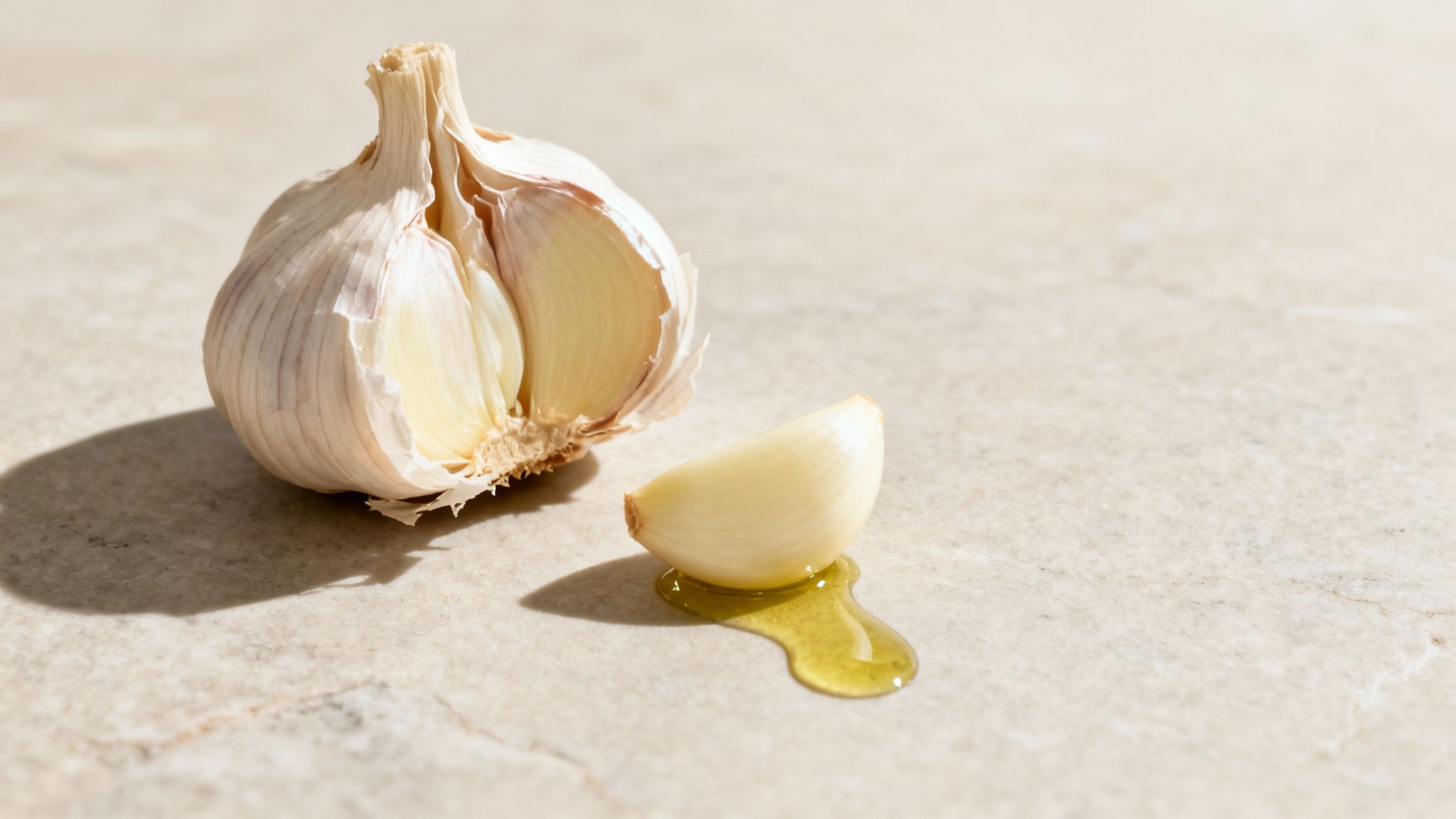
Found in almost every kitchen, garlic is more than just a flavor booster-it’s a medicinal powerhouse. This pungent bulb owes its potent immune-boosting properties to sulfur-containing compounds, most notably one called allicin. Allicin is the superstar that gives garlic its famous aroma and powerful antimicrobial effects.
This key compound is only formed when raw garlic is crushed or chopped. Allicin and other related compounds work to enhance the function of your immune cells, effectively supercharging your body’s first line of defense. This makes garlic one of the best and most accessible herbs for immune support.
How Garlic Works
Scientific studies have confirmed what grandmas have known for ages. A major review in The Journal of Nutrition found that aged garlic extract could enhance immune cell function and may reduce the severity of cold and flu symptoms. The active compounds in garlic have been shown to help your body fight off a wide variety of germs.
So how does it work? Garlic seems to do two things: it directly combats germs while also stimulating your own immune system to be more vigilant. What this means for you is that it's a fantastic tool for both staying well and for extra support when you start to feel sick.
Actionable Tips for Using Garlic
- Chop and Wait: To get the most benefit, crush or mince fresh garlic and let it sit for about 10 minutes before you cook or eat it. This waiting period allows the allicin to fully form.
- Go Raw (If You Can): While cooked garlic is still good for you, raw garlic provides the most potent dose of allicin. Try adding minced raw garlic to salad dressings or sauces.
- Consider Aged Garlic Extract: If raw garlic upsets your stomach (we've all been there!), aged garlic extract is an excellent alternative. It's odorless, gentle on the stomach, and provides consistent immune benefits.
- Pair with Healthy Fats: Eating garlic with a healthy fat like olive oil can help your body absorb its beneficial compounds even better.
8. Licorice Root (Glycyrrhiza glabra) - Immune Barrier & Stress Adaptogen
Known for its uniquely sweet flavor, licorice root has been a staple in Traditional Chinese Medicine (TCM) and Ayurvedic practices for thousands of years. But it’s far more than a candy flavoring. This powerful herb contains hundreds of active compounds that make it one of the best herbs for immune support, especially when stress is involved.
Licorice works by supporting your body on multiple fronts. It helps strengthen the lining of your gut-where over 70% of your immune system lives-and supports your adrenal glands, which helps your body manage stress. By balancing your stress response, licorice root helps prevent the immune dip that often happens during high-stress times.
How Licorice Root Works
The power of licorice lies in its adaptogenic and immunomodulatory properties. Its main compound, glycyrrhizin, has been studied for its antiviral and anti-inflammatory effects. Research suggests it can enhance the production of key immune cells and interfere with viral processes.
Even better, licorice root is known as a demulcent, which is a fancy way of saying it soothes and protects irritated tissues, like those in your throat and digestive tract. A healthy gut barrier is crucial for keeping germs out of your bloodstream. By supporting this first line of defense, licorice helps make sure your immune system isn’t constantly overworked.
Actionable Tips for Using Licorice Root
- Best in Blends: Licorice is often most effective when used as part of a synergistic herbal blend rather than on its own. It pairs well with other adaptogens like ashwagandha for comprehensive stress support.
- Try DGL for Gut Health: If you have high blood pressure, look for deglycyrrhizinated licorice (DGL). This form provides the gut-soothing benefits without affecting blood pressure.
- Listen to Your Body: If you use whole licorice root regularly and have a history of high blood pressure, it’s a good idea to monitor it.
- Use it During Stressful Times: Consider using licorice root during particularly demanding periods to help fortify your adrenal and immune systems when they need it most.
9. Oregano (Origanum vulgare) - Carvacrol & Thymol Antimicrobial Activity
More than just a pizza topping, oregano is a potent Mediterranean herb with a long history of medicinal use. This fragrant plant is a powerhouse of antimicrobial compounds, mainly two called carvacrol and thymol.
These active compounds are what give oregano its famous "kick" and are responsible for its ability to fight off unwanted germs. Unlike herbs that gently nudge your immune system, oregano acts as a direct antimicrobial agent, helping to fight off invaders before they can take hold. This makes it one of the best herbs for immune support when you need an active line of defense.
How Oregano Works
The magic of oregano is in its ability to disrupt harmful microorganisms. Research has shown that carvacrol and thymol can damage the cell membranes of bacteria, viruses, and fungi. This action effectively neutralizes them, stopping them from multiplying and making you sick.
This direct antimicrobial effect is why oregano oil is often recommended when you feel an immune challenge coming on. While sprinkling oregano on your food offers daily antioxidant support, a concentrated oil provides a therapeutic dose when you really need it.
Actionable Tips for Using Oregano
- Daily Dose in Your Diet: Regularly add fresh or dried oregano to your meals-think soups, salads, and marinades-for a consistent, low-dose antioxidant boost.
- For Acute Support: When you need a bigger boost, opt for standardized oregano oil capsules. Look for products that list the percentage of carvacrol (often 70-85%) to ensure potency.
- Take With Food: Concentrated oregano oil is strong and can cause a warming sensation in your stomach. Always take it with a meal.
- Safety First: Never swallow pure, undiluted oregano essential oil. It is extremely potent and can burn you. Only use properly prepared products like softgels or tinctures designed for internal use.
10. Turmeric (Curcuma longa) - Curcumin Anti-inflammatory & Immune Modulation
That vibrant, golden spice that gives curry its signature color is a true hero herb. Turmeric, specifically its active compound curcumin, is a cornerstone of Ayurvedic medicine, celebrated for its profound ability to manage inflammation. Instead of just stimulating the immune system, it works to normalize the body's inflammatory response, which is a key factor in overall immune health.
This makes turmeric one of the best herbs for immune support because it addresses a root cause of weakened defenses: chronic inflammation. By helping your body maintain a balanced inflammatory state, curcumin allows your immune cells to work at their best.
How Turmeric Works
The magic of turmeric is in curcumin's ability to dial down inflammation. Research shows that it can inhibit key inflammatory molecules in the body. By quieting things down, curcumin helps create a healthier environment for your immune system to operate in.
However, curcumin is notoriously hard for the body to absorb on its own. I do NOT think it’s worth taking without this next tip. Its absorption is dramatically increased by piperine, the active compound in black pepper. This is why traditional recipes like "golden milk" almost always include both spices.
Actionable Tips for Using Turmeric
- Always Pair with Pepper: To make sure you're actually absorbing the curcumin, always take turmeric with a pinch of black pepper. The piperine in pepper can boost curcumin absorption by up to 2,000%.
- Add a Healthy Fat: Curcumin is fat-soluble, so taking it with a source of healthy fat like coconut oil or avocado helps your body absorb it even better.
- Sip on Golden Milk: A daily ritual of warm "golden milk" (turmeric, black pepper, ginger, and plant-based milk) is a fantastic way to manage inflammation. You can explore a delicious and immune-boosting golden turmeric latte with mushrooms recipe for inspiration.
- Be Consistent: For the best results, consistency is key. It may take 2-4 weeks of daily use to notice a real difference.
Your Simple Action Plan for a Stronger Immune System
Whew! We've just covered some of nature's most powerful herbs for immune support. It's a lot to take in, but what an empowering toolkit, right? The most important thing to remember is that you don’t need to do everything at once. True immune health isn’t about finding a single magic bullet; it's about building a consistent strategy that supports your body from the inside out.
Think of it like tending a garden. You can’t just toss seeds on the ground and hope for the best. You need to prepare the soil first. In your body, that healthy soil is your gut. When your gut is balanced with friendly bacteria, it creates the perfect environment for these herbs to be absorbed and used effectively. An unhappy gut just can't process even the best botanicals, which is why gut health is the non-negotiable foundation of a strong immune system.
Your First Steps to Herbal Wellness
Feeling a little overwhelmed? Don't be. Here’s how you can turn this knowledge into simple, actionable steps.
- Start with One Herb: Pick the herb that resonated most with you. Are seasonal sniffles your main concern? Maybe start with an elderberry syrup. Looking for daily, foundational support? Astragalus root tea or Reishi mushroom powder in your morning coffee could be a perfect fit. Focus on using one new ally consistently for a few weeks.
- Listen to Your Body: This is so important. Pay attention to how you feel. Do you have more energy? Are you getting sick less often? Herbal medicine is personal. Keep a simple journal-even a note on your phone-to track your experience.
- Make Gut Health Your #1 Priority: Remember our garden? Before you plant your herbal seeds, you have to enrich the soil. A huge portion of your immune cells live in your gut, so supporting it is the single most powerful thing you can do for your overall health.
Our Founder's Story: Our founder, Sam, used to get sick all the time. He tried every herb and supplement, but nothing seemed to make a lasting difference. It wasn't until he focused on healing his gut first that everything changed. By pairing a high-quality probiotic with targeted herbs, he finally built the resilient immune system he’d been searching for. It was a total game-changer!
Creating a Sustainable Immune-Boosting Routine
A powerful routine doesn't have to be complicated. Here's a sample daily plan:
- Morning: Start your day with a happy gut. Yuve's Vegan Probiotic Gummies are a super easy and delicious way to get those beneficial bacteria in, setting the stage for a great day. Follow it with a warm mug of ginger and lemon tea to gently wake up your system.
- Afternoon: Feeling that afternoon slump? Try a cup of Holy Basil (Tulsi) tea. It’s a wonderful adaptogen that helps your body handle stress, which is a known immune-drainer.
- Evening: Wind down with a calming Reishi mushroom elixir or a simple turmeric latte. This supports your body's repair processes while you sleep-which is when your immune system does its most important work.
By adding these small, intentional practices, you’re not just reacting to getting sick-you’re proactively building a fortress of well-being. You're creating a body that is resilient, balanced, and ready for anything. We are here with you on this journey!
Ready to build that unshakable foundation for your immune health? Start with the soil. Yuve makes it simple with our delicious, plant-based supplements that nourish your gut and support your entire system.
Explore Yuve's Probiotic and Wellness Blends to Supercharge Your Immune Journey!