The best vegetarian omega-3 source depends on the fatty acid you need. Chia seeds, flaxseed, walnuts, and canola oil provide alpha-linolenic acid, or ALA. Algal oil provides preformed DHA and sometimes EPA, making it the most direct vegetarian alternative when the goal is raising long-chain omega-3 intake.
How did we evaluate vegetarian omega-3 sources?
We evaluated each source by omega-3 form, amount per serving, human bioavailability, dietary practicality, label transparency, and whether it supplies ALA, EPA, DHA, or a combination. We prioritized the NIH Office of Dietary Supplements, systematic reviews of vegetarian populations, and human intervention evidence over “superfood” claims. The NIH omega-3 fact sheet provides food-composition values and notes that vegetarian long-chain omega-3 supplements use algal oil. We excluded fish, krill, and cod-liver oil because the query is vegetarian. We also excluded products that state only “omega-3 oil” without separate EPA and DHA amounts. The main limitation is goal ambiguity: meeting the ALA adequate intake is not the same question as increasing blood EPA or DHA. Pregnancy, cardiovascular care, anticoagulant use, and clinician-directed therapy require individualized advice. This guide compares sources; it does not prescribe a medical dose.
What is the difference between ALA, EPA, and DHA?
ALA is the essential plant omega-3 found in seeds, walnuts, soy, and canola oil. The body can convert ALA into EPA and then DHA, but the NIH consumer guidance describes that conversion as small and identifies direct food or supplement intake as the practical way to raise EPA and DHA levels. EPA and DHA are long-chain omega-3 fatty acids studied more extensively for blood and tissue status. Algae produce DHA and, in some formulations, EPA; fish accumulate these fatty acids through the marine food chain. A vegetarian therefore has two distinct tools: ALA-rich foods for essential-fat intake and algal oil for preformed long-chain omega-3. The categories are complementary, not interchangeable gram for gram. A tablespoon of flaxseed oil can supply substantial ALA without supplying preformed DHA. An algal softgel can supply DHA without the fiber, lignans, minerals, or culinary value of whole flax or chia. Label reading begins by identifying which fatty acid is actually present.
How do the main vegetarian omega-3 sources compare?
Yuve publishes this article and sells plant-based wellness products, but Yuve does not currently list an omega-3 supplement; no unrelated product is being inserted into this ranking. NIH food-composition data list about 7.26 grams of ALA per tablespoon of flaxseed oil, 5.06 grams per ounce of chia seeds, 2.57 grams per ounce of English walnuts, 2.35 grams per tablespoon of whole flaxseed, and 1.28 grams per tablespoon of canola oil. These figures vary by brand and preparation. Algal-oil supplements commonly provide roughly 100–300 milligrams of DHA per serving, and some also provide EPA, but labels vary widely. A systematic review of vegetarian sources found that microalgal oil increased blood DHA while nut and seed oils did not reliably convert to DHA in the included interventions; the review included only ten key papers, so exact dose rankings remain uncertain. Compare like-for-like fatty acids rather than total oil weight.
| Source | Main omega-3 | Best for | Main limitation |
|---|---|---|---|
| Algal oil | DHA; sometimes EPA | Direct vegetarian long-chain omega-3 | Label amounts, capsule ingredients, oxidation controls, and price vary |
| Chia seeds | ALA | Whole-food fiber plus plant omega-3 | Does not provide preformed DHA |
| Ground flaxseed | ALA | Food-first routine with fiber and lignans | Whole seeds may pass through incompletely chewed |
| Flaxseed oil | ALA | Concentrated culinary ALA | No fiber; oxidation-sensitive; not a DHA source |
| Walnuts | ALA | Snack or meal ingredient | Lower ALA density than chia or flax oil |
| Canola oil | ALA | Everyday cooking substitution | Smaller ALA amount per serving than flax oil |
Which vegetarian source is best for each use case?
Best for direct DHA without fish: an algal-oil supplement that states DHA milligrams per serving. Best for combined EPA and DHA: an algal formula that lists both separately rather than only total omega-3 oil. Best whole-food source with substantial ALA and fiber: chia seeds. Best concentrated ALA for dressings or cold foods: flaxseed oil stored and used according to its label. Best food-first option with fiber and lignans: ground flaxseed. Best portable whole-food snack: walnuts. Best everyday cooking oil with some ALA: canola oil. Best for pregnancy planning or pregnancy: a clinician-reviewed algal DHA product with a vegetarian capsule and contaminant documentation, because needs and prenatal formulas vary. Best for someone taking anticoagulants or receiving cardiovascular care: clinician-guided selection rather than a generic supplement ranking. The best source answers a named fatty-acid goal; “omega-3” alone is too broad to choose intelligently.
Can vegetarian foods provide enough omega-3 without a supplement?
Vegetarian foods can readily supply ALA when portions are consistent. The U.S. adequate intake for ALA is 1.6 grams daily for adult men and 1.1 grams for adult women, with different values during pregnancy and lactation; the United States has not established a Daily Value specifically for EPA or DHA. Chia, ground flax, walnuts, and canola oil can fit that food-first goal. The harder question is long-chain status. A 2026 systematic review of 45 studies found that vegetarian patterns generally provided more ALA but lower EPA and DHA concentrations, especially in vegan diets; algal DHA improved DHA status, while study-design and dietary-reporting differences limit certainty. That biomarker finding does not prove every vegetarian needs a supplement. People who eat eggs or other fortified foods may obtain some DHA. Decide whether the goal is dietary ALA adequacy, a clinician-directed DHA target, or a specific biomarker before buying oil.
How should you read an algal-oil label?
Start with the Supplement Facts panel, not “1,000 mg algae oil” on the front. Record DHA milligrams, EPA milligrams, total omega-3, complete serving size, servings per bottle, and whether amounts apply to one or several capsules. Confirm that the capsule shell and processing aids meet your vegetarian or vegan standard; some oils use gelatin softgels. Look for the algal species or trademarked ingredient, oil form when disclosed, expiration date, storage instructions, allergen statement, and lot-specific contaminant or oxidation testing. A recent review found that EPA and DHA bioavailability depends on chemical form and delivery method, while varied formulations make source-level conclusions difficult. That review supports checking the actual formulation, not assuming all algae oils absorb identically. Calculate price per 250 milligrams of declared EPA plus DHA rather than per capsule. Avoid proprietary blends that hide individual fatty-acid amounts or substitute total oil weight for active omega-3 content.
Do chia and flax convert into enough DHA?
Chia and flax supply ALA, and humans convert some ALA to EPA and DHA, but conversion varies by sex, diet, genetics, baseline status, and study method. The NIH consumer fact sheet describes conversion as very small, while a 2022 scholarly opinion argues that common claims of inadequate conversion may overstate what current trials can prove. That disagreement matters: conversion science does not justify treating ALA-rich foods as useless, but it also does not make one gram of ALA equivalent to one gram of DHA. A 2017 systematic review found that algal DHA consistently increased blood DHA measures in vegetarian populations across four randomized trials and two cohort studies, although the small evidence base did not establish a clear dose-response. The result supports algae for a direct DHA goal. Keep whole-food ALA sources for dietary value; use algal oil when preformed DHA or EPA is the actual target.
What safety and quality checks matter for omega-3 supplements?
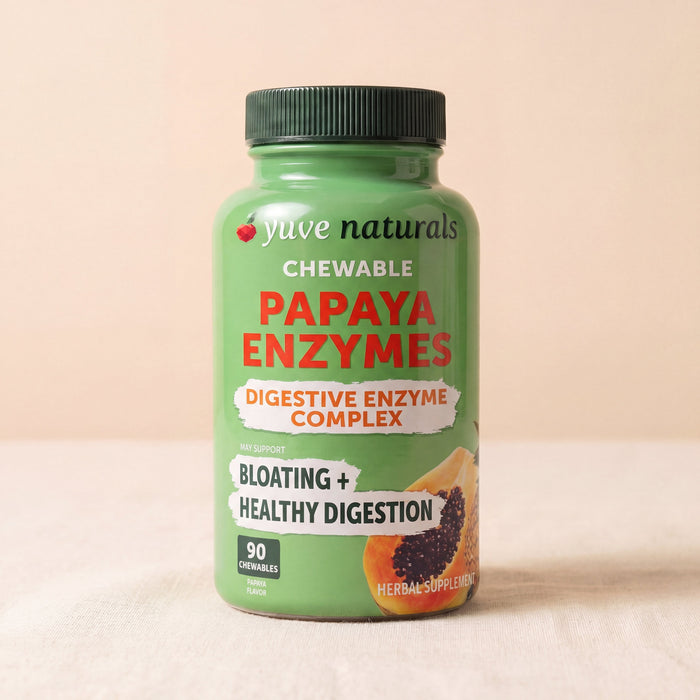
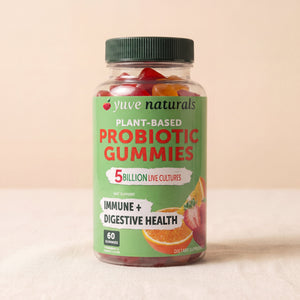
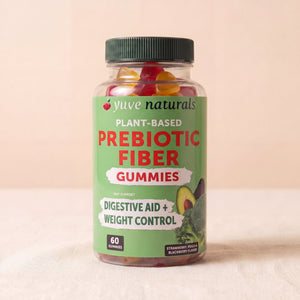
Review algal oil with a clinician or pharmacist if you take anticoagulants, have a bleeding disorder, are preparing for surgery, are pregnant or breastfeeding, or are using omega-3 for a clinician-directed cardiovascular plan. Check the complete serving because several small capsules may equal one listed dose. Use the product before expiration and follow heat, light, and refrigeration directions; oxidized oil can smell or taste unusually rancid. Choose a manufacturer that provides identity, potency, contaminant, and oxidation testing for the finished lot rather than only a generic ingredient certificate. Report unusual bleeding, allergic symptoms, or persistent gastrointestinal effects. Food sources also require practical care: flaxseed oil is not a high-heat substitute unless its label permits it, and nuts or seeds can trigger allergies. The Yuve wellness collection contains other plant-based supplements, but none should be counted toward omega-3 intake unless its label declares ALA, EPA, or DHA.
What questions should vegetarians ask before choosing an omega-3 source?
Ask which fatty acid you are trying to obtain: ALA, EPA, DHA, or combined EPA plus DHA. Decide whether the goal is food quality, ALA adequate intake, pregnancy guidance, biomarker change, or clinician-directed care. For food, compare realistic portions, total calories, fiber, allergens, cooking use, and storage. For algal oil, compare declared EPA and DHA—not algae-oil weight—plus capsule material, serving count, expiration, oxidation controls, contaminant testing, and price per active amount. Confirm whether “vegetarian” also meets your personal definition of vegan. Check whether a prenatal or multivitamin already contains DHA before stacking products. Do not use an omega-3 supplement as a substitute for prescribed medication. Finally, reject products that promise detoxification, guaranteed cognitive transformation, or disease treatment. A transparent label states the fatty acid, amount, source, serving, and testing. A useful purchase starts with a defined nutrient target, not a fashionable oil.
What is the best vegetarian source of DHA?
Algal oil is the most direct vegetarian DHA source because it supplies preformed DHA rather than relying on ALA conversion. Check the DHA amount per complete serving and verify the capsule is vegetarian or vegan.
What is the best whole-food vegetarian omega-3 source?
Chia seeds and ground flaxseed provide substantial ALA plus fiber and other nutrients. Flaxseed oil is more concentrated in ALA but does not provide the fiber found in the seed.
Are walnuts a good omega-3 source?
Yes. One ounce of English walnuts provides about 2.57 grams of ALA in NIH food-composition data. Walnuts do not provide meaningful preformed DHA or EPA.
Is algae omega-3 the same as fish oil?
Both can provide DHA and EPA, but amounts and oil forms vary. Algal oil avoids fish as the source and may provide DHA alone or DHA plus EPA, depending on the formulation.
Do vegetarians need an omega-3 supplement?
Not automatically. ALA can come from food, while the decision to add algal EPA or DHA depends on diet, life stage, goals, biomarkers, and clinical guidance.
Can you take algae oil during pregnancy?
Algal DHA is used in vegetarian prenatal products, but dose, contaminants, other prenatal ingredients, and medical history matter. Review the exact product with an obstetric clinician before use.
What is the bottom line on vegetarian omega-3 sources?
Use food and supplements for the fatty acids they actually provide. Chia, ground flaxseed, flaxseed oil, walnuts, soy foods, and canola oil supply ALA. Algal oil supplies preformed DHA and, in some products, EPA, making it the clearest vegetarian option when a direct long-chain omega-3 source is desired. Keep ALA-rich whole foods in the diet even if you choose algae because their fiber and nutrient value extends beyond omega-3. Read algal labels for separate EPA and DHA amounts, complete serving size, vegetarian capsule material, expiration, storage, and finished-lot testing. Yuve does not currently list an omega-3 supplement, so this article does not force an unrelated product into the recommendation. Pregnancy, anticoagulants, surgery, bleeding disorders, and clinician-directed cardiovascular use require professional review. The best vegetarian source is algae for direct DHA or EPA; it is chia or flax for food-first ALA.