Bloating before period bleeding often comes from normal hormone shifts that influence fluid balance, digestion speed, appetite, and bowel patterns. Period bloating can also feel stronger when sodium intake, constipation, low fiber, alcohol, poor sleep, or stress stack up in the late luteal phase. Supportive habits can promote digestive comfort.
TL;DR
- Period bloating often reflects fluid retention, slower digestion, and bowel pattern changes.
- Sodium, constipation, alcohol, low fiber, and stress can make bloating feel worse.
- Fiber, hydration, movement, and steady meals may support digestive comfort.
- New, severe, one-sided, or persistent bloating deserves medical guidance.
- Supplements should support routines, not promise period symptom treatment.
What is bloating before a period?
Bloating before a period is a sensation of abdominal fullness, tightness, pressure, or visible distension that appears in the days before menstrual bleeding. The late luteal phase, which follows ovulation and comes before menstruation, involves changing estrogen and progesterone levels. Those hormone shifts can influence fluid balance and gastrointestinal motility. The Office on Women’s Health lists bloating among common premenstrual symptoms, but the pattern varies by person and cycle: https://www.womenshealth.gov/menstrual-cycle/premenstrual-syndrome. Period bloating is not always a digestive problem by itself. It can reflect water retention, gas, stool backup, or a combination. A useful first step is timing. Bloating that reliably appears before bleeding and eases after the period starts often follows a cycle pattern. Bloating that persists all month, escalates quickly, or comes with concerning symptoms should be discussed with a clinician.
How we evaluated period bloating information?
This guide prioritizes government health resources, PubMed-indexed human research, and conservative supplement language. We weighed menstrual-cycle physiology, premenstrual symptom references, fiber guidance, and general digestive comfort evidence more heavily than influencer claims or anecdotal routines. We excluded claims that any food, probiotic, prebiotic, or supplement treats premenstrual symptoms. Evidence on bloating is mixed because “bloating” can mean fluid retention, gas, constipation, abdominal sensitivity, or visible distension, so the most practical advice focuses on pattern tracking and low-risk daily habits.

How does period bloating work?
Period bloating usually works through overlapping fluid and digestion pathways. Estrogen and progesterone fluctuate across the menstrual cycle, and progesterone can influence smooth muscle activity in the digestive tract. Some people notice slower bowel movements, more constipation, or more gas before bleeding. A PubMed-indexed review describes gastrointestinal symptom variation across the menstrual cycle, including changes in bloating and bowel habits: https://pubmed.ncbi.nlm.nih.gov/12184199/. Fluid shifts can also change how tight clothing feels, even without major digestive changes. Sodium intake can add to water retention, while low fiber can make stool harder to pass. Stress can heighten gut sensitivity through the gut-brain axis. The practical takeaway is simple: period bloating is rarely one lever. Hydration, fiber, movement, sleep, and steady meals work together to support normal digestion and comfort during the late luteal phase.
What habits may support comfort with period bloating?
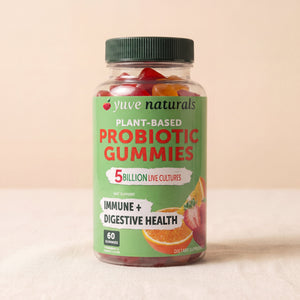
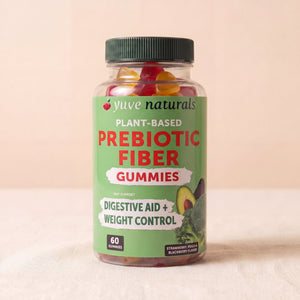
Several everyday habits may support digestive comfort around period bloating, especially when repeated before symptoms usually start. Increase fiber gradually through oats, beans, lentils, chia, berries, vegetables, and whole grains. The Dietary Guidelines for Americans recommend fiber-rich eating patterns, and many adults fall short of daily fiber targets: https://www.dietaryguidelines.gov/. Drink water consistently rather than chugging large amounts at night. Walk after meals to support normal motility. Choose potassium-containing foods such as bananas, potatoes, spinach, and yogurt alternatives if they fit your diet. Keep sodium steady instead of swinging between very salty meals and restriction. Limit carbonated drinks if gas is the main issue. If you use digestive supplements, choose routine support language. Yuve’s Vegan Prebiotic Fiber Gummies can help maintain a fiber habit, and Vegan Probiotic Gummies can support gut flora balance.
How should you choose digestive support during period bloating?
Choose digestive support by matching the likely bloating driver to the habit that addresses it. If stool frequency drops before bleeding, prioritize gradual fiber, water, and walking. If gas feels dominant, review carbonated drinks, large portions of fermentable foods, and rushed eating. If tightness feels like water retention, look at sodium, alcohol, sleep, and consistent hydration. For supplement labels, check serving size, fiber grams, probiotic strain information when provided, added sugar, allergens, gelatin, and third-party quality signals. The FDA explains that dietary supplements are regulated differently from drugs, so labels should not be read like treatment promises: https://www.fda.gov/food/dietary-supplements. A clean-label gummy can be useful if it improves consistency, but the product should fit the routine. Avoid stacking multiple new products in one cycle because that makes cause and effect harder to understand.
What should you watch out for with period bloating?
Watch for timing, intensity, and symptoms that do not fit your usual cycle. Mild period bloating that comes and goes with menstruation is common, but new severe pain, fainting, fever, vomiting, blood in stool, unexplained weight loss, persistent abdominal swelling, or bloating that does not improve after the period should be discussed with a clinician. Also watch constipation that lasts several days, because stool backup can amplify pressure and gas. If you add fiber quickly, temporary gas can happen, so increase fiber gradually and pair it with fluids. If a probiotic or prebiotic makes discomfort noticeably worse, pause and reassess the dose, timing, and ingredients. MedlinePlus advises seeking medical guidance for persistent or severe abdominal symptoms rather than self-diagnosing: https://medlineplus.gov/abdominalpain.html. Period tracking helps separate a predictable pattern from a new concern.
How does period bloating compare with ovulation bloating?
Period bloating and ovulation bloating can feel similar, but the timing and likely drivers differ. Period bloating usually appears in the late luteal phase, often 3 to 7 days before bleeding. Ovulation bloating usually appears near the middle of the cycle, when an ovary releases an egg. Some people also notice one-sided pelvic discomfort near ovulation. The comparison matters because timing changes the best next step. Late-cycle bloating often points toward hydration, fiber, sodium, bowel regularity, and sleep habits. Mid-cycle bloating may be short-lived and easier to identify with a cycle tracker. Neither pattern should be used as a diagnosis. If bloating is severe, persistent, new, or paired with sharp pain, a clinician can help evaluate the pattern.
| Feature | Period bloating | Ovulation bloating |
|---|---|---|
| Typical timing | Days before bleeding or during the period | Mid-cycle, around ovulation |
| Common feel | Fullness, tight waistband, gas, constipation | Temporary fullness, mild pressure, possible one-sided discomfort |
| Helpful tracking | Bleeding start date, stool pattern, sodium, sleep | Cycle day, cervical mucus, ovulation predictor timing |
| Supportive focus | Fiber, hydration, walking, steady meals | Tracking, gentle movement, hydration |
FAQ
Why do I get bloating before my period?
Bloating before a period often reflects hormone-related changes in fluid balance and digestion speed. Progesterone and estrogen shift during the late luteal phase, and some people notice constipation, gas, or abdominal pressure. Sodium, alcohol, low fiber, poor sleep, and stress can make the same cycle feel more uncomfortable.
Is bloating on period days different from bloating before bleeding?
Bloating on period days can overlap with pre-period bloating, but cramps, bowel urgency, looser stools, and appetite changes may join the picture once bleeding starts. Prostaglandins influence uterine contractions and can also affect nearby digestive activity. Track timing, stool changes, and food patterns for two or three cycles.
Does drinking more water reduce period bloating?
Consistent hydration may support normal digestion and help the body handle sodium more steadily, but water is not an instant fix for period bloating. Pair fluids with gradual fiber, regular meals, and walking. If you increase fiber without enough fluid, stool can become harder to pass.
Can fiber help with period bloating?
Fiber may help maintain bowel regularity, which can support digestive comfort when constipation contributes to bloating. Increase fiber slowly through foods or a simple routine product, because a sudden jump can add gas. Pair fiber with water, and avoid changing several supplements at once during one cycle.
Are probiotics helpful for period bloating?
Probiotics support gut flora balance, but they should not be framed as a period-bloating treatment. Some people use probiotics as part of a consistent digestive routine. Look for clear labeling, serving instructions, allergen information, and a format you will take regularly, then track comfort over several weeks.
When should I ask a clinician about bloating period symptoms?
Ask a clinician about bloating period symptoms if bloating is new, severe, persistent, one-sided, or paired with fever, vomiting, fainting, blood in stool, unexplained weight loss, or intense pelvic pain. Also seek guidance if bloating continues beyond your period or disrupts normal daily activities.
What is the next step for a calmer cycle routine?
Start with a two-cycle pattern check: note bloating days, bowel habits, sodium-heavy meals, alcohol, sleep, stress, and movement. Then choose one routine lever, such as daily walking or gradual fiber, instead of changing everything at once. For more label-focused options, compare Yuve’s guide to vegan digestive support options, or read a practical review of bloating remedies people discuss online.