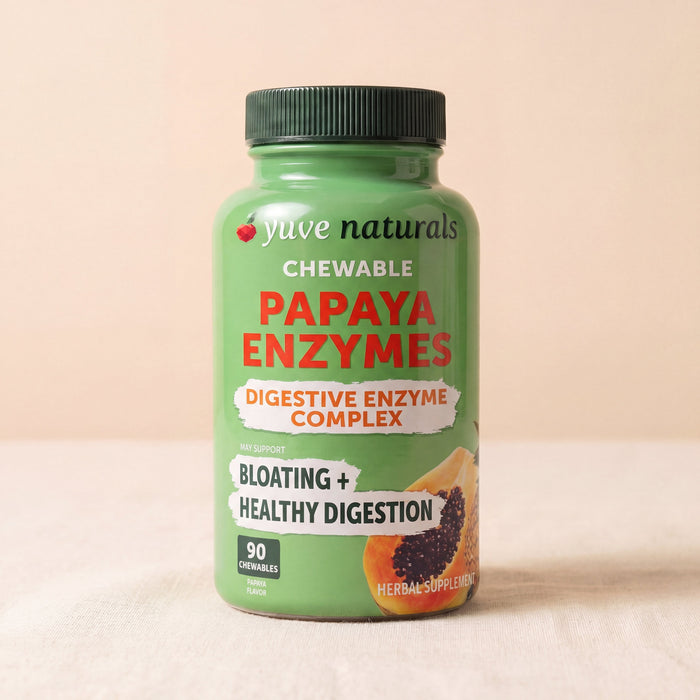
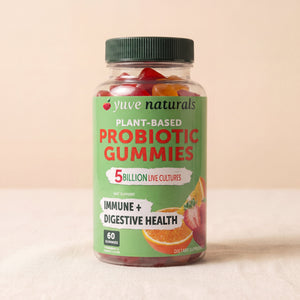
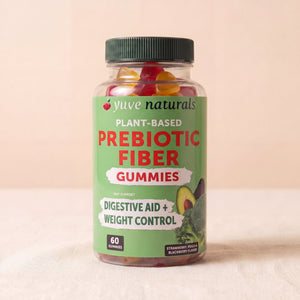
Ever feel like your digestive system just hits the pause button? That heavy, bloated, and frankly frustrating feeling is something so many of us experience but rarely talk about. If this is you, you’re not alone-and we're here to figure it out together.
When you're trying to relieve constipation naturally, it really boils down to a few core principles: increasing your dietary fiber, drinking more water, and getting your body moving a little bit each day. In this guide, we'll walk you through simple, actionable steps that can make a world of difference in softening stool and encouraging your digestive system to work as it should. Let's get you feeling lighter and more comfortable.
Why You Feel Stuck and How to Find Gentle Relief

Constipation is a remarkably common issue. Research shows that it affects an estimated 11.7% of people worldwide. That number climbs even higher for older adults, which is why finding natural, sustainable solutions is so critical. For those interested in the data, you can read more about these findings from health researchers.
When you're feeling backed up, it's tempting to reach for a quick fix from the pharmacy. But harsh over-the-counter laxatives can sometimes create a new set of problems, like cramping and uncomfortable bloating. Worse, your body can become reliant on them, which masks the root cause of the issue.
We believe the kindest approach is a natural one. By understanding what's happening inside your body, we can map out a clear, actionable path to feeling lighter and more comfortable in your own skin.
Common Causes Behind the Discomfort
Before jumping into solutions, it helps to understand what might be causing the slowdown in the first place. It’s rarely just one thing; more often, it's a combination of lifestyle factors that throw your system off balance.
- Not Enough Water: Think of water as the secret ingredient that keeps everything moving smoothly. Without it, stool gets hard, dry, and much more difficult to pass.
- A Low-Fiber Diet: Fiber is what gives stool its bulk and softness. A diet heavy on processed foods and light on fruits, vegetables, and whole grains is a classic recipe for a sluggish gut.
- Too Much Sitting: Movement isn't just for your muscles-it’s a key player in stimulating your intestines. A sedentary lifestyle can literally slow your digestion down.
- The Sneaky Role of Stress: There's a powerful connection between your brain and your gut. When you're stressed, your body diverts energy away from digestion, often leading to a system-wide slowdown.
- Ignoring the Urge to Go: Life gets busy, but consistently holding it in can confuse your body's natural signals over time. This makes it harder to go when you finally get the chance.
A Few Immediate Actions for Quick Relief
While building long-term habits is the ultimate goal, sometimes you just need to feel better now. When discomfort strikes, there are a few simple things you can try right away to encourage gentle movement.
Here’s a quick-glance table summarizing some of the most effective first steps.
Immediate Actions for Natural Constipation Relief
A summary of the first steps you can take to encourage gentle movement and alleviate discomfort quickly.
| Action | Why It Helps | Simple First Step |
|---|---|---|
| Sip Warm Liquids | Warmth helps relax the intestinal muscles and can stimulate a sluggish digestive system. | Drink a cup of warm water with lemon or a soothing herbal tea like ginger or peppermint. |
| Gentle Belly Massage | This can physically stimulate the colon and encourage the movement of stool through your intestines. | Use your fingertips to gently rub your abdomen in a clockwise circle, following the path of the large intestine. |
| Try a Warm Bath | The heat can relax your abdominal muscles, ease cramping, and reduce the stress that contributes to constipation. | Add some Epsom salts to a warm bath and soak for 15-20 minutes to help soothe muscle tension. |
These small actions can make a surprisingly big difference when you're feeling uncomfortable.
Another helpful strategy is to sip on warm liquids. A simple cup of warm water with a squeeze of lemon, some ginger tea, or even a basic herbal tea can help relax your intestinal muscles and get things going. The warmth itself is incredibly soothing and can help ease that tight, cramped feeling.
You can also try a gentle abdominal massage. Using your fingertips, start on the lower right side of your stomach and move in a slow, circular motion up toward your ribs, across your abdomen, and then down the left side. This massage follows the natural path of your colon and can physically help encourage movement.
Finally, managing related discomforts is part of finding holistic relief. Straining from constipation can often lead to other issues, so it's wise to explore natural approaches to manage hemorrhoids as well. It’s all connected to creating total-body comfort.
Building Your Daily Blueprint for Digestive Wellness
Lasting digestive wellness isn't about a quick fix. It's built on the small, consistent habits that add up day after day. This is your practical playbook for creating that foundation. We’re going to focus on the "big three" of gut health: fiber, fluids, and movement.
Forget generic advice. We're going to show you exactly how to weave these essentials into your life in a way that feels supportive and empowering, not like another chore on your to-do list.
Mastering the Art of Fiber
Let's be honest, "fiber" doesn't sound very exciting. But it’s the unsung hero of a happy gut. Think of it as the personal trainer for your digestive system, keeping everything toned and moving right on schedule.
Most adults should aim for 22 to 34 grams per day, but what's shocking is that only about 3% of us actually get there. The key is to include both types of fiber in your diet, as they play different but equally important roles.
-
Soluble Fiber: This type dissolves in water to form a gel, which is fantastic for softening stool and making it much easier to pass. You'll find it in oats, apples, citrus fruits, carrots, and beans.
-
Insoluble Fiber: This is the "roughage" that doesn't dissolve. It adds bulk to your stool, helping it move through your system more efficiently. Good sources include nuts, whole-wheat flour, cauliflower, green beans, and potatoes.
A Word of Caution: I do NOT think you should go from zero to sixty with your fiber intake. A sudden increase can cause the very bloating and gas you're trying to avoid. The trick is to add one new high-fiber food every few days. This gives your gut time to adjust.
Why Hydration Is Non-Negotiable
Here’s a crucial piece of the puzzle: you can eat all the fiber in the world, but without enough water, it can backfire and make constipation worse.
Fiber works by pulling water into your colon to create a soft, bulky stool that’s easy to pass. If you're dehydrated, you just end up with a traffic jam. Think of it like trying to send a letter through a dry pneumatic tube-it's not going anywhere.
The old "eight glasses a day" rule is a decent starting point, but your real needs depend on your activity level and even the weather. A better guide? Aim to keep your urine a pale, straw-like color.
For a healthy gut, it's vital to maintain sufficient water intake. If you find plain water a bit dull, mix it up:
- Infuse a pitcher with cucumber and mint or lemon and ginger.
- Sip on herbal teas like peppermint or chamomile.
- Eat your water! Foods like watermelon, celery, and bell peppers are packed with H2O.
Gentle Movement to Get Things Going
Exercise does more than just build muscle; it also gives your intestines a gentle nudge. Movement stimulates the natural wave-like contractions of your intestinal muscles-what scientists call "gastrointestinal motility"-helping to move things along.
You don't need to run a marathon. In fact, gentle, consistent movement is often far more effective for digestive health.
A simple 20-30 minute walk, especially after a meal, can work wonders. It helps speed up the rate at which food moves through your large intestine, preventing it from getting too comfortable in there.
Other great options include:
- Yoga: Poses with gentle twisting motions, like a seated spinal twist, can help massage your internal organs and encourage movement.
- Stretching: Even something as simple as lying on your back and bringing your knees to your chest can help release trapped gas and relieve pressure.
By focusing on these three pillars-fiber, fluids, and movement-you create a powerful, proactive strategy for preventing constipation before it even starts. To see how these pieces all fit together in a daily schedule, take a look at our complete gut health diet plan for more meal ideas and inspiration.
The Power Couple for Your Gut: Prebiotics and Probiotics
Beyond just fiber and water, there's a bustling community of microscopic allies inside your gut that dictates your digestive rhythm. This is your gut microbiome, and keeping it happy and balanced is fundamental for smooth, regular digestion. When it gets thrown off, constipation is often one of the first red flags.
Think of your gut like a garden. For it to really flourish, it needs two critical things: good seeds (probiotics) and good fertilizer (prebiotics). Let's unpack what this powerful duo actually does for you.
What’s the Difference Between Prebiotics and Probiotics?
It might sound complicated, but the idea is actually quite simple.
-
Probiotics are the "good guys"-the beneficial live bacteria that set up shop in your digestive tract. Their job is to help break down food, absorb nutrients, and crowd out the bad bacteria. A thriving probiotic population is a must for staying regular.
-
Prebiotics are basically a packed lunch for your good bacteria. They're special plant fibers your body can't digest, so they make their way to your colon and become a feast for your probiotics, helping them multiply and thrive.
Simply put, prebiotics feed probiotics. You absolutely need both to cultivate a healthy gut ecosystem that keeps things moving along as they should. Understanding this relationship is a game-changer if you want to know how to relieve constipation naturally and keep it from coming back.
A Quick Science Corner
You don't just have to take our word for it; the research is pretty clear on this. A major review of multiple studies confirmed that probiotics significantly helped adults dealing with chronic constipation. This means that adding a targeted probiotic supplement isn't just a guess-it's an effective, proactive step toward better digestive health. For you, this means a reliable tool for managing symptoms without the harsh side effects of some other options.
Sam’s Story: A Gut Health Turning Point
Our founder, Sam, knows this struggle all too well. For years, he battled frustrating digestive issues, trying everything from super-restrictive diets to every fiber supplement on the market. The real breakthrough finally came when he shifted his focus from just what he was eating to the health of his gut microbiome itself.
Bringing a high-quality, dependable probiotic into his daily routine was a total game-changer. It wasn't an instant miracle, but with consistency, he felt his system become more balanced and predictable. That personal journey was the real spark behind creating a supplement that could offer that same reliable support to others.
An Easy, Delicious Way to Find Your Balance
Eating prebiotic-rich foods is a fantastic start-think bananas, onions, garlic, and asparagus. But getting a consistent, powerful dose of the right probiotic strains every single day from food alone can be a challenge. This is where a well-formulated supplement becomes a core solution, not an afterthought.
That’s precisely why we created Yuve Vegan Probiotic Gummies. We wanted to make supporting your gut health simple, effective, and something you actually look forward to.
Unlike some supplements that feel like a shot in the dark, our gummies are formulated with specific, well-researched probiotic strains chosen to help restore balance and promote regularity. Taking them daily is a smart, proactive way to tend to your "gut garden" and give your good bacteria the backup they need to flourish.
By combining a diet full of plant-based prebiotics with a daily dose of our probiotic gummies, you're creating the ideal environment for a happy, efficient digestive system. To learn more about food sources, check out our guide to natural probiotics and prebiotics and build a truly well-rounded plan.
Powerful Plant-Based Foods and Herbs That Work
Nature’s pharmacy is absolutely brimming with gentle, effective remedies for when you’re feeling stuck. Let's move beyond the basics of fiber and water to explore the specific plant-based superstars and time-tested herbs that can really get things moving.
Think of this as your personal toolkit for natural relief-a collection of options you can turn to for both daily support and those occasional rescue missions.
The search for these kinds of solutions is growing for a good reason. With the global constipation treatment market projected to hit USD 29.29 billion by 2028, it’s clear people are actively seeking better, more natural ways to manage their digestive health. You can read more about these market trends to see just how many people are looking for the same relief you are.
Your Go-To List of Superstar Foods
Some foods are just legendary for their ability to kickstart a sluggish system. They work because they contain a powerful combination of fiber, water, and unique natural compounds that encourage movement.
Here are a few you can always count on:
- Prunes (and Prune Juice): It’s a classic for a reason. Prunes are packed with both insoluble fiber to add bulk and sorbitol, a natural sugar alcohol that acts as a gentle laxative.
- Kiwis: These fuzzy green fruits are a true powerhouse. They contain an enzyme called actinidin that is known to stimulate the upper digestive tract, helping to speed things along.
- Chia and Flax Seeds: Tiny but mighty! These seeds form a gel when mixed with liquid, which helps soften stool and makes it much easier to pass.
- Pears and Apples: Both are excellent sources of pectin, a type of soluble fiber that adds bulk and moisture. Just be sure to eat the skin-that’s where much of the good stuff is.
- Legumes: Beans, lentils, and chickpeas are loaded with fiber. My advice? Start slow with these to allow your system to adjust and avoid any-dun, dun, dun-unwelcome gas. Yikes!
This infographic shows how prebiotics, found in many of these plant-based foods, work hand-in-hand with probiotics to create a balanced gut.
The key insight here is that you need both prebiotics (the fuel) and probiotics (the beneficial bacteria) for a truly healthy, regular digestive system. To dive deeper, check out our guide on what foods are high in prebiotics.
Top Constipation-Relieving Foods vs Gentle Herbal Aids
When you need relief, it helps to know which tool to reach for. This table compares some of the best everyday foods with specific herbal supplements to help you choose the right natural approach for your needs.
| Natural Remedy | Best For | How It Works |
|---|---|---|
| Prunes & Pears | Daily maintenance, mild constipation | Contains sorbitol (a natural laxative) and soluble/insoluble fiber to soften and bulk up stool. |
| Chia & Flax Seeds | Daily regularity, improving stool consistency | Forms a gel with water, which softens stool and makes it easier to pass smoothly. Great for daily use. |
| Psyllium Husk | Daily fiber boost, consistent relief | A bulk-forming fiber that absorbs water, creating a larger, softer stool that's easy to move. |
| Senna | Occasional, acute relief (short-term) | A stimulant laxative that triggers intestinal contractions. Effective but not for long-term use. |
Ultimately, food should be your first line of defense, with gentle herbs like psyllium offering daily support. Stronger herbs like senna are best saved for when you really need them.
Gentle and Effective Herbal Allies
Sometimes, diet alone isn't quite enough, and you need a little extra help. Certain herbs have been used for centuries to provide relief, but it’s crucial to understand how they work and when to use them. Not all herbal laxatives are created equal.
Psyllium Husk: This is my go-to recommendation for consistent, daily support. Psyllium is a bulk-forming fiber, meaning it absorbs water in your gut to create a softer, more substantial stool that’s easier to pass. It’s gentle enough for long-term use and is a fantastic way to supplement your daily fiber intake.
On the other hand, some herbs are much stronger and are better suited for short-term, occasional use.
Senna and Cascara Sagrada are known as stimulant laxatives. They work by irritating the lining of your intestines, which triggers muscle contractions to push everything out. While effective for quick relief, they can cause cramping and shouldn’t be used for more than a few days at a time. Your body can become dependent on them.
Think of these as the emergency toolkit, not the daily multi-tool. By understanding these options, you can make informed choices about what your body needs in the moment.
Building Long-Term Habits to Keep Constipation at Bay
Getting quick relief is fantastic, but the real victory is when constipation is no longer a regular part of your life. The ultimate goal is prevention. It's about creating a lifestyle that keeps your digestion running so smoothly and predictably that you honestly don't have to think about it anymore.
This is where we pull all the pieces together. It’s not about quick fixes; it’s about building a sustainable routine that supports your body’s natural rhythm, day in and day out. Let's talk about the final, crucial habits that turn temporary solutions into lasting wellness.
The Surprising Link Between Stress and Your Gut
Ever notice how stress seems to bring your digestion to a grinding halt? It's not just in your head. There's a very real and powerful connection between what's happening in your brain and what's going on in your gut, something experts call the gut-brain axis.
When you’re stressed out, your body flips into "fight or flight" mode. It immediately starts rerouting energy and blood flow away from anything it considers non-essential-like digestion-to your muscles and brain. This can slow down the natural muscle contractions in your intestines, creating a literal traffic jam.
Getting a handle on stress isn't just a mental health practice; it’s an absolutely essential part of any effective digestive strategy.
- Mindful Breathing: Just five minutes of deep, slow belly breathing can help flip your nervous system from "stressed" to "rested." Breathe in slowly through your nose, let your belly expand fully, and then exhale slowly through your mouth.
- Gentle Movement: Activities like yoga, simple stretching, or even just a quiet walk can release physical tension and calm a racing mind. When your mind calms down, your gut usually follows.
- Prioritize Sleep: Skimping on sleep is a major stressor for the body. Aiming for 7-9 hours of good, restorative sleep each night gives your entire system, including your digestive tract, time to rest and repair.
Train Your Body for Predictable Regularity
Our bodies are creatures of habit-they absolutely thrive on routine. Just like going to bed at the same time every night helps regulate your sleep cycle, creating a consistent bathroom schedule can actually train your digestive system for regularity. You’re essentially giving your body a gentle nudge toward a predictable rhythm.
One of the most effective things you can do is establish a consistent time to use the bathroom. The ideal window is often 15 to 45 minutes after a meal, because eating naturally stimulates the colon. Try setting aside a few unhurried minutes around the same time each day-after breakfast is a popular and effective choice-to just sit on the toilet.
The key is not to strain or force anything. The goal is simply to create the habit and give your body the quiet, uninterrupted opportunity to go. Over time, this consistency reinforces your body's natural signaling.
Customer Story: "I honestly felt like I had tried everything. For years, I struggled with bloating and unpredictable constipation. I changed my diet, drank more water, but nothing gave me lasting relief. It wasn't until I combined those habits with a consistent daily probiotic that things finally clicked." Jessica, a long-time Yuve customer, shared this with us. Her journey is a perfect example of how combining smart habits with the right support makes all the difference.
The Final Piece of the Puzzle
Building healthy daily habits is incredibly powerful, but sometimes your gut needs a little extra backup to stay balanced, especially when life gets busy, stressful, or you’re traveling. This is where a high-quality probiotic becomes a cornerstone of your daily wellness plan.
For Jessica, adding our Yuve Vegan Probiotic Gummies was the turning point. They provided her gut with a daily infusion of beneficial bacteria, helping to restore the healthy microbiome that’s absolutely essential for smooth, regular digestion. It stopped being just another supplement and became a foundational part of her preventative strategy.
Constipation is a serious global health issue, and finding natural solutions that work for you is key. Recent studies have shown that 18.6% of Chinese adults experience gastrointestinal symptoms, with constipation being the most common complaint. You can read more about these findings on the National Institutes of Health website. For these individuals, effective, natural prevention is not just about comfort-it's about quality of life.
By pairing consistent daily habits with targeted support like probiotics, you build a resilient digestive system that’s ready for whatever life throws your way.
Your Quick-Win Checklist
Feeling overwhelmed? Don't be. Here are the key takeaways to get you started on feeling better, fast.
- Drink a large glass of warm water first thing in the morning.
- Add one high-fiber food to your day, like a pear or a tablespoon of chia seeds in oatmeal.
- Go for a 15-minute walk after your biggest meal.
- Take a daily probiotic like Yuve Vegan Probiotic Gummies to consistently support your gut microbiome.
- Set aside 5-10 quiet minutes on the toilet after breakfast each day, without pressure.
Frequently Asked Questions
When it comes to your health, you want clear, direct information, not a runaround. Let's tackle some of the most common questions people have about getting things moving naturally.
How Long Until These Natural Remedies Actually Work?
This is the big question, right? And the honest answer is: it really depends.
If you’re just feeling a little stuck, a simple fix like a big glass of warm water or a brisk walk could bring relief in just a few hours. But for the bigger, more lasting changes-like overhauling your fiber intake or starting a probiotic-you'll need a bit more patience.
You should start noticing positive shifts within a few days, but it can often take a week or two for your digestive system to truly adjust and settle into a new, healthier rhythm. Consistency is your best friend here.
Can Healthy Foods Sometimes Make Constipation Worse?
Believe it or not, yes. This is a trap a lot of people fall into. It almost always happens when you dramatically increase your fiber intake without also drinking a lot more water.
Think of it this way: fiber is like a sponge. It needs water to swell up and create soft, easy-to-pass stool. Without enough liquid, that extra fiber just becomes a dense, bulky mass that can clog things up even more.
A Tip from Experience: When you start adding high-fiber foods like beans, lentils, or chia seeds, go slow. Add one new serving every couple of days and make a conscious effort to sip water throughout the day. This gives your gut the time it needs to adapt without getting overwhelmed.
What's the Deal with Laxative Teas like Senna?
Teas containing senna are what’s known as a stimulant laxative. They work by making your intestinal muscles contract, which can definitely get things moving. They're effective for short-term, "emergency" relief.
But here's the catch: they are not meant for long-term or daily use. Think of them as a rescue tool for a particularly stubborn situation, not your go-to solution. Relying on them too often can actually make your bowels lazy and dependent, which undermines your goal of sustainable, long-term digestive health. For day-to-day regularity, stick with the fundamentals: fiber, fluids, and movement.
When Should I Stop Trying at Home and See a Doctor?
Most of the time, you can manage constipation with these lifestyle tweaks. But it's crucial to know when it’s time to call in a professional. You should definitely book an appointment with your doctor if:
- You’ve made changes but are still struggling after three weeks.
- You're dealing with severe abdominal pain.
- You see any blood in your stool.
- You're losing weight without trying.
These symptoms can signal a more serious underlying issue that needs a proper diagnosis. Your health and peace of mind are always the number one priority.
At Yuve, we're passionate about the idea that a happy gut is the cornerstone of your overall well-being. Building these healthy habits is powerful, and adding targeted support can make all the difference. Discover Yuve's vegan supplements to give your digestive system the consistent, gentle backup it deserves. And we'd love to hear from you-share your own gut-health journey in the comments below