Ever feel like your digestion is completely unpredictable? One day it's uncomfortable bloating, the next it's a wave of sluggishness you just can't shake. If that sounds familiar, you're not alone. We get it, and it’s often a clear signal that your gut microbiome-that bustling community of trillions of microorganisms living in your digestive tract-is out of sync.
Your Path To A Balanced Gut Starts Now
Think of your gut as a garden. When the soil is rich with diverse nutrients, the plants thrive. But if it's neglected or gets hit with a chemical storm (like a round of antibiotics), things start to struggle. The fantastic news is that you have so much power to tend to this inner garden, and it's far less complicated than you might think.
This guide is your practical, science-backed plan to bring your gut microbiome back into balance. We'll walk you through simple but powerful steps you can take starting today to feel better.
Understanding Your Gut's Signals
Your body is constantly sending you messages-the trick is learning to listen. Things like persistent bloating, gas, irregular bowel movements, or even brain fog and fatigue can be subtle (or not-so-subtle) hints that your gut needs some serious support.
Recognizing these symptoms is the critical first step toward healing. It’s that "aha!" moment when you finally connect the dots between how you're feeling and what's actually happening inside your gut.
Let's take a quick look at some of the most common signs that your gut health might be off.
Signs Your Gut Microbiome Needs Support
A quick look at common symptoms suggesting your gut bacteria may be out of balance and what you can do about it.
| Common Symptom | What It Could Mean for Your Microbiome | A Simple First Step |
|---|---|---|
| Frequent Bloating/Gas | An overgrowth of certain gas-producing bacteria or a lack of microbes needed to break down specific foods. | Try sipping on ginger tea after meals to aid digestion and calm inflammation. |
| Constipation or Diarrhea | Imbalances can slow down or speed up gut motility. A lack of diversity is often a key factor. | Add one tablespoon of ground flaxseed to your morning smoothie or oatmeal for soluble fiber. |
| Unexplained Fatigue | Your gut produces many neurotransmitters, like serotonin. An imbalance can directly impact your energy and mood. | Go for a 15-minute walk outside. The gentle movement and sunlight can support both your gut and energy levels. |
| Skin Issues (Acne, Eczema) | The "gut-skin axis" is a real thing. Gut inflammation can show up on your skin. | Introduce a small serving of a probiotic-rich food like sauerkraut or vegan kimchi into your diet. |
| Sugar Cravings | Some "unfriendly" gut microbes thrive on sugar and can actually send signals to your brain demanding more. | When a craving hits, reach for a piece of fiber-rich fruit, like an apple or a handful of berries, instead. |
If you’re nodding along to this list and want to dig deeper, exploring the common signs of an unhealthy gut can provide some much-needed clarity.
Our Founder's Journey: Yuve's founder, Sam, knows this frustration firsthand. His own struggles with chronic digestive discomfort sent him down a path of discovery, where he learned that small, consistent changes were the real key to long-term relief and feeling his best.
We’re here to show you how to nourish the good microbes, manage the troublemakers, and get you back to feeling fantastic, one simple step at a time.
What Does "Restoring Your Gut" Really Mean?
Let's cut through the confusing science. When we talk about restoring your gut microbiome, we’re essentially talking about a rebalancing act. It's about boosting the good guys-the beneficial bacteria-while nudging out the troublemakers that can cause all that frustrating bloating and discomfort.
Think of it like tending to a garden that's been taken over by weeds. You don't just bulldoze the whole plot. Instead, you carefully pull the weeds, nourish the soil, and plant a wide variety of strong, helpful plants. In your gut, this means giving your microbial allies the right fuel and support to flourish.
This isn’t an overnight miracle, but here’s the good news: your gut microbiome is incredibly dynamic. Meaningful changes can happen a lot faster than you might think.
Feeding Your Inner Ecosystem
Every time you eat something high in fiber, you're not just feeding yourself. You're feeding the trillions of microbes that call your gut home. They take that fiber, ferment it, and produce incredible compounds called short-chain fatty acids (SCFAs).
SCFAs are the unsung heroes of gut health. They do a few critical jobs:
- They patch up your gut lining. Think of them as the mortar between the bricks of your intestinal wall, keeping it strong and preventing things from leaking out that shouldn't.
- They calm down inflammation. A strong gut barrier and plenty of SCFAs help reduce systemic inflammation, which can affect everything from your joints to your mood.
- They support your immune system. A huge chunk of your immune system lives in your gut, so a happy microbiome is your first line of defense.
This whole process is less about deprivation and more about addition. When you proactively add the good stuff, you create an environment where beneficial bacteria can thrive and naturally crowd out the less helpful ones.
The Gut Recovery Timeline
Okay, so how long does this actually take? It’s the question we get asked most often, and the answer isn't a single number. It’s more like a series of milestones.
Your body starts responding almost immediately, even if the changes aren't obvious at first. The science on this is really encouraging. Studies show that after a major disruption, like a round of antibiotics, the microbiome can show measurable improvements within just days or weeks. One scientific review pointed out that while some bacterial strains can take months to fully bounce back, overall diversity often recovers significantly within 2-8 weeks with the right dietary and lifestyle support. You can dive deeper into the research on how our gut ecosystems recover from disruptions.
What this means for you: You don't have to wait half a year to feel a difference. You might notice less bloating, better energy, or more predictable digestion in just a few weeks. Those early wins are fantastic signs that your small, consistent efforts are already paying off.
Small Habits, Big Impact
Restoring your gut isn't a one-and-done "cleanse." It’s about building a collection of small, sustainable habits that create a resilient gut for the long haul.
This was a personal turning point for our founder, Sam. After years of chasing symptoms and trying one restrictive diet after another, nothing seemed to stick. The real shift happened when he changed his mindset from "What do I need to eliminate?" to "What can I add to nourish my gut?"
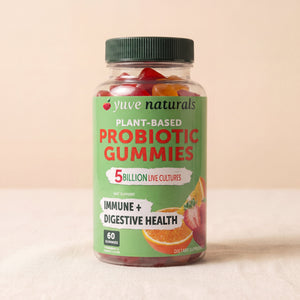
He started small, focusing on adding one new plant food to his meals each day and consistently taking his Yuve Vegan Probiotic Gummies. It was this simple focus on nourishment-not deprivation-that finally brought him lasting relief. That’s the core of this approach: empowering yourself with the tools to help your body heal itself.
Your Microbiome Restoration Diet
You’ve probably heard the old saying, “you are what you eat.” When it comes to gut health, though, it’s more like, “your gut microbes eat what you eat.” Diet is, without a doubt, the single most powerful tool you have for reshaping your microbiome and finally kicking that frustrating bloating to the curb.
This isn't about some restrictive, bland diet. It's about strategically adding in delicious, powerful foods that your good gut bugs absolutely love. Think of this as your complete nutrition playbook for gut restoration.
Embrace Plant Diversity and Fiber
Let's start with the undisputed superheroes of gut health: fiber and plant diversity.
Imagine your gut microbes as a diverse team of specialists. If you only feed them one thing-say, chicken and broccoli every single day-only a few of those specialists get to work. The rest get weak and eventually disappear. But when you eat a wide variety of plants, you nourish a wide variety of microbes, building a strong, resilient, and diverse team.
The goal isn't just to eat more vegetables; it's to eat more kinds of vegetables, fruits, grains, nuts, and seeds.
The 30-Plant Challenge: A fantastic goal to shoot for is eating 30+ different types of plants each week. It sounds like a lot, but it’s easier than you might think! Herbs, spices, nuts, and seeds all count toward your total. This one change is a true game-changer for microbial diversity.
Here are a few simple swaps to get you started:
- Instead of plain oatmeal, add berries, chia seeds, and a dash of cinnamon. That’s four plants right there!
- Toss a big handful of spinach or kale into your morning smoothie.
- Mix a few different kinds of beans (black, pinto, kidney) into your next batch of chili or soup.
- Switch your usual snack to a mixed nut and seed blend.
Research has shown time and again that diet is the strongest driver in shaping our gut microbiome. One study even found that moving from a low-fiber, processed diet to a high-fiber, plant-rich one can alter the microbial community in as little as 48-72 hours. That's fast! This shift also ramps up the production of beneficial short-chain fatty acids.
Add Fermented Foods for a Probiotic Boost
While fiber feeds your existing good bacteria, fermented foods act like reinforcements, delivering new, live beneficial bacteria directly to your gut.
Don't be intimidated by them! It’s easy to work these into your meals.
- Kimchi and Sauerkraut: Add a spoonful to salads, grain bowls, or even on top of avocado toast. Just make sure to look for "raw" or "unpasteurized" versions in the refrigerated section-that’s how you know the bacteria are still live.
- Kombucha: This fizzy, tangy fermented tea is a great substitute for soda. Just keep an eye on the sugar content, as some brands can be loaded with it.
- Vegan Yogurt and Kefir: Always check the label for "live and active cultures" to get the full probiotic benefit.
A word of advice: start slow. A tablespoon or so a day is plenty at first. A sudden flood of new microbes can sometimes cause a bit of temporary gas or bloating, so it’s best to let your system adjust gradually.
Don’t Forget Prebiotics-The Super-Fertilizer
If probiotics are the seeds you plant in your gut garden, prebiotics are the fertilizer. These are specific types of fiber that your body can't digest but your beneficial gut bacteria absolutely feast on.
You can find prebiotics in many common foods:
- Garlic, Onions, and Leeks: These flavor powerhouses add a serious prebiotic punch to almost any savory dish.
- Asparagus: Delicious roasted or steamed as a simple side.
- Bananas (especially slightly green ones): The perfect on-the-go prebiotic snack.
- Oats: A fantastic source of a prebiotic fiber called beta-glucan.
By pairing probiotic-rich foods with prebiotic-rich foods, you create a powerful synergy that helps the good guys in your gut truly thrive. For more ideas, you can find a great list of specific foods that improve gut bacteria.
Identifying Your Personal Trigger Foods
Here's where a little detective work comes in handy. Sometimes, even "healthy" foods can cause problems if you have a specific sensitivity. Our founder, Sam, struggled for years with bloating before realizing that dairy was a major trigger for him. Removing it was a turning point.
This doesn't mean you need to embark on some crazy-restrictive diet. It’s simply about paying close attention to your body. If you suspect a food is causing trouble, try removing it for a few weeks and see how you feel.
For those who want to dig a bit deeper, understanding potential food allergies and sensitivities can offer a clearer path forward and help you pinpoint exactly what to avoid. This isn’t about restriction; it’s about empowerment. Knowing your personal triggers lets you build a diet that makes you feel amazing.
Using Supplements To Accelerate Gut Healing
Think of your diet as the foundation of your gut restoration project. It's solid, essential, and where the real, lasting work happens. But what if you could bring in a specialized support crew to speed things up and smooth out the bumps along the way? That’s where targeted supplements come in.
Instead of seeing them as an optional add-on, it’s helpful to think of them as a smart, proactive tool to accelerate your healing. Let's cut through the noise in the supplement aisle and focus on what actually works.
Probiotics: The Good Guys Arriving as Reinforcements
First on the list are probiotics. These are the "good" live bacteria that, when you take them, give a direct boost to your gut's microbial population. While fermented foods are a fantastic source, a high-quality supplement ensures you're getting specific, beneficial strains in a more concentrated dose.
But not all probiotics are created equal. When you're picking one out, there are two key things to look for:
- Strain Diversity: Look for a supplement with multiple strains of bacteria, like different types of Lactobacillus and Bifidobacterium. A diverse team is always stronger than a single player.
- CFU Count: This stands for "colony-forming units," which is just a fancy way of measuring how many live bacteria are in each dose. A good daily probiotic will typically have between 5 to 20 billion CFUs.
Getting a consistent, targeted dose is crucial for seeing results. That’s why we created Yuve Vegan Probiotic Gummies. They’re a simple, delicious-and honestly, enjoyable-way to make sure your gut gets those beneficial reinforcements every single day. No giant pills to swallow, just a tasty step toward a happier gut.
Prebiotics: Fuel for Your Microbial Allies
So, if probiotics are the new recruits, prebiotics are their perfectly packed lunch boxes. Prebiotics are specific types of fiber that your body can't digest but that your good gut bacteria absolutely love to eat.
By providing this essential fuel, you’re not just adding new bacteria-you're nourishing the good ones already living there, helping them grow stronger and multiply. You can find prebiotics in foods like garlic, onions, and slightly green bananas, but a supplement can offer a more concentrated dose, especially if your diet is still a work in progress.
The Probiotic-Prebiotic Partnership: Think of it this way. Taking probiotics without prebiotics is like planting seeds in dry, nutrient-poor soil. For the best results in your gut restoration journey, you need both the seeds (probiotics) and the fertilizer (prebiotics).
Digestive Enzymes: The Undercover Support Crew
Here's a piece of the puzzle many people miss. Sometimes, especially when your gut is already stressed and inflamed, it struggles to break down food properly. This can lead to that dreaded gas and bloating. Dun, dun, dun-unwelcome gas. Yikes!
This is where digestive enzymes become your best friend. They are proteins that help break down fats, proteins, and carbohydrates into smaller, more absorbable pieces. By giving your system this enzymatic boost, you take a huge workload off your gut, allowing it to focus on healing.
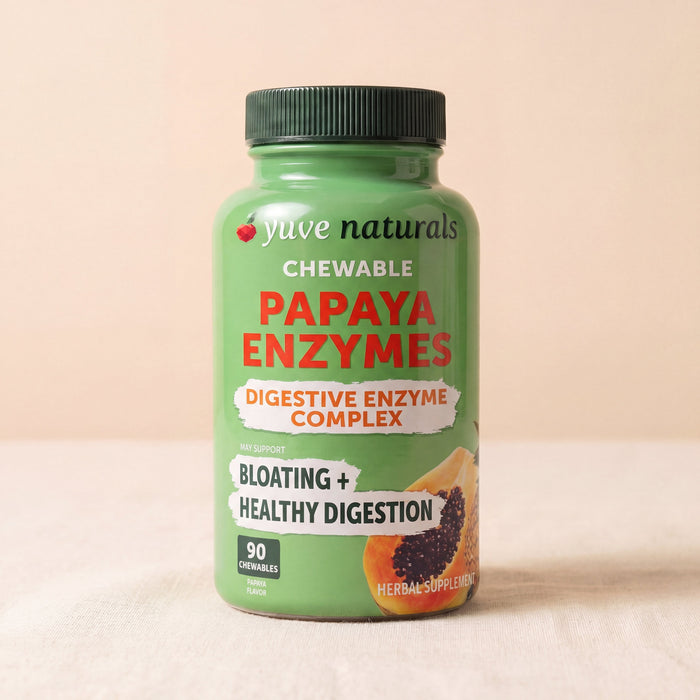
This was a game-changer for our founder, Sam. He was eating all the "right" foods but still felt bloated and uncomfortable after meals. He realized his body just needed some extra help with digestion. This insight is exactly why we developed Yuve Papaya Enzymes. Taking them with meals provides gentle, effective support to ensure your food is broken down completely, helping to stop gas and bloating before they even start. They make balanced eating so much easier while your gut gets back on track.
If you want to dig deeper, we have a detailed guide on other natural supplements for gut health that can support your journey.
Lifestyle Habits for a Thriving Microbiome
You can eat the most pristine, fiber-rich, plant-diverse diet in the world, but your gut will still struggle if you're chronically stressed and barely sleeping. It’s not an exaggeration.
Your gut and brain are locked in a constant conversation, a link scientists call the gut-brain axis. Think of it as a two-way superhighway. A traffic jam on one end-say, a brutal day at work-can easily cause a massive pileup on the other. Hello, bloating and discomfort.
So, if you’re serious about restoring your gut microbiome, it's not just about what you put on your plate. It's about how you live your life. Let's dig into the three lifestyle pillars that are absolutely non-negotiable for building a resilient inner ecosystem.
Tame Your Stress for a Calmer Gut
Ever had that "gut-wrenching" feeling when you're anxious? Or felt butterflies flutter in your stomach? That’s the gut-brain axis, live and in real-time.
When stress hits, your body floods with hormones like cortisol. This chemical cascade can directly harm your beneficial gut bacteria, slash your microbial diversity, and even make your gut lining more permeable or "leaky."
I know what you're thinking. "Just relax" is probably the most useless advice ever. We can't just magically eliminate stress, but we can build small, powerful habits to manage how we respond to it.
Here are a few ways to start right now:
- Mindful Breathing: When you feel that tension creeping in, just stop and take three deep, slow belly breaths. Inhale for four counts, hold for four, and exhale for six. This simple act helps flip your nervous system from "fight or flight" mode to "rest and digest."
- A Quick Nature Dose: You don't need a three-hour trek into the wilderness. A simple 10-minute walk outside, where you just focus on the sounds and sights around you, can lower stress hormones and give your gut a chance to unclench.
Cultivating a calm mind is vital, and exploring effective anxiety coping mechanisms can be a beneficial lifestyle habit for a thriving microbiome, given the strong gut-brain connection. Little changes here make a huge difference in your digestion.
Prioritize Sleep for Gut Repair
Sleep is prime time for your body's repair crew to get to work, and that absolutely includes your gut. Skimping on quality sleep throws off your gut's natural daily schedule, known as its circadian rhythm.
This disruption can throw your entire microbial community into chaos, often favoring the less-desirable bacteria. The result? A less diverse microbiome, which is linked to all sorts of digestive misery. If you’re not getting a solid 7-9 hours of quality rest, focusing on your sleep hygiene can be a total game-changer.
A few practical tips:
- Create a Wind-Down Routine: An hour before you plan to sleep, dim the lights, put your phone away, and do something genuinely relaxing. Read a book (a real one!), listen to calm music, or take a warm bath.
- Stick to a Schedule: Try to go to bed and wake up around the same time every day-yes, even on weekends. This helps regulate your body's internal clock, which in turn supports your gut's rhythm.
- Make Your Bedroom a Sanctuary: Keep it cool, dark, and quiet. Your brain needs these cues to know it's time for deep, restorative sleep.
Get Moving for a Happy Microbiome
Let me be clear: you do not need to run a marathon to support your gut. In fact, gentle and consistent movement is often far more beneficial.
Exercise works wonders for your microbiome. It boosts the diversity of your good bacteria and improves gut motility-the scientific way of saying it keeps you regular.
Regular physical activity helps move food through your digestive system more efficiently, which is a huge help in preventing constipation and bloating. It also encourages the growth of bacteria that produce those amazing short-chain fatty acids (SCFAs) we talked about earlier.
Here’s what a sustainable weekly movement plan could look like:
| Day | Activity | Duration | Why It Helps |
|---|---|---|---|
| Mon/Wed/Fri | Brisk Walk | 30 minutes | Gentle cardio that boosts gut motility and reduces stress. |
| Tue/Thu | Gentle Yoga or Stretching | 20 minutes | Twisting poses can massage the digestive organs and relieve gas. |
| Saturday | Fun Activity | 60 minutes | Hike, bike ride, or dance. Joyful movement counts! |
| Sunday | Active Rest | Light Walk/Stretching | Encourages recovery while keeping the body moving gently. |
The real secret here is consistency over intensity. Finding a way to move your body that you actually enjoy is what makes it a lasting part of your gut restoration plan. Your microbiome will thank you for it.
Your Simple Gut Restoration Action Plan
All this knowledge is great, but let's be real-the only thing that creates change is action. So, let’s tie everything we've discussed into a practical plan you can start using right away. Remember, this is about progress, not perfection.
And this isn't just wishful thinking; there's serious science behind this approach. Investment in microbiome therapeutics has exploded, with global funding topping $3 billion by 2019. The consensus is clear: targeted, consistent actions are one of the most powerful tools we have for restoring health. You can dig deeper into the growth of microbiome science on PMC if you're curious.
What This Looks Like Day-to-Day
Here’s a sample day to give you a feel for how simple and delicious this can be.
- Breakfast: A warm bowl of oatmeal made with unsweetened almond milk, topped with a handful of mixed berries, a tablespoon of chia seeds, and a few walnuts. Right there, you’ve hit 4+ plant points before you’ve even left the house!
- Lunch: A massive salad loaded with mixed greens, chickpeas, cucumber, and bell peppers. We love adding a scoop of sauerkraut on the side for that probiotic kick. A simple drizzle of olive oil and lemon juice is all you need for a dressing.
- Snack: An apple with a spoonful of almond butter. Classic, easy, and gut-friendly.
- Dinner: A hearty lentil soup filled with carrots, celery, and onions, served with a side of quinoa for some extra fiber and protein.
Your Weekly Gut-Health Checklist
The key is not to get overwhelmed. Just pick one or two of these to focus on each week and build from there.
- Daily Goal: Hit that fiber target of 25-30 grams.
- Daily Goal: Take your Yuve Papaya Enzymes with your largest meal to help with digestion and keep bloating at bay.
- Weekly Goal: Try one new plant-based food. Get adventurous! Have you ever tried jicama, fennel, or a new type of bean?
- Weekly Goal: Get some fermented foods in three to four times a week.
This infographic is a fantastic visual guide for the other crucial pieces of the puzzle: stress, sleep, and movement.
It’s a great reminder that our daily habits are just as important as diet when it comes to creating a thriving inner ecosystem.
A Note from a Customer: "I struggled with painful bloating for years. I felt like I had tried everything. Following this approach, and especially using the Papaya Enzymes, was the first time I felt real, lasting relief. It's not an exaggeration to say it changed my daily life." - Maria S.
Answering Your Top Gut Health Questions
When you first dive into restoring your gut health, it's natural to have a million questions. We've been there, and we've guided countless others through it. Let's tackle some of the most common things people ask right from the start.
How Long Does This Actually Take?
Everyone wants to know the timeline, and the honest answer is: it varies, but you'll see progress faster than you think. While some studies show your microbiome can start to shift within 24-72 hours of a significant diet change, that’s just the beginning.
Most people start to feel better-less bloating, more regular digestion-within the first 2 to 4 weeks. But for deep, lasting change that truly rebuilds a resilient gut ecosystem? You should be thinking in terms of months.
Consistency beats perfection every single time. It’s not about a flawless 30-day diet; it's about the small, positive choices you make day after day that compound over time.
Can I Really Do This Without Supplements?
You can make incredible strides just by focusing on your diet and lifestyle. After all, the food you eat is the most powerful lever you have for shaping your gut bacteria.
But think of supplements as helpful tools that can accelerate your progress and make the journey a whole lot smoother.
- Probiotics can be a game-changer for re-populating your gut with specific beneficial strains, especially if your diet lacks diversity. Think of them as bringing in expert reinforcements.
- Digestive enzymes offer immediate relief, especially in the beginning. They give your system a helping hand to break down food while your own digestive power is still getting stronger.
So, are they required? No. Can they make the process more effective and comfortable? For many people, yes.
Okay, So What Are the Absolute Worst Foods for My Gut?
This is where it gets personal, because there isn't a single "do not eat" list that works for everyone. That said, some usual suspects consistently cause problems for a lot of people. We're talking about ultra-processed foods loaded with refined sugar, artificial sweeteners, and industrial seed oils.
These ingredients tend to feed the more problematic microbes and can drive inflammation. My best advice is to put on your detective hat and listen to your own body. How do you feel an hour after you eat? The next morning? Your gut will send you the clearest signals about what it loves and what it doesn't.
Ready to take a simple step that can make a noticeable difference? Give your digestion a little extra support. Yuve makes it easy with our Yuve Papaya Enzymes to help you feel better after your very next meal.