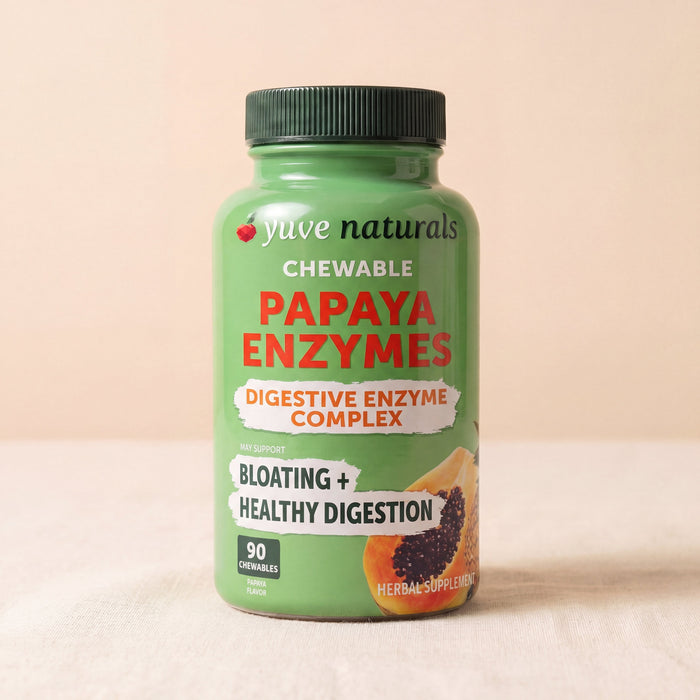
Products that support natural energy rhythms usually work by supporting nutrient sufficiency, steady routines, hydration, gut comfort, and sleep timing rather than forcing stimulation. Look for vitamin B12, iron when appropriate, magnesium, prebiotic fiber, probiotics, protein, electrolytes, and lower-caffeine options that fit your morning, meal, and bedtime patterns.
TL;DR / Key Takeaways
- Natural energy rhythms depend on sleep, meals, light exposure, hydration, and nutrient status.
- Iron and vitamin B12 support normal energy metabolism when intake or status is low.
- Probiotics and fiber support gut routine, which can influence daily comfort and consistency.
- Caffeine can help alertness, but timing and dose matter.
- Choose clean-label products with clear serving sizes, allergen details, and third-party quality cues.
What are products that support natural energy rhythms?
Products that support natural energy rhythms are supplements, foods, and routine tools that help maintain steady daytime alertness and healthy evening wind-down. The category includes dietary supplements such as iron, vitamin B12, magnesium, probiotics, prebiotic fiber, and electrolytes, plus lifestyle products such as protein-rich breakfasts, water bottles, light boxes, and sleep masks. The best options match a specific bottleneck. Iron supports normal oxygen transport when iron intake is low. Vitamin B12 contributes to normal red blood cell formation and energy metabolism. Magnesium supports muscle and nervous-system function. Probiotics and prebiotic fiber support gut flora balance and digestive regularity. Caffeine supports short-term alertness, but late-day intake can work against sleep timing. A practical routine starts with meals, sleep, and hydration, then adds targeted products only when the label, dose, and use case make sense.
How do natural energy rhythm products work?
Natural energy rhythm products work through several different pathways, so one product should not be expected to do everything. Iron contributes to hemoglobin formation, and hemoglobin carries oxygen in red blood cells. The NIH Office of Dietary Supplements explains that iron is required for growth, oxygen transport, and cellular function (NIH ODS iron fact sheet). Vitamin B12 supports red blood cell formation, neurological function, and DNA synthesis (NIH ODS vitamin B12 fact sheet). Probiotic strains support gut microbiota balance, while prebiotic fibers serve as fermentable substrates for beneficial bacteria. Hydration products support fluid and electrolyte intake during sweat, travel, or inconsistent meals. Light exposure products influence circadian timing through retinal signals to the brain. Caffeine blocks adenosine receptors, which can increase alertness, but evening caffeine may make healthy sleep timing harder to maintain.

What benefits or uses should you expect?
Products that support natural energy rhythms can be useful when they are matched to a real routine need, not when they are used as a blanket fix. Iron supplements may help maintain normal energy metabolism in people with low iron intake, menstruating adults, or plant-based eaters, but iron status should guide use because unnecessary iron can cause side effects. Vitamin B12 is especially relevant for vegan and mostly plant-based diets because reliable B12 is found mainly in animal-derived foods and fortified products. A probiotic or prebiotic product may support digestive regularity, which can make a morning routine feel more predictable. Electrolytes may help maintain hydration during exercise, heat, or long travel days. Caffeine can support alertness when used early and modestly. For a broader routine framework, Yuve’s guide to a supplement routine you can actually keep explains how to stack supplements around daily habits.
How should you choose products that support natural energy rhythms?
Choose products by matching the product type to the rhythm you want to support: morning alertness, midday steadiness, workout hydration, digestive regularity, or evening wind-down. Use a checklist before buying. First, confirm the active ingredient and amount per serving, such as milligrams of iron, micrograms of vitamin B12, colony-forming units for probiotics, or grams of fiber. Second, check dietary fit: vegan, gluten-free, gelatin-free, soy-free, and non-GMO may matter for consistency. Third, avoid stacking duplicate nutrients across multivitamins, greens powders, and single-ingredient supplements. Fourth, choose a format you will repeat, such as gummies, capsules, powders, or liquids. Fifth, read timing instructions because iron, magnesium, caffeine, and fiber can feel different depending on meals. If remembering daily products is the main barrier, use Yuve’s guide on how to remember to take supplements.
What side effects or label details should you watch for?
Label details matter because energy-support products can be overused, poorly timed, or mismatched to the person. Iron can cause constipation, nausea, or stomach upset, and high iron intake can be unsafe, so iron is best chosen when diet pattern, life stage, or lab guidance supports the need. Magnesium can loosen stools at higher supplemental amounts. Prebiotic fiber can increase gas or fullness when the serving jumps too quickly, so gradual use is often easier. Probiotic effects vary by strain, serving size, and individual tolerance. Caffeine can increase alertness, but late-day caffeine can interfere with sleep quality in sensitive people. The FDA dietary supplement portal explains that supplements are regulated differently from drugs and that consumers should read Supplement Facts labels carefully (FDA dietary supplements). Clean-label buying means checking excipients, sweeteners, allergens, and serving directions, not just the front panel.
How do common energy-support product types compare?
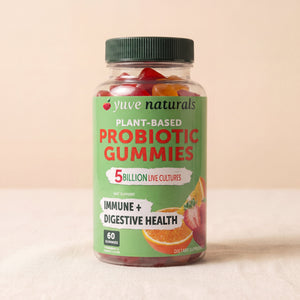
Different product types support different parts of the daily energy rhythm, so comparison prevents overbuying. Iron and vitamin B12 relate most directly to nutrient sufficiency. Probiotics and prebiotic fiber relate to gut routine and digestive comfort. Electrolytes relate to hydration, especially around sweat, travel, and low-fluid days. Caffeine relates to short-term alertness, but timing is the main tradeoff. Magnesium relates more to relaxation and normal muscle function than to morning stimulation. Yuve’s Whole Food Iron can fit a plant-based daily essentials routine when iron support is appropriate, while Yuve’s Probiotic Gummies can support gut flora balance in a simple gummy format. The best choice is the product that solves the most likely gap with the least friction.
| Product type | Primary rhythm role | Best timing | Watch-out |
|---|---|---|---|
| Iron | Supports oxygen transport and normal energy metabolism | Morning or with food if sensitive | Avoid unnecessary duplicate iron |
| Vitamin B12 | Supports red blood cell formation and energy metabolism | Morning or with breakfast | Especially relevant for vegan diets |
| Probiotics | Supports gut flora balance | Consistent daily time | Strain and serving size matter |
| Prebiotic fiber | Supports digestive regularity | With meals or water | Increase gradually |
| Electrolytes | Supports hydration routines | Exercise, heat, or travel | Check sodium and sugar |
| Caffeine | Supports short-term alertness | Early day | Late use can affect sleep timing |
FAQ
What products help support steady energy without relying on high caffeine?
Products that support steady energy without high caffeine usually focus on nutrient sufficiency, hydration, and routine consistency. Iron, vitamin B12, electrolytes, protein, probiotics, and prebiotic fiber can each support a different part of the energy picture. The right choice depends on diet pattern, sleep timing, activity level, and digestive tolerance.
Is iron a good product for natural energy rhythms?
Iron supports normal oxygen transport and energy metabolism, but it is not a universal energy supplement. It is most relevant when iron intake, iron stores, menstruation, or a plant-based diet makes iron status worth watching. The NIH notes that excessive iron can be harmful, so serving size and personal need matter (NIH ODS iron fact sheet).
Why do plant-based eaters often look at vitamin B12?
Plant-based eaters often look at vitamin B12 because B12 occurs naturally in meaningful amounts mainly in animal-derived foods, while vegan diets rely on fortified foods or supplements. Vitamin B12 contributes to red blood cell formation and normal neurological function. A consistent B12 routine can be simpler than trying to guess daily fortified-food intake.
Can probiotics support daily energy?
Probiotics do not act like stimulants, and they should not be framed as instant energy products. Probiotics support gut flora balance, and a steadier digestive routine can support how a person feels during the day. Strain identity, serving size, storage instructions, and daily consistency influence whether a probiotic fits well.
When should caffeine be used in an energy routine?
Caffeine fits best early in the day when the goal is short-term alertness. The American Academy of Sleep Medicine review literature describes caffeine as an adenosine-receptor antagonist that promotes wakefulness, but timing matters because later intake can affect sleep in sensitive adults (PubMed). A lower-caffeine routine may work better for evening wind-down.
How long does it take to feel a difference from energy-support products?
Timing depends on the product and the reason for using it. Caffeine can feel noticeable within hours, while fiber, probiotics, iron, and vitamin B12 routines usually require consistent use and appropriate need. If tiredness is persistent, unusual, or disruptive, a healthcare professional can help evaluate sleep, diet, medications, and lab markers.
Conclusion
Products that support natural energy rhythms work best when they reinforce a repeatable routine: morning light, balanced meals, hydration, digestive consistency, and sleep-friendly timing. If your routine is plant-based or clean-label focused, start with the most likely gap, then choose a simple format you can take consistently. Yuve Daily Essentials options such as Whole Food Iron and Probiotic Gummies can fit that approach when their use case matches your needs.