Rhodiola, Panax ginseng, green tea with caffeine, bacopa, and ashwagandha are the top herbal supplements for energy and focus. Rhodiola supports stress-related mental stamina, ginseng supports daytime alertness, green tea supports fast focus, bacopa supports longer-term cognition, and ashwagandha supports calm focus rather than stimulation.
How did we evaluate the top herbal supplements for energy and focus?
We evaluated herbal supplements by matching each botanical to a practical use case: same-day alertness, stress-related mental stamina, longer-term attention, or calm focus. We prioritized human trials, systematic reviews, NIH and NCCIH monographs, standardized extract information, dose transparency, and safety caveats over broad nootropic marketing claims. We excluded proprietary “energy blend” products when the label did not disclose the botanical species, extract ratio, serving size, caffeine amount, or intended timing, and we separated supplement support from clinical fatigue evaluation. This guide is educational, not medical advice, and the evidence base is uneven because Panax ginseng, Rhodiola rosea, Withania somnifera, Bacopa monnieri, and Camellia sinensis products vary by extract quality, active compounds, study duration, participant population, and whether researchers measured alertness, perceived fatigue, memory, attention, task accuracy, reaction time, sleep effects, tolerability, or general wellness outcomes.
What are the best herbal supplements for energy and focus?
The best herbal supplements for energy and focus are rhodiola, Panax ginseng, green tea with caffeine, bacopa, and ashwagandha, but each option does a different job. Rhodiola rosea fits stress-heavy workdays because it is commonly studied as an adaptogen for fatigue resilience; NCCIH describes rhodiola research as limited but relevant for fatigue and mental performance contexts. Panax ginseng fits daytime alertness because Asian ginseng contains ginsenosides and has a longer research history, although NCCIH notes that many Asian ginseng clinical trials are small and short. Green tea supports fast alertness through Camellia sinensis caffeine and tea polyphenols. Bacopa monnieri fits longer-term cognition because a 2014 meta-analysis in Journal of Ethnopharmacology evaluated randomized trials on cognitive effects. Ashwagandha fits calm focus when stress load, not stimulation, is the main issue. No single herb is “best” until the goal, timing, and tolerance profile are defined.
How do rhodiola, ginseng, bacopa, ashwagandha, and green tea compare?
A useful comparison separates fast stimulation from steady stamina and longer-horizon cognition. Green tea and matcha are the fastest-feeling options because Camellia sinensis supplies caffeine, so caffeine content should not be confused with broad health proof. Panax ginseng usually sits between stimulation and adaptogen-style support, while rhodiola sits closer to stress-related stamina. Bacopa requires the most patience because cognition trials usually measure outcomes over weeks, not hours. Ashwagandha is the least “energizing” option in a stimulant sense, but it may fit people whose focus drops when stress feels high. Standardization matters across every herb: ginsenosides for Panax ginseng, rosavins and salidroside for rhodiola, bacosides for bacopa, withanolides for ashwagandha, and caffeine amount for green tea. The cleanest choice matches the desired effect window before it compares price, capsule count, dosage format, or brand claims.
| Supplement | Best for | Primary active markers | Timing expectation | Main caveat |
|---|---|---|---|---|
| Rhodiola rosea | Stress-related mental stamina | Rosavins, salidroside | Same day to several weeks | Evidence is promising but not definitive |
| Panax ginseng | Daytime alertness and fatigue resilience | Ginsenosides | Same day to several weeks | Extract quality and stimulation tolerance vary |
| Green tea or matcha | Fast focus and alertness | Caffeine, catechins, L-theanine naturally present in tea | Within hours | Caffeine sensitivity can limit fit |
| Bacopa monnieri | Longer-term memory and attention support | Bacosides | Usually weeks | Not ideal for quick energy |
| Ashwagandha | Calm focus during stress-heavy periods | Withanolides | Usually weeks | Not a stimulant-style energy herb |
Which herbal supplement is best for each energy-and-focus use case?
Best for stress-heavy mental fatigue: Rhodiola rosea. Rhodiola fits people who want steadier mental stamina without leaning on high caffeine. Best for daytime alertness: Panax ginseng. Panax ginseng fits people who want an herb-forward option with a longer traditional and clinical history. Best for fast focus: green tea or matcha. Camellia sinensis fits people who tolerate caffeine and want a predictable same-day effect. Best for longer-term cognitive support: Bacopa monnieri. Bacopa fits people who can judge results over weeks rather than one work session. Best for calm focus: ashwagandha. Withania somnifera fits people whose concentration slips when stress load is high. Best nutrient-gap support alongside herbs: vitamin B12 or iron when diet pattern, lab work, or clinician guidance points there. This use-case structure prevents a calming herb, a stimulant tea, and a nutrient product from being judged by the same standard.
What should you look for on an energy-and-focus supplement label?
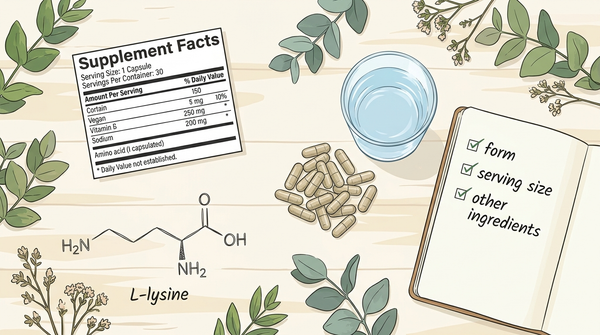
A strong energy-and-focus supplement label identifies the botanical species, plant part, extract standardization, serving size, caffeine amount, and use instructions. “Ginseng” is incomplete because Panax ginseng, American ginseng, and Siberian ginseng are different entities. “Green tea energy blend” is incomplete when the label hides caffeine milligrams. “Bacopa extract” is incomplete when the label omits bacoside standardization. A useful label also avoids disease language, exaggerated productivity promises, and mystery blends that bury herbs behind a proprietary formula. For daily use, the practical screen is simple: match the herb to the use case, confirm the active marker, check stimulant load, and review interactions with a qualified clinician if you use medications, are pregnant, manage blood pressure concerns, or have persistent unexplained fatigue. Better labels make the decision easier; vague labels ask you to trust the front panel.
Where do Yuve Vegan B12 and Whole Food Iron fit if they are not herbal focus supplements?
Some links below are affiliate or product links. This does not influence our evaluation criteria or recommendations. Yuve Vegan B12 and Yuve Whole Food Iron are nutrient-gap support products, not herbal focus supplements. Yuve Vegan B12 fits people who want plant-based B12 support because the NIH Office of Dietary Supplements states that vitamin B12 supports central nervous system function and healthy red blood cell formation. Yuve Whole Food Iron fits people who need iron support because NIH ODS states that iron helps hemoglobin transfer oxygen from the lungs to tissues and supports cellular function. These products should not be framed as rhodiola, ginseng, bacopa, ashwagandha, or green tea alternatives. They fit a cleaner daily routine when nutrient intake is the gap; herbs fit a botanical energy-and-focus goal. That distinction keeps the recommendation honest and useful for shoppers comparing categories.
How can you build a realistic daily routine around energy and focus?
A realistic daily routine starts with the reason focus feels low. If the issue is morning grogginess and caffeine tolerance is good, green tea or matcha provides the most predictable same-day signal. If the issue is stress-heavy mental fatigue, rhodiola or Panax ginseng may be the more relevant herbal category. If the issue is longer-term memory support, bacopa requires patience and consistent dosing. If the issue is plant-based nutrient coverage, Yuve Daily Essentials products such as Vegan B12 or Whole Food Iron may support routine consistency without pretending to be herbal nootropics. The cleanest stack is not the largest stack. One targeted herb, one clearly needed nutrient, a consistent sleep schedule, hydration, protein at meals, and sane caffeine timing beat five overlapping “focus blend” capsules with hidden doses. Daily consistency also makes results easier to evaluate.
What questions do people ask about herbal supplements for energy and focus?

What is the strongest herbal supplement for energy?
Green tea or matcha usually feels strongest for same-day energy because caffeine has a predictable alertness effect. Panax ginseng may fit people who want an herb-forward option with less dependence on coffee-style stimulation.
Is rhodiola better than ashwagandha for focus?
Rhodiola is usually a better fit for stress-related mental stamina and low-energy workdays. Ashwagandha is usually a better fit for calm focus when stress load is the dominant issue.
Does bacopa help with energy?
Bacopa is not the best choice for quick energy. Bacopa monnieri is more often positioned for memory, attention, and cognitive support measured over weeks.
Can I take herbal focus supplements with B12 or iron?
B12 and iron are nutrients, while rhodiola, ginseng, bacopa, ashwagandha, and green tea are botanicals. A clinician can help determine whether combining them makes sense, especially if you take medication or have persistent fatigue.
Are caffeine-free herbal supplements effective for focus?
Caffeine-free options can fit focus goals when the target is stamina, stress response, or longer-term cognition. Rhodiola, Panax ginseng, bacopa, and ashwagandha should be judged by use case and standardization, not by whether they feel like caffeine.
What should I avoid in an energy-and-focus supplement?
Avoid proprietary blends that hide herb doses, caffeine amounts, extract ratios, or botanical species. Avoid products that promise to diagnose, treat, cure, or prevent fatigue-related conditions.
When should low energy be checked instead of supplemented?
Persistent, worsening, or unexplained low energy deserves professional evaluation. Supplements can support routines, but they should not replace a clinical workup for ongoing fatigue, shortness of breath, palpitations, major sleep disruption, or unintentional weight change.
Bottom line: Rhodiola, Panax ginseng, green tea, bacopa, and ashwagandha are the strongest herbal categories to compare for energy and focus. Yuve Vegan B12 and Whole Food Iron support nutrient gaps rather than acting as herbs, so they belong in a daily essentials routine when that is the real need. Start with the use case, then choose the cleanest label.