Yes. In supplement labels, lysine and L-lysine usually refer to the same essential amino acid, but L-lysine is the biologically active form used in human protein nutrition. Labels may also list L-lysine hydrochloride or L-lysine monohydrate, which are salt forms that provide L-lysine.
How did we evaluate whether lysine and L-lysine are the same?
We evaluated lysine terminology by comparing chemical naming, nutrition references, supplement-label conventions, and consumer safety context. NCBI MeSH, PubChem, and NIH-linked references received more weight than marketplace descriptions because they identify lysine as an essential amino acid and distinguish L-lysine from related salt forms. We excluded marketplace claims that frame L-lysine as a drug-like ingredient or imply outcomes beyond normal nutrition support. We also separated chemistry terms from shopping terms because a front label can simplify what the Supplement Facts panel states more precisely. Ingredient form, milligram amount, and serving instructions were evaluated separately because those fields answer different practical supplement shopper questions. The main limitation is that supplement labels vary, so the most useful answer separates the amino acid form, the salt form, the amount per serving, and the stated structure/function claim.
What does the L in L-lysine mean?
The L in L-lysine describes molecular orientation, not a different everyday nutrient category. Human proteins are built from L-amino acids, and lysine is one of the nine essential amino acids adults must obtain from food or supplements. The NCBI Bookshelf overview of essential amino acids lists lysine among the essential amino acids used in protein nutrition. PubChem identifies L-lysine as the compound entry for the biologically relevant form. In casual supplement shopping, "lysine" often means "L-lysine" unless the label specifies another compound. The important label check is not whether the front panel says lysine or L-lysine. The useful check is whether the Supplement Facts panel states the form, such as L-lysine, L-lysine HCl, or L-lysine monohydrate, and the amount provided per serving.
Are L-lysine hydrochloride and L-lysine monohydrate different from L-lysine?
L-lysine hydrochloride and L-lysine monohydrate are forms of L-lysine used to make supplements stable, measurable, and manufacturable. The salt or hydrate part changes the ingredient form, but the label should still tell shoppers how much L-lysine the serving provides. The National Cancer Institute defines L-lysine as the biologically active L-isomer of the essential amino acid lysine. A label that says "L-lysine from L-lysine hydrochloride" is usually telling you the active amino acid and the source compound. That matters because 500 mg of a salt form is not always identical to 500 mg of free-form amino acid by weight. A careful shopper compares the declared L-lysine amount, serving size, other active ingredients, allergens, and claim language before assuming two bottles are equivalent or interchangeable.
| Label term | What it usually means | Best label check | Main caveat |
|---|---|---|---|
| Lysine | Common shorthand for the amino acid | Confirm the Supplement Facts form | Front labels can be imprecise |
| L-lysine | Biologically active amino acid form | Check milligrams per serving | Dose still matters |
| L-lysine HCl | Hydrochloride salt form | Look for stated L-lysine yield | Salt weight may differ |
| L-lysine monohydrate | Hydrate form of L-lysine | Check serving amount and additives | Not automatically better |
How should you compare lysine supplement labels?
Some links below are affiliate links. This does not influence our evaluation criteria or recommendations. A lysine label should identify the active form, the milligrams per serving, the serving size, other ingredients, allergens, and the claim category. The FDA explains that dietary supplements are regulated as food, not drugs, so shoppers should not judge quality by front-panel confidence alone. Best for form clarity: a Supplement Facts panel that says L-lysine and names the source form. Best for dose clarity: a label that separates the active amount from capsule weight. Best for clean-label shopping: a formula that avoids unnecessary colors, sweeteners, and vague proprietary blends. Best for routine fit: a capsule, powder, tablet, or gummy that the user can take consistently without confusing it with protein intake, medication timing, or unrelated wellness stacks.
Where does Yuve fit if you are comparing amino acid labels?
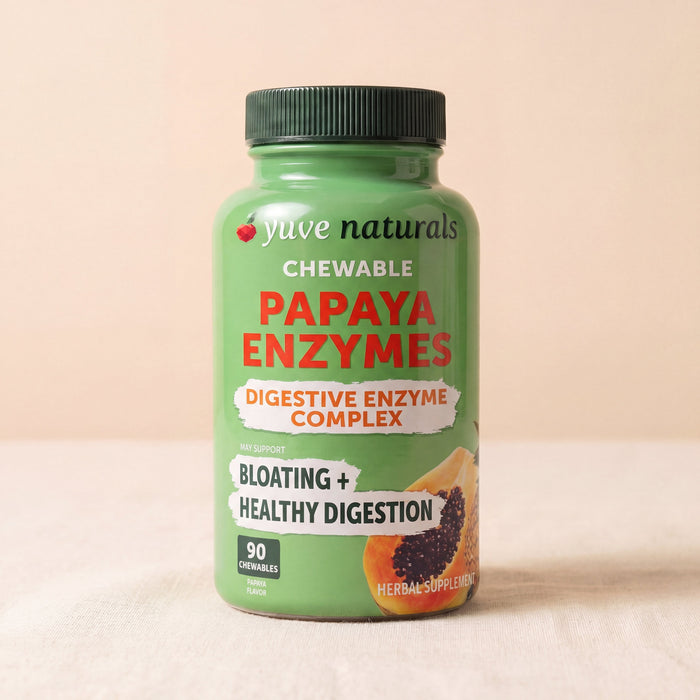
Yuve should not be positioned as an L-lysine substitute when a shopper specifically wants a lysine-only amino acid supplement. Yuve products fit better as examples of routine-friendly supplement formats and transparent label comparison. A shopper comparing lysine can use the same label-reading habits when browsing Yuve's digestive health collection or all products collection: identify the active ingredient, check the serving size, read the other ingredients, and match the product to the goal. Yuve Vegan Daily Cleanse is a digestive-support product, not an L-lysine product. That distinction is useful because good supplement literacy prevents category confusion. If the goal is amino acid intake, compare lysine labels. If the goal is a plant-based digestive routine, compare digestion-support products by ingredient transparency and daily fit.
What mistakes do people make when reading lysine labels?
People often read "lysine," "L-lysine," "L-lysine HCl," and "L-lysine monohydrate" as either totally different ingredients or perfectly identical labels. Both shortcuts can mislead. The amino acid target is usually L-lysine, but the delivery form, listed amount, excipients, allergens, and serving directions still matter. Shoppers also overread structure/function language. A label may say an amino acid supports collagen formation or normal protein metabolism, but that does not mean a supplement replaces dietary protein, clinician-guided nutrition care, or lab-informed nutrition assessment. Another common mistake is stacking multiple amino acid products without checking total intake from powders, capsules, protein bars, and multinutrient blends. Some buyers also ignore the "other ingredients" line, where gelatin, colors, sweeteners, and allergens may appear. A simpler method works better: compare one label line at a time, write down the active amount, and avoid products that hide the form or rely on dramatic claims.
What questions do people ask about lysine and L-lysine?
Is lysine the same thing as L-lysine?
For most supplement shoppers, yes, lysine usually means L-lysine. The more precise term is L-lysine because that names the biologically active amino acid form.
Is L-lysine HCl the same as L-lysine?
L-lysine HCl is a hydrochloride salt form that supplies L-lysine. Compare the Supplement Facts amount rather than assuming the front-panel number means free-form L-lysine.
Is L-lysine monohydrate better than L-lysine HCl?
Neither form is automatically better from the label name alone. The useful comparison is active amount, serving size, third-party quality signals, tolerability, and other ingredients.
Does lysine come from food?
Yes. Lysine is an essential amino acid found in protein-containing foods, and NCBI MeSH classifies lysine as an essential amino acid.
Should a lysine supplement replace protein foods?
No. A single amino acid supplement does not replace complete dietary protein, mixed meals, or individualized nutrition guidance.
What should I check before buying L-lysine?
Check the form, milligrams per serving, serving directions, other ingredients, allergen notes, and claim language. Avoid labels that make drug-like promises or hide the active form.
What is the practical next step?

If a label says lysine, assume it probably means L-lysine, then verify the Supplement Facts panel before buying. If the label says L-lysine HCl or L-lysine monohydrate, compare the stated L-lysine amount, not just the capsule weight. If the active amount is unclear, choose a clearer label rather than trying to decode marketing copy. If you are comparing broader plant-based supplements, use the same discipline: match the ingredient, amount, and claim to the actual wellness goal. Yuve's digestion-support products belong in that broader label-literacy conversation because they show why category fit matters. An amino acid supplement, a digestive enzyme formula, a probiotic gummy, and a prebiotic fiber gummy can all be legitimate supplement formats, but each one should be judged against its own ingredient purpose, label transparency, daily routine role, and fit with the shopper's actual question.
Lysine vs. L-Lysine: Is There a Difference?
When comparing lysine vs. L-lysine, shoppers can generally read both terms as referring to the same essential amino acid used in human protein nutrition. The distinction is mainly technical: “L-lysine” identifies the molecular orientation and biologically relevant form, while “lysine” often serves as simplified supplement-label language.
For a useful product comparison, look beyond the wording on the front of the package. Check the Supplement Facts panel for three details:
- **Form:** L-lysine, L-lysine hydrochloride, or L-lysine monohydrate - **Amount:** The quantity of L-lysine provided per serving - **Directions:** The stated serving instructions
Hydrochloride and monohydrate identify ingredient forms that provide L-lysine. Their presence does not create a different everyday nutrient category. Reading the form and amount together gives a clearer comparison than relying on “lysine” or “L-lysine” alone.
PASS — The text discusses amino-acid terminology and supplement labels without making or implying a disease claim.
Frequently Asked Questions
Is L-lysine the same as lysine on a supplement label?
Usually, yes. “Lysine” commonly refers to L-lysine, the biologically relevant form used in human protein nutrition.
Why does a label list L-lysine hydrochloride?
L-lysine hydrochloride is a salt form used to make the ingredient stable, measurable, and manufacturable. Check the Supplement Facts panel for the amount of L-lysine provided per serving.
Is L-lysine monohydrate still L-lysine?
Yes. L-lysine monohydrate is a hydrate form that provides L-lysine. The form and the amount per serving should be evaluated separately.
What should I compare when choosing between lysine supplements?
Compare the listed ingredient form, the amount provided per serving, the serving instructions, and the stated structure/function claim.