Somewhere around 3 months postpartum, many parents notice a strange shift. The raw survival mode of the early weeks starts to soften, but instead of feeling fully “back,” you may find yourself standing in the kitchen, reheating the same coffee for the third time, wondering why your body still feels unfamiliar and why your emotions can swing so fast.
That mix of relief, confusion, pride, and exhaustion is common. You're not doing anything wrong. You're in a real transition point, and it helps to understand both what's happening and why.
Welcome to 3 Months Postpartum The Fog is Lifting Now What
At this point, your baby may be smiling at you more, staying awake longer, and starting to feel less like a tiny mystery and more like a little person. At the same time, your own needs can start getting louder. You may notice pelvic heaviness on a walk, a wave of sadness you didn't expect, or a sudden panic when your hair starts coming out in the shower.
A lot of parents think recovery should be mostly done by now. It usually isn't. If you need a reassuring reminder that healing takes longer than the standard six-week checkup suggests, this guide on how long postpartum recovery really takes gives helpful context.
Big picture: 3 months postpartum often feels easier and harder at the same time.
You may be more confident with diaper changes and feeding cues, yet more aware of the parts of recovery that are still unfinished. That doesn't mean you're falling behind. It means the fourth trimester is giving way to a new phase, one where your body, mood, routines, and identity are all still adjusting.
What to Expect From Your Body Now
Your body at 3 months postpartum can feel contradictory. One day you think, “Okay, I'm getting stronger.” The next day you sneeze and immediately regret every life choice.
That kind of back-and-forth is frustrating, but it's also common.

Hair loss can start now
Many parents are startled by postpartum hair shedding around this stage. You might see more hair in the brush, on your shirt, or wrapped around your wrist after a shower.
This can feel dramatic, but it often reflects a shift after pregnancy rather than damage. During pregnancy, many hairs stay in a longer growing phase. Later, more of them shed around the same time. It can look alarming even when it's temporary.
A few gentle ways to cope:
- Use soft handling: Choose a wide-tooth comb, looser hairstyles, and avoid tight buns if your scalp feels tender.
- Watch for the mental spiral: Hair loss can feel personal. It helps to remember that shedding is often part of postpartum adjustment, not proof that you're “falling apart.”
- Bring up concerns if needed: If shedding feels extreme or you have other symptoms that worry you, ask your clinician for guidance.
Your pelvic floor may speak up more loudly
This is the stage when some symptoms become more obvious because you're moving more. According to Aeroflow's postpartum guide, vaginal births can cause a 20-30% reduction in pelvic floor muscle strength, and targeted Kegels done as 3 sets of 10 daily can help achieve over 70% strength recovery by 6 months (Aeroflow postpartum guide).
That helps explain why leaking with a cough, pressure with standing, or a heavy feeling after a stroller walk can show up now.
Try this simple starting point:
- Exhale first: Breathe out gently as you lift your pelvic floor.
- Think lift, not clench: Imagine drawing upward rather than squeezing everything hard.
- Relax fully between reps: The release matters too.
- Stop if it increases pressure or pain: More effort isn't always better.
A scary sneeze doesn't mean your body is broken. It means your muscles may need retraining.
Your core may still feel disconnected
Some parents notice doming through the abdomen, weakness when getting out of bed, or a general sense that their center isn't “online” yet. That can be related to abdominal separation after pregnancy.
A safe at-home check is less important than how you function. If rolling up feels hard, your back aches after carrying the baby, or exercise makes your belly push outward, that's a good reason to ask for a postpartum physical therapy evaluation.
And if breastfeeding has changed your chest shape or comfort, a proper bra fit can make a bigger difference than many parents expect. This nursing bra fitting guide is useful if your old size suddenly makes no sense.
Your Emotional Health and The Hormone Rollercoaster
You finally get the baby down, sit on the couch, and instead of relief, you feel teary, restless, or strangely on edge. That experience can be unsettling at 3 months postpartum, especially when other people expect you to be “settled in” by now.
For many parents, this is the point when the fog starts to lift just enough to notice how depleted they feel. Early adrenaline fades. Help from visitors often drops off. Broken sleep keeps stacking up. Your hormones are still adjusting to a very different postpartum pattern, especially if you are breastfeeding.

Science Corner why your mood can feel so uneven
Your brain and body are still doing a lot of behind-the-scenes regulation. Prolactin stays higher to support milk production. Estrogen often remains lower than it was before pregnancy. Add fragmented sleep, and your stress system can start acting like a smoke alarm set too sensitively. Small stressors feel bigger. Recovery takes longer. Emotions can swing faster than usual.
A postpartum recovery guide explains that high prolactin and low estrogen can affect the HPA axis, and that sleep debt averaging 4 to 5 fragmented hours a night can raise evening cortisol by 30 to 50 percent (postpartum recovery plan months 3 to 6). In real life, that can show up as:
- irritability that seems to come out of nowhere
- crying over things you would normally brush off
- anxiety that gets louder at night
- brain fog that makes simple tasks feel oddly hard
- feeling exhausted and overstimulated at the same time
If that “tired but wired” feeling sounds familiar, this article on what causes brain fog and fatigue explains some of the everyday patterns behind it in simple language.
Mood can also be influenced by nutrition, blood sugar swings, and nutrient depletion, which is one reason postpartum mental health care works best when it treats the whole person. If meal planning feels impossible right now, even a simple structure like Meal Plan - Pregnancy can give you ideas you can adapt for postpartum, including plant-based meals that are easier to grab between feeds.
Baby blues or something more
Brief emotional ups and downs are common in the early postpartum period. Ongoing sadness, dread, numbness, or anxiety that starts affecting your ability to function deserves closer attention.
Postpartum depression and postpartum anxiety are common, and they do not always look like constant crying. Sometimes they look like anger, panic, trouble sleeping even when the baby sleeps, a flat feeling, or a sense that you are going through the motions without really being present.
Some signs to take seriously:
- Persistent sadness: Low mood sticks around most days.
- Loss of interest: Things that usually help you feel better no longer do much.
- High anxiety: Worry feels relentless or hard to control.
- Disconnection: You feel far away from yourself, your baby, or both.
- Scary thoughts: Any thought of harming yourself or your baby needs urgent support.
Asking for help is a health skill.
If any of this sounds familiar, you do not need to wait until it gets worse. Tell your OB, midwife, primary care clinician, or your baby's pediatrician. Postpartum mental health conditions are treatable, and support can include therapy, support groups, medication, better sleep planning, and nutrition support that fits a vegan or plant-based lifestyle.
How to Nourish Yourself for Energy and Healing
At 3 months postpartum, food can feel oddly complicated. You're hungry, but busy. Tired, but too overstimulated to decide what to eat. You may be trying to feed a baby while forgetting to feed yourself.
Your body still needs steady support. This isn't about “bouncing back.” It's about giving your body enough to repair, regulate, and keep going.
Think fuel first, perfection second
A lot of postpartum nutrition advice becomes stressful because it sounds like homework. Real life usually looks more like one-handed snacks, reheated leftovers, and eating while the baby contact naps.
That's okay. A helpful postpartum plate is often simple:
- Something with protein: beans, tofu, lentils, soy yogurt, nut butter
- Something with color: fruit, cooked greens, carrots, peppers
- Something satisfying: oats, rice, potatoes, whole grain toast
- Something easy to grab: trail mix, hummus, smoothies, soup
Practical rule: if a meal has protein, carbs, and a little fat, it's doing real work for recovery.
If you eat vegan or mostly plant-based, it can help to be more intentional about iron, vitamin B12, vitamin D, and omega-3 intake. You don't need a flawless menu. You do need consistency.
A gentle way to make food easier
One thing I've seen again and again is that postpartum parents do better when they lower the decision load around eating. Keep a short list of repeating meals. Buy the same easy staples. Rotate a few breakfasts and lunches that don't require motivation.
If planning meals feels impossible right now, this simple Meal Plan - Pregnancy tool can spark ideas you can adapt for the postpartum season too.
You might also find that your energy improves when you stop skipping meals and start eating earlier in the day. That sounds basic because it is basic, and it still matters.
Gut comfort matters too
Postpartum digestion can feel off. Constipation, bloating, and irregular hunger can make recovery feel heavier.
A few habits that often help:
| Support area | What to try |
|---|---|
| Hydration | Keep water where you feed the baby, not just in the kitchen |
| Fiber | Add fruit, oats, beans, chia, or cooked vegetables gradually |
| Gentle meals | Warm foods like soup, oatmeal, and rice bowls can be easier on tired digestion |
| Routine | Eating at roughly predictable times can help your body settle |
For more realistic ideas, this guide on how to boost energy levels naturally has practical habits that fit into an already-full day.
A note from one tired parent to another
Many parents carry quiet guilt around eating well after birth. They'll make careful choices for the baby and then run on crackers themselves.
Please don't treat your own nourishment like an extra credit task. It's part of postpartum care.
Your Baby's Amazing Development at 3 Months
This stage brings some of the sweetest rewards. Your baby may still cry plenty and keep odd hours, but now you also get little flashes of connection that can melt you on the spot.
A real smile. A surprised coo. That look of recognition when they lock onto your face.
Here's a quick visual guide to some common moments parents notice around now.

The fun stuff gets louder
At 3 months, many babies seem more awake to the world. You may notice:
- Social smiles: They respond to your face or voice in a more intentional way.
- Cooing: Little vowel sounds and happy gurgles start showing up.
- Better head control: Tummy time may look stronger than it did a few weeks ago.
- Reaching and grasping: Hands become more interesting, and toys start getting attention.
These shifts can make everyday routines feel more interactive. Diaper changes become mini conversations. Feeding includes eye contact and pauses. You start seeing personality peek through.
A short video can make these milestones easier to picture in real life.
What helps development without turning life into a checklist
You do not need a packed schedule of enrichment activities. Babies this age learn through simple, repeated experiences.
Try:
- Face time: Let them study your expressions up close.
- Talking through your day: Narrate diaper changes, laundry, or a walk outside.
- Short tummy time sessions: A little at a time still counts.
- Gentle play: Songs, mirrors, and soft toys go a long way.
Your baby doesn't need constant entertainment. They need connection, repetition, and room to practice.
Navigating Sleep Feeding and Finding a Rhythm
This is the part every parent wants the answer to. Are they supposed to be sleeping more by now? Feeding less? Acting more predictable?
Sometimes yes. Often not.
At 3 months postpartum, many families are still living in a rhythm that feels more like waves than a tidy schedule. That can be normal, even when it's exhausting.
Sleep and feeding affect each other
When nights are rough, everything gets harder. Your patience gets thinner. Feeding can feel more stressful. Small problems feel huge at 2 a.m.
Maternal mental health also affects the feeding experience in real ways. In a prospective cohort study of 1,507 Australian first-time mothers, 76% were still breastfeeding at 3 months postpartum, dropping to 61% by 6 months, and mothers with depressive symptoms at 3 months had lower breastfeeding rates at 6 months, 49% versus 61%, adjusted OR 0.55 (95% CI 0.34-0.90) (prospective cohort study on postpartum depressive symptoms and breastfeeding).
That doesn't mean feeding problems are your fault if you're struggling emotionally. It means support for mood and support for feeding should happen together.
What rhythm can look like right now
Some babies start giving longer stretches. Others still wake often. Some feed quickly and efficiently. Others get distracted, snacky, or fussy.
A flexible rhythm usually works better than a rigid schedule:
- Anchor the morning: Open curtains, feed, and talk to your baby so the day has a clear start.
- Keep evenings simpler: Dim lights and reduce stimulation when possible.
- Notice patterns, not perfection: Track rough windows rather than exact times.
- Share what you can: If another adult can handle part of the routine, let them.
If feeding and tummy discomfort seem linked for your little one, these baby probiotic drops may be useful to read about with your pediatrician's guidance.
Give yourself a lower bar for “good sleep”
Good sleep in this season might mean a better first stretch, one successful transfer to the crib, or a night where you got back to sleep faster.
That counts. Progress doesn't have to look dramatic to matter.
Gently Returning to Exercise and Work
The pressure to “get back” can show up hard around 3 months postpartum. Back to movement. Back to productivity. Back to your old clothes, old pace, old self.
I don't think that mindset helps most parents.
Movement should feel supportive
At this stage, think rebuilding, not proving. Walking, gentle mobility work, and postpartum core or pelvic floor exercises are often a better fit than jumping straight into intense workouts.
A simple check before and after movement helps:
- During the activity: Do you feel pressure, leaking, pain, or heaviness?
- Later that day: Does your body feel worked in a good way, or more irritated?
- The next morning: Are symptoms calm, or did they flare up?
If symptoms increase, scale back and ask a qualified clinician for help. You're not lazy. You're gathering data.
Returning to work is physical and emotional
Going back to work can stir up grief, relief, anxiety, and logistical chaos all at once. It can also expose how unfinished postpartum recovery still feels.
A few things that make the transition smoother:
- Practice the routine early: Try the morning flow before the actual first day.
- Simplify decisions: Prep clothes, food, bottles, or pumping supplies the night before.
- Expect feelings: Even a wanted return can feel hard.
- Leave margin: The first weeks usually need more flexibility than you think.
You do not have to crush this transition. You just have to move through it one piece at a time.
Your Postpartum Toolkit When to Seek Help and Key Resources
Three months postpartum can look strangely ordinary from the outside. You might be answering texts, washing bottles, maybe even working again. At the same time, your body may still feel unfamiliar, your moods may still swing, and small problems can get brushed off because everyone assumes the hard part is over.
It often is not over. It is changing shape.
That is why a postpartum toolkit helps. It gives you a short list of signs to take seriously, the right kind of support to call on, and a reminder that symptoms usually make more sense once you connect them to the why. Ongoing bleeding, pelvic pressure, anxiety, low mood, feeding stress, and exhaustion are not random personal failures. They can reflect healing tissues, shifting hormones, sleep loss, nutrient depletion, or a mismatch between what your body needs and what your day allows.

Red flags for you
Contact a healthcare professional promptly if you notice any of the following:
- Heavy bleeding: Bleeding that suddenly gets heavier, returns after easing, or feels concerning to you
- Fever or feeling acutely unwell: Especially if you also have pain, breast redness, pelvic tenderness, or unusual discharge
- Pelvic pain or strong pressure: Symptoms that make walking, lifting, sex, or daily tasks hard
- Ongoing bladder or bowel symptoms: Leaking, urgency, constipation, or pain that is not improving
- Mental health warning signs: Depression, panic, rage, severe anxiety, or intrusive thoughts that keep sticking
- Any thoughts of self-harm or harming your baby: Get urgent help right away
A useful rule is this: if a symptom is getting stronger instead of softer, or if it is making daily life harder instead of easier, it deserves attention.
Red flags for baby
Call your pediatrician if your baby is hard to wake, feeds poorly, has fewer wet diapers than usual, develops a fever, or seems less responsive than normal. You do not need a perfect explanation before you reach out. Parents often notice a shift before they can put it into words.
Keep these supports handy
A small, realistic toolkit can include:
- Postpartum Support International: For mental health support, local resources, and support groups
- La Leche League: For breastfeeding help and troubleshooting
- Pelvic floor physical therapist: For leaking, pressure, pain, painful sex, or core recovery concerns
- Primary care or OB clinician: For symptoms that continue beyond the standard postpartum visit
- A simple food backup plan: Easy vegan meals or snacks with protein, iron, and fluids for days when you are running on fumes
- One trusted contact: A friend, partner, family member, or neighbor you can text when you need help fast
You never need to earn support by getting worse first.
You are still healing. Your baby is still changing quickly. Your routines, nutrient needs, and hormones may still be settling. If this season feels more layered than you expected, that does not mean you are doing it wrong. It means postpartum is a whole-body transition, and getting help is part of good care.
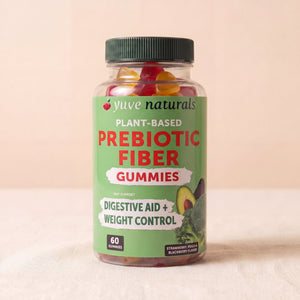
If you want extra support for energy, gut health, and everyday wellness during the postpartum season, take a look at Yuve. Their plant-based supplements fit well into busy routines, especially if you're trying to care for yourself in simple, realistic ways.