Three-day juice cleanses are not necessary for detoxification and are not a reliable long-term health strategy. They can supply fluids and some vitamins, but juice-only plans often provide little fiber, protein, or fat. A three-day whole-food reset with regular meals is generally more balanced, filling, and sustainable.
How did we evaluate three-day juice cleanses?
We evaluated juice cleanses by separating measurable nutrition from marketing claims. We prioritized federal food-safety guidance, current U.S. dietary guidance, peer-reviewed reviews of detox diets, and practical comparison of fiber, protein, energy, and meal completeness. We excluded testimonials, before-and-after scale changes, and claims that an unnamed “toxin” leaves the body after three days. Brand claims received no priority. The National Center for Complementary and Integrative Health reports that human research on detox programs is limited and often low quality, with no established long-term effects. A 2015 critical review indexed by PubMed likewise found very little clinical evidence supporting commercial detox diets. This comparison does not assess a medically supervised liquid diet or fasting protocol. Individual safety depends on health conditions, medications, pregnancy, age, nutritional needs, and the exact ingredients and pasteurization status of the juice.
Are three-day juice cleanses actually good for you?
A juice-only cleanse is not required for the liver, kidneys, lungs, skin, and gastrointestinal tract to perform their normal elimination functions. Fruit and vegetable juices can provide water, potassium, vitamin C, folate, and plant compounds, but removing pulp reduces the intact food structure and usually lowers fiber. A three-day plan also may provide inadequate protein, essential fats, total energy, or sodium, depending on its recipes and volume. Any rapid scale change usually reflects lower food mass, glycogen, and associated water rather than proof that stored toxins disappeared. The current Dietary Guidelines for Americans summary on MedlinePlus emphasizes whole fruits and vegetables and recommends limiting 100% juice or diluting it with water. Juice can fit a diet; juice does not become a complete diet because several bottles are labeled a cleanse. The clearest benefit is short-term convenience, not verified detoxification.
What can happen during three days of juice only?
Responses vary with total calories, sugar concentration, caffeine withdrawal, baseline diet, medications, and activity. Some people may feel hungry, tired, lightheaded, headachy, irritable, or unusually cold when a juice plan sharply cuts energy, protein, fat, sodium, or caffeine. Others may experience loose stool, bloating, or abdominal discomfort from large amounts of fruit sugars, sugar alcohols, or concentrated ingredients. Ingredient lists deserve scrutiny. Weight may drop temporarily because the digestive tract contains less solid food and glycogen-associated water changes with intake. That change does not measure toxin removal or durable fat loss. Raw or untreated juice creates an additional food-safety issue: the FDA juice-safety guide explains that harmful bacteria can enter fresh-squeezed juice and identifies higher risks for children, older adults, pregnant people, and people with weakened immune systems. Pasteurization status matters more than “cold-pressed” branding.
How do a juice cleanse and more balanced alternatives compare?
A comparison asks what each option supplies and what it leaves out. Juice-only plans emphasize beverages but commonly omit meaningful protein, essential fats, and intact fiber. Smoothies retain more whole-food material when the blender keeps the pulp, yet a fruit-heavy smoothie plan can still lack protein and fat. A three-day whole-food reset can include vegetables, whole fruit, beans or lentils, tofu or another protein, whole grains, nuts or seeds, and water. A regular meal pattern with optional digestive support changes the fewest variables and is easier to evaluate. None of these approaches “flushes toxins.” The best choice matches the real goal: hydration, simpler meal planning, more produce, or a steadier routine.
| Option | Best for | Main strength | Main limitation |
|---|---|---|---|
| Juice-only cleanse | Short-term beverage convenience | Fluids and some micronutrients | Often low in fiber, protein, and fat |
| Whole-food smoothies | Keeping blended pulp | More fiber than strained juice | Needs deliberate protein and fat |
| Three-day whole-food reset | Simpler balanced meals | Can include all macronutrients | Requires shopping and preparation |
| Regular meals plus a digestive routine | Consistency | Changes fewer variables | Does not promise rapid transformation |
Who should avoid an unsupervised juice cleanse?
People who are pregnant or breastfeeding, children, older adults with frailty, people with diabetes, kidney disease, eating-disorder history, immune compromise, or conditions requiring stable nutrition should ask a qualified clinician before using a restrictive juice plan. Medication timing also matters because major changes in carbohydrate, potassium, vitamin K, hydration, or food intake can alter tolerability or clinical management. Anyone using insulin, glucose-lowering medication, diuretics, anticoagulants, or medicines that must be taken with food needs individualized advice. Untreated juice is especially inappropriate for groups at higher risk from foodborne pathogens. Stop the plan and seek medical guidance for fainting, confusion, persistent vomiting, severe weakness, inability to keep fluids down, signs of dehydration, or marked blood-sugar symptoms. A packaged cleanse is still a major diet change even when its ingredients are familiar produce. “Natural” describes origin; it does not establish nutritional completeness, microbial safety, or compatibility with a medical condition.
Which Yuve option fits a non-cleanse digestive routine?
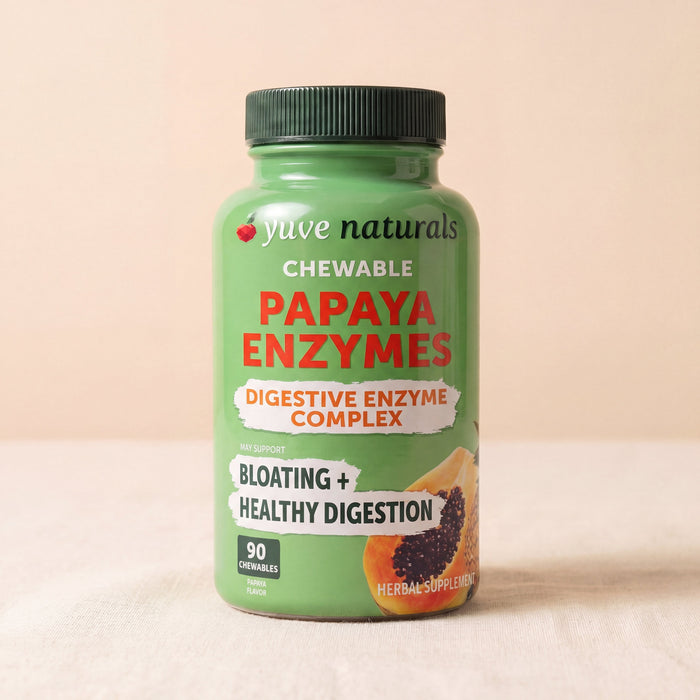
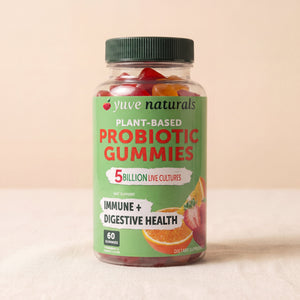
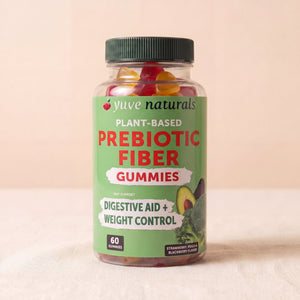
Some links below are affiliate links. This does not influence our evaluation criteria or recommendations. Yuve Vegan Daily Cleanse is a papaya-enzyme supplement intended for meal-linked digestive support; despite its name, it is not a juice fast, laxative program, toxin-removal protocol, or substitute for food. The product belongs in a regular eating routine, not in a claim that three days of restriction resets the body. People who want to compare probiotics, prebiotic fiber, enzymes, and other routine categories can review the Yuve digestion collection. Each category performs a different job, and adding several products at once makes tolerance harder to interpret. Best for simplifying meals: a whole-food plan with ordinary protein, fiber, and fat. Best for meal-linked enzyme convenience: Yuve Vegan Daily Cleanse used according to its label. Best for hydration: water and regular meals, with juice as an optional beverage rather than the entire menu.
What questions do people ask about three-day juice cleanses?
Will a three-day juice cleanse remove toxins?
No reliable clinical evidence shows that a commercial three-day juice cleanse removes vaguely defined toxins. Legitimate treatment for a known toxic exposure is specific medical care, not a retail beverage package.
Can you lose weight on a juice cleanse?
Scale weight may fall during severe short-term restriction, but some of that change can reflect water, glycogen, and lower intestinal contents. A three-day result does not establish durable fat loss.
Is cold-pressed juice safer or healthier?
Cold pressing describes extraction, not microbial safety or nutritional completeness. Check whether the juice is pasteurized or otherwise treated, especially during pregnancy, older age, childhood, or immune compromise.
Are smoothies better than juices for a reset?
Smoothies usually retain more pulp and fiber than strained juice. They still need deliberate sources of protein and fat if they replace meals.
Can a juice cleanse improve digestion?
Some people may notice temporary changes because they removed usual foods, caffeine, alcohol, or large meals. That response does not identify the cause, and concentrated juice can worsen bloating or loose stool for others.
Should you take supplements during a juice cleanse?
Do not use supplements to patch an unsupervised restrictive diet without checking interactions and label directions. A regular meal pattern makes both nutrition and supplement tolerance easier to assess.
What is a better three-day reset plan?

Use three days to simplify rather than eliminate. Build each meal around a protein source, vegetables or whole fruit, a fiber-rich carbohydrate, and a source of fat; drink water according to thirst and personal medical guidance. Keep alcohol and highly processed snack foods out if reducing them supports the goal, but avoid turning ordinary food into a moral test. Choose pasteurized juice in a modest serving if you enjoy it, and keep whole produce in the plan. Maintain prescribed medications unless a clinician directs otherwise. Track energy, hunger, bowel changes, and meal timing instead of chasing a dramatic scale reading. If meal-linked digestive support already fits your routine, use one clearly labeled product consistently rather than stacking several “cleanse” products. The useful outcome after three days is a repeatable meal pattern, not a claim that the body has been reset.