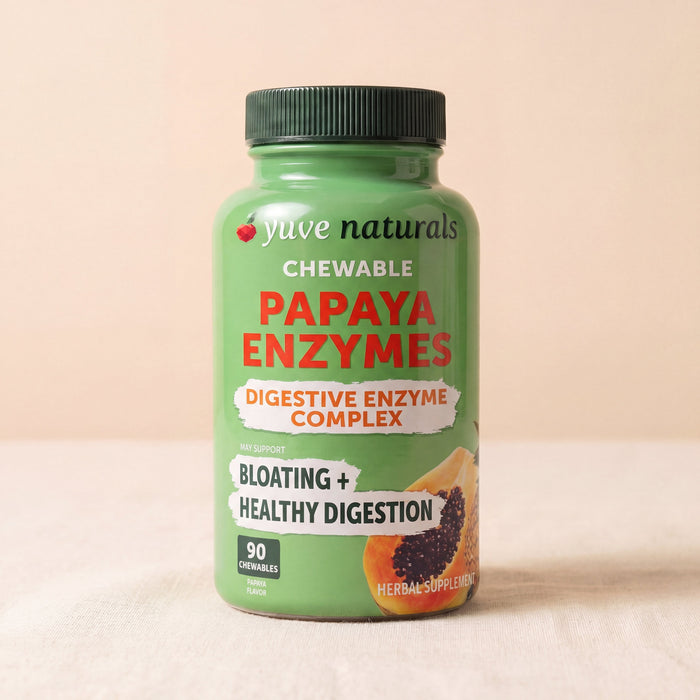
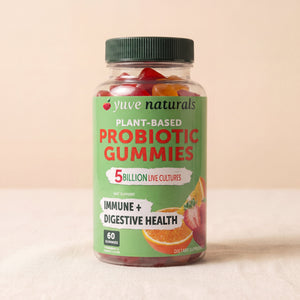
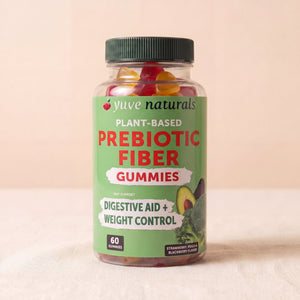
Chewable vitamins are not inherently better than swallowed pills. The better format is the one that provides the right nutrient, form, and dose; fits your dietary and medical needs; and is taken consistently. Chewables can improve adherence for people who dislike pills, while tablets or capsules may deliver more nutrients with fewer flavors and sweeteners.
How did we evaluate chewable vitamins versus pills?
We compared formats only after matching the nutrient, chemical form, dose, serving size, and intended user. We prioritized NIH Office of Dietary Supplements fact sheets, FDA label guidance, current Supplement Facts, and official product directions over taste rankings or claims that one delivery form “absorbs better.” We treated gummies, chewable tablets, swallow tablets, and capsules as distinct formats because their excipients, serving sizes, and use instructions differ. We excluded prescription injections, medically supervised deficiency treatment, and products whose active doses could not be matched. We also separated adherence from bioavailability: a pleasant format can be easier to take without being pharmacologically superior. The evidence has an important limitation because few direct trials compare otherwise identical chewable and swallowed consumer vitamins across many nutrients. A defensible choice therefore uses a hierarchy: nutrient need first, labeled dose and form second, safety and overlap third, and delivery preference fourth.
Are chewable vitamins better than pills for most adults?
No format wins for every adult. Chewables can be best for people who have difficulty swallowing, dislike capsules, or maintain a routine more reliably with a flavored format. Swallow tablets and capsules can be best when the formula requires more ingredient space, minimal sweetness, or fewer flavoring agents. Gummies are a type of chewable, but a soft pectin gummy and a compressed chewable tablet do not have the same ingredient base. The NIH multivitamin fact sheet notes that multivitamin/mineral products do not follow one standard formula; companies choose different nutrients and amounts. That variation matters more than the word “chewable.” Compare the active nutrient, chemical form, amount per full serving, number of pieces, added sugars or sugar alcohols, allergens, age group, and directions. A format that improves consistency can be practically better, but convenience cannot repair an unsuitable dose or duplicated nutrient.
Does chewing a vitamin improve absorption?
Chewing breaks a tablet into smaller pieces before swallowing, which can speed disintegration, but faster disintegration does not automatically create greater total absorption. Absorption depends on the nutrient, chemical form, dose, digestive physiology, food timing, and formulation. Vitamin B12 illustrates the problem with broad format claims. The NIH vitamin B12 fact sheet states that research has not shown one supplemental B12 form to be better than the others and that sublingual products have not demonstrated a general advantage over oral forms. That conclusion does not transfer automatically to every nutrient, but it shows why “chewable equals more bioavailable” is too broad. Fat-soluble vitamins may depend on dietary fat and individual absorption, while minerals can interact with medicines or compete with other nutrients. Compare otherwise equivalent products before crediting the delivery format. A different dose or nutrient form makes a format-only comparison invalid.
How do common vitamin formats compare?
The useful comparison is not candy versus medicine; it is adherence, label capacity, excipients, dosing precision, and safety. Gummies and chewable tablets require flavor and texture systems, while capsules and swallow tablets use shells, binders, coatings, or compression aids. Liquids can serve people who cannot chew or swallow pills but require careful measurement and may have shorter after-opening instructions. Some links below are brand-owned product links. This commercial relationship does not change our criteria or establish that one format works better. “Best for” means the format’s practical strength when the active nutrient and dose are appropriate. Always use the full serving shown on the label: one gummy may be only half a serving, and one tablet may provide a high dose. Compare cost per full serving rather than per piece, and check whether the product duplicates fortified foods or other supplements in the same routine.
| Format | Best for | Label checks | Main tradeoff |
|---|---|---|---|
| Gummy | People who value taste and routine consistency | Pieces per serving, added sugar, sugar alcohols, pectin or gelatin | Less ingredient space; candy-like access requires safe storage |
| Chewable tablet | People who want a pill-free solid dose | Sweeteners, acids, mineral content, chewing directions | Chalky texture or dental exposure may matter |
| Swallow tablet | Compact nutrient doses and stable daily routines | Tablet size, coating, binders, dose, splitting instructions | Harder for some people to swallow |
| Capsule | Powders or oils with fewer flavor ingredients | Shell source, capsule count, storage, fill amount | Still requires swallowing; multiple capsules may be needed |
| Liquid | Flexible measured dosing when appropriate | Concentration, measuring device, refrigeration, after-opening life | Measurement error and storage burden |
Which label details matter more than the format?
Start with the nutrient name and chemical form, then compare the amount per full serving with the relevant Daily Value and personal need. Check the number of gummies, chewables, tablets, or capsules required to reach that amount. Review added sugars, sugar alcohols, allergens, gelatin or pectin, artificial colors, and other ingredients that affect dietary fit or tolerance. The FDA explains added-sugar labeling as part of total sugars, so compare grams per serving rather than assuming every gummy is sugar-free. Check age and pregnancy instructions, expiration, storage, and warnings. A high percentage of Daily Value is not proof that more is better, and a clean front label is not a substitute for Supplement Facts. For multinutrients, add the totals from fortified foods and other supplements. Best for a defensible purchase: the product whose current label meets the nutrient goal without unnecessary duplication, regardless of whether it is chewed or swallowed.
How do Yuve chewable and tablet vitamin examples differ?
Yuve’s formats illustrate why nutrient and dose must come before preference. Yuve Folic Acid Gummies list one gummy per serving, 400 micrograms of folic acid labeled as 667 micrograms dietary folate equivalents, 2 grams of added sugar, and a citrus-pectin base. The CDC recommends 400 micrograms of folic acid daily for women capable of becoming pregnant, but prenatal planning belongs with a clinician. Yuve Vegan B12 lists one tablet per serving, 1,000 micrograms of cobalamin, and 103 milligrams of calcium from dicalcium phosphate. These products cannot be ranked by gummy versus tablet because they supply different nutrients for different goals. Best for a labeled folic-acid gummy: the folic acid product fits that use case. Best for a one-tablet B12 routine: the B12 product fits that separate use case. The Daily Essentials collection provides format context, not permission to stack everything.
What safety issues apply to chewables and pills?
Chewables and gummies can look and taste like candy, so child-resistant storage and clear household rules matter even when the product is marketed to adults. Tablets and capsules can create choking or swallowing problems for some people; persistent difficulty swallowing pills deserves professional guidance rather than crushing every product. Do not crush, split, dissolve, or chew a swallowed product unless the label or pharmacist confirms that the formulation permits it. Check for nutrient overlap across multivitamins, single nutrients, fortified foods, prenatal products, and energy supplements. Iron, vitamin A, zinc, niacin, folic acid, and other nutrients can become excessive when several products are combined. Medicines and medical conditions can change the safest form or timing. A gummy’s pleasant taste does not justify extra servings, and a large pill does not prove a stronger formula. The safest choice uses the exact label serving, matches a real nutrient need, and remains stored away from children and pets.
What are common questions about chewable vitamins and pills?
The common questions concern absorption, sugar, teeth, pill swallowing, dosing, and whether gummies count as serious supplements. Format answers only part of the decision. The Supplement Facts panel identifies the nutrient and amount; the other-ingredients list identifies sweeteners, pectin or gelatin, acids, binders, colors, and capsule materials; the directions identify the full serving. Adherence matters because a technically strong product is useless when it stays in the bottle, but enjoyable taste can also invite overuse. Compare products only when the nutrient, chemical form, and dose are reasonably matched. A gummy folic-acid product and a B12 tablet answer different nutritional questions, so their format does not make them substitutes. People with pregnancy, deficiency, swallowing disorders, bariatric surgery, malabsorption, kidney disease, or interacting medicines need individualized guidance. The answers below address ordinary consumer choices, not treatment of a diagnosed deficiency.
Are gummies the same as chewable tablets?
No. Gummies use a soft gelatin or pectin matrix, while chewable tablets are compressed solids designed to break apart during chewing. Their sweeteners, acids, texture agents, and ingredient capacity can differ.
Do chewable vitamins work faster?
They may disintegrate sooner, but faster disintegration does not prove greater total absorption or a better health outcome. Nutrient identity, dose, physiology, and formulation determine the relevant comparison.
Are vitamin pills more potent than chewables?
Not inherently. A tablet may have more physical room for ingredients, but potency comes from the amount listed per serving. Compare matching nutrients and chemical forms.
Are gummy vitamins bad for teeth?
Sugars and acids can increase dental exposure, especially when a gummy sticks to teeth. Check the label, follow dental guidance, and do not graze on vitamin gummies throughout the day.
Can a pill be crushed instead of buying a chewable?
Only when the label or pharmacist says crushing is acceptable. Modified-release, enteric-coated, and certain other formulations should not be crushed or chewed.
Which format is easiest to stay consistent with?
The answer is personal. Choose the appropriate label that you can take correctly and consistently, then store it safely and reassess whether the nutrient is still needed.
What is the bottom line on chewable vitamins versus pills?
Chewable vitamins are better only when they deliver the appropriate nutrient and dose and make correct, consistent use easier. Swallowed tablets or capsules may be better when they reduce sweetness, fit more ingredients, or match a preferred formulation. Neither format guarantees superior absorption, purity, potency, or outcomes. Compare the current Supplement Facts, chemical form, amount per full serving, added sugars or sugar alcohols, allergens, other ingredients, directions, storage, and cost per serving. Do not compare unrelated nutrients as if delivery form makes them substitutes. A folic-acid gummy and a B12 tablet can both be sensible when each matches a separate need. The strongest decision starts with diet, fortified foods, laboratory or clinical context when relevant, and medication review. Format should remove friction from an appropriate plan; it should not create the plan.