Probiotic gummies can be effective if they deliver live, strain-identified microbes at the listed amount through the end of shelf life. The key is not the gummy format alone. Effectiveness depends on strain, CFU count, storage stability, label transparency, and consistent use alongside fiber-rich foods.
TL;DR: Key takeaways
- Probiotic gummies work only when live cultures survive manufacturing, storage, and digestion.
- Strain names matter more than a large CFU number on the front label.
- Look for CFU count at expiration, not only “at time of manufacture.”
- Gummies are easier to take daily, but some include added sugar or vague blends.
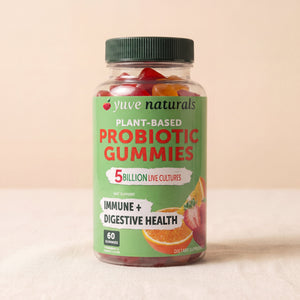
- Yuve’s Probiotic Gummies fit a plant-based, gelatin-free routine.
How did we evaluate probiotic gummies?
We evaluated probiotic gummies by prioritizing strain specificity, colony forming units, shelf-life labeling, storage instructions, and clean-label fit. Human evidence and scientific consensus statements were weighted above animal, test-tube, or brand-only claims. The International Scientific Association for Probiotics and Prebiotics defines probiotics as live microorganisms that confer a health benefit when administered in adequate amounts, a definition summarized in a consensus paper indexed by PubMed. We excluded claims that framed gummies as medicine because dietary supplements are regulated differently from drugs under FDA dietary supplement rules.
What are probiotic gummies?
Probiotic gummies are chewable dietary supplements that contain live microorganisms, usually bacteria from Lactobacillus, Bifidobacterium, Bacillus, or related genera. A probiotic gummy is different from a regular gummy vitamin because the active ingredient must remain alive in sufficient amounts until a person takes it. The label should identify the genus, species, and strain when possible, such as Lactobacillus rhamnosus GG or Bacillus coagulans GBI-30, 6086. A complete label also states CFU, which means colony forming units, and explains storage rules. Gummies can fit people who dislike capsules, but format convenience does not replace quality control. The National Center for Complementary and Integrative Health notes that probiotic effects vary by organism, dose, and health context, so shoppers should read labels carefully instead of assuming every probiotic product works the same way.

How do probiotic gummies work?
Probiotic gummies work by delivering live microorganisms to the digestive tract, where selected strains may help support gut flora balance and digestive comfort. The mouth, stomach acid, bile salts, and storage conditions all influence how many organisms remain viable. Some strains are naturally hardier, while other strains need protective manufacturing, moisture control, or refrigeration. The gummy matrix matters because water activity, heat exposure, and pH can affect microbial survival over time. Probiotic benefits are also strain-specific. Lactobacillus rhamnosus GG is not interchangeable with every Lactobacillus strain, and Bifidobacterium animalis subsp. lactis is not automatically the same as Bacillus coagulans. A gummy that lists only “probiotic blend” gives less useful information than a product that lists organisms clearly. Consistent daily use also matters because probiotics usually act as routine support rather than a one-time fix.
What are the benefits and uses of probiotic gummies?
Probiotic gummies may support everyday digestive wellness when the product contains appropriate live strains, adequate CFU, and clear storage guidance. Their biggest practical benefit is adherence. A person who avoids capsules may take a pleasant gummy more consistently, and consistency helps any daily supplement routine work as intended. Probiotic gummies may also support gut flora balance after routine disruptions such as travel, schedule changes, or lower-fiber eating patterns. Evidence remains strain-specific, not format-specific. A review on probiotics in the NIH Office of Dietary Supplements fact sheet explains that effects depend on strain, dose, and target outcome. Gummies also pair well with prebiotic fiber from foods such as oats, beans, lentils, onions, asparagus, and berries. Probiotics supply live organisms, while dietary fibers provide fermentable substrates that many beneficial microbes use.
How should you choose probiotic gummies?
Choose probiotic gummies by checking five label details before comparing flavor, price, or serving size. First, look for named probiotic organisms, ideally with strain codes, not only a generic “proprietary blend.” Second, check whether CFU is guaranteed through expiration, because shelf-life potency matters more than a high number at manufacture. Third, read storage instructions and follow them exactly. Our guide to how to store probiotics explains why heat, moisture, and light can affect viability. Fourth, review sweeteners, added sugar, gelatin, allergens, and color sources. Fifth, choose a format you can take consistently. A clean-label probiotic gummy should make the routine easier without hiding basic facts. Plant-based shoppers may prefer vegan, gelatin-free, gluten-free, soy-free, and non-GMO options that match their existing supplement standards.
What should you watch out for on the label?
Watch for vague probiotic labels, unrealistic promises, and storage instructions that do not match your routine. A label that says “contains probiotics” without genus, species, CFU amount, or serving size gives limited information. A label that lists CFU only at manufacturing may not tell you how many live organisms remain near expiration. Added sugar also matters because gummies vary widely in sweetener type and amount. Dietary supplement labels should include a Supplement Facts panel, serving size, ingredient list, manufacturer information, and required FDA disclaimer language. The FDA explains that dietary supplements are regulated as a category separate from drugs, so shoppers should not expect supplement labels to make drug-style claims. Stop using any product that smells unusual, changes texture significantly, or has passed its expiration date.
How do probiotic gummies compare with capsules and powders?
Probiotic gummies, capsules, and powders can all be useful, but each format has different tradeoffs. Gummies usually win on taste and habit fit. Capsules often offer higher strain variety or higher CFU per serving. Powders can work well for people who mix supplements into smoothies, but they may be less convenient during travel. The best format is the one that combines viable organisms, transparent labeling, clean ingredients, and repeatable use. Gummies are not automatically weaker, and capsules are not automatically better. The product details matter more than the delivery form. People who prioritize plant-based routines should also check whether capsules use gelatin and whether gummies use gelatin, beeswax, or animal-derived colorants.
| Format | Best fit | Main strength | Watch-out |
|---|---|---|---|
| Probiotic gummies | Daily routine convenience | Easy to take without water | Check sugar, CFU at expiration, and gelatin-free status |
| Probiotic capsules | Higher-potency or multi-strain formulas | Often more room for detailed strain blends | Some capsules contain gelatin or are harder to swallow |
| Probiotic powders | Smoothies or flexible serving sizes | Easy to mix with food or drinks | Moisture and measuring consistency can affect use |
FAQ
Are probiotic gummies as effective as capsules?
Probiotic gummies can be as useful as capsules when they deliver live, strain-identified organisms at an adequate CFU through expiration. Capsules may offer more room for higher CFU or broader strain blends. Gummies may be easier to take consistently, which matters for routine-based digestive support.
How long do probiotic gummies take to work?
Probiotic gummies are usually evaluated over days to weeks, not hours. Timing depends on the strain, CFU, diet, baseline gut flora, and consistency of use. Track everyday digestive comfort, routine regularity, and tolerance for at least a few weeks unless the product label says otherwise.
Should probiotic gummies be refrigerated?
Some probiotic gummies are shelf-stable, while others need refrigeration. The storage rule depends on strain selection, manufacturing process, packaging, and moisture control. Follow the specific label instead of assuming every probiotic belongs in the refrigerator or every gummy belongs in a pantry.
What CFU count is best for probiotic gummies?
There is no single best CFU count for every probiotic gummy. A useful label states the CFU per serving and ideally guarantees that amount through expiration. Strain identity, survivability, and consistency often matter more than choosing the largest number on the front of the bottle.
Can I take probiotic gummies every day?
Most healthy adults can use probiotic gummies as part of a daily supplement routine when the label directions fit their needs. People who are pregnant, immunocompromised, managing a medical condition, or taking prescription medication should ask a qualified healthcare professional before adding new supplements.
Are vegan probiotic gummies different?
Vegan probiotic gummies avoid gelatin and other animal-derived ingredients, but they still need the same probiotic quality markers. Look for named organisms, CFU details, expiration dating, storage instructions, and a clear Supplement Facts panel. Vegan format is a value preference, not a substitute for strain transparency.
Are probiotic gummies worth adding to your routine?
Probiotic gummies are worth considering if they make daily digestive support easier and the label shows real probiotic quality markers. Look for live cultures, clear CFU information, storage guidance, and ingredients that match your standards. For a plant-based, gelatin-free option, Yuve’s Probiotic Gummies can fit a simple digestive health routine without making overblown promises.