You're standing in the grocery aisle, holding two bags of chia seeds that look basically the same, and somehow one claims “superfood,” another says “organic,” and a third is tucked into shiny packaging with a lot of marketing noise. If you've ever bought a bag, got home, and wondered whether the seeds were fresh, you're in the right place.
Picking the best chia seeds to buy isn't just about grabbing the prettiest package. The smart choice comes from a mix of market demand, traceability, lab testing, freshness checks, and storage habits, because chia can be excellent nutrition only if the seeds are well handled. Let's make this simple, practical, and a little less frustrating for your stomach too.
Introduction to Buying Chia Seeds
The chia aisle can be weirdly overwhelming. One bag promises purity, another leans hard on branding, and a third looks like it's trying to win on shelf appeal alone. I do NOT think that's a good way to shop, because the bag design tells you almost nothing about whether the seeds are fresh, intact, and worth your money.
A better approach is to look for evidence, not just claims. A major retail signal points to strong consumer demand for one leading chia product in the U.S., with about 70,000 monthly sales, while the next two ranked products were each around 20,000 monthly sales, and the leader was up 5.0% month over month (ASINight market report on chia seeds). That tells you what people keep buying, but it still doesn't prove quality on its own.
Practical rule: popularity can guide you, but it should never be your only filter.
What matters just as much is whether the brand shows real freshness and traceability. The best chia seeds to buy are the ones that let you verify how they were sourced, packed, and tested, not the ones that hide behind vague wellness language. If you've ever worried about bloating, texture, or “did I just buy stale seeds?”, you're already thinking like a careful buyer.
Benefits of Chia Seeds for Health
Chia earns its reputation because it's compact but surprisingly useful in everyday meals. When you add it to yogurt, oatmeal, smoothies, or pudding, it brings a mix of fiber, protein, and omega-3 fats that can make a meal feel more satisfying and more balanced. That's part of why so many people reach for it when they want a simple food that does more than just fill space.

Why chia feels so useful in real life
Chia seeds swell when they meet liquid, creating that familiar gel texture people either love or need a little time to get used to. That gel effect is one reason chia often feels gentle in bowls and puddings, especially when you're trying to build a meal that isn't too heavy. For people who get tired of snack foods that don't keep them full, chia can be a practical add-in.
The nutrition angle matters too. Chia is commonly used for fiber-forward meals, and it also contributes protein and omega-3 fats, which is why it shows up in breakfasts, snacks, and meal prep recipes. If you want more detail on plant-based omega-3 sources, this guide on plant-based omega-3 options is a helpful companion read.
What that means for your body
- Fiber support: Chia can help meals feel more satisfying because it absorbs liquid and expands.
- Gentler texture: The gel can make it easier to blend into foods without overpowering them.
- Easy routine fit: You can stir it into breakfast or snacks without changing your whole diet.
- Comfort matters: If you're sensitive to dry, scratchy textures or big jumps in fiber, chia is usually easier when you start small and give your body time.
If you've had bloating before, the biggest mistake is usually not chia itself, it's moving too fast. Start with modest amounts, drink enough fluid, and notice how your body responds. Gentle progress beats “I added a huge spoonful and felt awful” every single time.
How to Choose Quality Chia Seeds
You can judge chia quality before you ever pour a spoonful into a jar. The bag should read like a record of the seed's life, not just a sales pitch. Freshness, traceability, and lab checks give you a clearer picture than branding alone, especially if you want seeds that are easier on the stomach and consistent from batch to batch.

What to look for on the label
Start with the details that let you verify the lot itself. Look for a visible lot number, a harvest date, and a publicly available Certificate of Analysis that lists ALA, fiber, protein, and heavy metals (buyer guide on chia seed lot verification). That kind of paperwork helps you separate a dependable batch from one that only looks polished on the shelf.
The same guidance points to benchmark targets of ALA ≥17,500 mg/100 g, total fiber ≥34 g/100 g, and protein ≥16 g/100 g. If a seller cannot show those details, you are left guessing about what is in the bag. A good label should reduce that guesswork, not add to it.
A proper COA should name the accredited lab, include a sample ID, state the test methods, and give numerical results. A vague note that the product was “tested” does not tell you much. Missing heavy-metal results are especially hard to ignore, because they leave out part of the safety picture.
If labels feel confusing, use a simple rule. The better the record keeping, the easier it is to trust the seed. That matters for chia because the seed is often bought in bulk and stored for later use, so a clean paper trail can tell you more than a glossy front panel.
How to judge the packaging and the seeds themselves
Packaging tells you how much the seller cared about freshness before the bag reached you. Look for sealed, opaque, airtight packaging to help protect the seed's fragile fats and keep quality steady (packaging guidance on chia seed quality markers). Clear bags may look tidy, but they expose the seeds to light and make long storage less reliable.
The seeds themselves should look uniform, glossy, and intact, with little dust or broken pieces. When chia looks dull, messy, or full of fragments, that usually points to rough handling or older stock. A bag of clean, even seeds is easier to trust, just as a neat spice jar usually signals better storage than one with clumps and debris.
That same habit of checking traceability works across other supplements too. If you already compare labels before buying powders or roots, you can use the same careful eye here, including a related guide on where to buy maca root. The point is simple. Good chia should give you evidence, not just claims.
Where to Source High Quality Chia Seeds
Good chia doesn't only live in fancy wellness shops. You can find solid options at local co-ops, health-food stores, bulk bins, and reputable online retailers, but each source has tradeoffs. The trick is knowing which ones turn over stock fast and which ones just look convenient.
Local stores can be great when they move inventory quickly, because faster turnover can mean fresher product on the shelf. Bulk bins can save money, but they're the least transparent if you can't see harvest dates, lot numbers, or COAs. Online sellers can be excellent too, but only if they're willing to share batch documentation and have consistent feedback from real buyers.
A simple sourcing checklist
- Check seller transparency: Look for batch-specific COAs and clear contact information.
- Read real reviews carefully: Focus on comments about freshness, packaging, and consistency from bag to bag.
- Watch the turnover: A store with brisk sales is usually better than one with seeds sitting around for who knows how long.
- Inspect the listing: Good sellers mention harvest timing, packaging style, and testing details without making you dig.
If you already read product labels for powders or supplements, use the same discipline here. The habits that help you buy maca wisely also help with chia, and this related guide on where to buy maca root uses a similar “look for proof, not hype” mindset.
The best source is usually the one that makes freshness and testing visible before you buy. That way, you're not guessing whether the seeds you ordered were packed recently or just moved through a warehouse.
How to Store and Test Chia Seeds Freshness
A good bag of chia can lose its quality faster than you'd expect if it sits in heat, light, or open air. Once it's home, the main job is simple, protect the fragile fats and keep moisture out. A cool, dark, sealed container does that well, and it helps the seeds stay ready for pudding, smoothies, and breakfast bowls.

The storage habits that actually help
Seal the container tightly after every use. If your pantry runs warm, move the seeds away from the stove, a sunny window, or any humid spot that can speed up quality loss. The goal is straightforward, limit oxidation so the seeds keep a neutral smell and taste instead of turning flat or stale.
Good chia should also look clean and consistent. A freshness guide for chia seed product quality notes that premium chia is uniformly 1–2 mm, glossy, and free of dust or broken fragments. That kind of visual check matters because a dusty bag or dull-looking seeds can signal rough handling, poor sorting, or storage problems.
How to test freshness at home
A hydration test gives you a quick reality check. Stir one tablespoon of chia into water and watch it for about 10 minutes. Fresh seeds should form a viscous, translucent gel, while a weak or cloudy gel can point to older seeds or heat damage to the mucilage.
Simple cue: fresh chia gels cleanly. Stale chia often looks cloudy, weak, or oddly flat.
If the seeds smell rancid or musty, trust your nose and throw them out. That smell usually means the fats have gone off, and breakfast should never taste like old storage. It also helps if you're trying to keep digestion comfortable, because your gut usually notices when food quality slips. For a plain-language look at how chia behaves when you hydrate it, this chia seeds raw guide is a useful companion.
Chia Recipes and Yuve Supplement Pairings
Chia works best when it's easy to use on a normal day, not just when you're feeling inspired. A serving routine quoted by the Chicago Tribune points to 2.5 tablespoons twice daily (Chicago Tribune chia guidance), which gives you a practical rhythm for breakfasts and snacks without turning it into a vague “sprinkle some on top” habit.

Three easy ways to eat it
- Overnight chia pudding. Stir chia into milk, whisk once, then whisk again after a few minutes so it doesn't clump. Let it sit until thick, then top with fruit.
- Smoothie boost. Blend chia into a smoothie for a thicker texture and a more filling finish.
- Savory topping. Sprinkle it over avocado toast or a grain bowl for a little crunch that softens once it hits moisture.
If you like recipe inspiration, the method in this chia seeds raw guide pairs nicely with these ideas because it keeps the focus on simple, everyday use.
For people who get nervous about texture or feel overwhelmed by “how much is enough,” chia pudding is the easiest starting point. It softens quickly, plays well with fruit, and lets you control the consistency. If your stomach tends to rebel when you change your fiber intake too fast, this is a gentler way to build the habit.
Later in the morning, a smoothie with chia can be a nice second dose. Keep the recipe basic, then adjust the thickness to your preference. That small flexibility is part of why chia is such a staple in real kitchens, not just nutrition blogs.
Next Steps with Yuve for Gut Health
The smartest chia routine is simple. Choose seeds with traceability, lab verification, and freshness checks, then store them well so the quality you paid for reaches your bowl. If your digestion is sensitive, start gradually and let your body adapt instead of forcing a big jump.
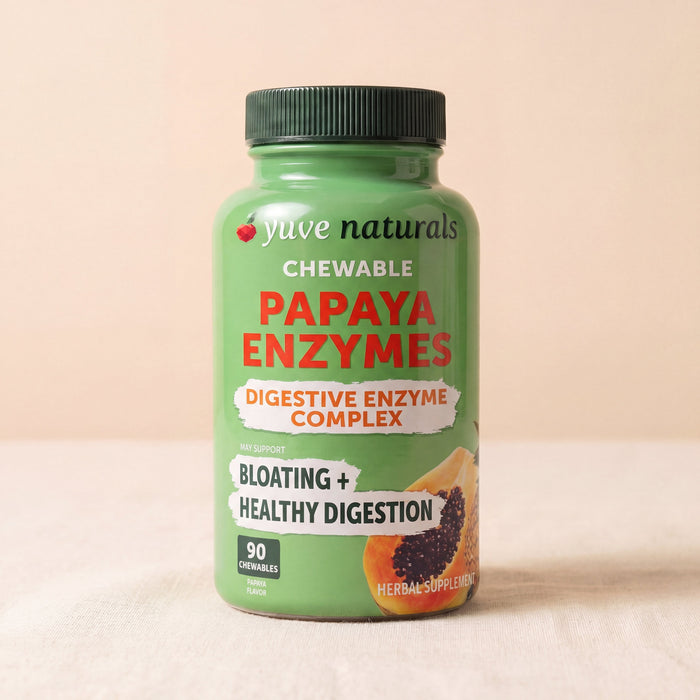
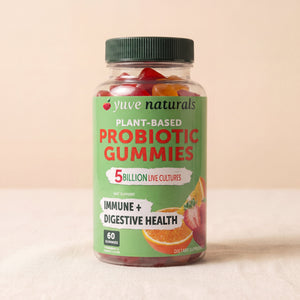
Yuve's Plant-Based Digestive Enzymes and Probiotic Blend fit naturally alongside a fiber-rich diet, especially if you want extra support while building better gut habits. That combination makes sense for people who want to feel steady with food, not second-guess every meal. You can explore Yuve's options, see what fits your routine, and keep building a gut-friendly pantry with more confidence.
Frequently Asked Questions
Are white chia seeds better than black chia seeds?
Not automatically. Color isn't the main quality signal, freshness and documentation matter more than seed shade.
Is ground chia better than whole chia?
Whole chia is usually easier to store and test for freshness, while ground chia can be useful in some recipes. For buying, whole seeds give you a clearer look at quality.
How do I read ALA on a label?
Look for a batch-specific COA that lists actual ALA content instead of a vague claim. If the number isn't there, you can't really compare products well.
Can chia replace flax?
They're similar in some recipes, but they're not identical. Use whichever fits your texture preference, storage habits, and digestibility best.
A CTA for Yuve.