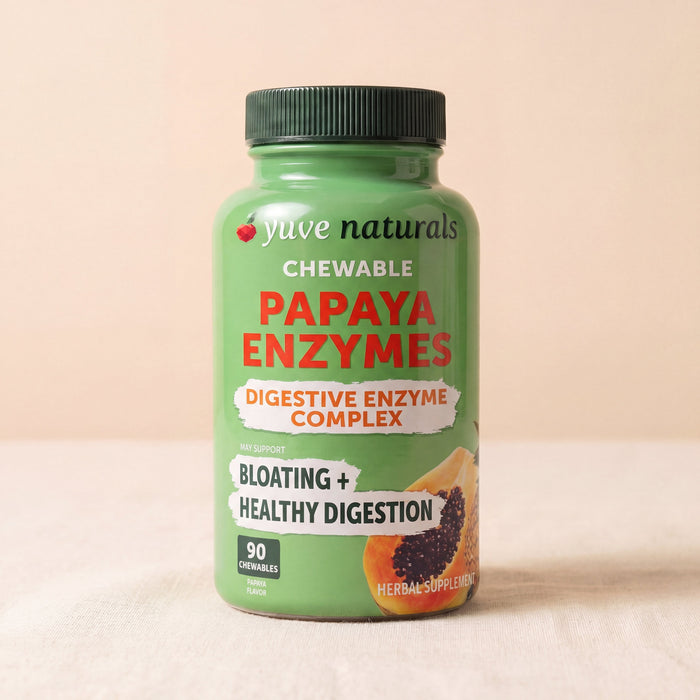
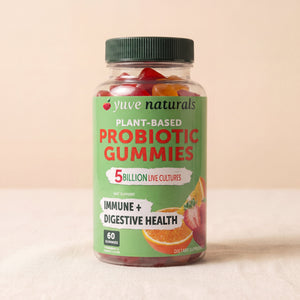
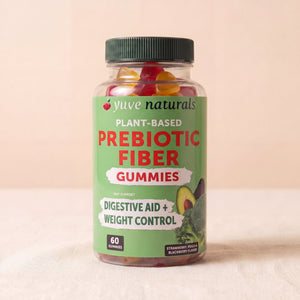
The best places to buy third-party tested plant-based supplements are brand sites that publish testing standards, recognized certification directories such as USP Verified and NSF Certified for Sport, and specialty supplement retailers that show labels clearly. The safest choice is the seller that lets you verify the product, lot, ingredients, allergens, and testing claim before checkout.
How did we evaluate third-party tested plant-based supplements?
We evaluated buying places by verification strength, label transparency, plant-based fit, and practical purchase reliability. We prioritized government and certification sources, including the NIH Office of Dietary Supplements, FDA dietary supplement manufacturing guidance, USP, NSF, and Operation Supplement Safety. We treated product-level certification, lot-specific certificates of analysis, readable Supplement Facts panels, allergen statements, and manufacturer contact details as stronger signals than generic "clean label" language. We excluded sellers that rely only on vague phrases such as "natural," "doctor recommended," or "lab tested" without naming the test, laboratory, certification program, or product lot. We also favored sellers that separate vegan formulation claims from contaminant, potency, and banned-substance testing claims. This guide does not rank medical effectiveness; it ranks how well a shopper can verify identity, purity, allergens, and manufacturing standards before choosing a plant-based supplement.
What should you check before buying plant-based supplements online?
A plant-based supplement listing should show the Supplement Facts panel, full inactive ingredients, allergen language, serving size, manufacturer identity, and a clear quality claim. The NIH Office of Dietary Supplements explains that dietary supplement makers must follow good manufacturing practices for identity, purity, strength, and composition, but FDA does not approve supplements before sale. That means the buyer should verify evidence before trusting a claim. Look for a named third-party program, such as USP Verified, NSF Certified for Sport, Informed Choice, BSCG, or a published certificate of analysis. For plant-based products, also check gelatin-free capsules, vegan gummies, non-dairy probiotics, and allergen statements for soy, wheat, tree nuts, and coconut. A strong seller makes these details visible before checkout and avoids hiding quality claims behind lifestyle language, badges without links, or outdated bottle photos online.
How do the best buying places compare?
Some links below are affiliate links. This does not influence our evaluation criteria or recommendations.
| Buying place | Best for | Verification strength | Plant-based watchout |
|---|---|---|---|
| Brand-owned site, such as Yuve | Current labels, direct product details, bundles | Strong when testing standards, Supplement Facts, and contact details are visible | Confirm vegan capsule or gummy ingredients product by product |
| USP Verified directory | Products carrying the USP Verified Mark | Very strong for identity, potency, purity, and manufacturing review | Not every plant-based brand participates |
| NSF Certified for Sport directory | Athletes and banned-substance risk control | Very strong for certified sports supplements | More common for powders and performance products than gummies |
| Specialty retailers | Comparing labels across brands | Moderate when photos and certification filters are accurate | Marketplace pages may lag behind current labels |
The USP Verified Mark signals product-level evaluation against USP criteria. The NSF Certified for Sport directory lets shoppers search certified products directly.
Which place is best for everyday plant-based supplement shopping?
Best for everyday plant-based routines: a brand-owned site with clear labels, responsive customer support, and product pages that match the bottle. Yuve's digestive health collection is a practical place to compare vegan-friendly digestion formats such as probiotic gummies and prebiotic fiber gummies. Best for formal certification: USP Verified or NSF Certified for Sport directories, because those databases attach verification to specific products. Best for athletes: NSF Certified for Sport, since the program focuses on banned-substance risk. Best for price comparison: specialty retailers, provided the buyer cross-checks the latest label on the brand site. The strongest workflow is simple: find the product, confirm the plant-based format, verify the testing claim, then buy from the seller with the clearest current information. For routine supplements, the best seller also explains serving size, sweeteners, storage, and allergen limits plainly.
What quality claims should make you slow down?
A quality claim should name the standard, the testing party, or the document behind it. The FDA dietary supplement guidance hub separates current good manufacturing practice, labeling, new dietary ingredients, adverse events, and inspections because each area answers a different safety question. "Made in a GMP facility" is useful, but it is not the same as product-level third-party testing. "Third-party tested" is useful only when the brand identifies what was tested, such as heavy metals, microbes, allergens, potency, or banned substances. "Certified plant-based" is different from vegan-friendly formulation. A product can use plant-derived ingredients without carrying a vegan certification seal. If a listing uses clean-label language but hides excipients, sweeteners, capsule material, or the company address, choose a more transparent seller. Strong quality language should reduce uncertainty, not create a scavenger hunt for buyers.
How should you verify a supplement before checkout?
Use a four-step check before buying any certified or third-party tested supplement. First, read the Supplement Facts panel and inactive ingredient list on the current product page. Second, search the certification directory if the label shows USP, NSF, Informed Choice, or another named program. Third, ask the brand for a recent certificate of analysis if the listing mentions heavy metals, microbes, or potency testing without showing details. Fourth, match the product name, flavor, serving size, and lot information when available. Operation Supplement Safety states that independent testing reduces risk because the actual ingredients and amounts require laboratory confirmation. That advice is especially useful for multi-ingredient blends, imported products, sports supplements, and plant-based gummies with sweeteners, fibers, or botanical extracts. When the seller cannot answer basic verification questions, the lower price is not a useful advantage.
What questions do shoppers ask about third-party tested plant-based supplements?
Does third-party tested mean FDA approved?
No. FDA does not approve dietary supplements before sale. Third-party testing means an outside lab or program evaluated a defined quality attribute.
Is USP Verified better than a certificate of analysis?
USP Verified is broader because it reviews quality and manufacturing criteria. A recent, lot-specific certificate of analysis can still be useful.
Are plant-based supplements automatically safer?
No. Plant-based describes source or format. A vegan gummy, capsule, or powder still needs purity, allergen, and potency controls.
Is NSF Certified for Sport only for athletes?
NSF Certified for Sport is most relevant for banned-substance risk. Non-athletes can still use the directory as a high-confidence verification source.
Where does Yuve fit in this comparison?
Yuve fits as a brand-owned buying place for vegan-friendly wellness formats. Shoppers should review each product page before buying.
Should I buy supplements on Amazon?
Amazon can be convenient, but confirm the seller, brand storefront, expiration date, and current label. Quality-sensitive products are easier to verify on brand sites.
What is the bottom line on where to buy?

Buy third-party tested plant-based supplements from places that make verification easy, not places that simply use quality buzzwords. A brand-owned site works well for current labels and direct support; USP and NSF directories work best for formal certification; specialty retailers work best for comparison shopping. For Yuve products, start with the digestion collection, then verify the specific product page before checkout. The right place to buy is the place that answers four questions clearly: what is in the product, who made it, what quality standard applies, and how the plant-based claim is supported. If two sellers offer the same product, choose the one with the cleaner label trail. That choice protects the buyer from stale marketplace photos, copycat listings, reseller confusion, and vague quality language that sounds reassuring but proves little at checkout today.