You know that miserable moment when you've done everything right, taken the probiotic, cleaned up your meals, and your stomach still feels like it's staging a protest after lunch. That's usually where people realize they need a prebiotic fiber supplement, not more probiotics, because the bacteria in your gut can't thrive without the right fuel.
The trick is that not every prebiotic product deserves space in your cabinet. The best prebiotic fiber supplement is the one that names its fiber clearly, gives you a dose that matches human trials, and shows real quality signals before you ever open the bottle. If you've been stuck in the bloating, guess-and-check loop, this guide will help you buy smarter and skip the stuff that sounds healthy but rarely moves the needle.
When Your Gut Needs More Than a Probiotic
You can do everything “right” with probiotics and still feel bloated, heavy, or off after meals. That usually means your gut needs prebiotic fiber, the fermentable fuel that helps beneficial bacteria do their job instead of just adding more microbes to the mix.
The label is where the truth shows up. A real prebiotic product names the substrate, such as inulin, FOS, GOS, or PHGG, instead of hiding behind vague language like “prebiotic blend” or “gut support.” A clinical review identifies those as the widely recognized prebiotics, and practical supplement guidance puts meaningful trial doses around 3 to 10 grams per day of active prebiotic fiber, while products at 500 mg to 1 gram are usually too low to do much for the microbiome (PMC review).
That gap explains why so many products disappoint. A capsule can look polished and still underdeliver, and that can make a person blame their gut for being “sensitive” when the problem is weak dosing.
Practical rule: if the front label sounds impressive but the Supplement Facts panel stays vague, skip it.
Sleep and digestion also overlap more than people admit. Poor sleep can make digestive discomfort feel louder the next day, so sleep improvement with The Sleep Consultant is a useful companion read if your gut symptoms and bedtime routine keep feeding into each other.
If you still want the cleanest basic distinction, what prebiotic is vs probiotic lays out the difference between feeding bacteria and adding bacteria without turning it into jargon.
What a Prebiotic Fiber Actually Does
Prebiotic fiber is food for your beneficial gut bacteria. Probiotics add microbes to the mix, but prebiotics feed the microbes already living in your gut, which is why they often matter when someone says, “I'm taking a probiotic and still feel off.”
The simple way to picture it
A prebiotic works in the colon after your gut bacteria ferment it, and that fermentation helps create a better environment for those bacteria to do their job. The most widely recognized prebiotics are specific, named compounds such as inulin, fructooligosaccharides (FOS), galactooligosaccharides (GOS), and partially hydrolyzed guar gum (PHGG), not vague “prebiotic blend” language.
That detail matters because marketing copy can make almost anything sound useful. Your body only responds to what is in the capsule or powder. If the product does not name the fiber type, you cannot tell whether it is the kind that reaches the colon and selectively feeds beneficial bacteria.
How prebiotics differ from regular fiber
Generic fiber mostly helps with stool bulk and bowel movement mechanics. Prebiotic fiber can help with that too in some cases, but its defining feature is fermentation by your gut microbes. That fermentation is what sets prebiotics apart.
Here is the decision shortcut I use with clients and friends:
- Choose prebiotic fiber when the goal is microbiome support and a gentler, food-for-the-bugs approach.
- Choose bulk fiber when the main goal is stool consistency and regularity.
- Choose probiotics when you want to add live microbes, not feed the ones you already have.
People are not just shopping for “more fiber” anymore. They want a formula that matches their tolerance, their digestion, and their actual goal. That is the right shift.
The Main Prebiotic Fiber Types Compared

Different fibers hit different people differently, and that is the part most guides skip. If your stomach is already touchy, the option that looks strongest on paper can be the one that causes the most discomfort in daily life.
Prebiotic Fiber Types at a Glance
| Fiber Type | Tolerance | Best For | Typical Dose in Trials |
|---|---|---|---|
| Inulin | Can be rough for sensitive stomachs | People who tolerate fermentation well | 3 to 10 g/day in human trials |
| FOS | Often easier than people expect, but still fermentable | Gentle microbiome support | 3 to 10 g/day in human trials |
| GOS | Usually well tolerated in targeted products | Bifidobacteria support | Human-trial use falls in the 3 to 10 g/day range |
| Resistant Starch | Variable, depends on the person | Slow fermentation and food-based strategies | No precise dose is verified here, so choose qualitatively |
| PHGG | Often the best choice for sensitive stomachs or IBS | People who need a gentler option | Human-trial use is generally in the 3 to 10 g/day range |
Inulin is the name people hear most often, but it is also the one most likely to make sensitive guts grumpy if you jump in too fast. A physician guide summarizing clinical work describes a randomized controlled trial where 12 grams per day for four weeks improved stool frequency, abdominal symptoms, quality of life, and butyrate-producing Bifidobacterium populations. That is promising, and it also shows that dose matters.
PHGG is the one I reach for most often when someone says, “I want prebiotic benefits, but I do not want drama.” It is the calm, steady option, especially for IBS-prone or sensitive stomachs, while psyllium remains the gold standard for regularity (Trim's guide to psyllium).
For a broader look at how fiber choices vary, acacia fiber powder is a useful companion read for people who want a gentler, more gradual approach, and the PMC review gives helpful background on how different prebiotic fibers are discussed in the research.
If you want a quick visual comparison before you buy, the Superpower guide also lays out how common prebiotic substrates differ in practice.
Why Dose and Label Honesty Matter Most
Two bottles can both say prebiotic on the front and still act very differently in your body. One may contain a meaningful amount of a named fiber, while the other is mostly marketing with a small amount of active ingredient.
The dose test
Here's the yardstick I use. Randomized trials usually work with about 3 to 10 grams per day of a single named prebiotic substrate, and trials have shown dose-dependent increases in Bifidobacterium with inulin at 5 to 10 grams per day. That is the range that gives a product a real shot at changing something measurable, not just making the label look good.
By contrast, products that provide only 500 mg to 1 gram are usually too low to create meaningful microbiome shifts. That is the kind of dose gap that makes shoppers think they are taking a solid formula when the product is underpowered.
What to read on the panel
Look for these three things every time:
-
The exact fiber name
Inulin, FOS, GOS, or PHGG should be listed clearly. -
The active grams per serving
Do not guess from capsule count. Check the actual grams of active ingredient. -
No vague “blend” doing the heavy lifting
If the label will not tell you what is in it, that is not transparency.
My blunt take: if you cannot find the active fiber amount quickly, the brand is asking you to trust it without giving you basic facts.
That is why label honesty matters so much. A good prebiotic supplement should make the buying decision easy, not turn it into detective work.
How to Judge Prebiotic Quality Before You Buy

A pretty bottle can hide a weak formula, and that is where shoppers get burned. The fix is straightforward. Check the label against a few hard standards, and the weak products start to reveal themselves quickly.
Use this five-part checklist
- Named Ingredients: Look for specific fiber names, not just “prebiotic blend.” If the brand will not name the substrate, you do not have enough information to judge the product.
- Clinically Meaningful Dosing: Make sure the serving gives you a dose that lines up with research-backed amounts, not dusting-level quantities.
- Third-Party Certifications: Independent seals like NSF, Informed Sport, BSCG, or USP are strong signs the brand cares about purity and potency. If you want a plain-English breakdown of what those seals mean, read our guide to best third-party tested supplements.
- Source Transparency: Good brands tell you where the ingredient comes from and how it is made.
- Allergen Information: If you are vegan, gluten-free, or avoiding gelatin, the label should say so plainly.
Hydration matters too. Take fiber supplements with a full glass of water, and keep your overall fluid intake adequate through the day. That helps comfort, and it matters if you take medications too, because bulk-forming fibers can interfere with absorption if they are taken too close together.
For extra context on label reading and product selection, the U.S. News fiber supplement guide is a useful reference point.
Why Yuve Fits the Prebiotic Buyer's Checklist
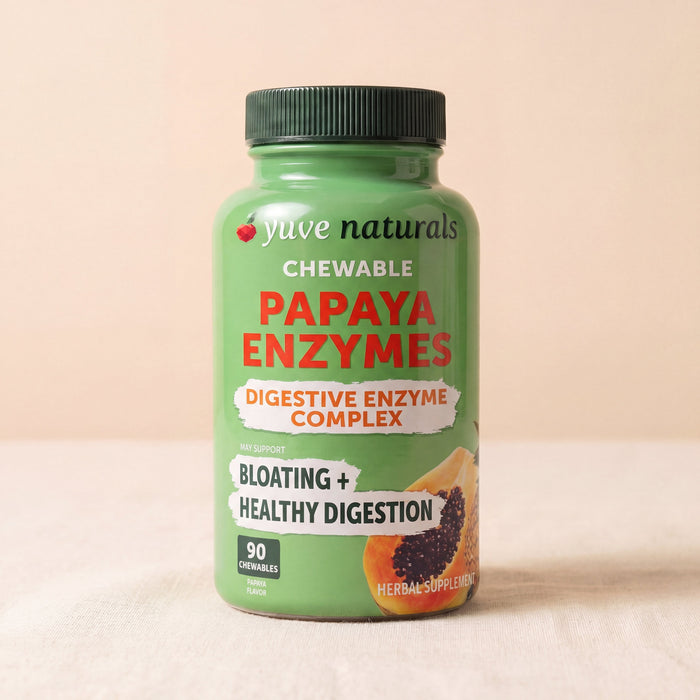
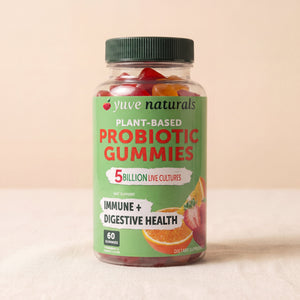
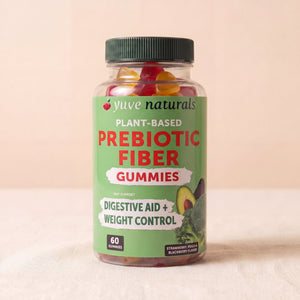
Once you use the checklist above, a good prebiotic product should stand up on its own. Yuve fits the criteria because it's built around the kind of basics that matter here, clear ingredient naming, quality-focused positioning, and a clean supplement profile that aligns with what cautious buyers usually want from a gut-health product.
The brand also shows up in the right places for people who care about values, not just formula. Yuve describes its line as vegan, gluten-free, gelatin-free, and non-GMO, and it offers a 60-day money-back guarantee, which lowers the risk for anyone who wants to test a product thoughtfully before committing. That matters when you're trying to figure out what your gut tolerates.
If you're the kind of shopper who checks the fine print, that's a good thing. Quality signals like sustainability commitments and support for families with autism make the brand feel more grounded in real-world values, not just wellness buzz. I trust a supplement company more when it's willing to show its work.
And yes, if you're comparing options, Yuve belongs in that conversation as a clean, plant-based choice for people building a smarter gut-health routine. It's not about hype. It's about matching a formula to the checklist you now know how to use.
Starting Safely and Avoiding the Bloat Trap
Even the right fiber can feel like too much if you rush it. That does not mean you picked the wrong product. It usually means your gut needs a slower entry point and a little time to adjust.
The calm way to start
- Start Low, Go Slow: Begin with half the target dose for the first week.
- Hydrate Adequately: Drink at least two liters of water daily and take the supplement with a full glass of water.
- Separate From Medications: Keep fiber about two hours away from medications if a product can interfere with absorption.
Gas, bloating, and cramping can show up early, especially with more fermentable fibers. I see this most often when someone starts at full dose and expects a perfect first week. Give the product a real trial, because mild symptoms often ease with consistent use, and the inulin research referenced earlier used a 3 to 4 week window before judging response.
If you have IBS, SIBO, or prescription medications, check in with a clinician before starting. That is the smart move when your gut is already reactive or your medication schedule has to stay precise.
I hear the same story all the time. Someone starts a prebiotic at full dose, feels gassy by day two, quits, and later realizes a slower ramp would have changed the whole experience. That small pacing shift often separates a bad first impression from a supplement your body can handle.
Quick Answers Before You Hit Add to Cart
Can you take a prebiotic with a probiotic at the same time? Yes, many people do. They play different roles, probiotics add microbes and prebiotics feed them, so the pairing can make sense when the product and your gut tolerance line up.
What time of day is best? The best time is the time you'll take it consistently. Some people prefer it with a meal because it feels gentler, especially when they're just starting out.
How long until results show up? Give it a real trial, not a two-day test. The inulin research above used 3 to 4 weeks, which is a realistic window for judging whether your body is responding.
Who should avoid prebiotic supplements? People with IBS, SIBO, or anyone on prescription medications should check with a clinician first, especially if they've reacted badly to fermentable fibers before. If a product makes you feel worse instead of steadier, that's useful information, not a failure.
If you're ready to try a cleaner approach, choose a product that names the fiber, matches the dose, and respects your digestion. Share your gut-health experience with us, compare notes with a friend who's still bloated by noon, and keep learning with our other gut-health posts.
If you want a prebiotic routine that's built around label honesty, dose, and tolerance, take a look at Yuve. You'll find clean, plant-based options that fit a smarter gut-health strategy without the fluff. Start there, and give your digestion a product that's designed to do real work.