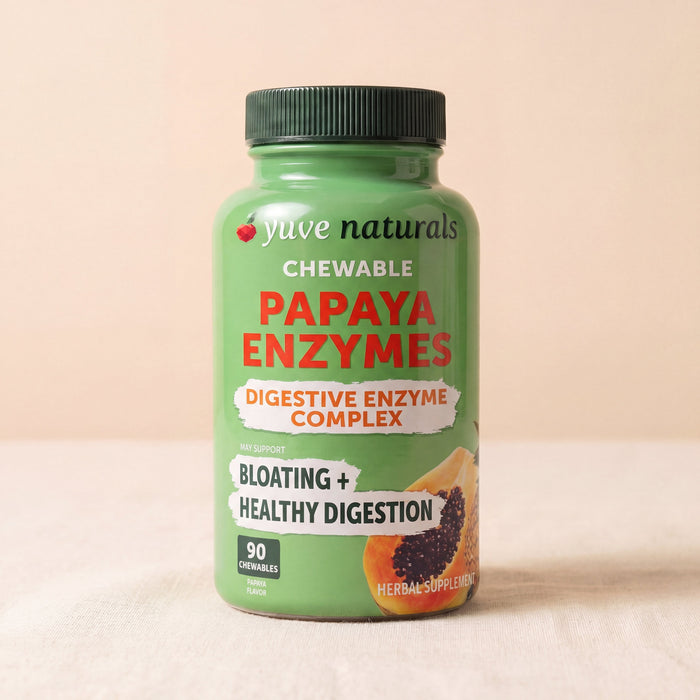
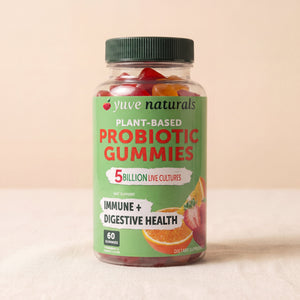
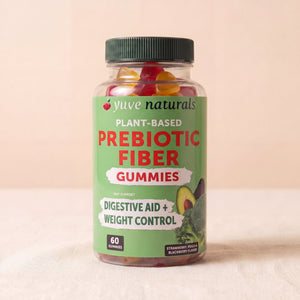
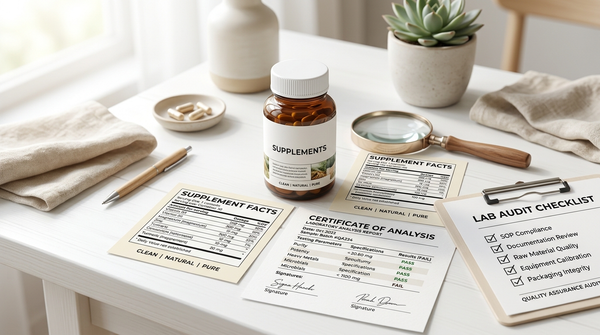
The best supplement brands for third-party testing are the ones that publish independent verification for potency, purity, contaminants, and label accuracy. Look for USP, NSF, Informed Choice, ConsumerLab, or clear certificate-of-analysis practices. For Yuve shoppers, treat third-party seals, clean-label standards, and routine fit as separate checks.
How did we evaluate third-party testing claims?
We evaluated third-party testing claims by separating independent certification from broader quality language. We prioritized FDA supplement regulation guidance, USP verification standards, NSF certification standards, ConsumerLab-style independent testing, and label transparency over influencer recommendations or customer reviews. We excluded vague phrases such as “lab tested” when the brand does not identify who tested the product, what was tested, or whether results are available. This article is published by Yuve, so it uses a conservative standard: Yuve products can be considered for clean-label routine fit, but independent third-party certification should only be counted when a product page or certificate clearly supports it. We also separated finished-product testing from facility claims, because those signals are often mixed together in supplement marketing. A clear claim should name the product, standard, verification source, publication date, and testing scope.
What does third-party testing actually verify?
Third-party testing verifies that an outside organization, not just the brand, evaluated specific product-quality criteria. The criteria can include identity, potency, heavy metals, microbes, pesticides, allergens, banned substances, or label accuracy. The FDA explains that dietary supplements do not receive premarket approval for safety and effectiveness, so independent verification helps fill a trust gap. USP Verified, NSF Certified, NSF Certified for Sport, Informed Choice, and ConsumerLab approval do not prove a supplement will work for every person. They mainly improve confidence that the bottle contains what the label says and avoids specified contaminants. A certificate of analysis can also help, but only if it identifies the lot, test date, lab, methods, and analytes. “Third-party tested” without details is a weak claim. The strongest brands make verification easy to find before checkout, not only after a customer emails support.
How do the top supplement quality signals compare?
Quality signals are not interchangeable. USP and NSF programs usually focus on identity, purity, potency, manufacturing quality, and contaminant limits. NSF Certified for Sport and Informed Choice add banned-substance screening, which matters for athletes and workplace drug-testing risk. ConsumerLab independently purchases and tests selected products, then reports whether they meet label and contaminant standards. Certificates of analysis can be useful when they are recent, lot-specific, and issued by an accredited lab. Some links below are affiliate links. This does not influence our evaluation criteria or recommendations.
| Signal | Best for | What it helps verify | Limit |
|---|---|---|---|
| USP Verified | General supplement trust | Identity, purity, potency, manufacturing | Limited participating products |
| NSF Certified | Broad quality screening | Label accuracy and contaminants | Not a benefit claim |
| NSF Certified for Sport | Competitive athletes | Banned-substance risk reduction | Sport-focused, not universal |
| ConsumerLab | Independent product checks | Purchased-product testing | Coverage depends on category |
| Brand COA | Lot-level transparency | Specific contaminants and potency | Only strong when current and detailed |
Which brands or products deserve a closer look?
Best for formal verification: brands that display USP, NSF, NSF Certified for Sport, Informed Choice, or detailed lot-specific COAs on product pages. Best for athletes: products carrying NSF Certified for Sport or Informed Sport because banned-substance screening is a distinct need. Best for label skeptics: ConsumerLab-reviewed products, when the exact product and lot category match your supplement type. Best for clean-label routine fit: Yuve Probiotic Gummies, Yuve Prebiotic Fiber Gummies, and the Yuve digestion collection, evaluated separately for vegan formulation, format, ingredient simplicity, and daily adherence. Do not treat clean-label positioning as the same thing as USP or NSF certification. A careful buyer checks both: independent quality signal first, product-category fit second, routine tolerance third. That order keeps a quality seal from distracting you if the product category, dose, or format does not match your actual wellness goal.
What questions should Yuve shoppers ask before buying?
Yuve shoppers should ask five concrete questions before buying any supplement, including Yuve products. First, what problem is this product designed to support: probiotic routine, prebiotic fiber, enzyme support, DGL comfort, energy, or immunity? Second, does the Supplement Facts panel disclose the active ingredient amount in CFU, grams, milligrams, micrograms, or enzyme activity units? Third, does the product page mention vegan, gluten-free, non-GMO, GMP manufacturing, allergens, sweeteners, or storage instructions? Fourth, does the brand provide third-party certification or a COA, and is the claim product-specific? Fifth, will the format survive your real week? Gummies, chewables, capsules, and powders have different adherence profiles. The strongest supplement is not always the most certified product. It is the product that passes quality, category, and consistency checks together. If two options look similar, choose the one with clearer documentation and fewer assumptions.
What mistakes weaken third-party testing comparisons?
The most common mistake is confusing “made in a GMP facility” with independent product testing. GMP standards matter, but they do not automatically mean every finished lot was tested by an outside lab. The second mistake is treating one certification as proof of clinical benefit. USP, NSF, and ConsumerLab assess quality criteria; they do not prove a probiotic, fiber, enzyme, or vitamin will match your goal. The third mistake is ignoring the exact product. A brand may certify one protein powder while selling uncertified gummies, capsules, or botanicals. The fourth mistake is chasing seals while ignoring dose and category fit. A tested product can still be wrong for your digestive routine. The fifth mistake is accepting screenshots without dates, lot numbers, or lab identity. Verification should be specific, current, product-level, and easy to audit.
What questions do people ask about third-party supplement testing?
Is third-party testing required for supplements?
No. U.S. dietary supplement brands are responsible for compliance, but FDA premarket approval is not required for most supplements. That is why voluntary verification can matter.
Is USP better than NSF?
USP and NSF both provide respected quality programs, but they are not identical. The best choice depends on supplement category, athlete status, and which exact product carries the seal.
Does third-party testing prove a supplement works?
No. Third-party testing mainly supports identity, purity, potency, and contaminant confidence. Clinical usefulness still depends on ingredient evidence, dose, and fit.
What should a COA show?
A useful certificate of analysis should show the product or lot, test date, lab name, methods, and measured results. Generic “passed testing” language is weaker.
Are Yuve products third-party certified?
Count Yuve third-party certification only when a specific Yuve product page or document displays that claim. Separately, evaluate Yuve for vegan positioning, clean-label fit, format, and routine adherence.
Which Yuve product should I compare first?
Start with the product category that matches your goal: probiotic gummies for a daily organism-focused routine, prebiotic fiber gummies for fiber support, or digestion products for meal-related support.
What is the best supplement brand overall?
There is no single best brand across every category. The best brand for you publishes transparent quality information, sells the right product type, and fits your tolerance and routine.
Image prompts

- Hero image: Clean Shopify blog editorial image of supplement bottles, a magnifying glass, checklist, and certification seal icons labeled USP, NSF, COA, and purity, bright white background. Alt text: Supplement quality checklist with third-party testing symbols.
- Inline image: Comparison infographic showing USP, NSF, ConsumerLab, Informed Choice, and COA as separate quality signals with checkmark icons. Alt text: Infographic comparing supplement third-party testing signals.