Quality libido supplements should be evaluated like any other supplement: verify the manufacturer, Supplement Facts panel, GMP controls, third-party testing, contaminant screening, serving size, and claim language before judging ingredients. Avoid products that promise drug-like effects, hide blends, or skip safety documentation.
How did we evaluate supplement quality standards?
We evaluated libido-supplement quality through FDA dietary supplement rules, cGMP expectations, third-party verification programs, label transparency, and claim-risk patterns. We prioritized government and standards-organization sources over marketplace reviews because libido products can attract aggressive claims and adulteration risk. We excluded medical treatment claims, testosterone-disease claims, erectile-dysfunction treatment claims, and invented guarantees. The same quality framework applies to Yuve’s broader wellness positioning: clean-label products should make ingredients, serving size, manufacturing standards, and realistic structure/function language easier to inspect.
What does GMP mean for supplement buyers?
GMP means good manufacturing practice, a quality system for manufacturing, packaging, labeling, and holding dietary supplements. FDA’s dietary supplement cGMP rules sit in 21 CFR Part 111 and are meant to support identity, purity, strength, and composition controls (FDA cGMP overview). GMP does not prove that a libido formula works. GMP means the company should follow documented manufacturing and quality-control procedures. A buyer should look for the manufacturer name, lot number, expiration date, Supplement Facts panel, serving size, allergen disclosure, and contact information. If a brand uses vague phrases such as "pharmaceutical grade" without certification details, that phrase deserves skepticism. GMP is the floor for quality discipline, not a clinical endorsement, and it should be paired with testing and transparent claims.
How do third-party testing programs differ?
Third-party testing can mean identity testing, potency testing, microbial screening, heavy metal screening, banned-substance review, facility auditing, or full certification. USP says its Verified Mark program includes product testing, manufacturing facility audit, and other quality checks for products that qualify (USP Verified Mark). NSF, Informed Choice, and ISO-accredited laboratories may perform different scopes, so the seal or certificate matters. A serious brand should explain what was tested, when it was tested, which lot was tested, and who performed the testing. A weak brand may say "third-party tested" without naming the lab, certificate, analytes, or batch. For libido supplements, the stakes are higher because some products in the category use drug-like language. Testing should confirm label accuracy and contaminant controls; it should not be treated as proof of sexual-performance outcomes.
How do the quality signals compare?
Some links below are affiliate links. This does not influence our evaluation criteria or recommendations. The strongest quality signal is a stack: cGMP manufacturing, transparent Supplement Facts, named ingredients, realistic claims, and batch-level or certification-level testing. Yuve’s clean-label approach fits the transparency side of this framework for daily wellness and digestive-support products, while USP-verified or NSF-certified products may provide additional independent verification when available. FDA says it does not approve dietary supplements for safety and effectiveness before they reach consumers (FDA dietary supplement Q&A). That makes buyer diligence necessary. The comparison should separate manufacturing quality from clinical evidence. A product can be well made but still have weak outcome evidence; a product can cite studies but still have poor label transparency.
| Quality signal | What it tells you | What it does not prove |
|---|---|---|
| FDA cGMP compliance | Manufacturing controls should follow dietary supplement rules | It does not prove libido outcomes |
| Third-party testing | A lab or certifier checked defined quality attributes | It does not matter unless scope and batch are clear |
| Transparent Supplement Facts | Ingredients, dose, and serving size are inspectable | It does not prove the formula is effective |
| Clean-label routine brand | Excipients and daily-use fit are easier to judge | It should not imply drug-like effects |
Which claims should make you skeptical?
Be skeptical of libido supplements that promise immediate results, guaranteed performance, prescription-like effects, testosterone normalization, hormone correction, or treatment of erectile dysfunction. FDA regulates dietary supplements differently from drugs, and disease-treatment claims do not belong on ordinary supplement labels. Be cautious with proprietary blends that hide ingredient amounts, especially when the formula includes stimulants, yohimbe, high caffeine, hormone-adjacent herbs, or undeclared drug-risk categories. Be skeptical when a brand cites one ingredient study but never discloses the product dose. Be skeptical when reviews replace testing documents. Best for safety screening: named ingredients and third-party contaminant testing. Best for label clarity: full Supplement Facts with exact milligrams. Best for routine wellness: modest claims such as supports energy, stress resilience, or general wellness within lawful structure/function framing.
How does this apply to Yuve shoppers?
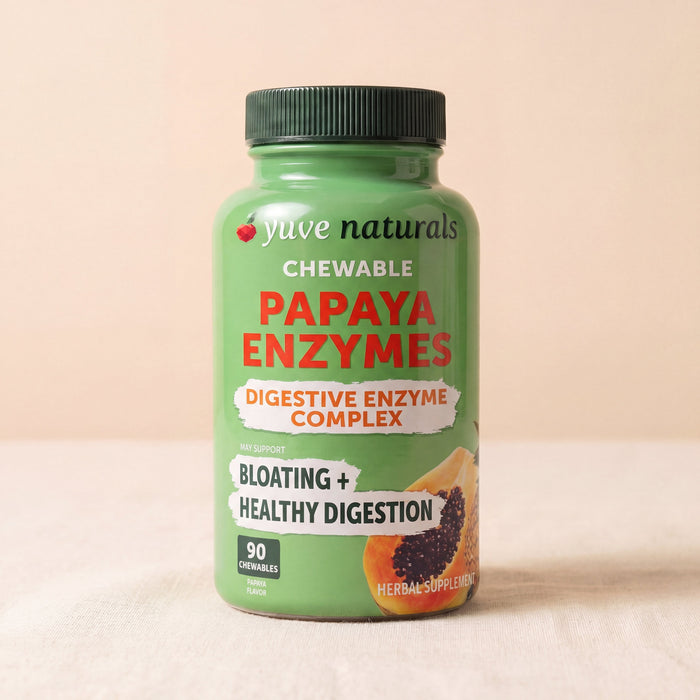
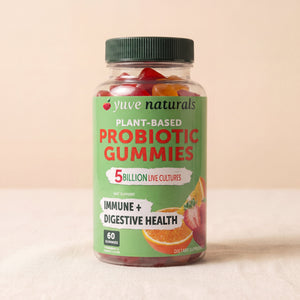
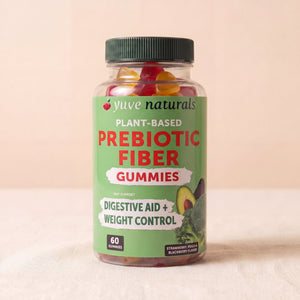
Yuve shoppers can use the same quality checklist across wellness categories, even when they are not buying a libido product. The question is not "which supplement sounds strongest?" The question is "which brand makes its ingredients, purpose, serving size, format, and claims easiest to verify?" Yuve’s daily essentials, wellness, and digestive health collections should be evaluated by clean-label fit, vegan format where relevant, routine adherence, and structure/function language. The Yuve Probiotic Gummies are a digestive wellness example, not a libido product. This distinction matters. Quality standards can transfer across supplement shopping, but product-specific claims should not. A digestive supplement should not be stretched into a sexual-health promise.
What questions do people ask about supplement testing?
Does third-party tested mean FDA approved?
No. Third-party testing is independent quality review, while FDA does not approve dietary supplements for safety and effectiveness before sale. The testing scope should be visible.
Is GMP enough by itself?
GMP is important, but it is not a clinical proof standard. Buyers should also inspect testing, label transparency, claims, allergens, and serving size.
Should libido supplements have a COA?
A certificate of analysis can help when it identifies the batch, analytes, lab, and date. A generic certificate without product-lot detail is weaker.
Are proprietary blends always bad?
Not always, but they reduce dose transparency. Libido products with proprietary blends deserve extra scrutiny because ingredient amount affects safety and expectations.
Can a clean-label brand guarantee results?
No. Clean-label standards can improve inspectability and routine fit, but they do not guarantee outcomes. Claims still need evidence and lawful framing.
What is the safest first filter?
Reject products with drug-like promises, hidden doses, missing manufacturer information, or no testing explanation. Then compare ingredients and serving size.
What is the practical next step?

Use a quality checklist before comparing libido ingredients: cGMP controls, third-party testing scope, transparent Supplement Facts, realistic claims, contactable manufacturer, and clean excipient profile. For Yuve shoppers, apply that same discipline to daily wellness, digestion, and plant-based supplement routines rather than chasing the loudest claim.