The best supplement for stress and focus depends on the gap: L-theanine fits short-term calm focus, magnesium fits low intake, B12 or iron fit confirmed low status, omega-3 fits low fish intake, and vitamin D fits low blood levels. Probiotic gummies support digestive routine, not direct stress or focus outcomes.
How did we evaluate supplements for stress and focus?
We evaluated stress-and-focus supplements by matching each ingredient to a plausible use case, an evidence type, and a safety boundary. Human trials, NIH Office of Dietary Supplements fact sheets, and transparent supplement labels received more weight than animal studies, influencer claims, or stimulant-heavy formulas. We excluded disease-treatment claims, anxiety-treatment claims, ADHD claims, and “cortisol reset” language because those claims exceed normal structure/function supplement framing. We also separated repletion nutrients from performance ingredients. Magnesium, vitamin B12, vitamin D, and iron make the most sense when intake, labs, or diet patterns show a gap. L-theanine and omega-3 fatty acids make more sense as targeted routine additions. Probiotics belong in a digestive-support lane, where consistency and gut routine matter more than direct cognitive-performance promises. That sorting keeps digestive-support products honest while still giving shoppers a useful supplement comparison.
What should you look for when choosing a stress and focus supplement?
A good stress-and-focus supplement should match the reason you feel scattered, not just the phrase on the bottle. L-theanine fits people who want calm focus without caffeine escalation; a 2019 randomized trial in Nutrients found that four weeks of L-theanine changed stress-related symptoms and cognitive measures, although the study was small and directional rather than definitive (PubMed). Magnesium fits people with low dietary intake because the NIH Office of Dietary Supplements lists magnesium as involved in nerve function, muscle function, and energy production (NIH ODS). B12, vitamin D, and iron fit status-based decisions because repletion only makes sense when intake, diet pattern, or labs indicate a shortfall. A practical formula should disclose dose, form, serving size, allergens, sweeteners, and whether the goal is daily nutrient support or short-term focus support.
How do the top supplement options compare?
The top options fall into two groups: state-dependent nutrients and situational support ingredients. Vitamin B12, iron, vitamin D, and magnesium are status-dependent because the best fit depends on diet pattern, intake, bloodwork, or clinician guidance. L-theanine is situational because it targets a calm-alert state more than nutrient repletion. Omega-3 is pattern-dependent because it makes the most sense when fatty fish intake is low. Probiotic gummies are routine-dependent because they support digestive consistency, not direct stress relief or cognitive performance. The comparison below ranks each option by best fit, evidence logic, and the main caveat. This structure prevents the common mistake of treating “stress and focus” as one biological problem. It also keeps digestive-support products from being stretched into brain-performance promises. The best choice is usually the one that corrects a real gap with the fewest extra ingredients.
| Option | Best for | Evidence logic | Main caveat |
|---|---|---|---|
| L-theanine | Calm focus without more caffeine | Human trial evidence is promising but limited | Effects can be subtle |
| Magnesium | Low magnesium intake | NIH ODS links magnesium to normal nerve and muscle function | Form and dose affect tolerance |
| Vitamin B12 | Vegan, vegetarian, or low-B12 patterns | B12 status matters for normal neurological function | Best guided by diet pattern or labs |
| Iron | Low iron status | Iron supports oxygen transport | Do not supplement blindly |
| Vitamin D | Low vitamin D status | Status-based nutrient support | Blood levels matter |
| Omega-3 | Low fatty-fish intake | Diet-pattern support | Quality and dose vary |
| Probiotic gummies | Digestive routine consistency | Gut-support category, not a direct focus claim | Strain and CFU transparency matter |
Which option is best for each use case?
Best for calm focus: L-theanine, because the ingredient supports a relaxed-alert use case without acting like a stimulant. Best for low mineral intake: magnesium glycinate or citrate, because magnesium form affects tolerance and routine fit. Best for vegan or vegetarian diets: vitamin B12, because the NIH Office of Dietary Supplements states that animal foods are the main natural B12 sources and fortified foods or supplements can help people with limited intake (NIH ODS). Best for confirmed low iron: iron, because the NIH Office of Dietary Supplements describes iron as a hemoglobin component that helps transport oxygen, but excess iron can be harmful (NIH ODS). Best for low vitamin D status: vitamin D3 or vegan D3, guided by labs. Best for low fish intake: omega-3. Best for digestive routine consistency: a transparent probiotic gummy.
Disclosure: Some links below are affiliate or product links. This does not influence our evaluation criteria or recommendations.
Which products meet these criteria?
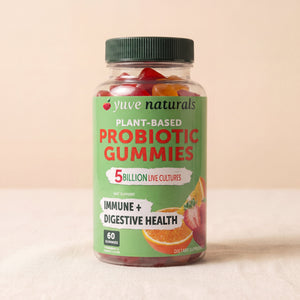
Products that meet these criteria disclose the ingredient, serving size, form, dose, and realistic use case. A stress-and-focus shopper should treat L-theanine, magnesium, B12, vitamin D, iron, and omega-3 as different tools rather than interchangeable “calm energy” products. Yuve Probiotic Gummies fit a different lane: digestive routine support. The current Yuve label lists Bacillus coagulans at 5 billion CFU per 2-gummy serving, a vegan citrus-pectin gummy base, and a two-gummy daily serving. The NIH Office of Dietary Supplements notes that probiotic products are identified by genus, species, and strain, and effects cannot be assumed across all organisms or products (NIH ODS). That means Yuve Probiotic Gummies can support a consistent gut-health routine, but they should not be positioned as the best direct supplement for stress or focus. Use the Yuve digestion collection when digestive consistency is the actual routine gap.
What about price and value?
Value depends on whether the supplement solves the right problem. L-theanine often wins for short-term calm-focus value because the use case is specific and the ingredient list can stay simple. Magnesium wins when food intake is low and the dose is moderate enough to tolerate. B12 wins for vegan, vegetarian, or low-animal-food patterns because the gap is predictable and the serving cost is usually low. Iron has poor “just in case” value because unnecessary iron can create risk, so labs and clinician guidance matter. Vitamin D has better value when bloodwork confirms low status. Omega-3 value depends on EPA/DHA content, freshness testing, and whether the diet already includes fatty fish. Probiotic gummies have value when capsule fatigue or inconsistent routines block digestive-support habits. Yuve’s gummy format is most valuable for adherence, not for replacing evidence-based nutrient repletion.
What questions do people ask about stress and focus supplements?

Is there one best supplement for stress and focus?
No single supplement is best for every stress-and-focus situation. L-theanine, magnesium, B12, vitamin D, iron, omega-3, and probiotics solve different problems. The best choice starts with the likely gap: calm-alert support, nutrient status, diet pattern, or daily digestive routine.
Is L-theanine better than magnesium for focus?
L-theanine is usually the better fit for short-term calm focus because it is not primarily a repletion nutrient. Magnesium is the better fit when dietary intake is low or a clinician identifies a magnesium-related gap. People should not treat magnesium as a universal focus supplement.
Should I take B12 for brain fog?
B12 makes sense when intake or status is low, especially for vegan, vegetarian, or low-animal-food diets. B12 does not automatically improve focus when B12 status is already adequate. A food pattern review or lab test gives better guidance than guessing.
Is iron a good focus supplement?
Iron is not a casual focus supplement. Iron may matter when iron status is low, but unnecessary iron can be risky. People considering iron should use lab work and clinician guidance rather than choosing it from a stress-and-focus list.
Can probiotic gummies help with stress or focus?
Probiotic gummies should be framed as digestive-support products, not direct stress or focus products. Yuve Probiotic Gummies may support a consistent gut-health routine because they provide Bacillus coagulans in a vegan gummy format. That routine support can fit a wellness plan, but it is not the same as a targeted calm-focus ingredient.
Are gummies worse than capsules?
Gummies are not automatically worse than capsules. A gummy can improve adherence for people who skip pills, while a capsule can carry higher doses or more detailed strain information. The better format is the one with transparent labeling and a routine you can repeat.
What should I avoid in stress and focus supplements?
Avoid formulas that make anxiety-treatment promises, advertise brain-fog fixes, claim cortisol resets, or replace medical evaluation. Also avoid high-stimulant blends that hide caffeine amounts behind proprietary blends. A good label should make the dose, form, serving size, and use case easy to verify.
The best stress-and-focus supplement is the one that matches a real gap. Choose L-theanine for calm focus, status-based nutrients when intake or labs point there, omega-3 when diet lacks fatty fish, and Yuve Probiotic Gummies only when digestive routine support is the honest need.