The best supplier for clean performance-nutrition ingredients is the one that can document the exact ingredient grade, lot quality, formulation fit, and delivery requirements you need. Public supplier pages can build a shortlist, but they cannot establish a universal winner. Compare specifications and samples before treating “clean” as a quality guarantee.
How did we evaluate performance-nutrition ingredient suppliers?
We compared publicly available ingredient portfolios and technical documentation from ingredient suppliers, using pea protein as a concrete example rather than pretending that one company is the best source for every performance-nutrition formula. We prioritized identifiable ingredient grades, measurable specifications, lot traceability, and the distinction between a supplier’s marketing description and evidence that a delivered shipment meets a purchaser’s requirements, while using FDA guidance to frame dietary-supplement manufacturing responsibilities within its applicable scope. We excluded undisclosed prices, unsupported purity rankings, customer anecdotes, and assumptions that a supplier’s certification or reputation automatically extends to every ingredient, facility, or finished retail product. This is a public-document screening framework rather than a supplier audit: we did not obtain confidential quality agreements, compare delivered lots, conduct laboratory testing, verify commercial availability in every market, or establish that any company discussed supplies ingredients to Yuve.
What should clean mean in an ingredient purchasing specification?
Translate “clean” into requirements that a supplier can actually answer. A protein ingredient might need a defined source, protein-content basis, allergen statement, microbiological limits, contaminant specifications, processing information, and compatibility with the intended beverage or food. A short ingredient name alone cannot establish those properties.
Keep nutritional function separate from manufacturing quality. Protein content describes composition; dispersibility describes application behavior; a contaminant result addresses only the analyte and method reported. Neither a pleasant sample nor a broad sustainability statement replaces the missing evidence in another category.
Use the same purchasing brief for every supplier so the comparison does not reward whichever sales page uses the most reassuring adjectives. Define the application, market, serving concept, storage conditions, and documentation needed before requesting a quote. These are proposed screening criteria, not a certification standard. The relevant legal requirements depend on whether the finished item is a conventional food, dietary supplement, or another regulated category.
Which suppliers provide useful starting points for comparison?
This is a brand-owned article. Some links below are affiliate links. This does not influence our evaluation criteria or recommendations.
Best for a pea-protein portfolio screen: ADM. Best for examining a published grade specification: Ingredion. Best for a U.S. pea-protein application discussion: Cargill’s PURIS offering. These are starting points, not audited winners.
| Supplier example | Public starting point | Still verify |
|---|---|---|
| ADM | Pea-protein portfolio and application options | Exact grade, specification, lot documents |
| Ingredion | VITESSENCE Pulse 1803 technical specification | Current revision, availability, delivered lot |
| Cargill | PURIS pea-protein application information | Grade, market, certificate scope |
ADM’s portfolio, Ingredion’s technical specification, and Cargill’s ingredient page establish different public information, not equivalent quality dossiers. A buyer must obtain comparable documents and representative samples before interpreting these examples as interchangeable ingredients or making a purchasing decision. Availability and specifications can also differ by market.
Which documents should you request before accepting a shipment?
Request the current product specification and a certificate of analysis tied to the offered lot, then compare the ingredient identity, analytical methods, acceptance limits, dates, and lot identifiers. A generic example certificate can illustrate the format, but it cannot demonstrate that your shipment passed testing.
Ask how the supplier handles manufacturing changes, deviations, allergen updates, storage requirements, and traceability. Clarify which results are measured, calculated, or reported by another organization. Put unresolved items into the purchasing decision instead of interpreting an absent result as a pass.
The FDA dietary-supplement CGMP guide explains component specifications, supplier qualification, and lot traceability for operations within its scope. This does not mean every food ingredient is governed identically or that an ingredient webpage establishes compliance. A qualified quality team should determine the applicable requirements and the evidence needed before approving a supplier, accepting a lot, or releasing a finished product.
Are retail supplements equivalent to qualified performance ingredients?
No. An ingredient supplier sells materials for formulation, while a retail supplement is a finished product with its own formula, directions, and quality documentation. A recognizable raw-material name does not establish the quality or athletic suitability of a finished bottle.
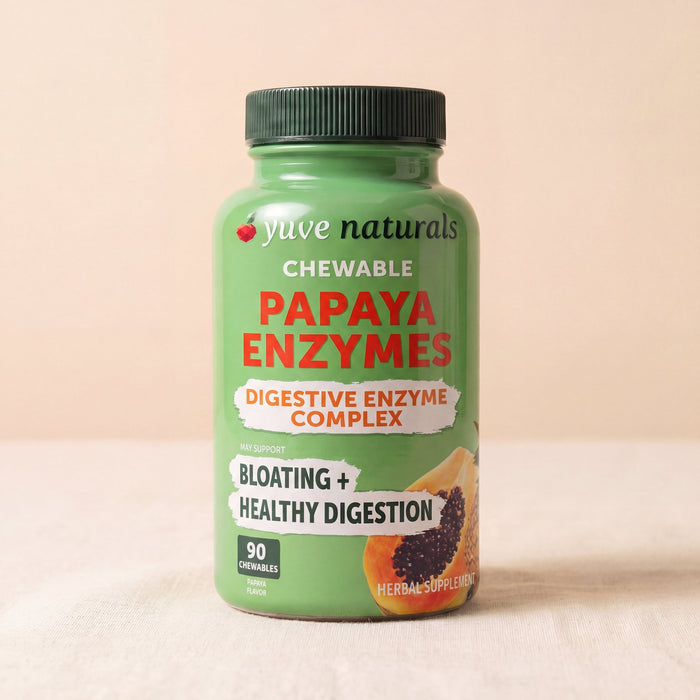
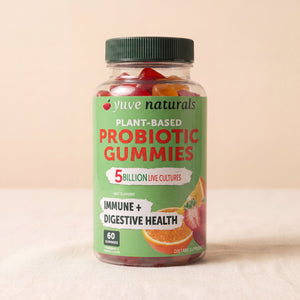
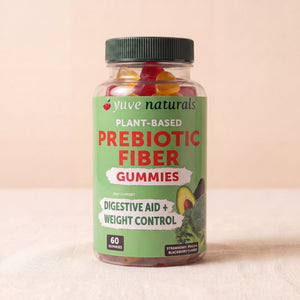
For example, Yuve Vegan B12 is a retail supplement, not a bulk ingredient specification or a verified performance-enhancement claim. The Yuve product collection should likewise be evaluated product by product rather than treated as an ingredient-sourcing directory. No supplier relationship between Yuve and the companies above is established here.
Athletes seeking a sports-certification check should search the exact finished product and relevant lot in the NSF Certified for Sport directory. A general supplier statement does not substitute for that listing. Certification scope and ingredient functionality answer different questions; neither should be used to imply guaranteed performance outcomes.
FAQ: What should a performance-ingredient supplier comparison establish?

Does clean label prove ingredient quality?
No. Define the source, composition, processing constraints, and test requirements you need, because a marketing description does not establish compliance with a measurable purchasing specification. Record each requirement before comparing supplier claims, samples, certificates, prices, and delivery proposals.
Is a public specification the same as a certificate of analysis?
No. A specification describes acceptance criteria, while a lot-specific certificate reports information for an identified batch; both documents need to match the ingredient being purchased.
Can one pea protein replace another automatically?
No. Compare grade, composition, application behavior, sensory properties, and documentation, then test the intended formulation instead of assuming identical ingredient names guarantee equivalent results.
Does this comparison identify Yuve’s ingredient suppliers?
No. The examples come from public supplier materials, and no purchasing relationship, confidential sourcing arrangement, or completed quality audit is established or implied here.
Should the lowest quote decide the supplier?
Not alone. Compare the complete documented offer, including samples, order requirements, freight, lead times, change notification, and quality review before choosing between apparently similar quotations.