Ever feel like your stomach inflates like a balloon by the afternoon? You’re not alone- and it’s not just what you ate. That uncomfortable, post-dinner bloat can quickly turn a delicious meal into something you regret. But what if the secret isn't just what you're eating, but when you give your digestion a little support?
This guide is your roadmap to understanding why a simple timing tweak can make all the difference. We'll break down how to time your enzymes correctly to help your body absorb nutrients and sidestep that dreaded gas and bloating. Let's get you back to enjoying your meals without the uncomfortable aftermath.
Your Guide to Perfect Digestive Enzyme Timing
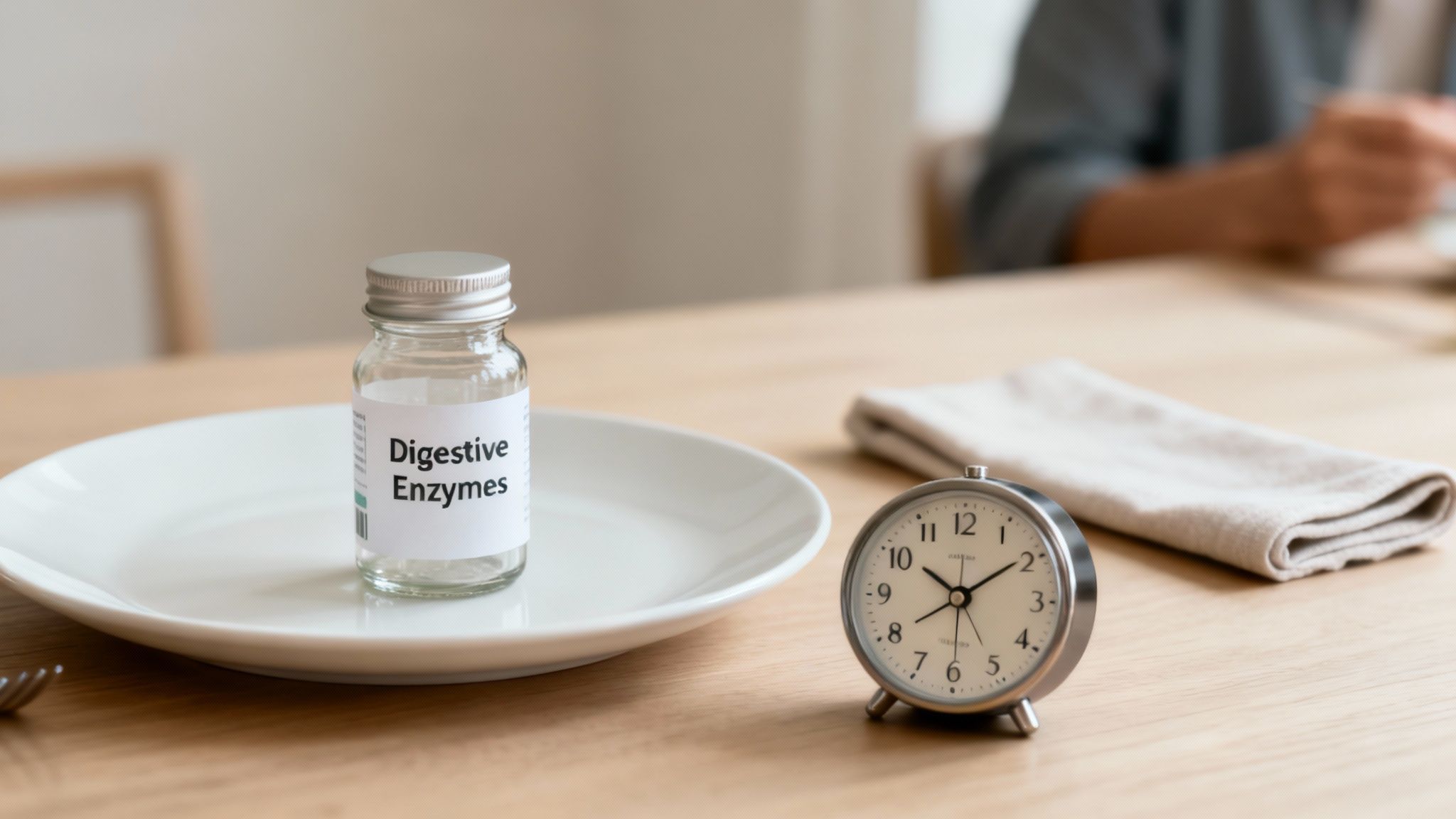
We've all been there- that feeling of dread when you know a favorite food will almost certainly lead to bloating. It’s frustrating and can make mealtime feel more like a chore than a pleasure. The good news is, you have more control than you might think. And the best part? It's surprisingly simple.
Why Timing Is Everything
When it comes to digestive enzymes, timing isn't just a suggestion; it's the key that unlocks their full potential.
Think of it this way: your supplemental enzymes are like a team of prep chefs for your digestive system. For them to work their magic, they need to be in the kitchen before the main ingredients (your food) arrive.
Taking them ahead of time gives the enzymes a head start, letting them get into position in your stomach, ready and waiting to mix with the very first bite of food. This proactive approach ensures that food is broken down efficiently from the get-go, preventing it from sitting in your gut and fermenting- which is what causes all that unwelcome gas and bloating. Yikes!
Digestive health research shows that the sweet spot is taking them 15-30 minutes before eating. Following this simple rule can lead to a 25-35% improvement in breaking down tricky fats and carbs. That's a huge win for anyone tired of post-meal discomfort. If you're curious about the growing interest in this area, you can explore more insights on digestive enzyme supplements and market trends.
Here’s what perfect timing can do for you:
- Prevent Bloating and Gas: By breaking down food effectively, you reduce the chances of it fermenting in your gut, which is a primary cause of gas.
- Boost Nutrient Absorption: When food is properly broken down into smaller components, your body can absorb more of the essential vitamins and minerals it needs.
- Enjoy Food Without Fear: Knowing you have digestive support on your side makes it so much easier to enjoy social meals and your favorite dishes without anxiety.
What Digestive Enzymes Actually Do for Your Gut
Let’s talk about the unsung heroes of your digestive system: digestive enzymes. Think of them as tiny, biological scissors, snipping away at your food around the clock. Your body produces them naturally with one critical mission: to break down the big-ticket items in your meals- proteins, fats, and carbohydrates- into smaller, absorbable nutrients.
It’s a bit like having a specialized key for every type of food lock. When this whole system is humming along smoothly, you feel light, energized, and just plain good.
Meet Your Digestive Powerhouse Team
Your body’s internal enzyme crew has a few star players, and each one has a very specific job to do.
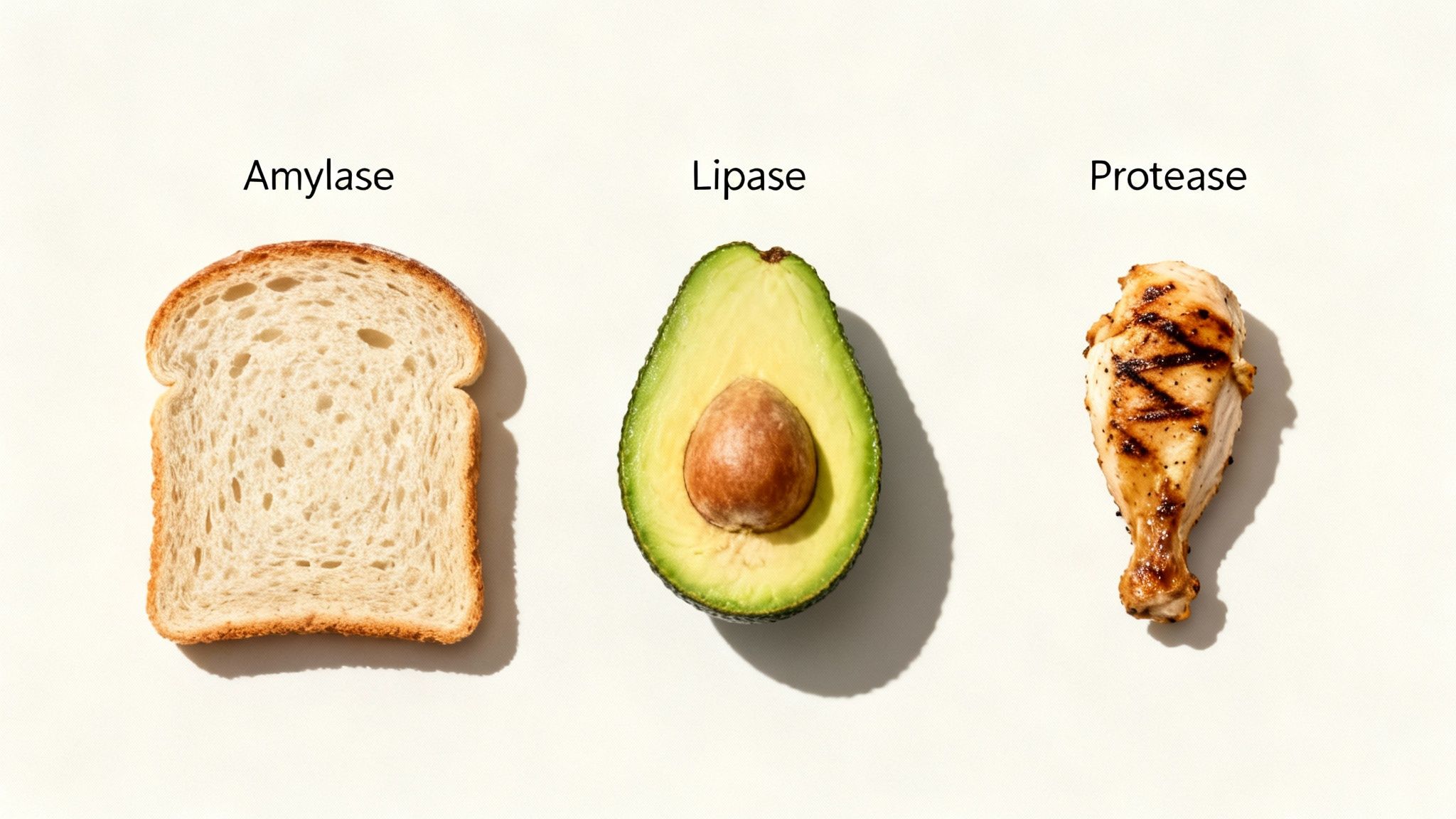
- Amylase: This is your carb-crusher. It gets to work on starches from foods like bread, rice, and potatoes, breaking them down into simple sugars your body can grab for a quick energy boost.
- Lipase: The fat-specialist. Lipase tackles fats and oils from things like avocados, nuts, and dairy, converting them into fatty acids that are vital for brain function and hormone production.
- Protease: Found in your stomach and pancreas, this enzyme is all about protein. It disassembles proteins from meat, beans, and tofu into amino acids- the essential building blocks for repairing muscles and tissues.
When this team works in perfect harmony, you pull all the good stuff from your food and feel fantastic. But sometimes, things like age, stress, or certain health issues can slow down your natural enzyme production. It's a surprisingly common problem, and it's often why a good supplement can be a real game-changer.
Why Supplementing Can Make a Difference
What happens when you don't have enough enzymes on the job? Undigested food can hang around in your gut far too long, which is often the real culprit behind that awful bloating, gas, and post-meal heaviness. Not fun.
Think of a supplemental enzyme as calling in a trusted backup crew. It swoops in to make sure no food is left behind to cause trouble, ensuring everything is broken down properly so you can actually absorb all those valuable nutrients.
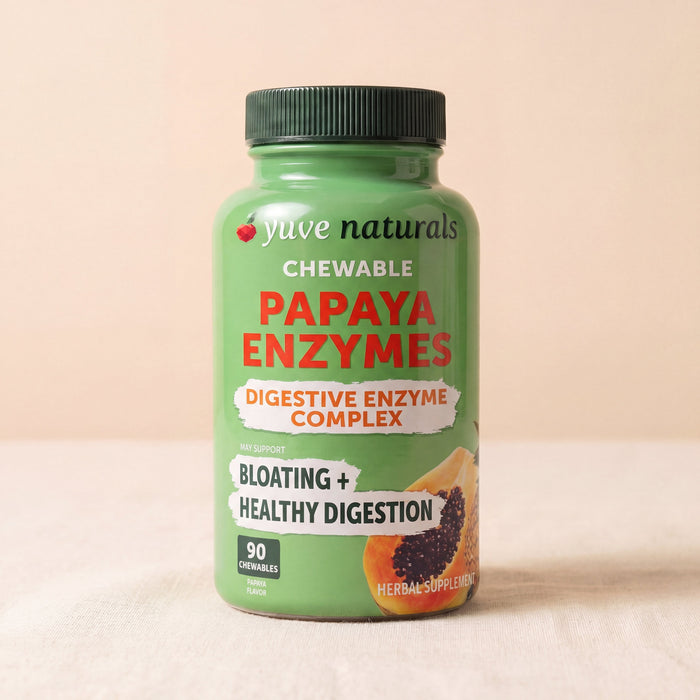
This is exactly why we developed Yuve's plant-based Digestive Enzymes. We formulated a broad-spectrum blend that gives your body the support it needs to handle all kinds of foods with ease. It’s a simple, proactive way to help your gut so you can get back to truly enjoying your meals, worry-free.
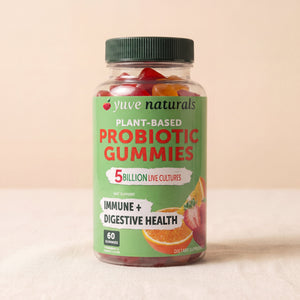
Of course, enzymes are only one part of the gut health picture. Understanding how they work alongside probiotics is incredibly helpful. For a deeper dive, check out our guide on digestive enzymes vs. probiotics. And if you're curious about how these two powerhouses team up, you can learn more about understanding the benefits of a probiotic enzyme blend. Getting this combination right is a major step toward a truly happy gut.
The Golden Rule of Enzyme Timing: Before Your Meal
So, when is the magic moment to take your enzymes? The evidence overwhelmingly points to one simple answer: right before you start eating. We call it the golden rule of enzyme timing because it’s the single most effective way to get the results you're looking for.
Let's unpack the "why" behind this. Think of your digestive enzymes as the prep crew for a big dinner party. You need them in the kitchen and ready to go before the first guest (or the first bite) arrives.
Why Pre-Meal Timing Is a Game-Changer
Taking your enzymes 15-20 minutes before you eat gives them a crucial head start. This window allows the capsule to dissolve and release the enzymes into your stomach, getting them perfectly positioned to greet the very first bite of food that comes down.
This simple pre-loading strategy ensures that every part of your meal gets the attention it deserves from the moment it arrives. Instead of your body scrambling to play catch-up, it’s fully prepared to break down proteins, fats, and carbs efficiently. The result? Less work for your gut and a much lower chance of undigested food causing that dreaded bloating, gas, and discomfort.
Science Corner: The Data on Timing
This isn't just a small tweak; the impact of timing is huge. Did you know that taking digestive enzymes right before meals can make them significantly more effective? Some data even suggests up to 40% better nutrient absorption when timed this way. This makes sense, as it syncs up perfectly with your body's natural process, where enzymes like protease, amylase, and lipase are meant to be ready as food hits your stomach. If you're curious about this growing field, you can discover more insights on the digestive enzymes market.
What this means for you: Taking your enzymes a little early isn't just a nice idea- it's a science-backed strategy for getting more nutrition from your food and feeling way better after you eat.
During vs. After a Meal: What's the Difference?
What happens if you forget and only remember mid-meal? Don’t panic- it’s still helpful! Taking enzymes with your food is definitely better than skipping them entirely. They’ll still get to work, though they might not mix as thoroughly with the food you've already eaten.
The one timing you really want to avoid is taking them after you've finished.
By the time you feel that familiar discomfort, the digestive process is already well underway. Undigested food may have already started causing problems in your gut. Taking enzymes at this point is like calling the fire department after the house has already burned- it’s just too late to prevent the initial issue.
Getting this timing right was a true game-changer for Yuve's founder, Sam. For years, he struggled with that awful post-meal bloating and heaviness. It wasn’t until he made the small switch to consistently taking his enzymes before family dinners that he could finally relax and enjoy his food without worry. This personal win is at the heart of why we’re so passionate about helping you find that same relief.
How To Time Enzymes for Different Foods and Situations
Let's be honest, not all meals are created equal. A light salad digests very differently than a loaded vegan pizza. So, why would you take your digestive enzymes the same way for both?
Think of this as your practical guide to smart timing. The goal is to become your own digestive detective, making confident choices based on what's on your plate. After all, nobody wants that heavy, sluggish feeling after enjoying a good meal.
Matching Your Enzymes to Your Meal
Different foods put different demands on your system. A big bowl of pasta requires a different enzymatic crew than a high-fat avocado toast. Here’s how you can adjust your timing to get the most out of your supplements and feel your best after eating.
-
For High-Fat Meals: Planning on indulging in a rich coconut curry or a creamy cashew-based pasta? Heavy, high-fat meals can really slow things down, leaving you feeling weighed down for hours. The key enzyme here is lipase, which is dedicated to breaking down fats. To give it a head start, take a broad-spectrum enzyme supplement about 20 minutes before you start eating. This gives the lipase a crucial window to get into position and start working the moment the food arrives.
-
For High-Carb or Starchy Meals: If you're about to enjoy a big plate of pasta, a rice bowl, or a hearty potato dish, your gut is calling on amylase to do the heavy lifting. Just like with fats, taking your enzymes 15-20 minutes beforehand ensures the amylase is ready and waiting to tackle those complex carbohydrates. This simple step can help you sidestep that dreaded post-meal energy slump.
-
For High-Protein Meals: This one is for all the athletes and anyone focused on muscle repair. After a protein-packed meal like a lentil stew or a tofu scramble, protease enzymes are essential. Timing them just before you eat helps break down those large protein molecules into smaller amino acids your body can actually absorb and use. It’s a great way to support your fitness goals while reducing the chance of bloating.
This decision tree gives you a simple visual guide for figuring out the best timing- whether it's before, during, or after your meal.
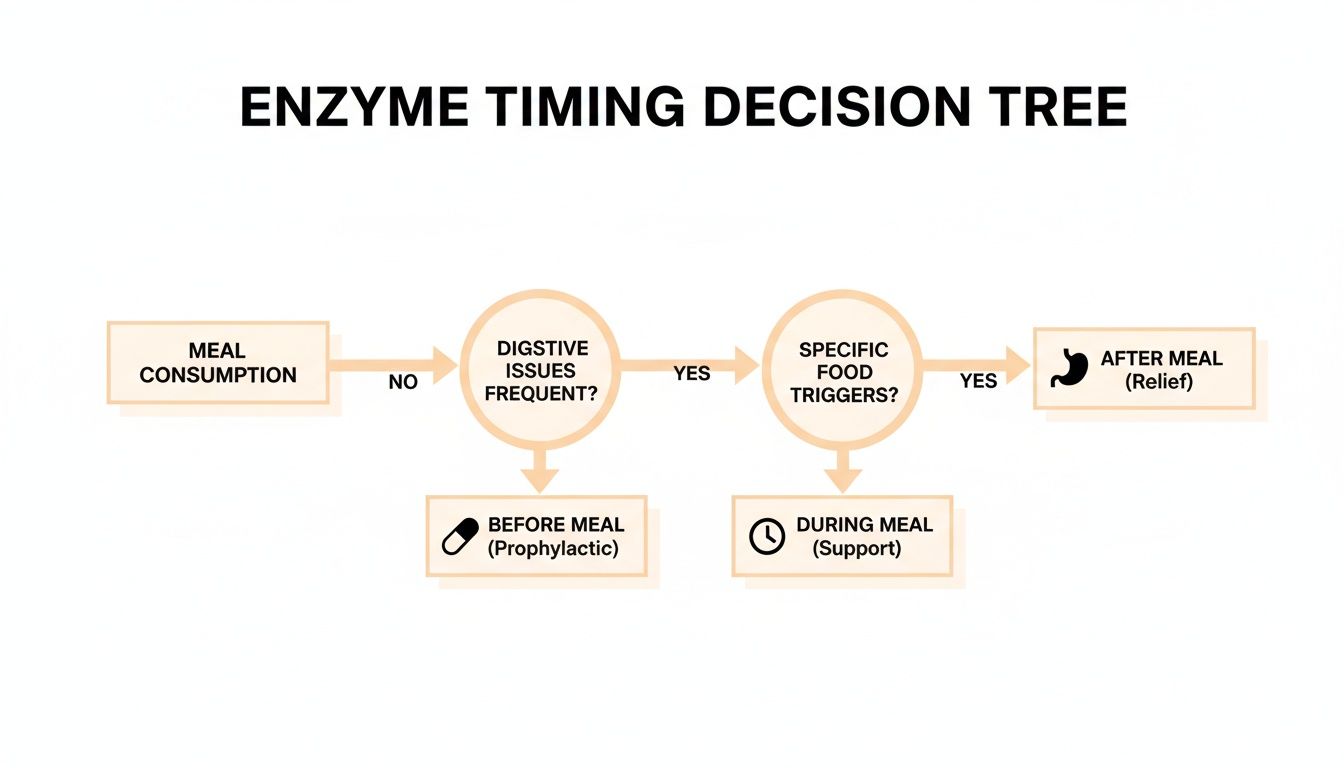
As you can see, giving your enzymes a head start before a meal is almost always the winning strategy, with taking them during the meal being a solid backup plan.
Enzyme Timing for Your Favorite Meals
Here’s a quick-glance table to help you dial in your enzyme timing for some common meals.
| Meal Type | Key Enzyme Needed | Optimal Timing | Yuve Solution |
|---|---|---|---|
| Vegan Pizza | Lipase, Amylase | 20 mins before | Digestive Enzymes |
| Bean Burrito | Alpha-galactosidase | 20-30 mins before | Digestive Enzymes |
| Ice Cream (Dairy or Plant-Based) | Lactase, Lipase | Immediately before first bite | Lactase Enzymes |
| Pasta with Tomato Sauce | Amylase, Cellulase | 15-20 mins before | Digestive Enzymes |
| Tofu Scramble | Protease | Just before or with first bite | Digestive Enzymes |
This approach helps you get specific, ensuring you have the right support for whatever you’re enjoying.
Handling Specific Food Sensitivities
Sometimes, the problem isn't the entire meal but one specific ingredient that just doesn't sit right with you. This is where a targeted enzyme supplement can be a game-changer.
If dairy is your personal kryptonite, causing that all-too-familiar gas and bloating, you're likely struggling to break down its natural sugar, lactose. For these moments, a dedicated lactase supplement is a non-negotiable.
Yuve's Lactase Enzymes are designed specifically for this purpose. Take one right as you're about to have your first bite of that cheesy dish or creamy dessert. The targeted lactase goes to work immediately, helping you enjoy dairy without the dreaded aftermath. It's a smart, proactive step to feel great and enjoy food without discomfort.
It's a simple step that can bring so much freedom back to your plate. If you're curious about how these helpers work alongside your gut's friendly bacteria, you might find our guide on probiotics and digestive enzymes really interesting.
Common Mistakes to Avoid with Digestive Enzymes
Taking a great supplement is only half the battle; how you use it is what brings those real, feel-good results. We’ve all been there- hoping for relief only to be let down. So, let's walk through the most common pitfalls with digestive enzymes so you can sidestep them and get the benefits you actually paid for.
It's easy to make a few wrong turns on the path to better digestion. But with a little insider knowledge, you can build a routine that truly works.
Not Being Consistent
The single biggest mistake we see? Inconsistency. Taking enzymes sporadically- maybe only after you’ve already had that extra-large pizza- is like calling for a tow truck after you've already run out of gas. It's a reactive approach that doesn't give your digestive system the steady, reliable support it needs to do its job well every day.
For the best results, you need to make enzymes a consistent part of your pre-meal routine. Think of it as a daily practice, not just an emergency fix for when you overdo it. This consistency helps your body find its rhythm and ensures you’re always prepared to digest your meals smoothly.
Getting the Timing Wrong
This one is incredibly common: taking enzymes too late. If you wait until you're already feeling bloated, gassy, or uncomfortable, you've missed the critical window of opportunity. The enzymes need to be in your stomach, ready and waiting, before the food shows up to do their job properly.
While some old advice suggested taking enzymes after eating, that's far from ideal. Modern data shows that nearly 70% of users report better results with pre-meal timing, cutting their indigestion by an average of 28%. Why? Because enzyme activity is all about precise delivery when your stomach’s pH levels are just right. If you’re curious about how these trends are shaping the industry, you can explore more insights about microbial digestive enzymes.
The takeaway is simple but powerful: Taking enzymes after a meal is too late to prevent the problem. Always aim for that golden 15-20 minute window before you eat.
Choosing the Wrong Type of Enzyme
It's tempting to think all enzyme supplements are the same, but they're definitely not. One of the most important factors is where the enzymes come from, as this directly impacts how stable and effective they are in your body. Animal-based enzymes, for example, often work in a very narrow pH range, which means they can become less effective as your stomach acid levels change throughout digestion.
This is where plant-based enzymes really shine. Sourced from plants and microbes, these enzymes are far more resilient. They remain active across a wider stomach pH range, making them much more reliable and effective from the first bite to the last.
At Yuve, we are committed to using only high-quality, vegan, non-GMO, plant-based enzymes. This ensures you get powerful and consistent support every single time. It's just a smarter choice for a happier gut. I do NOT think animal-based enzymes are the best choice for daily support, and this is why.
Your Action Plan for Perfect Digestive Timing
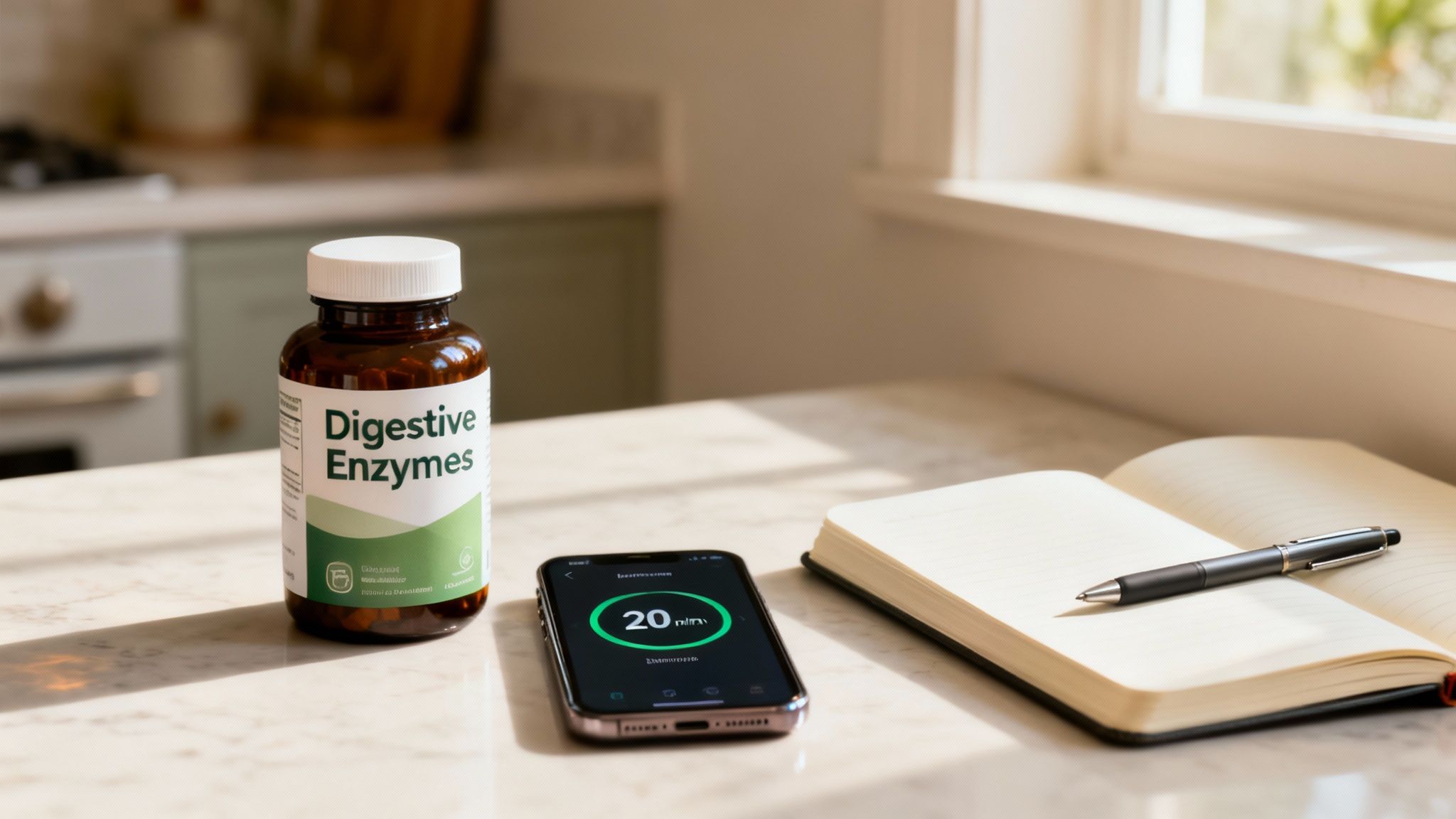
Knowing why something works is one thing, but putting that knowledge into practice is what really changes the game. Let's wrap all this up into a simple, practical plan you can use to start enjoying your food again, maybe even as soon as tonight.
This isn't about some massive, complicated life overhaul. It's about making small, consistent tweaks that add up to major wins for your digestive health.
Quick Wins: 3 Steps to Start Tonight
Ready to turn mealtime back into a happy time? Here’s a ridiculously easy routine to get the ball rolling.
-
Place Your Enzymes Where You Eat: Get that bottle of Yuve Digestive Enzymes out of the medicine cabinet and put it right on your kitchen counter or dining table. Seriously, just having them in sight is the best trick for building a new habit. Out of sight really is out of mind.
-
Set a Pre-Meal Reminder: Grab your phone and set a daily alarm for 20 minutes before you usually eat. Name it something fun like "Happy Tummy Time!" or "Prep for Food!" This little digital nudge takes the guesswork out of perfect timing.
-
Start a Simple Food Journal: You don't need a fancy app or a detailed diary. Just a small notebook will do. After a meal, jot down what you ate and a quick note on how you felt. Even something as simple as, “Pizza night - took enzymes, no bloating!” is incredibly powerful. It gives you real-time feedback that this is working.
Finding your digestive groove is a process, and you've already taken the most important step by just being here. To help put your new timing strategy into action, a meal planner and grocery list app can be a great sidekick for organizing your meals and enzyme schedule all in one place.
Remember, the goal is progress, not perfection. Every single meal is a fresh chance to support your gut and feel your best. By making these small adjustments, you can make a huge difference in how to improve nutrient absorption and really elevate your overall well-being.
Your Top Questions About Digestive Enzymes, Answered
Still have a few questions about getting your enzyme timing just right? We get it. When you're trying to figure out your digestive system, the little details can make all the difference. Here are some clear, straightforward answers to the questions we hear most often.
Can I Take Digestive Enzymes on an Empty Stomach?
You can, but it won't do much good. Think of digestive enzymes as a highly skilled kitchen crew ready to work. If you send them in on an empty stomach, it’s like showing them to a kitchen with no food to prep- they'll just pass on through without having anything to do.
For the enzymes to actually help break down your food, they need to be there when the food is. That’s why taking them right before you eat is the golden rule.
What Happens If I Forget to Take My Enzymes Before a Meal?
It happens to the best of us! If you forget, don't sweat it. Just take them as soon as you remember, even if you’re already partway through your meal.
While taking them before you eat is the ideal timing, taking them during your meal is a solid plan B and is way more effective than not taking them at all. Taking them after you’ve already finished eating is the least helpful, since the digestive process is already in full swing and any bloating or discomfort might have already begun.
How Do I Know If I Need Digestive Enzymes?
That's a fantastic question. Your body usually sends some pretty clear (and frustrating) signals. The most common clues that you might need some extra support include:
- Dealing with uncomfortable gas and bloating after most meals.
- That constant feeling of indigestion or heaviness in your stomach.
- Feeling stuffed and sluggish after eating just a normal amount of food.
If you have a known trigger food, like dairy, a specific enzyme supplement like Yuve's Lactase Enzymes can be a game-changer. Of course, it's always a good idea to have a conversation with your healthcare provider to make sure enzymes are the right move for you.
Are Plant-Based Enzymes Like Yuve's Better?
For a lot of people, the answer is a big "yes." Enzymes that come from plants and microbes are workhorses. They are effective across a much wider pH range in your gut compared to enzymes sourced from animals. This makes them more durable and reliable as they travel through your entire digestive tract.
And, of course, they are the perfect fit for anyone living a vegan or plant-forward lifestyle. You get clean, powerful digestive support without any compromise.
Ready to find your digestive balance and start enjoying your meals without a second thought? Yuve offers a complete line of vegan, plant-based supplements designed to support your gut health from every angle.
Explore Yuve's Digestive Health Solutions and feel the difference today!