Wait to drink coffee until vomiting has stopped, diarrhea is clearly improving, and you can keep water and food down without worsening symptoms. Coffee can stimulate the colon, and caffeine may increase urgency or stomach irritation. Restart with a small, weak serving after hydration and a simple meal, then judge your response.
How did we evaluate coffee after food poisoning?
We evaluated coffee after food poisoning by prioritizing hydration, symptom stability, gastrointestinal motility, caffeine exposure, and individual tolerance. Guidance from the Centers for Disease Control and Prevention and the National Institute of Diabetes and Digestive and Kidney Diseases received more weight than wellness blogs, social posts, or universal waiting-period claims. Human studies of coffee and colonic activity informed the mechanism discussion, but those trials involved healthy adults rather than people recovering from foodborne illness, so their results are directional rather than recovery-specific. We excluded claims that coffee “flushes toxins,” that every person must wait an exact number of days, or that a supplement treats food poisoning. The practical standard is symptom-based: replace fluids first, resume food as tolerated, then test coffee only after vomiting has stopped and diarrhea, dizziness, thirst, and urine output are moving toward normal.
When is it reasonable to try coffee again?
Coffee becomes a reasonable test when you can keep fluids down, urine output is returning to normal, dizziness has resolved, and bowel movements are less frequent. The CDC identifies low urination, dry mouth, and dizziness on standing as dehydration signs, so those symptoms should send coffee to the back of the line. No evidence-based rule requires every adult to wait 24, 48, or 72 hours. The illness, fluid losses, caffeine habit, stomach sensitivity, and meal tolerance determine timing. A habitual coffee drinker with a mild withdrawal headache can still delay regular coffee, rehydrate, eat, and later test a few ounces of half-caf. Best for the first morning without vomiting: water, oral rehydration solution, or broth. Best after a tolerated meal and improving stool pattern: a small weak coffee or half-caf. Best while diarrhea remains active: no coffee, because the NIDDK advises avoiding caffeinated drinks during acute diarrhea. Recovery signs matter more than the clock.
Which drinks make the best recovery sequence?
The best recovery sequence moves from fluid replacement to familiar beverages before returning to full-strength coffee. Water replaces fluid, while oral rehydration solution supplies glucose and electrolytes in proportions designed for absorption. Broth adds sodium and can be easier to tolerate when appetite remains low. Decaffeinated coffee reduces caffeine exposure, but it is not automatically symptom-neutral because coffee compounds and beverage volume may still stimulate the digestive tract. Half-caf provides a middle step for a regular coffee drinker who wants to limit withdrawal without jumping to a usual dose. Full-strength coffee belongs last because caffeine, acidity, serving size, milk, and sweeteners create several variables at once. Room-temperature drinks may also feel easier than very hot or iced beverages during early recovery. A simple sequence helps identify the trigger if urgency or nausea returns. The NIDDK lists water, broth, and oral rehydration solutions as practical fluid-replacement options, although people with kidney disease, diabetes, or other conditions should follow clinician guidance.
| Drink | Best fit | Main limitation |
|---|---|---|
| Oral rehydration solution | Ongoing fluid and electrolyte losses | Medical conditions can change the right formula |
| Water or broth | Early recovery and meal tolerance | Water alone does not replace every electrolyte |
| Decaf or half-caf | Careful coffee reintroduction | Coffee itself may still stimulate the colon |
| Regular coffee | Stable hydration and improving stools | Caffeine can increase urgency for some people |
Why can coffee feel rough after food poisoning?
Coffee can feel rough after food poisoning because the recovering digestive tract may still be sensitive to motility changes, caffeine, acidity, temperature, volume, dairy, and sweeteners. In a small randomized trial using colonic manometry, caffeinated coffee increased colonic motor activity in 12 healthy adults; the sample was small and did not include food-poisoning patients, so the study explains a possible mechanism rather than a guaranteed reaction. Caffeine can also increase urine production at higher intakes, but coffee does not automatically cause clinically meaningful dehydration in every habitual drinker. The immediate concern is simpler: vomiting and diarrhea already remove fluid, and a beverage that increases urgency can make recovery harder. Milk may also feel less comfortable after acute diarrhea, while sugar alcohols can loosen stool. A black half-cup after food tests fewer variables than a large latte, cold brew, energy drink, or heavily sweetened coffee.
How should you test coffee without derailing recovery?
Test coffee as a controlled reintroduction rather than a return to your normal order. First, drink water and eat a small meal that you already tolerate, such as toast, oats, rice, banana, potatoes, or soup. Second, choose four to six ounces of weak coffee, decaf, or half-caf instead of a large cold brew or espresso drink. Third, avoid adding several possible irritants at once; heavy cream, large dairy servings, high-fat flavorings, and sugar alcohols make the result harder to interpret. Fourth, watch for nausea, cramping, reflux-like discomfort, urgency, loose stool, dizziness, or renewed thirst over the next few hours. Stop and return to simpler fluids if symptoms worsen. Best for caffeine-withdrawal concerns: use the smallest tolerated half-caf serving. Best for ongoing watery diarrhea: postpone coffee. Best for a normalizing appetite and stable hydration: repeat the same small serving before increasing it.
Can probiotics support a routine after food poisoning?
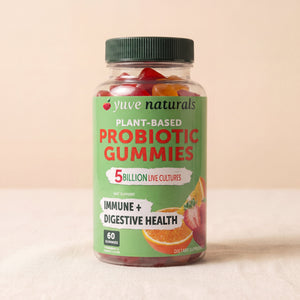
Probiotics should not be treated as a cure for food poisoning or a substitute for hydration, medical evaluation, or time. The NIDDK notes that evidence does not clearly support probiotics for treating or preventing acute diarrhea, and effects differ by organism, strain, dose, and population. Some links below are direct brand links. This commercial relationship does not change the evidence standard used here. After acute symptoms resolve, a healthy adult who wants routine digestive support can compare the Yuve digestion collection by active identity, serving size, inactive ingredients, and tolerance. Yuve Probiotic Gummies provide 5 billion CFU of Bacillus coagulans per two-gummy serving, but the label identifies the species rather than a specific strain code. A person with immune compromise, pregnancy, severe illness, or medication concerns should ask a clinician before starting any probiotic. Best for active food-poisoning recovery: fluids and tolerated food. Best for a later supplement routine: a clearly labeled product reviewed with a clinician when risk factors apply.
When should food-poisoning symptoms get medical attention?
Food-poisoning symptoms need medical attention when they signal severe illness or dehydration rather than a routine recovery. The CDC advises seeking care for bloody diarrhea, diarrhea lasting more than three days, fever above 102°F, frequent vomiting that prevents fluid intake, or dehydration signs. Low urination, dry mouth, dizziness on standing, confusion, fainting, severe weakness, or rapidly worsening pain should not be managed with coffee experiments. Pregnant people, older adults, young children, and people with weakened immune systems face higher complication risk and should use a lower threshold for professional guidance. A person with kidney disease, diabetes, or a prescribed fluid restriction should also ask a clinician which rehydration product and volume fit their situation. Emergency evaluation is appropriate when fainting, confusion, severe dehydration, or inability to keep any liquid down makes home hydration unsafe. Coffee timing is a minor decision inside a larger safety question. Hydration status, symptom duration, fever, bleeding, pain, and the ability to keep liquids down determine whether home recovery remains appropriate.
What questions do people ask about coffee after food poisoning?

Coffee questions usually combine three separate issues: whether caffeine worsens diarrhea, whether coffee delays hydration, and whether a morning habit can resume before digestion feels completely normal. The useful answer separates those variables. Caffeine is not the only active part of coffee, because decaf can still affect motility in some people. Hydration depends on total fluid intake, electrolyte losses, urine output, vomiting, and stool frequency rather than one beverage label. Add-ins also matter: milk, cream, large amounts of sugar, and sugar alcohols may cause more trouble than a small serving of coffee itself. A symptom-based trial gives clearer information than a fixed calendar rule. Begin with water and tolerated food, use a smaller and weaker serving than usual, and change only one variable. If symptoms return, stop. If warning signs appear, seek medical care instead of troubleshooting roast, caffeine level, or brewing method.
Can I drink decaf coffee after food poisoning?
Decaf can be a gentler first test because it reduces caffeine exposure, but it can still stimulate digestion in some people. Try a small serving only after vomiting has stopped, hydration is improving, and food stays down.
How long should I wait before drinking coffee?
No universal evidence-based waiting period fits every case. Wait until you can keep fluids down, diarrhea is clearly improving, urine output is normalizing, and a simple meal does not worsen symptoms.
Can coffee make diarrhea start again?
Coffee can increase colonic activity and urgency in some people, especially while the bowel remains sensitive. If loose stool returns after a test serving, stop coffee and return to water, broth, or oral rehydration solution.
Is tea better than coffee during recovery?
Non-caffeinated tea may feel gentler than coffee, but very hot drinks, strong peppermint, added dairy, and large amounts of sweetener can still bother some stomachs. Caffeinated black or green tea still counts as a caffeine source.
Should I add milk to my first coffee?
A plain, small serving tests fewer variables than a milk-heavy drink. Temporary lactose intolerance can follow acute diarrhea, so milk may increase gas or loose stool in some people during recovery.
Can I drink an energy drink instead of coffee?
Energy drinks combine caffeine with acids, sweeteners, and sometimes high sugar, which makes tolerance harder to predict. Water, oral rehydration solution, broth, and then a small coffee test create a more controlled recovery sequence.
Coffee can return after food poisoning when hydration, appetite, and bowel symptoms are clearly improving. Start smaller and weaker than usual, pair the test with food and water, and stop if urgency, nausea, or diarrhea returns. Supplements do not replace fluid replacement or medical care when warning signs are present.