Prebiotic soda can cause bloating when its fiber load, chicory root fiber, inulin, carbonation, sweeteners, or serving size exceeds your current tolerance. The most practical fix is to pause for a few days, restart with a smaller serving, track symptoms, and choose gentler daily gut-support formats if bubbles or concentrated fiber bother you.
TL;DR: Key takeaways
- Prebiotic soda can feel uncomfortable because fiber and carbonation both add digestive pressure.
- Inulin and chicory root fiber are common triggers when serving size jumps quickly.
- Smaller servings, slower timing, and a symptom log help identify personal tolerance.
- Fiber gummies and probiotic gummies offer non-carbonated options for daily routines.
- Persistent pain, vomiting, blood, fever, or unexplained weight change needs medical guidance.
How did we evaluate prebiotic soda bloating?
We evaluated prebiotic soda bloating by looking at ingredient mechanisms, digestive tolerance patterns, and public health references on fiber, gas, and probiotics. Human evidence and consensus definitions received more weight than brand claims, influencer reviews, or single anecdotes. The International Scientific Association for Probiotics and Prebiotics defines prebiotics as substrates selectively used by host microorganisms, but that definition does not mean every person tolerates every prebiotic dose equally, as explained in its consensus statement on prebiotics (PubMed PMID: 28611480). We excluded claims that any soda, fiber gummy, probiotic gummy, or supplement can diagnose, cure, or replace medical care. The practical guidance below focuses on occasional bloating, serving size, label reading, and routine fit.
What symptoms should you recognize?
Prebiotic soda related bloating usually feels like pressure, fullness, burping, or extra gas within a few hours of drinking the beverage. The pattern matters more than one isolated day. A single can after a large meal, a high-fiber lunch, or several carbonated drinks may create a different response than a half serving with food. MedlinePlus explains that intestinal gas can come from swallowed air and normal digestion, which makes carbonation and fermentable carbohydrates relevant to the same bloating episode (MedlinePlus gas).

Common signs include:
- Belly fullness after prebiotic soda.
- More burping than usual after carbonated drinks.
- Gas that appears after chicory root fiber or inulin.
- Loose stool or urgency after a high-fiber drink.
- Pressure that improves after walking or passing gas.
- Better comfort when you skip the soda for several days.
What are the root causes of bloating from prebiotic soda?
- Fiber load can exceed current tolerance. Prebiotic soda often delivers several grams of fiber in one can, while MedlinePlus notes that fiber changes stool bulk and digestive patterns (MedlinePlus dietary fiber). A fast jump from low fiber to high fiber can feel uncomfortable.
- Inulin and chicory root fiber ferment in the gut. The ISAPP consensus statement describes prebiotics as substrates used by microorganisms, which means fermentation is part of the intended pathway (PubMed PMID: 28611480). Fermentation can create gas for some people.
- Carbonation adds swallowed air and pressure. MedlinePlus lists swallowed air as one source of gas, and fizzy drinks can add to that air burden (MedlinePlus gas).
- Sweeteners may affect tolerance. Some prebiotic sodas use alternative sweeteners or sugar alcohol style ingredients. Label details matter because individual tolerance varies.
- Serving size can compound the effect. Two cans, fast drinking, or pairing soda with beans, cruciferous vegetables, or a fiber supplement may stack several gas-producing inputs.
| Format | Typical digestive variable | Why it may feel easier or harder | Best routine fit |
|---|---|---|---|
| Prebiotic soda | Prebiotic fiber plus carbonation | Convenient, but bubbles and concentrated fiber can create pressure | Occasional swap for regular soda if tolerated |
| Prebiotic fiber gummies | Prebiotic fiber without carbonation | May be easier to portion because servings are chewable and non-fizzy | Daily fiber routine with gradual serving control |
| Probiotic gummies | Live microorganisms, depending on product | Different category than prebiotic fiber, so label strain and storage details matter | Routine support for gut flora balance |
How can you recover step by step?
- Pause prebiotic soda for three to five days. Expected outcome: your baseline becomes clearer without the combined effect of fiber, bubbles, and sweeteners.
- Check the label for fiber type and grams per can. Expected outcome: you identify inulin, chicory root fiber, tapioca fiber, soluble corn fiber, sweeteners, and total fiber.
- Restart with one-quarter to one-half can with food. Expected outcome: a smaller dose helps you test tolerance without a full fiber and carbonation load.
- Separate other fiber sources that day. Expected outcome: beans, lentils, cruciferous vegetables, and fiber supplements become easier to evaluate one at a time.
- Drink slowly and avoid stacking carbonated beverages. Expected outcome: less swallowed air may support better comfort after fizzy drinks.
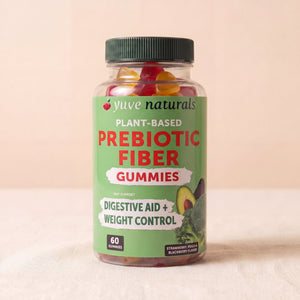
- Try a non-carbonated format if bubbles remain the issue. Expected outcome: a product such as Yuve Prebiotic Fiber Gummies lets you compare fiber support without carbonation.
- Use a simple three-column symptom log. Expected outcome: timing, serving size, and symptoms reveal whether fiber type, dose, or carbonation is the main pattern.
How should you monitor progress?
Monitor prebiotic soda tolerance with a short log rather than memory. Write down the product name, fiber grams, fiber source, serving size, timing, meal pairing, and symptoms at one hour, three hours, and the next morning. A useful pattern looks repeatable. For example, one-quarter can with lunch may feel fine, while a full can on an empty stomach may create pressure. If every carbonated drink causes burping but non-carbonated fiber feels fine, carbonation may be the larger variable. If chicory root fiber bothers you across soda, bars, and powders, the fiber type may be the main clue. If a non-carbonated routine feels better, compare a prebiotic product with a probiotic product rather than treating them as interchangeable. The National Center for Complementary and Integrative Health explains that probiotics are live microorganisms, which makes them distinct from prebiotic fibers (NCCIH probiotics).
When should you seek professional help?
Seek medical guidance if bloating is severe, persistent, new, or paired with symptoms that are not typical post-meal fullness. Contact a qualified healthcare professional if you notice intense abdominal pain, vomiting, fever, blood in stool, black stool, unplanned weight change, ongoing diarrhea, ongoing constipation, or bloating that wakes you at night. Also ask for guidance if you have a diagnosed digestive condition, are pregnant, are immunocompromised, recently had gastrointestinal surgery, or are changing several supplements at once. A clinician can help separate ordinary food tolerance from issues that need evaluation. Supplements, probiotic gummies, prebiotic gummies, and prebiotic sodas are not substitutes for medical care. For general supplement safety and label awareness, the FDA explains that dietary supplements are regulated differently from drugs (FDA dietary supplements).
Your prebiotic soda bloating recovery checklist
- [ ] Pause prebiotic soda for three to five days.
- [ ] Check fiber type and total grams per can.
- [ ] Restart with one-quarter to one-half can with food.
- [ ] Separate beans, fiber supplements, and high-fiber meals.
- [ ] Drink slowly and avoid stacking fizzy beverages.
- [ ] Try non-carbonated fiber if bubbles remain uncomfortable.
- [ ] Track timing, serving size, and symptoms for patterns.
FAQ
Can prebiotic soda cause bloating even if it is marketed for gut health?
Yes. Prebiotic soda can support a fiber-forward routine for some people, but it can also feel uncomfortable when the serving delivers more fermentable fiber than your gut currently tolerates. Carbonation, chicory root fiber, inulin, and sweeteners can all contribute to fullness, gas, or burping in sensitive moments.
Why did it feel like Olipop soda was destroying my gut?
That phrase usually describes a strong personal tolerance reaction, not proof that one brand is harmful for everyone. Olipop and similar prebiotic sodas may contain fiber sources such as chicory root or inulin, plus carbonation. If symptoms started after full cans, frequent servings, or pairing with other high-fiber foods, dose and timing are the first variables to test.
Is inulin the same as a probiotic?
No. Inulin is a prebiotic fiber, while a probiotic is a live microorganism. Prebiotic fiber acts as a substrate used by certain gut microbes, while probiotic products contain specific organisms depending on the formula. That difference matters because a prebiotic soda, a fiber gummy, and a probiotic gummy do not work the same way.
Should I stop drinking prebiotic soda if I feel bloated?
A short pause is a reasonable first step for occasional bloating. After three to five days, restart with a smaller serving and take it with food if you want to test tolerance. If symptoms return every time, the fiber type, carbonation, sweetener, or total dose may not fit your routine.
Are fiber gummies gentler than prebiotic soda?
Fiber gummies can feel gentler for some people because they remove carbonation and may be easier to portion. They still contain fiber, so starting low and building gradually remains important. A non-carbonated option such as Yuve Prebiotic Fiber Gummies may help you compare fiber tolerance without bubbles.
Are probiotic gummies better than prebiotic soda for bloating?
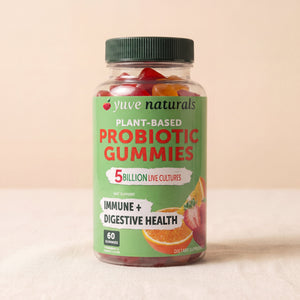
Probiotic gummies are not automatically better. They are a different format with different label questions, including microorganism type, serving size, storage instructions, and routine consistency. If your main issue is carbonation or inulin tolerance, Yuve Probiotic Gummies may be worth comparing as a non-carbonated gut flora support option.
Related reading
If prebiotic soda keeps causing pressure, zoom out to your full fiber routine instead of blaming one can. Start with Prebiotic Fiber: A Complete Guide to Gut Flora Support to understand how prebiotics differ from probiotics. Then read How Much Fiber Per Day Do You Need? to compare soda, gummies, meals, and snacks against your total daily intake. A steady routine usually beats a sudden jump in fiber, especially when carbonation and sweeteners are part of the same drink.