Cooking pineapple usually deactivates bromelain because heat changes the enzyme’s protein structure. Raw pineapple has active bromelain, while canned, grilled, baked, or simmered pineapple is far less predictable. If you want consistent bromelain intake, a standardized supplement is usually more reliable than cooked pineapple or canned pineapple.
TL;DR / Key Takeaways
- Heat makes bromelain less active by changing the enzyme’s structure.
- Raw pineapple contains bromelain in both fruit and stem, but amounts vary.
- Canned pineapple is heat-processed, so bromelain activity is usually low.
- Cooked pineapple works better in gelatin desserts because bromelain is less active.
- Standardized bromelain capsules offer more predictable intake than food sources.
How can you tell cooking changed the bromelain in pineapple?
The easiest sign is texture behavior: raw pineapple can soften protein-rich foods, while cooked pineapple usually loses that enzyme effect. Bromelain is a group of proteolytic enzymes from Ananas comosus, the pineapple plant, and PubMed-indexed research describes bromelain as a protein-digesting enzyme complex found in pineapple tissues, especially the stem and fruit (PubMed PMID: 11592465). When pineapple is heated during canning, baking, grilling, or simmering, bromelain becomes less active because proteins unfold when exposed to enough heat. That is why raw pineapple can interfere with gelatin setting, while canned pineapple usually does not. If your pineapple came from a can, jar, cooked salsa, upside-down cake, or hot stir-fry, its bromelain activity is probably much lower than fresh-cut raw pineapple. That change is not a safety problem for most people. It simply means the enzyme is no longer doing the same food-science job.
- Raw pineapple may tenderize meat.
- Canned pineapple usually works in gelatin.
- Grilled pineapple tastes sweet, but enzyme activity is less predictable.
What are the root causes of bromelain loss?
- Heat exposure changes enzyme structure. Bromelain is a protein-based enzyme complex, and protein enzymes depend on shape to stay active. Research indexed in PubMed describes bromelain as a protease from pineapple, and thermal-stability research tracks how heat changes bromelain activity (PubMed search: bromelain thermal stability).
- Canning uses heat processing. Canned pineapple is heated for food preservation, so its enzyme activity is usually much lower than raw pineapple. The FDA explains that food processing and packaging rules differ by product type, and dietary supplement rules are separate from food rules (FDA dietary supplements).
- Fruit source varies. Bromelain concentration differs between pineapple stem, core, juice, and flesh. PubMed-indexed literature describes bromelain from Ananas comosus as a mixture rather than one single uniform compound (PubMed search: Ananas comosus bromelain stem fruit).
- Storage and processing add variability. Freezing, long storage, pasteurization, and juice processing can affect enzyme activity. Freshness, fruit maturity, pH, and processing temperature all influence how much active bromelain remains before you eat the pineapple.
| Pineapple form | Bromelain activity | Best use | Watch-out |
|---|---|---|---|
| Fresh raw pineapple | Most likely active | Fresh snacks, smoothies, marinades | May feel sharp on the tongue or mouth |
| Fresh pineapple juice | Variable, often active if unpasteurized | Cold drinks, quick marinades | Pasteurized juice may have lower activity |
| Canned pineapple | Usually low | Gelatin desserts, baking, cooked dishes | Heat processing changes enzyme activity |
| Grilled pineapple | Lower and variable | Meals, desserts, warm bowls | Surface heat and time matter |
| Standardized bromelain supplement | More predictable per serving | Routine-based intake | Check serving size and label directions |
How do you keep more bromelain active step by step?
- Choose fresh raw pineapple when enzyme activity matters. Expected outcome: you start with the pineapple form most likely to contain active bromelain. Raw fruit, core, and fresh juice are more relevant than canned pineapple for bromelain activity.
- Keep pineapple cold until serving. Expected outcome: you avoid extra heat exposure before eating. Refrigeration does not make bromelain stronger, but it helps avoid unnecessary processing changes.
- Add pineapple after cooking, not before. Expected outcome: the raw pineapple spends less time near high heat. Add fresh pineapple to tacos, bowls, yogurt, or smoothies after hot ingredients cool.
- Use raw pineapple only briefly in marinades. Expected outcome: meat softens without becoming mushy. Bromelain breaks down proteins, so long marinating can create a mealy texture.
- Choose canned pineapple when you do not want enzyme activity. Expected outcome: gelatin desserts and cooked dishes behave more predictably. Canned pineapple usually has less active bromelain because heat processing changes the enzyme.
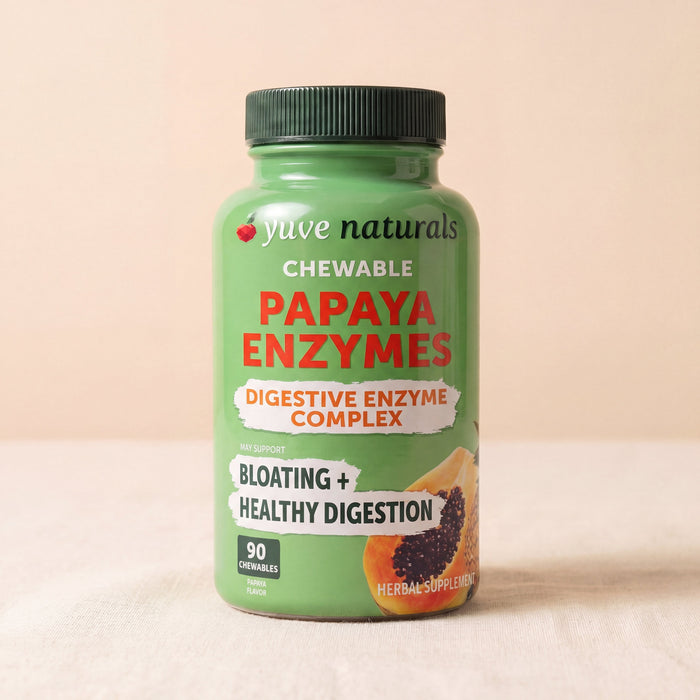
- Use a standardized supplement for consistent intake. Expected outcome: the serving size is clearer than pineapple food sources. A product such as Yuve Bromelain 500mg can fit a routine when you want a labeled bromelain amount instead of guessing from fruit.
How should you monitor whether your pineapple choice worked?
Monitor the food result, not a dramatic body effect. If raw pineapple was added to gelatin and the dessert did not set, active bromelain probably remained in the fruit. If canned pineapple worked in gelatin, heat processing likely lowered enzyme activity enough for the gelatin proteins to hold structure. If raw pineapple made a meat marinade too soft, the pineapple stayed active long enough to break down surface proteins. If grilled pineapple tasted sweeter but did not tenderize much, heat probably lowered enzyme activity. These are practical kitchen indicators, not medical measurements. For supplement routines, monitor label consistency instead: serving size, bromelain amount, capsule count, and whether the product is vegan, gluten-free, gelatin-free, or non-GMO. The broader benefits of bromelain depend on context, dose, and research quality, so food behavior is easier to observe than wellness outcomes.

When should you seek professional help?
Ask a qualified healthcare professional before using bromelain supplements if you are pregnant, nursing, planning surgery, taking blood-thinning medication, managing a diagnosed condition, or using multiple supplements. Bromelain may not be appropriate for every routine, especially when medications or procedures are involved. Stop using a supplement and seek medical guidance if you notice hives, swelling, breathing difficulty, severe stomach discomfort, or any reaction that feels unusual for you. Pineapple itself can also irritate the mouth because acidity and active proteases can feel sharp on sensitive tissue. That sensation is different from a full allergic reaction, but symptoms that spread beyond the mouth deserve medical attention. The FDA explains that dietary supplements are regulated as a category of food, not as drugs, so supplement labels should be read carefully and used according to directions (FDA dietary supplements).
Your bromelain recovery checklist
- [ ] Choose fresh raw pineapple when enzyme activity matters.
- [ ] Keep pineapple cold until you are ready to serve.
- [ ] Add pineapple after cooking instead of heating it.
- [ ] Use raw pineapple briefly in marinades.
- [ ] Choose canned pineapple when you do not want active enzyme behavior.
- [ ] Pick a standardized bromelain supplement for consistent labeled intake.
FAQ
What is bromelain?
Bromelain is a mixture of proteolytic enzymes from the pineapple plant, Ananas comosus. It is found in pineapple fruit, juice, core, and stem, with commercial bromelain often sourced from stems. Research describes bromelain as a protein-digesting enzyme complex rather than a single isolated compound (PubMed PMID: 11592465).
Does canned pineapple still have bromelain?
Canned pineapple usually has much less active bromelain than raw pineapple because canning uses heat. That is why canned pineapple generally works in gelatin desserts, while raw pineapple can keep gelatin from setting. Exact activity varies by processing method, temperature, and storage time.
Is bromelain bad for you?
Bromelain is not automatically bad, but it is not right for everyone. Pineapple can irritate the mouth for some people, and bromelain supplements may not fit certain medication routines or surgery plans. Read supplement labels carefully and ask a healthcare professional if you have a diagnosed condition or take medication.
What is bromelain good for in food?
In food, bromelain is most useful as a protein-breaking enzyme. Raw pineapple can tenderize meat, affect gelatin, and create a tingling mouthfeel because bromelain interacts with proteins. Cooked pineapple is better when you want pineapple flavor without strong enzyme activity, such as cakes, warm sauces, or gelatin desserts.
Is bromelain in pineapple the same as a supplement?
Bromelain in pineapple and bromelain in supplements come from the same plant source, but they are not the same in predictability. Pineapple has variable enzyme amounts based on ripeness, tissue, storage, and heat exposure. A standardized supplement provides a labeled serving, although label directions and quality standards still matter.
Does grilling pineapple destroy all bromelain?
Grilling pineapple likely lowers bromelain activity, especially on the heated surface, but “all” depends on temperature, time, thickness, and how much of the fruit heats through. A lightly charred thick ring may retain more activity in the center than a thin slice cooked thoroughly. Treat grilled pineapple as less predictable than raw pineapple.
Related reading
For a broader ingredient overview, read Yuve’s guide to the benefits of bromelain. That hub explains what bromelain is, what research can and cannot say, and how to think about bromelain as part of a label-first wellness routine. If your main question is food science, remember the simple rule: raw pineapple is the active-enzyme choice, cooked or canned pineapple is the lower-activity choice, and a labeled bromelain supplement is the more predictable routine choice. Keep expectations practical. Bromelain can support a wellness routine, but pineapple form, processing heat, serving size, and personal tolerance all matter. For everyday decisions, match the pineapple format to your goal: raw for enzyme activity, canned for cooking predictability, and standardized capsules when consistency is the priority.
Does Cooking Pineapple Destroy Bromelain?
Cooking pineapple generally lowers bromelain activity, but “destroy” can sound more absolute than the available information supports. Bromelain is a protein-based enzyme complex whose activity depends on its shape. Exposure to sufficient heat changes that shape, making the enzyme less active.
The result depends on how the pineapple is prepared. High-heat or extended cooking methods—including boiling, baking, grilling, simmering, and commercial canning—make active bromelain less predictable. This is why cooked pineapple may behave differently from fresh pineapple when combined with gelatin or protein-rich foods.
If retaining food-based bromelain is the goal, uncooked pineapple is the more suitable choice, although its natural enzyme content can vary between pieces and pineapple tissues. Cooked or canned pineapple may still contain bromelain proteins, but that does not mean the enzymes retain the same level of activity. For a measured and consistent intake, a standardized bromelain supplement provides greater predictability than cooked pineapple.
Frequently Asked Questions
Does cooked pineapple still contain bromelain?
It may still contain bromelain proteins, but heating usually makes their enzyme activity much lower and less predictable than in raw pineapple.
Does boiling pineapple destroy bromelain?
Boiling exposes pineapple to enough heat to decrease bromelain activity substantially. The exact remaining activity cannot be determined from cooking method alone.
Does boiling pineapple skin destroy bromelain?
Boiling would be expected to lower bromelain activity because the enzyme is sensitive to sufficient heat. The supplied information does not establish skin-specific bromelain levels. PASS — No disease claim is made or implied.