Yes, you can take probiotics and fiber at the same time. In fact, probiotics and prebiotic fibers are often paired because live microorganisms and fermentable substrates can support the same digestive routine. Start with modest fiber, use consistent timing, and separate products only if you notice gas, cramping, or routine discomfort.
How we evaluated taking probiotics and fiber together?
We evaluated probiotic-and-fiber timing by reviewing consensus definitions, clinical guidelines, fiber physiology reviews, and practical supplement-label criteria. Human evidence and expert consensus from ISAPP and the World Gastroenterology Organisation carried more weight than brand claims. We excluded detox claims, disease-treatment promises, and timing rules with no plausible mechanism. The evidence supports pairing probiotics and prebiotic substrates in some contexts, but individual tolerance still determines the best routine.
Why can probiotics and fiber be taken together?
Probiotics and fiber can be taken together because they do different jobs in the digestive tract. A probiotic supplies live microorganisms in an adequate amount, while a prebiotic fiber supplies a substrate that host microorganisms can selectively use. The 2020 ISAPP synbiotic consensus statement defines a synbiotic as a mixture of live microorganisms and selectively utilized substrates that confers a health benefit, which explains why the pairing is biologically plausible. Fiber also changes stool texture, fermentation patterns, and short-chain fatty acid production; a 2022 review in Nutrients reports that dietary fiber interacts with gut microbiota and microbial metabolites. The practical caveat is tolerance. A large fiber jump can increase gas before the gut adapts, even when the probiotic is routine-friendly.
- Best for consistency: take both at the same daily time if your stomach tolerates it.
- Best for sensitive digestion: start fiber low and increase gradually.
- Best evidence framing: pairing is plausible, not a guarantee of immediate comfort.
When should you separate probiotics and fiber?

You should separate probiotics and fiber when taking them together causes extra gas, loose stool, constipation, nausea, or abdominal discomfort. The issue is usually fiber dose or fermentability, not a dangerous interaction between the two categories. Psyllium, inulin, partially hydrolyzed guar gum, wheat dextrin, and acacia fiber differ in viscosity and fermentation, so the same probiotic can feel different with different fibers. The World Gastroenterology Organisation's 2023 guideline emphasizes that probiotic effects depend on strain and dose, while prebiotic effects depend on substrate and host response. If a combined routine feels heavy, take fiber with a meal and probiotics at another consistent time.
| Routine | Best for | What to watch | Adjustment |
|---|---|---|---|
| Same time daily | Simple habit stacking | Gas during first week | Lower fiber serving |
| Fiber with breakfast, probiotic later | Sensitive stomachs | Missed doses | Use phone reminder |
| Fiber with water, probiotic with food | Capsule or gummy routines | Insufficient fluids | Add a full glass of water |
| Alternate-day fiber titration | New fiber users | Slow adaptation | Increase after tolerance improves |
Which Yuve routine makes sense for probiotics and fiber?
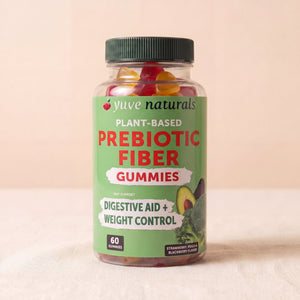
Some links below are affiliate links. This does not influence our evaluation criteria or recommendations. Yuve Probiotic Gummies make sense when you want a vegan gummy probiotic format that is easy to repeat daily. Yuve Prebiotic Fiber Gummies make sense when you want a separate fiber-support option instead of combining every digestive step in one product. The Yuve digestion collection groups both formats so shoppers can build a routine around tolerance, serving size, and label fit. Best for simple routine building: take Yuve Probiotic Gummies consistently and add Yuve Prebiotic Fiber Gummies gradually. Best for sensitive digestion: start with one product for several days, then add the second after your body has a baseline. Best for label clarity: compare serving size, fiber grams, added sugars, allergen statements, and suggested daily use before changing timing.
What is the safest way to start both?
The safest way to start both is to introduce one product first, then add the second after you know your baseline. If you already tolerate probiotics, add fiber at a partial serving for several days with water and a meal. If you already tolerate fiber, add the probiotic at the label serving and keep fiber steady. Do not interpret first-week gas as failure unless it is severe, persistent, or paired with concerning symptoms. A simple tracking note should include product name, serving size, timing, water intake, stool pattern, bloating, and comfort. People with immune compromise, central venous catheters, serious illness, pregnancy questions, or persistent digestive symptoms should ask a clinician before changing supplement routines. For routine users, the cleanest test is two weeks with no other new gut-health products and no sudden diet overhaul.
What do people get wrong about probiotics and fiber timing?
The biggest mistake is treating timing as more important than dose, strain, substrate, and consistency. A probiotic does not become useless because fiber appears in the same meal, and fiber does not become automatically "prebiotic" unless host microorganisms selectively use it for a health benefit. Another mistake is starting a probiotic, a high-dose fiber powder, magnesium, and a digestive enzyme in the same week. That stack makes side effects impossible to interpret. The cleaner approach is boring but useful: pick one probiotic product, pick one fiber product, set one daily timing rule, and change only one variable at a time. If the routine works, consistency matters more than a perfect supplement schedule. If it does not work, the first useful change is usually fiber dose, not probiotic timing, gummy format, sweetener choice, or brand hopping.
FAQ?
Is fiber a prebiotic?
Some fibers are prebiotics, but not every fiber meets the scientific definition. ISAPP defines prebiotics by selective use by host microorganisms and a health benefit, so shoppers should look for named substrates rather than assuming all fiber works the same way.
Should I take probiotics before or after fiber?
Most healthy adults can take probiotics before, after, or with fiber. If the combination feels uncomfortable, take fiber with a meal and water, then take the probiotic at a separate consistent time.
Can fiber reduce probiotic effectiveness?
Fiber generally does not reduce probiotic effectiveness by default. In synbiotic research, live microorganisms and selectively used substrates are intentionally paired, but the actual result depends on strain, substrate, dose, and individual tolerance.
Can probiotics and fiber cause gas?
Yes, probiotics and fiber can cause gas, especially when fiber increases quickly or contains highly fermentable substrates. Lowering the fiber dose and increasing gradually is usually more useful than changing every supplement at once.
Is it better to buy a synbiotic?
A synbiotic can be useful when the probiotic strain and prebiotic substrate are selected for a clear purpose. A separate probiotic and fiber routine can also work well because it lets you adjust each product independently.
Can I take probiotic gummies with fiber gummies?
Yes, probiotic gummies and fiber gummies can be part of the same daily routine. Check serving sizes, added sugars, fiber grams, and tolerance, then keep timing consistent for a fair trial.
How long should I try the routine?
Use a consistent probiotic-and-fiber routine for at least two to four weeks unless discomfort makes you stop sooner. Fiber tolerance can change within days, while probiotic routines often need longer to judge fairly.
Sources: ISAPP synbiotic consensus statement, ISAPP prebiotic consensus statement, Dietary fiber and gut microbiota review, World Gastroenterology Organisation probiotic and prebiotic guideline.