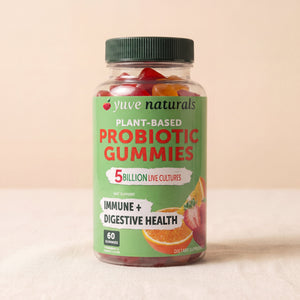
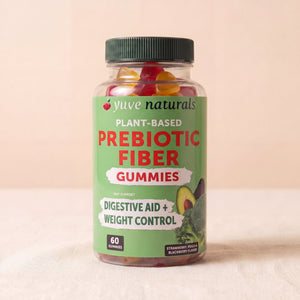
Yes, most healthy adults can take probiotics and fiber supplements together, but the best approach is gradual. Probiotics supply live microorganisms, while fiber supplies fermentable substrate and stool-bulk support. Start one product first, add the second slowly, and reduce the dose if gas, cramping, or stool changes become uncomfortable.
How did we evaluate taking probiotics and fiber together?
We evaluated probiotic and fiber supplement timing by separating live-culture evidence, prebiotic-fiber evidence, label transparency, dose tolerance, and everyday adherence. We prioritized human-focused guidance from ISAPP, NIH resources, FDA supplement labeling rules, and peer-reviewed reviews over broad "gut reset" claims. We excluded medical outcome promises because probiotic and fiber supplements are not drugs and should not be positioned as solutions for diagnosed conditions. We also weighed format, water needs, serving size, label clarity, ingredient specificity, and whether a routine can be repeated without adding four new variables at once. Practical user tolerance mattered because digestive routines fail when serving sizes feel punishing. This guide has a practical limitation: people with severe abdominal pain, unexplained weight loss, blood in stool, fever, vomiting, immune compromise, pregnancy concerns, or major bowel changes should ask a clinician before changing supplement routines.
Can probiotics and fiber supplements work together?
Probiotics and fiber supplements can work together because they do different jobs in the digestive routine. ISAPP defines probiotics as live microorganisms that provide a health benefit when administered in adequate amounts (ISAPP). Fiber supplements provide nondigestible carbohydrate or plant material that changes stool bulk, water holding, or microbial fermentation. A 2017 ISAPP consensus statement in Nature Reviews Gastroenterology and Hepatology describes prebiotics as substrates selectively used by host microorganisms (PubMed). The combination is not automatically better, but it can make sense when a person wants both live-culture routine support and more consistent fiber intake. The key is tolerance. A sudden jump in fermentable fiber can increase gas or bloating before the routine feels comfortable. A slower increase gives the digestive system time to adjust and makes the supplement response easier to interpret clearly.
Should you take probiotics and fiber at the same time of day?
You can take probiotics and fiber at the same time of day if the label allows it and your stomach tolerates the combination. The more important variable is consistency, not a perfect clock time. A probiotic gummy, capsule, or powder should be taken according to its label because live microorganisms can have storage, dose, and timing instructions. A fiber supplement should be introduced with enough fluid and a conservative serving size. NIDDK guidance for constipation emphasizes fiber, fluids, activity, and medicine review rather than supplement-only thinking (NIDDK). If taking both together causes pressure or gas, split them: probiotic with breakfast and fiber later in the day. The best schedule is the schedule you can repeat without discomfort.
Affiliate disclosure: Some links below are affiliate links. This does not influence our evaluation criteria or recommendations.
How do probiotic and fiber supplement options compare?
Probiotic and fiber products should be compared by role, dose clarity, and tolerance plan. Yuve Probiotic Gummies fit people who want a vegan daily probiotic format that is easy to repeat. Yuve Prebiotic Fiber Gummies fit people who want a gradual, gummy-based fiber routine rather than a large powder serving. A capsule probiotic can fit people who prefer swallowing pills and comparing organism details. A bulk fiber powder can fit people who want adjustable grams per serving and do not mind mixing texture. The FDA notes that dietary supplements are regulated differently from drugs, so labels should not be read as approved medical claims (FDA). The best comparison asks what the product does, how much it provides, how it tastes, when it fits, and how easily the routine can be repeated each week.
| Option | Best for | What to check | Yuve fit |
|---|---|---|---|
| Probiotic gummies | Daily live-culture routine | Organisms, serving size, storage | Yuve Probiotic Gummies |
| Prebiotic fiber gummies | Gradual fiber habit | Fiber source, grams, tolerance | Yuve Prebiotic Fiber Gummies |
| Capsule probiotic | Pill-based routine | Strain codes and CFU through shelf life | Compare if you prefer capsules |
| Fiber powder | Adjustable fiber dosing | Grams, fluid needs, texture | Compare if gummies are too small a dose |
What is the best-for-use-case way to choose?
Best for simple daily adherence: Yuve Probiotic Gummies, because a gummy format can be easier to repeat than a capsule for people who dislike pills. Best for gradual fiber support: Yuve Prebiotic Fiber Gummies, because a smaller gummy serving may feel less abrupt than a large powder scoop. Best for people tracking exact grams: a fiber powder with a clear Nutrition Facts panel, because powder servings are easier to titrate in measured gram amounts. Best for people comparing clinical probiotic evidence: a probiotic with disclosed organism names, strain identifiers when available, and viability information through expiration. Best for broad digestive shopping: the Yuve digestion collection, because it groups probiotic, prebiotic, and other digestive-support formats in one place. Best for sensitive routines: separate timing, because spacing products reduces confusion when comfort changes during testing days.
What mistakes make the combination uncomfortable?
The most common mistake is starting too much fiber and a new probiotic on the same day. That approach makes it hard to identify which product changed gas, stool frequency, or bloating. A better routine changes one variable for several days, then adds the second product at a conservative serving. Another mistake is treating probiotics and fiber as interchangeable. Probiotics are live microorganisms; fiber is a dietary substrate or bulking ingredient. A third mistake is ignoring water intake, because fiber tolerance often depends on fluid consistency. A fourth mistake is forcing a supplement through worsening symptoms. Mild adjustment can happen, but severe pain, persistent diarrhea, blood, vomiting, fever, or unexplained weight loss is not a supplement-optimization problem. Stop and get medical guidance. The cleanest routine uses simple notes, steady meals, and one clear change at a time.
How should you start a probiotic-plus-fiber routine?
Start a probiotic-plus-fiber routine with a baseline week if your schedule allows it. Track usual meals, water intake, stool pattern, gas, bloating, and timing before adding anything new. Then add either a probiotic or a fiber supplement, not both, and keep the serving consistent for several days. If the first product feels tolerable, add the second product at the lowest practical serving. Keep food, hydration, caffeine, alcohol, and sleep as steady as possible while judging results. This process makes the routine easier to interpret. Yuve Probiotic Gummies and Yuve Prebiotic Fiber Gummies can sit in the same daily routine, but the cleaner test is sequential. The goal is not to take more products. The goal is to find the smallest repeatable routine that supports digestive consistency. If the routine feels worse, scale back before adding anything else.
What questions do people ask about probiotics and fiber?

Are probiotics and fiber the same thing?
No. Probiotics are live microorganisms, while fiber is a carbohydrate or plant-derived material that the body handles differently depending on the fiber type. Some fibers act as prebiotics, but not every fiber supplement is automatically a prebiotic.
Can fiber make probiotics work better?
Fiber can support microbial fermentation in the gut, but the result depends on the fiber type, dose, diet, and probiotic organisms. It is more accurate to say fiber and probiotics can be complementary than to say fiber always makes probiotics stronger.
Should I take fiber before or after a probiotic?
Either order can work for routine use. If your stomach is sensitive, split the products across the day so you can see whether the fiber serving or the probiotic serving changes comfort.
Can I take Yuve Probiotic Gummies with Yuve Prebiotic Fiber Gummies?
Yes, they can be part of the same routine for adults who tolerate both products. Start with one product first, add the second slowly, and follow each product label.
What if I get bloated after combining them?
Reduce the fiber serving, separate timing, increase fluid consistency, or pause the newer product. If bloating is severe, persistent, painful, or paired with red flags, ask a clinician instead of escalating supplements.
How long should I test the routine?
Two to four weeks is a practical window for a simple routine test. Keep the rest of your diet and schedule steady enough that the result is interpretable.
Probiotics and fiber supplements can be taken together, but the smartest routine is slow, consistent, and easy to evaluate. Start with one variable, add the second gradually, and match the format to your actual habits. Compare Yuve Probiotic Gummies, Yuve Prebiotic Fiber Gummies, and the Yuve digestion collection if you want a clean-label gummy routine.